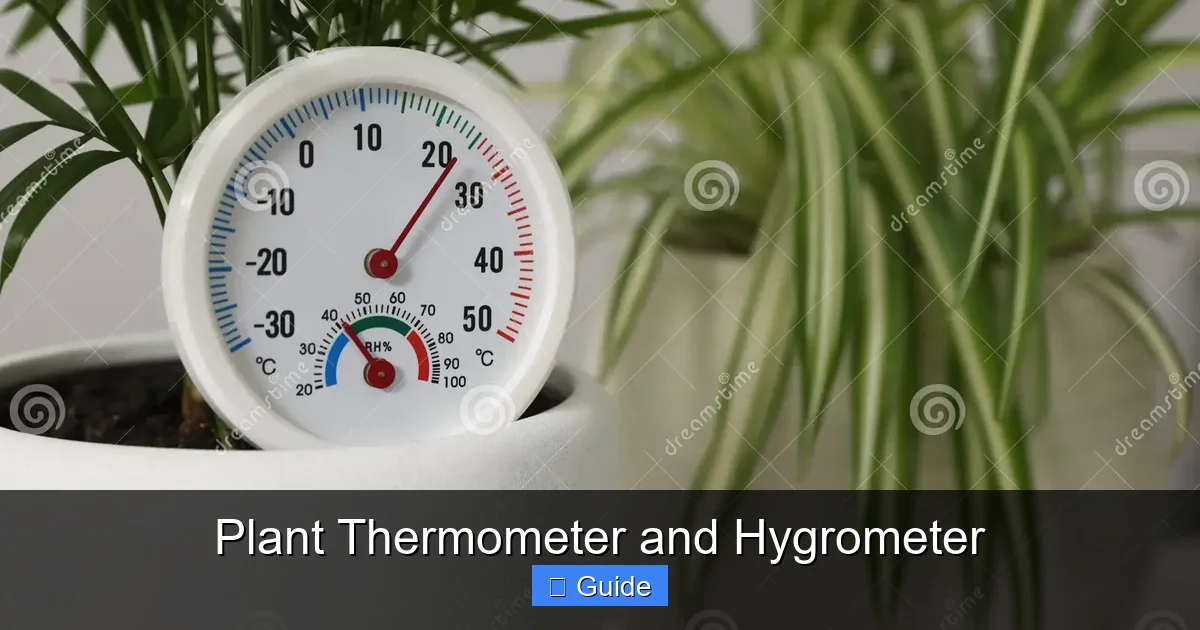
Plant Thermometer and Hygrometer
A plant thermometer and hygrometer gives you real‑time temperature and humidity data so you can keep your plants in their ideal climate. Accurate readings help prevent stress, disease, and poor yields. Choose a device with a clear display, reliable sensors, and easy calibration for the best results.
A plant thermometer and hygrometer is a simple tool that tells you the temperature and humidity around your plants. It helps you know if the air is too dry or too hot. Many gardeners use it to keep indoor gardens healthy. You can place it near the leaves for the best reading. The device is small and easy to read.
When you use a plant thermometer and hygrometer you can see the exact climate your plants live in. This data lets you adjust watering, lighting, and ventilation. Accurate readings prevent stress and disease. You will notice stronger growth and better yields. It is a small investment with big returns.
Many beginners think a simple thermometer is enough but humidity matters just as much. A plant thermometer and hygrometer combines both measurements in one compact unit. This saves space and reduces the number of gadgets you need. You will appreciate the convenience when you check the climate in seconds.
Key Takeaways
- Accurate climate data: A plant thermometer and hygrometer gives you real‑time temperature and humidity so you can keep plants in their ideal range.
- Prevent stress: Monitoring with a plant thermometer and hygrometer helps you spot hot or dry conditions before leaves wilt.
- Choose the right type: Digital, analog, or smart models each have pros; pick a plant thermometer and hygrometer that fits your setup.
- Place at canopy height: Mount the plant thermometer and hygrometer where the leaves grow for the most relevant readings.
- Calibrate regularly: A quick ice‑water and salt test keeps your plant thermometer and hygrometer accurate over time.
- Use data for automation: Smart plant thermometer and hygrometer units can trigger fans or humidifiers for hands‑free control.
Quick Answers to Common Questions
What is a plant thermometer and hygrometer?
A plant thermometer and hygrometer is a single device that measures both temperature and humidity around your plants, giving you a complete picture of the growing climate.
Why do I need both temperature and humidity readings?
Temperature and humidity together determine how plants transpire and absorb nutrients; ignoring one can lead to stress, disease, or poor yields.
How often should I calibrate my device?
Calibrate your plant thermometer and hygrometer at least once a month or after any physical shock to maintain accurate readings.
Can I use a smart sensor with my phone?
Yes, many modern plant thermometer and hygrometer models connect via Bluetooth or Wi‑Fi and send real‑time alerts to a mobile app.
Where should I place the sensor for best results?
Mount the sensor at canopy height, away from direct sunlight, heaters, vents, and stagnant corners for the most representative data.
📑 Table of Contents
Why Monitoring Temperature and Humidity Matters for Plants
Ideal Range for Common Houseplants
Most houseplants like a temperature between 65 and 75 degrees Fahrenheit. They also prefer humidity around 40 to 60 percent. A plant thermometer and hygrometer shows you these numbers at a glance. When the temperature drifts higher the leaves may curl. When humidity drops too low the tips turn brown. Keeping the range steady helps the plant stay happy. You can adjust a heater or a humidifier based on the reading. Small changes make a big difference over time. Consistent climate also reduces pest problems. Your plants will reward you with lush foliage.
Different species have slightly different needs. Succulents like it drier and warmer. Ferns love high humidity and cooler air. A plant thermometer and hygrometer lets you tailor the environment for each type. Group plants with similar needs together. This makes it easier to manage the whole collection. You can create microclimates by using trays of water or small fans. This level of control is hard without accurate data. Over time you will see healthier growth and fewer leaf problems. The result is a vibrant indoor garden that thrives year round.
Signs of Climate Stress
When the air gets too hot the plant may wilt even if the soil is moist. Leaves can develop yellow edges or drop off. A plant thermometer and hygrometer alerts you before the damage spreads. You can move the plant to a cooler spot or increase airflow. Quick action saves the plant from permanent harm. You will also notice slower growth and weaker stems. Monitoring daily helps you catch these signs early. A stable climate keeps the plant’s metabolism running smoothly.
Low humidity causes crispy leaf tips and slows photosynthesis. High humidity can invite mold and fungal spots. A plant thermometer and hygrometer gives you the power to balance both. Use a humidifier or a dehumidifier based on the reading. Your plants will stay strong and produce more flowers or fruit. Consistent monitoring also helps you learn the rhythm of your space. Over weeks you will see patterns and can plan ahead. This knowledge turns a hobby into a reliable harvest.
Types of Plant Thermometer and Hygrometer Devices
Analog vs Digital Models
Analog models use a dial and a needle to show temperature and humidity. They are cheap and need no batteries. A plant thermometer and hygrometer of this type can be less precise. Digital models display numbers on a screen and often have higher accuracy. They may also store the highest and lowest readings. Choose the style that fits your budget and reading preference. Digital units often include a backlight for dark rooms. Some have a probe that you can place in the soil. This extra feature helps you monitor root zone conditions. Analog dials are still popular for their simplicity.
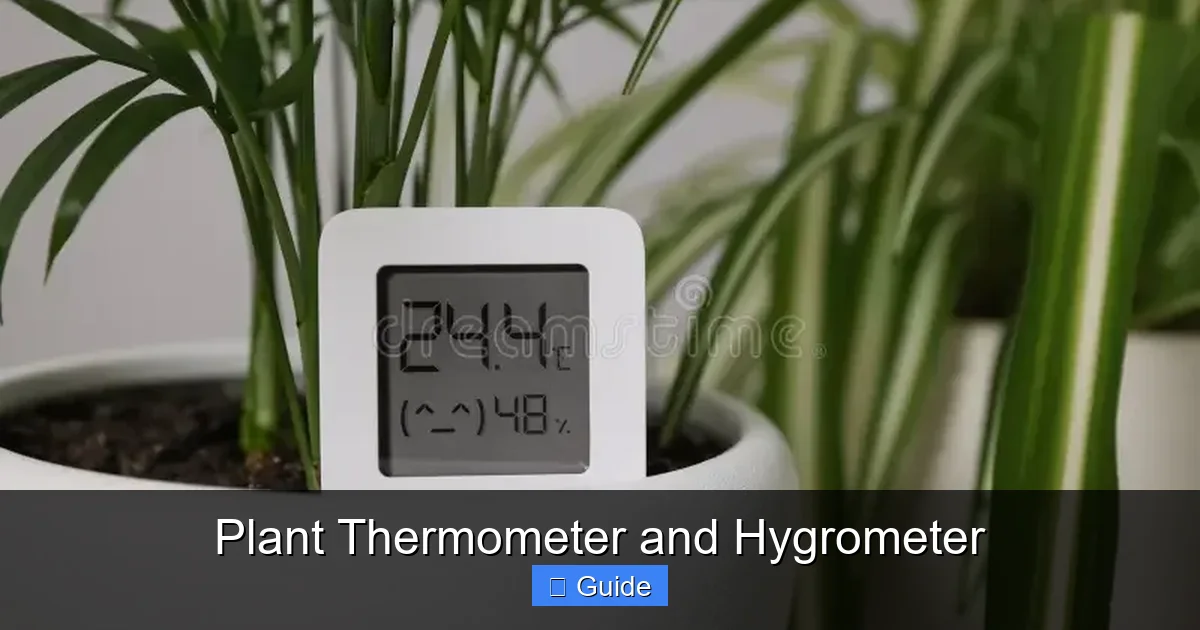
Visual guide about Plant Thermometer and Hygrometer
Image source: thumbs.dreamstime.com
Both types can be mounted on a wall or placed on a shelf. Wall mounting keeps the sensor at plant height. A plant thermometer and hygrometer placed too high may read warmer air. Shelf placement works well for small collections. Make sure the sensor is not in direct sunlight or near a heater. Proper placement gives you trustworthy data. You can also use a small stand to raise the device to leaf level. This simple trick improves accuracy without extra cost. Regularly check that the sensor stays clean and unobstructed.
Wireless and Smart Sensors
Wireless sensors connect to your phone through Bluetooth or Wi‑Fi. They send real‑time alerts when temperature or humidity leaves the ideal range. A plant thermometer and hygrometer with smart features can log data for weeks. You can view charts and spot trends without being in the room. This is great for busy growers or vacation homes. Some models integrate with home automation systems. You can trigger a fan or humidifier automatically. This hands‑free control keeps the climate stable around the clock. Battery life usually lasts several months on a single charge.
When choosing a wireless unit check the range and compatibility with your phone. A plant thermometer and hygrometer that works with both iOS and Android is safest. Look for a clear app interface and easy calibration steps. Some devices let you set custom alerts for each plant type. This level of detail helps you fine‑tune every corner of your garden. Read reviews to see how reliable the connection stays over time. A stable link means you never miss a critical change. Investing in a quality smart sensor pays off with healthier plants.
Key Features to Look For
Accuracy and Calibration
Accuracy is the most important spec for a plant thermometer and hygrometer. Look for a tolerance of plus or minus one degree Fahrenheit and plus or minus two percent humidity. Many devices come pre‑calibrated but you should verify with a known reference. A simple ice water test checks the temperature side. A salt solution test checks the humidity side. Regular calibration keeps the data trustworthy. If the device drifts over time you can adjust it using the calibration menu. Some models auto‑calibrate when powered on. Keeping a log of calibration dates helps you stay on schedule. Accurate readings lead to better decisions for watering and ventilation.
Choose a sensor that uses a capacitive humidity element for fast response. Capacitive sensors react quicker than resistive ones. A plant thermometer and hygrometer with a fast response shows changes within seconds. This is useful when you open a window or turn on a fan. Quick feedback lets you correct the climate before the plant feels stress. Slow sensors can lag by minutes and give a false sense of stability. Over time this lag can cause hidden stress. Investing in a responsive sensor saves you trouble later. Check the spec sheet for response time before buying.
Display and Power Options
A clear display makes reading easy at a glance. Backlit screens help in low light grow rooms. A plant thermometer and hygrometer with large digits reduces eye strain. Some units show both temperature and humidity on the same screen. Others cycle between the two values. Pick the style that matches your viewing habits. Battery powered models offer portability but need regular replacement. USB rechargeable units cut waste and cost. Solar powered options work well in greenhouses with ample sun. Consider how often you want to maintain the power source.
Mounting options add flexibility. A plant thermometer and hygrometer with a magnetic back sticks to metal shelves. Clip‑on models attach to pot rims. Stand‑alone units sit on a table. Choose a mount that keeps the sensor at leaf level. Secure mounting prevents accidental knocks that could damage the sensor. If you move plants often a portable clip is handy. For permanent setups a wall bracket gives a clean look. Always verify the sensor faces the plant canopy not the wall. Proper orientation ensures the reading reflects the plant environment.
How to Install and Use Your Device
Placement Best Practices
Place the sensor at the same height as the plant canopy. A plant thermometer and hygrometer placed too low reads cooler air from the floor. Too high and it catches warm air from lights. Keep it away from direct airflow from fans or vents. Avoid corners where air stagnates. A central spot gives the most representative climate picture. If you have multiple shelves use one sensor per level. This captures vertical gradients that affect different plants. Rotate the device occasionally to verify consistency. Good placement is the foundation of reliable data.
Secure the unit so it does not wobble when you water. A plant thermometer and hygrometer with a magnetic base works well on metal racks. For plastic shelves use a zip tie or adhesive pad. Make sure the sensor face points toward the leaves not the wall. Clean the sensor tip with a soft cloth once a month. Dust can insulate the sensor and skew readings. A quick visual check each week catches loose mounts early. Tighten any screws or clips before they fail. Consistent mounting keeps the data stream clean. You will trust the numbers when you make care decisions.
Reading and Logging Data
Read the display at the same time each day for consistency. A plant thermometer and hygrometer that stores min and max values helps you see daily swings. Write the numbers in a notebook or use the app if it is smart. Over weeks you will spot patterns like night temperature drops. This log becomes a guide for adjusting heaters or humidifiers. Compare your log to the ideal range for each species. When the data drifts you can act before symptoms appear. A simple spreadsheet makes trends easy to visualize. Consistent logging turns guesswork into science.
Set alerts on smart models to notify you of out‑of‑range conditions. A plant thermometer and hygrometer with push notifications can save a crop while you are away. Test the alert by briefly moving the sensor to a warmer spot. Verify the notification arrives on your phone. Reliable alerts give you peace of mind during busy weeks. If you use multiple sensors label each one in the app. This prevents confusion when you review data. Regularly export the log for long‑term analysis. A complete history helps you refine your growing strategy year after year.
Common Mistakes and How to Avoid Them
Ignoring Calibration
Many growers skip calibration after buying a new unit. A plant thermometer and hygrometer can drift a few degrees over time. Without calibration you may think the climate is perfect when it is not. Perform an ice water test for temperature and a salt test for humidity. Do this once a month or after any drop. Calibration takes only a few minutes and protects your plants. Keep a small calibration log next to your grow journal. Note the date and any adjustment made. This habit builds confidence in your readings. Accurate data leads to better watering and feeding schedules.
Some devices have auto‑calibration but still need a manual check. A plant thermometer and hygrometer that claims self‑adjust may hide a sensor fault. Compare the reading with a trusted reference thermometer. If the gap is larger than the spec, replace the unit. Do not rely on a single device for critical crops. Having a backup sensor gives you a safety net. You can cross‑check daily without extra effort. Redundancy is cheap compared to losing a harvest. Smart growers always verify their tools.
Poor Placement Choices
Putting the sensor near a heater or air conditioner gives false highs or lows. A plant thermometer and hygrometer in direct sunlight reads hotter than the leaf zone. Corners with stale air do not represent the canopy climate. Move the device to a spot with gentle airflow and indirect light. This simple change can shift readings by several degrees. Test a few locations before you settle on one. Record the reading at each spot for a day. Choose the location that matches the plant height and light level. Consistent placement removes a major source of error.
Another mistake is mounting the sensor on a vibrating surface. A plant thermometer and hygrometer on a shaking shelf can give jittery numbers. Use a stable bracket or a weighted base. Keep the sensor away from water splashes during irrigation. Moisture on the probe can cause short‑term spikes. A clean, steady mount yields smooth data you can trust. Inspect the mount weekly for loose screws. Tighten them before they cause a shift. A stable environment starts with a stable sensor. Your plants will thank you for the extra care.
Advanced Tips for Precision Growing
Using Multiple Sensors for Zoning
Large grow rooms benefit from several sensors placed in zones. A plant thermometer and hygrometer in each zone shows microclimate differences. You can then target heating or misting only where needed. This saves energy and prevents over‑humidifying dry areas. Zoning also helps you isolate problems like a cold draft. Data from each sensor builds a complete climate map. Label each sensor clearly in your app or notebook. Review the maps weekly to spot trends. Adjust equipment based on the zone that drifts most. Precision zoning turns a good garden into a great one.
When you add a new plant type, place a sensor near it first. A plant thermometer and hygrometer gives you a baseline for that species. Compare the baseline to the zone average. If the new plant needs higher humidity, add a local humidifier. This targeted approach avoids changing the whole room. Small adjustments keep every plant in its sweet spot. Track the new plant response for two weeks. If it thrives, keep the settings. If it struggles, tweak the zone further. This iterative method builds confidence for future experiments.
Integrating with Automation
Smart sensors can talk to controllers that run fans, heaters, and misters. A plant thermometer and hygrometer with an API lets you write simple rules. For example, turn on a fan when temperature exceeds 78°F. Turn on a humidifier when humidity drops below 45%. Automation removes the need for constant manual checks. Your garden runs smoothly even when you sleep. Start with one rule and test it for a week. Watch the logs to see if the climate stabilizes. Add more rules gradually as you gain confidence. A well‑tuned system reduces labor and improves yields.
Always keep a manual override for safety. A plant thermometer and hygrometer can fail or lose connection. If the automation locks a heater on, plants could overheat. A physical switch or a backup timer prevents disaster. Test the override monthly to be sure it works. Redundancy is the hallmark of a professional setup. Document your automation rules in a simple spreadsheet. Share the sheet with anyone who helps in the garden. Clear documentation speeds troubleshooting. A reliable system lets you focus on plant care instead of tech issues.
Using a plant thermometer and hygrometer is one of the easiest ways to boost plant health. Accurate temperature and humidity data guide every watering, lighting, and ventilation decision. Choose a device that matches your space, budget, and tech comfort. Install it at canopy height, calibrate regularly, and log the readings. Avoid common placement errors and consider smart features for automation. With consistent monitoring you will see stronger growth, fewer pests, and higher yields. Start today by picking a reliable sensor and placing it where your plants live. Your garden will thank you with vibrant leaves and abundant harvests.
Make it a habit to review the data each morning. Small daily checks keep the climate steady. Over time you will develop an intuitive feel for your grow space. The result is a thriving indoor garden you can be proud of.
Frequently Asked Questions
How accurate are plant thermometer and hygrometer devices?
Most quality units offer ±1 °F temperature accuracy and ±2 % humidity accuracy, which is sufficient for typical indoor gardening needs.
Do I need a separate thermometer and hygrometer?
A combined plant thermometer and hygrometer provides both measurements in one compact tool, saving space and simplifying monitoring.
What is the ideal temperature for most houseplants?
Most common houseplants thrive between 65 °F and 75 °F, but always check the specific range for each species you grow.
How do I clean the sensor probe?
Gently wipe the probe with a soft, dry cloth; avoid liquids or abrasive materials that could damage the sensitive element.
Can a plant thermometer and hygrometer help prevent mold?
Yes, by alerting you when humidity exceeds safe levels, the device lets you reduce moisture before mold spores can develop.
Are wireless models reliable for large grow rooms?
Wireless plant thermometer and hygrometer units with strong Bluetooth or Wi‑Fi range work well in large spaces, especially when paired with a mesh network for consistent coverage.