How to Care for Succulents in Fall
Fall care for succulents means cutting back water, maximizing light, and protecting from early frost. Follow these simple steps to keep your plants thriving through the seasonal transition.
Fall arrives with shorter days, cooler nights, and a subtle shift in the air that every plant parent notices. Your succulents feel it too. The care routine that worked perfectly in July will not work in October. Learning how to care for succulents in fall is about reading the signals your plants send and adjusting before problems start. This guide walks you through every change you need to make, from watering schedules to light adjustments to frost protection.
I have grown succulents for over a decade across three different climate zones. The fall transition is where most people lose plants. They keep watering on a summer schedule. They leave tender varieties outside one night too long. They forget that the sun angle has changed. This article shares everything I have learned so you can avoid those mistakes. Whether you have a single jade plant on a windowsill or a full rock garden of sedums, the principles are the same.
Key Takeaways
- Water less often: Succulents need far less water in fall as growth slows and evaporation drops.
- Maximize light exposure: Move plants to the brightest spot possible as daylight hours decrease.
- Watch for frost: Bring tender varieties indoors before nighttime temperatures hit 40°F (4°C).
- Stop fertilizing: Feed your last dose in early fall, then pause until spring growth returns.
- Check for pests: Inspect plants carefully before moving them inside for winter.
- Use well-draining soil: Ensure pots have drainage holes and gritty mix to prevent rot in cooler, damp conditions.
- Know your variety: Cold-hardy sedums and sempervivums can stay outside; echeverias and haworthias cannot.
Quick Answers to Common Questions
When should I stop fertilizing succulents in fall?
Stop fertilizing by mid-fall (usually October). Give one final weak feeding in early September, then pause until new growth appears in spring.
Can I leave my succulents outside all winter?
Only cold-hardy varieties like Sempervivum and many Sedum can stay out. Tender succulents (Echeveria, Aloe, Jade) must come inside before temperatures drop to 40°F (4°C).
How often should I water succulents in fall?
Water only when soil is completely dry. This typically means every 2-3 weeks for indoor plants, and even less for outdoor hardy types. Always use the finger test.
Do succulents need grow lights in winter?
Most indoor succulents benefit from grow lights in winter. Run full-spectrum LEDs 12-14 hours daily to prevent stretching and maintain color.
Why are my succulent leaves falling off in fall?
Lower leaf drop is often normal aging or adjustment to lower light. If new growth at the tip looks healthy, the plant is adapting. Do not increase watering.
📑 Table of Contents
- Understanding Your Succulents’ Fall Needs
- Adjusting Watering Habits for Cooler Weather
- Managing Light Exposure as Days Shorten
- Temperature Protection and Frost Preparation
- Soil and Fertilizer Adjustments for Autumn
- Common Fall Problems and How to Fix Them
- Building Your Fall Succulent Care Calendar
- Special Considerations for Popular Varieties
- Propagation in Fall: Yes or No?
- Designing a Fall Succulent Display
- Troubleshooting Quick Reference
- Conclusion
Understanding Your Succulents’ Fall Needs
Succulents respond to environmental cues. Shorter days signal the end of the active growing season. Cooler nights slow down metabolism. Many varieties enter a period of dormancy or semi-dormancy. This is not a bad thing. It is a natural survival strategy. Your job is to support that transition, not fight it.
Know Which Type You Have
Not all succulents handle fall the same way. Cold-hardy varieties like Sempervivum (hens and chicks), Sedum (stonecrop), and Delosperma (ice plant) can survive freezing temperatures outdoors. They actually need the cold period to bloom well next year. Tender varieties like Echeveria, Crassula (jade), Haworthia, Aloe, and most cacti will die if frozen. The first step in learning how to care for succulents in fall is sorting your collection into “stays out” and “comes in” groups.
Read the Dormancy Signals
Watch for these signs that your plants are slowing down: new growth gets smaller and tighter, colors deepen or shift (often becoming more vibrant), lower leaves may dry up and drop, and the soil stays wet longer after watering. These are all normal. Do not panic and water more. Do not fertilize to “help.” The plant is doing exactly what it should.
Microclimates Matter
Your yard has microclimates. The south-facing wall of your house stays warmer. The low spot in the garden collects cold air. A covered porch offers frost protection. An open deck does not. Walk your property at dawn with a thermometer. Note the differences. This knowledge helps you decide where to place pots and which plants need to move first.
Adjusting Watering Habits for Cooler Weather
Watering is the number one killer of succulents in fall. The rules change completely. In summer, you might water every 5-7 days. In fall, that same schedule causes rot. Understanding how to care for succulents in fall starts with mastering the new watering rhythm.
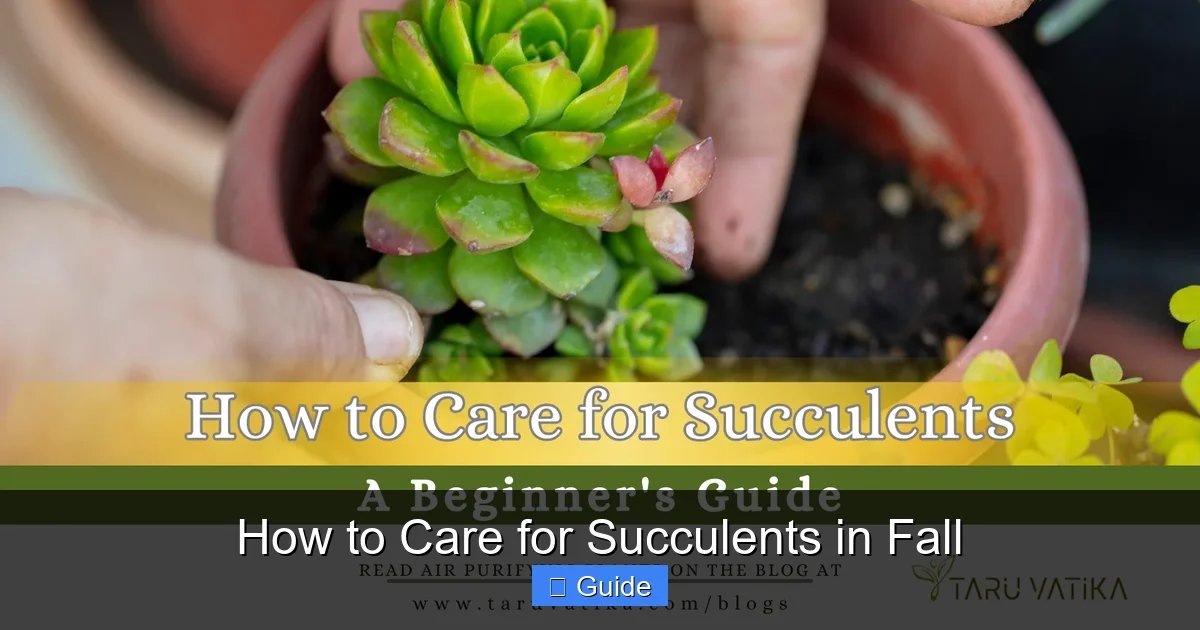
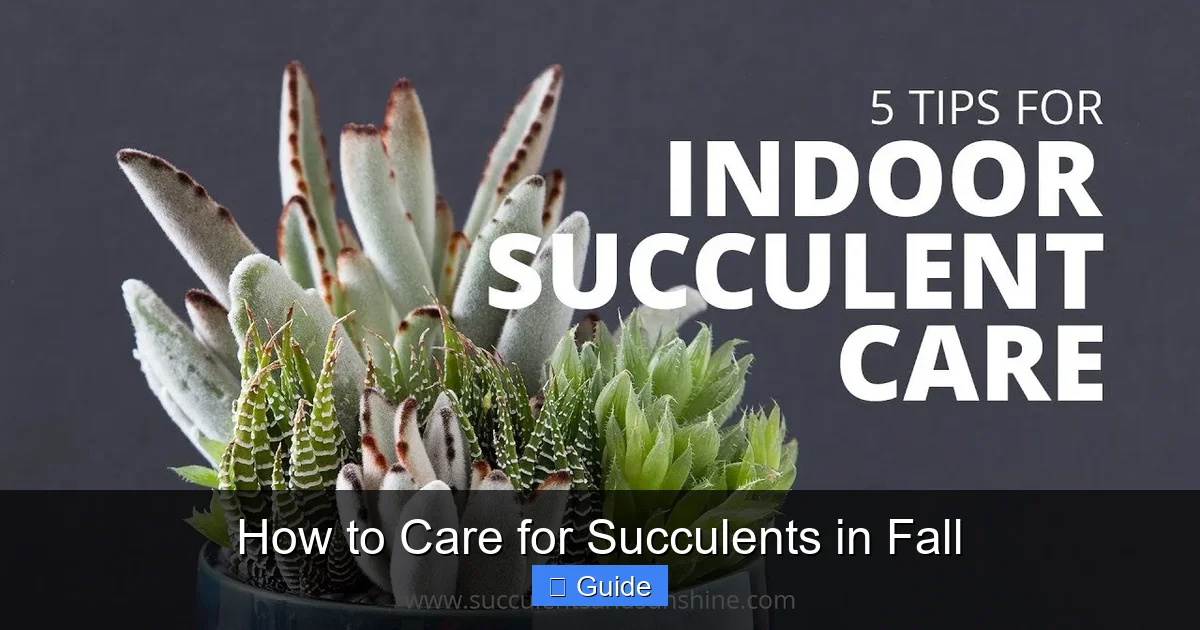
Visual guide about How to Care for Succulents in Fall
Image source: taruvatika.com
The Finger Test Never Lies
Forget the calendar. Stick your finger into the soil up to the second knuckle. If it feels cool and damp, wait. If it feels bone dry all the way down, water deeply. In fall, “bone dry” might take two weeks instead of five days. That is normal. The soil surface dries fast, but the bottom stays moist longer because evaporation slows in cooler air.
Water Deeply But Infrequently
When you do water, water thoroughly. Run water through the pot until it flows from the drainage holes. This encourages deep roots. Shallow sips create shallow roots that are vulnerable to temperature swings. Then do not water again until the soil is completely dry. This wet-dry cycle mimics nature and keeps roots healthy.
Morning Watering Only
Water in the morning. Never at night. Wet soil plus cold nights equals fungal problems. Morning water gives excess moisture time to evaporate. If you use a saucer under the pot, empty it within 30 minutes. Standing water is an invitation to root rot.
Reduce Frequency by Half, Then Half Again
A good rule of thumb: cut your summer watering frequency in half for early fall. Cut it in half again for late fall. By November, many indoor succulents need water only once every 3-4 weeks. Outdoor hardy types may need none at all if rain falls. Always verify with the finger test.
Special Cases: Lithops and Winter Growers
Some succulents break the rules. Lithops (living stones) need zero water from late summer through winter. They are splitting old leaves and growing new ones inside. Water now splits the new leaves wrong. Aeonium and some Senecio are winter growers. They wake up in fall and want water. Research your specific varieties. The general advice here applies to the majority, but exceptions exist.
Managing Light Exposure as Days Shorten
Light drives photosynthesis. Less light means less energy. Less energy means slower growth and weaker plants. Maximizing light is critical when learning how to care for succulents in fall. Every photon counts.
Chase the Sun
The sun angle drops in fall. A spot that got 6 hours of direct sun in July might get 2 in October. Move your pots. Put them on rolling plant caddies if they are heavy. The brightest spot in your yard or windowsill changes weekly. Track it. A south-facing window is best indoors. East is second best. North is usually insufficient for most succulents.
Clean Your Windows
Dust and grime on windows block up to 30% of light. Wash them inside and out. Remove screens if possible. They cut light intensity significantly. This simple step makes a measurable difference for indoor plants.
Rotate for Even Growth
Plants lean toward light. Rotate pots a quarter turn each week. This keeps growth symmetrical and prevents etiolation (stretching). Stretched growth is weak, pale, and prone to breaking. Once a plant etiolates, you cannot fix that stem. You can only behead and re-root. Prevention is easier.
Supplement with Grow Lights
If your indoor space lacks sufficient light, use LED grow lights. Full spectrum 5000-6500K lights work best. Run them 12-14 hours daily. Position 6-12 inches above the plants. A simple timer automates this. Grow lights let you keep tender succulents compact and colorful all winter. They are inexpensive insurance against etiolation.
Acclimate Before Moving Indoors
Do not move outdoor plants straight to a dim indoor corner. That shocks them. Instead, move them to a shadier outdoor spot for a week. Then a covered porch for a week. Then indoors under grow lights. This gradual transition prevents sunburn (yes, even in fall) and reduces leaf drop from shock.
Temperature Protection and Frost Preparation
Temperature swings define fall. A 70°F day can drop to 35°F at night. Succulents hate this. Their tissues are full of water. Freezing water expands and bursts cell walls. The damage is instant and irreversible. Mastering how to care for succulents in fall means having a frost plan ready before you need it.
Know Your Hardiness Zones
Check the USDA hardiness zone for each plant. Zone 9 succulents (most echeverias) die at 25°F. Zone 5 succulents (many sedums) survive -20°F. If your zone is colder than the plant’s rating, it must come inside or be heavily protected. Do not guess. One night below the threshold kills years of growth.
Monitor Forecasts Daily
Set weather alerts on your phone for 40°F and below. Check each evening. Fall fronts move fast. A sunny 65°F afternoon can plummet to 32°F by dawn. The forecast at 6 PM matters more than the one at 6 AM. Be ready to move plants at a moment’s notice.
Create a Staging Area
Designate a “plant loading zone” near your door. Keep a hand truck, old towels, and boxes there. When a freeze warning hits, you grab and go. No hunting for supplies in the dark. This sounds excessive until you are carrying 20 pots in your pajamas at 10 PM.
Protect In-Ground Plants
Hardy succulents in the ground need help too. Apply 2-3 inches of coarse mulch (gravel, pumice, bark) around but not touching the crown. This insulates roots. Avoid wet leaves or compost. They hold moisture against the stem and cause rot. For marginal varieties, drape frost cloth over a simple frame. Do not let plastic touch foliage. It transfers cold.
Cold Frames and Greenhouses
A cold frame extends the outdoor season by weeks. It captures daytime heat and buffers night cold. Vent it on sunny days or it overheats. A small unheated greenhouse works similarly. Both need monitoring. A sunny fall day in a closed cold frame can hit 100°F and cook plants.
Indoor Temperature Stability
Once inside, keep plants away from heat vents, radiators, and drafty doors. Sudden hot blasts dry them out. Cold drafts shock them. Aim for consistent 60-70°F. Most succulents tolerate down to 45°F at night if days are warm. This mimics their native desert temperature swings.
Soil and Fertilizer Adjustments for Autumn
Soil and nutrition needs shift with the season. The mix that drained perfectly in July heat might stay soggy in October rain. Fertilizer that fueled summer growth becomes salt buildup in dormant roots. Learning how to care for succulents in fall includes updating the root zone.
Check Drainage Before Rains Start
Fall often brings steady rain. Tip each pot. Water should flow out instantly. If it pools or drains slowly, the soil has broken down or roots have clogged holes. Repot now, not in spring. Use fresh gritty mix: 1 part potting soil, 1 part coarse sand or poultry grit, 1 part pumice or perlite. This mix drains fast and holds almost no water.
Top Dress with Grit
Add a half-inch layer of chicken grit, pumice, or decorative gravel on top of the soil. This prevents soil splash during rain, deters fungus gnats, keeps the crown dry, and looks tidy. It also slows evaporation just enough to smooth the wet-dry cycle.
Final Fertilizer Application
Give one last weak feeding in early fall (September in most zones). Use a balanced fertilizer at 1/4 strength. Or use a low-nitrogen cactus formula. This builds reserves for winter without pushing tender new growth. Stop completely by mid-fall. Fertilizing dormant plants wastes money and burns roots.
Flush Salts Before Bringing Indoors
If you fertilized all summer, salts have accumulated. Before moving plants inside, water heavily 3 times over an hour. Let each watering drain fully. This leaches excess salts. Indoor air is dry. Salts concentrate fast and damage roots. A pre-move flush prevents this.
Repotting Timing
Fall is not ideal for major repotting. Roots grow slowly and recover poorly. Only repot if drainage is bad, the plant is root-bound to the point of cracking the pot, or you see pests in the soil. Otherwise, wait until spring. If you must repot, use barely moist mix. Do not water for a week after. Let any root damage callous over.
Common Fall Problems and How to Fix Them
Even with perfect care, problems appear. Fall stress reveals weaknesses. Catching issues early saves plants. This section covers the most frequent fall troubles when learning how to care for succulents in fall.
Etiolation (Stretching)
Long, pale stems with wide gaps between leaves. The plant is desperate for light. Fix: move to brighter light immediately. Add grow lights. The stretched part will not shrink. You can behead the rosette, let it callous 3-5 days, and root it in dry gritty mix. The old stem may pups new rosettes. Lesson: more light next year.
Edema (Corky Bumps)
Raised, rough, brown or white spots on leaves, usually on the underside. Caused by roots taking up water faster than leaves can transpire. Common in cool, humid fall weather with wet soil. Fix: stop watering. Increase airflow. Increase light. The spots are permanent but cosmetic. New growth will be clean.
Fungus Gnats
Tiny black flies hovering over soil. Larvae eat roots and fungi in wet soil. They love fall conditions: damp soil, organic matter, warm indoor air. Fix: let soil dry completely. Top dress with sand or grit. Yellow sticky traps catch adults. Mosquito bits (Bti) in water kill larvae. Do not overwater. Ever.
Mealybugs and Scale
White cottony clumps (mealybugs) or brown bumps (scale) hiding in leaf axils and under leaves. They explode indoors where no predators exist. Inspect every plant with a flashlight before bringing inside. Treat with 70% isopropyl alcohol on a cotton swab. Repeat weekly for a month. Quarantine new or treated plants 3 weeks.
Rot (Stem and Root)
Black, mushy stem base or roots. Smells foul. Leaves fall off at a touch. Caused by cold + wet. Fix: unpot. Cut away all black tissue with sterile knife. Dust cuts with cinnamon or sulfur. Let dry 1 week in shade. Repot in dry gritty mix. Do not water 2 weeks. Pray. Prevention is infinitely better.
Sunburn After Moving
Bleached white or brown patches on leaves facing the window. Happens when a plant moves from low light to direct sun too fast. Even fall sun burns unacclimated tissue. Fix: move back to shade. Gradually increase exposure 30 minutes daily over 2 weeks. Damaged leaves never recover. Remove if ugly.
Leaf Drop from Shock
Lower leaves yellow and fall off after moving indoors. The plant is shedding leaves it cannot support in lower light. Fix: do not panic. Do not water more. Give maximum light. The plant will stabilize. New growth at the tip means it is adapting.
Building Your Fall Succulent Care Calendar
A simple calendar keeps you on track. Adjust dates for your zone. This framework works for most temperate climates when learning how to care for succulents in fall.
Early Fall (September)
- Give final weak fertilizer application
- Start reducing watering frequency by 25%
- Move tender pots to shadier outdoor spot to begin acclimation
- Inspect all plants for pests with flashlight
- Clean windows and set up grow light area indoors
- Order frost cloth if you do not have enough
Mid Fall (October)
- Reduce watering by another 25% (now half of summer schedule)
- Move tender succulents to covered porch or garage at night
- Bring most tender varieties (lithops, string of pearls, euphorbias) fully indoors
- Apply grit top dressing to all outdoor pots
- Mulch in-ground hardy succulents
- Check drainage on every pot
Late Fall (November)
- Water only when soil is bone dry (often every 3-4 weeks indoors)
- All tender plants indoors under grow lights
- Hardy outdoor pots grouped against south wall, mulched
- Stop all fertilizing
- Run grow lights 12-14 hours daily
- Check weekly for pests, rot, stretching
Early Winter (December)
- Minimal water for indoor plants
- Zero water for lithops and other strict winter sleepers
- Monitor indoor humidity; use fan for airflow if needed
- Rotate plants weekly
- Enjoy the quiet beauty of dormant succulents
Special Considerations for Popular Varieties
Each genus has quirks. Knowing them refines your practice of how to care for succulents in fall.
Echeveria
Rosette formers that hate cold and wet. Bring in before 45°F nights. Keep bright. Water sparingly. Watch for mealybugs in leaf axils. Remove dead lower leaves promptly to prevent rot.
Sempervivum (Hens and Chicks)
Cold hardy to zone 3. Stay outside all winter. Need cold to bloom. Ensure sharp drainage. They rot in wet clay soil. Mulch with gravel, not leaves. The mother hen dies after blooming; chicks carry on.
Sedum (Stonecrop)
Most are very hardy. Sedum spectabile (autumn joy) blooms in fall. Leave seed heads for winter interest. Cut back in early spring. Groundcover sedums (like S. acre) stay green all winter.
Aloe
Not cold hardy. Bring in before 40°F. They grow slowly in winter. Water very little. Bright light prevents floppy leaves. Watch for scale on leaf undersides.
Haworthia
Low light tolerant but prefer bright indirect. Winter growers. Water lightly every 3-4 weeks. Do not let them bake in hot south window. They blush red in good light.
Crassula (Jade Plant)
Tree-like with woody stems. Bring in before frost. Can handle cooler indoor temps (50°F). Water monthly. Prune in spring to shape. Easy to bonsai.
Lithops (Living Stones)
Zero water from late summer until old leaves fully wither in spring. Seriously. None. They split and regrow inside the old pair. Water now kills them. Keep bright and cool.
Euphorbia
Many are winter dormant. Sap is toxic and irritating. Wear gloves. Bring in early. Water very sparingly. Some (like E. trigona) drop leaves in low light. They regrow in spring.
Propagation in Fall: Yes or No?
Generally, no. Fall is for settling in, not starting new. Cuttings root slowly or rot in cool, low-light conditions. Mother plants have less energy to heal wounds. Wait until spring when growth hormones surge.
Exceptions
If you have a heated propagation mat, grow lights, and experience, you can propagate. Some winter growers (Aeonium, Senecio rowleyanus) root fine in fall. But for beginners? Label the pot “spring project” and set it aside. Your success rate will triple.
Leaf Propagation Specifics
Leaves pulled in fall often just sit there. They may callous but not root. Or they root but the tiny plantlet stalls. Spring leaves pop roots in days. Patience aligns with nature.
Designing a Fall Succulent Display
Fall is a beautiful season for succulents. Many color up in cooler temps. Echeveria ‘Perle von Nürnberg’ turns deep purple. Sedum ‘Angelina’ goes electric orange. Crassula capitella ‘Campfire’ blazes red. Use this.
Container Groupings
Cluster pots of varying heights. Use stands, bricks, upside-down pots. Group by water needs. Put a focal specimen in the center. Trailers (Sedum morganianum, string of pearls) on edges. This creates a mini-garden you can move as one unit when frost threatens.
Cold Frame Display
A cold frame becomes a living jewel box. Arrange hardy and semi-hardy varieties inside. Add small rocks, driftwood, figurines. Vent on sunny days. It extends your enjoyment and protects plants.
Indoor Windowsill Garden
Line a sunny sill with a cohesive collection. Same pot style, different plants. Or same plant, different pots. Add a small grow light bar above. Rotate weekly. It becomes a daily joy during gray months.
Troubleshooting Quick Reference
Keep this mental checklist handy when practicing how to care for succulents in fall:
- Leaves mushy, transparent? Overwatered. Stop water. Increase light. Unpot if stem soft.
- Leaves wrinkled, flat? Underwatered. Water deeply. Check roots are alive.
- Stem stretching, pale? Low light. Move brighter. Add grow light. Behead if severe.
- White cotton in leaf joints? Mealybugs. Alcohol swab. Quarantine. Repeat weekly.
- Brown corky bumps? Edema. Dry out. More air. More light.
- Black spots spreading? Fungal rot. Cut out. Cinnamon. Dry. Repot dry.
- Leaves falling off bottom? Normal aging or light shock. Increase light. Do not overwater.
- Plant loose in pot? Root loss from rot. Unpot. Inspect. Reroot in dry grit.
Conclusion
Fall succulent care is not complicated. It is observant. You watch. You adjust. You protect. The plants tell you everything you need to know if you pay attention. Wrinkled leaves say “thirsty.” Stretched stems say “dark.” Mushy bases say “too wet, too cold.” Your job is to listen and respond.
Mastering how to care for succulents in fall sets you up for a spectacular spring. Plants that survive winter strong explode with growth when days lengthen. They bloom better. They offset more. They reward your autumn diligence tenfold.
Start today. Walk your collection. Check the soil. Check the forecast. Move one pot to a brighter spot. Set a phone alert for 40°F. Order that bag of pumice. Small actions compound. Your succulents are counting on you. And honestly? They are pretty forgiving if you just remember the basics: less water, more light, no freeze, no fertilizer. Everything else is refinement.
Next fall, you will be the one giving advice. Until then, keep growing.
Frequently Asked Questions
What temperature is too cold for succulents?
Most tender succulents suffer damage below 40°F (4°C) and die at freezing (32°F/0°C). Cold-hardy varieties like Sempervivum tolerate -20°F (-29°C). Always check the specific hardiness rating for each plant.
Should I repot succulents in fall?
Avoid repotting in fall unless drainage is poor or the plant is severely root-bound. Roots heal slowly in cool weather. Wait until spring for routine repotting when growth resumes.
How do I prepare outdoor succulents for frost?
Move potted tender plants indoors. Mulch in-ground hardy plants with 2-3 inches of gravel. Cover marginal plants with frost cloth on a frame. Group pots against a south-facing wall for warmth.
Can I propagate succulents in fall?
Fall propagation has low success rates due to low light and cool temperatures. Cuttings often rot or stall. Wait until spring for much faster, reliable rooting.
Why is my succulent stretching in fall?
Stretching (etiolation) means insufficient light. Days are shorter and sun angle is lower. Move the plant to the brightest window, add a grow light, and rotate weekly for even exposure.
Do succulents go dormant in fall?
Many succulents enter semi-dormancy in fall as days shorten and temperatures drop. Growth slows or stops. Water needs decrease dramatically. This is normal and healthy.