How to Repot Dracaena
Repotting dracaena is easy when you choose the right time, a slightly larger pot, and a well‑draining soil mix. Follow the step‑by‑step method to avoid root damage and give your plant fresh nutrients for vigorous growth.
If you have a dracaena that looks crowded in its pot, you might be asking how to repot dracaena without harming the plant. The good news is that the process is straightforward when you follow a few simple rules. This guide walks you through every step, from deciding when to repot to caring for the plant afterward.
Dracaena plants are popular because they tolerate low light and need little maintenance. However, they still outgrow their containers over time. When roots circle the bottom or push out of drainage holes, the plant cannot absorb water and nutrients efficiently. Repotting gives the roots fresh space and new soil, which leads to stronger growth and brighter foliage.
Key Takeaways
- Timing matters: Repot in spring or early summer when the plant is actively growing.
- Pot size: Choose a container only one to two inches wider than the current root ball.
- Soil mix: Use a light, airy blend with peat, perlite, and a touch of compost.
- Root handling: Gently loosen circling roots and trim any dead or mushy sections.
- Water after repotting: Water thoroughly to settle soil, then allow the top inch to dry before the next watering.
- Aftercare: Keep the plant in bright, indirect light and avoid fertilizer for four to six weeks.
Quick Answers to Common Questions
When is the best time to repot a dracaena?
Spring or early summer, when the plant is actively growing, is the optimal time.
What size pot should I use?
Select a pot one to two inches larger in diameter than the current container.
Can I use regular garden soil?
No, garden soil is too heavy. Use a light, well‑draining mix with peat, perlite, and compost.
How often should I water after repotting?
Water thoroughly once, then allow the top inch of soil to dry before the next watering.
When can I fertilize a newly repotted dracaena?
Wait four to six weeks before applying a diluted balanced fertilizer.
📑 Table of Contents
- How to Repot Dracaena: When to Repot Your Dracaena
- How to Repot Dracaena: Choosing the Right Pot and Soil
- How to Repot Dracaena: Preparing the Plant for Repotting
- How to Repot Dracaena: Step‑by‑Step Repotting Process
- How to Repot Dracaena: Aftercare for a Freshly Repotted Dracaena
- How to Repot Dracaena: Common Mistakes and How to Avoid Them
How to Repot Dracaena: When to Repot Your Dracaena
Signs the Plant Needs a New Pot
Look for roots emerging from the drainage holes. You may also notice the soil drying out very quickly after watering. A plant that leans to one side often has an uneven root system. These clues tell you it is time to act.
Best Season for Repotting
Spring is the ideal season because the plant enters its active growth phase. Early summer works as well. Avoid repotting in late fall or winter when growth slows down. If you must repot in winter, keep the plant warm and limit water.
How Often to Repot
Most dracaenas need a new pot every two to three years. Fast‑growing varieties may need it annually. Slow growers can stay longer. Check the root ball each spring to decide.
How to Repot Dracaena: Choosing the Right Pot and Soil
Pot Material and Size
Terracotta pots breathe well and help prevent soggy soil. Plastic pots retain moisture longer, which can be useful in dry homes. Choose a pot that is one to two inches larger in diameter than the current one. A pot that is too large holds excess water and can cause root rot.
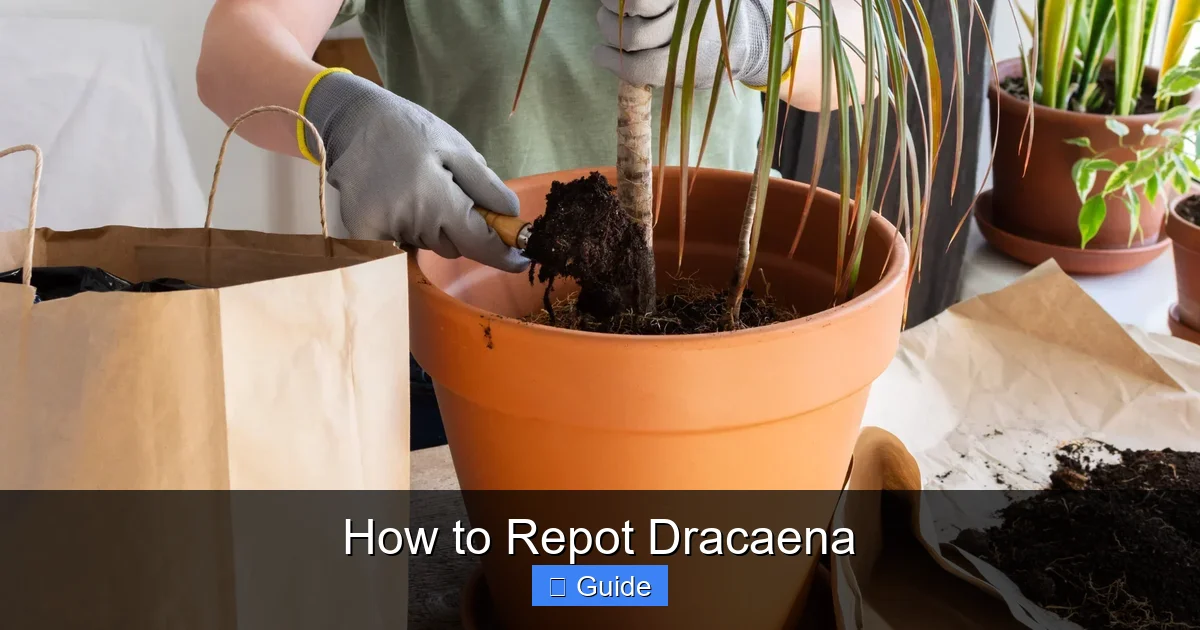
Visual guide about How to Repot Dracaena
Image source: simplytrees.com
Drainage Essentials
Make sure the new pot has at least one drainage hole. Add a layer of coarse gravel or broken pottery at the bottom for extra drainage. This simple step protects roots from standing water.
Soil Mix Recipe
A good mix contains two parts peat moss or coconut coir, one part perlite or pumice, and one part compost or well‑rotted leaf mold. This blend holds moisture yet stays airy. You can also buy a commercial cactus or succulent mix and add extra perlite for better drainage.
How to Repot Dracaena: Preparing the Plant for Repotting
Water the Plant First
Water the dracaena a day before you plan to repot. Moist soil holds the root ball together and reduces shock. Do not soak the plant; just make the soil evenly damp.
Gather Tools and Supplies
You will need the new pot, fresh soil mix, a trowel or spoon, clean scissors or pruning shears, and a pair of gloves. Have a bucket or tray ready to catch old soil.
Inspect the Roots
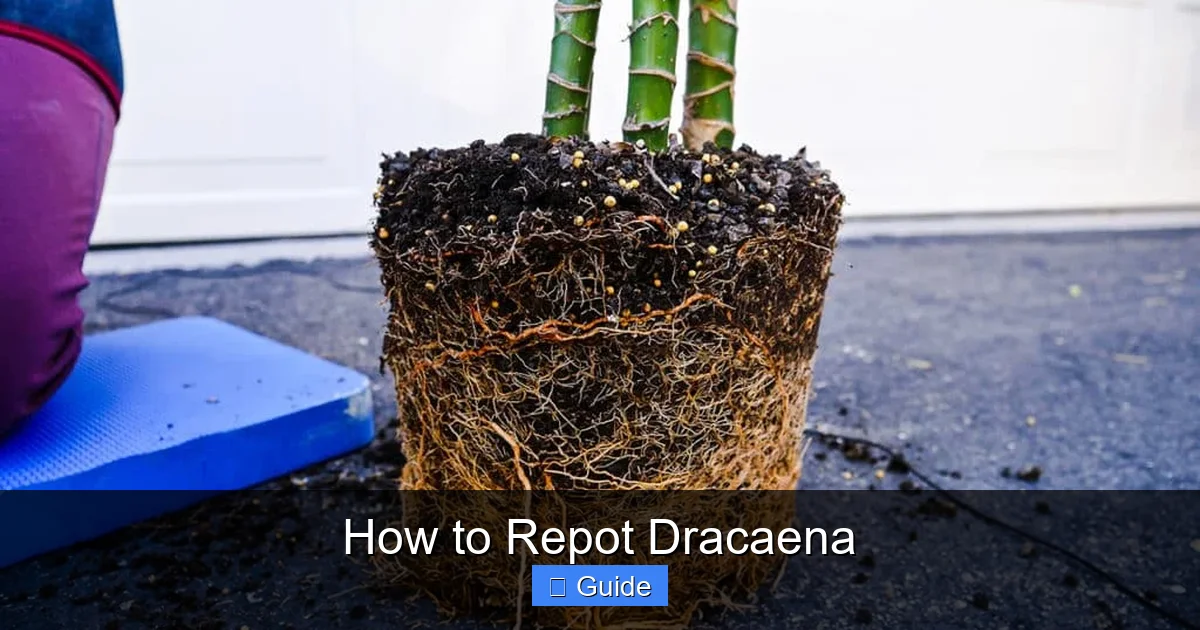
Gently slide the plant out of its current pot. If it resists, tap the sides or run a knife around the inner edge. Examine the root ball for circling roots, mushy spots, or a foul smell. Healthy roots are white or light tan and firm.
How to Repot Dracaena: Step‑by‑Step Repotting Process
Loosen the Root Ball
Use your fingers to tease apart the outer roots. If roots are tightly wound, make a few vertical cuts with clean scissors. This encourages new outward growth. Trim any black, mushy, or dead roots.
Add a Base Layer of Soil
Place enough fresh soil in the bottom of the new pot so that the top of the root ball sits about an inch below the rim. Pat the soil lightly to remove large air pockets.
Position the Plant
Set the dracaena in the center of the pot. Hold it upright while you fill around the sides with more soil. Keep the plant at the same depth it was growing before; do not bury the stem.
Fill and Firm the Soil
Add soil in stages, gently pressing each layer with your fingers. Avoid compacting too hard; roots need air. Leave about half an inch of space at the top for watering.
Water Thoroughly
Give the plant a deep watering until water runs out of the drainage holes. This settles the soil and eliminates remaining air gaps. Let excess water drain completely.
How to Repot Dracaena: Aftercare for a Freshly Repotted Dracaena
Light and Temperature
Place the plant in bright, indirect light. Direct sun can scorch leaves that are still adjusting. Keep temperatures between 65°F and 80°F for optimal recovery.
Watering Schedule
Allow the top inch of soil to dry before watering again. Overwatering is the most common mistake after repotting. Use a finger test or a moisture meter to check.
Fertilizer Timing
Wait four to six weeks before applying any fertilizer. The fresh soil already contains nutrients. When you do feed, use a balanced liquid fertilizer diluted to half strength.
Monitoring for Stress
Watch for yellowing leaves, drooping, or leaf drop in the first two weeks. Some leaf loss is normal as the plant redirects energy to root growth. If symptoms persist, check for overwatering or poor drainage.
How to Repot Dracaena: Common Mistakes and How to Avoid Them
Using a Pot That Is Too Large
A pot that is much larger than the root ball holds too much moisture. This leads to root rot. Stick to the one‑to‑two‑inch rule for diameter increase.
Skipping Drainage Material
Without a drainage layer, water can pool at the bottom. Always add gravel, pottery shards, or a commercial drainage mesh.
Compacting Soil Too Much
Heavy packing removes air pockets that roots need. Press soil gently, just enough to hold the plant steady.
Fertilizing Too Soon
Fresh soil supplies nutrients for several weeks. Early fertilizing can burn tender new roots. Follow the four‑to‑six‑week wait period.
Ignoring Root Health
Failing to trim dead or circling roots lets problems continue. Always inspect and prune the root ball before placing it in the new pot.
Now you know how to repot dracaena from start to finish. By choosing the right time, pot, soil, and aftercare routine, you give your plant the best chance for lush, healthy growth. Remember to be gentle with the roots, water wisely, and hold off on fertilizer for a few weeks. With these steps, your dracaena will thrive in its new home for years to come.
Frequently Asked Questions
How do I know if my dracaena is root‑bound?
Roots growing out of drainage holes, soil drying out very fast, and a leaning plant are clear signs of a root‑bound dracaena.
Can I repot a dracaena in winter?
It is possible but not ideal. If you must repot in winter, keep the plant warm, limit water, and provide bright indirect light.
What type of pot material is best for dracaena?
Terracotta pots are excellent because they allow air exchange, but plastic pots work if you monitor moisture carefully.
Should I prune the leaves when repotting?
Only remove yellow or damaged leaves. Healthy foliage helps the plant photosynthesize and recover faster.
How deep should I plant the dracaena in the new pot?
Keep the plant at the same soil level as before; the top of the root ball should sit about an inch below the pot rim.
What if my dracaena drops leaves after repotting?
Some leaf drop is normal as the plant adjusts. Ensure proper watering, light, and avoid fertilizer for a few weeks.