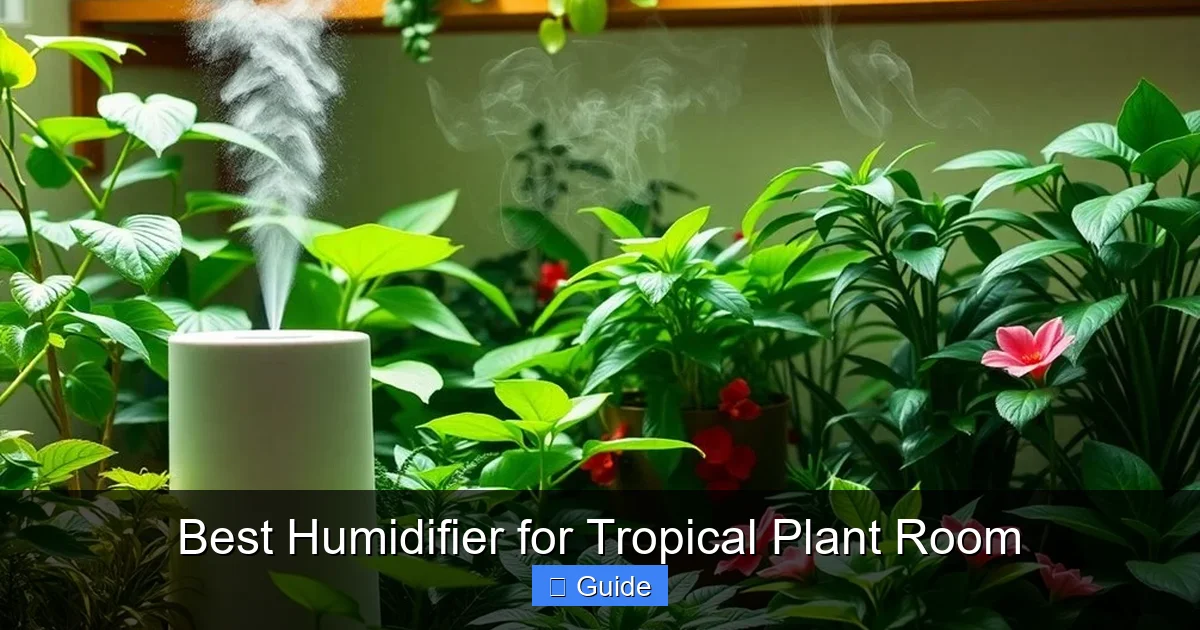
Best Humidifier for Tropical Plant Room
Finding the right humidifier transforms a tropical plant room into a thriving oasis. This guide covers why humidity matters, the main humidifier types, essential features, and our top model recommendations. Follow our placement and maintenance advice to keep your plants happy year‑round.
Creating a tropical plant room feels like bringing a slice of rainforest into your home. The lush leaves, vibrant colors, and fresh scent all depend on one invisible factor: humidity. Without enough moisture in the air, even the hardiest tropical species can develop crispy edges, brown tips, or stunted growth. A reliable humidifier solves that problem, but the market is crowded with options. This guide walks you through everything you need to know to pick the best humidifier for tropical plant room and keep it running smoothly.
We’ll start by explaining why humidity matters, then break down the main humidifier technologies. Next, we’ll highlight the features that matter most for plant lovers. After that, we’ll share our top model picks with honest pros and cons. Finally, we’ll cover placement, maintenance, and common mistakes so you can avoid headaches and enjoy a thriving green space.
Key Takeaways
- Humidity is critical: Tropical plants need 60‑80 % relative humidity for optimal growth.
- Choose the right type: Ultrasonic, evaporative, and steam humidifiers each have distinct pros and cons.
- Look for adjustable output: Variable mist settings let you match seasonal changes.
- Capacity matters: A 4‑6 L tank reduces refill frequency for larger rooms.
- Easy cleaning prevents mold: Removable tanks and antimicrobial materials simplify upkeep.
- Placement affects performance: Position the unit near plants but away from direct airflow.
- Monitor with a hygrometer: Accurate readings ensure you stay in the ideal range.
Quick Answers to Common Questions
What humidity level do tropical plants need?
Most tropical plants thrive at 60‑80 % relative humidity.
Which humidifier type is quietest?
Ultrasonic humidifiers are typically the quietest, often under 30 dB.
How often should I clean my humidifier?
Empty and rinse daily; deep‑clean with vinegar weekly.
Can I use tap water in an ultrasonic humidifier?
You can, but it may produce white dust; distilled water is recommended.
Do I need a humidistat?
Yes, a humidistat prevents over‑humidification and saves energy.
📑 Table of Contents
Why Humidity Matters for Tropical Plants
Natural Habitat Conditions
Tropical plants evolved in environments where the air stays moist year‑round. Rainforests typically maintain 70‑90 % relative humidity. When you bring these plants indoors, heating and air‑conditioning strip moisture from the air, often dropping humidity below 30 %. That gap stresses the plants.
Signs of Low Humidity
Watch for brown leaf tips, curling edges, and slowed new growth. Some species, like calathea and ferns, are especially sensitive. Others, such as pothos, tolerate drier air but still benefit from a boost. A hygrometer gives you a quick snapshot of the actual humidity level.
Benefits of Proper Humidity
Consistent moisture encourages larger leaves, brighter colors, and stronger root systems. It also reduces pest pressure because many insects thrive in dry conditions. In short, the right humidity level is a foundation for overall plant health.
Types of Humidifiers and How They Work
Ultrasonic Humidifiers
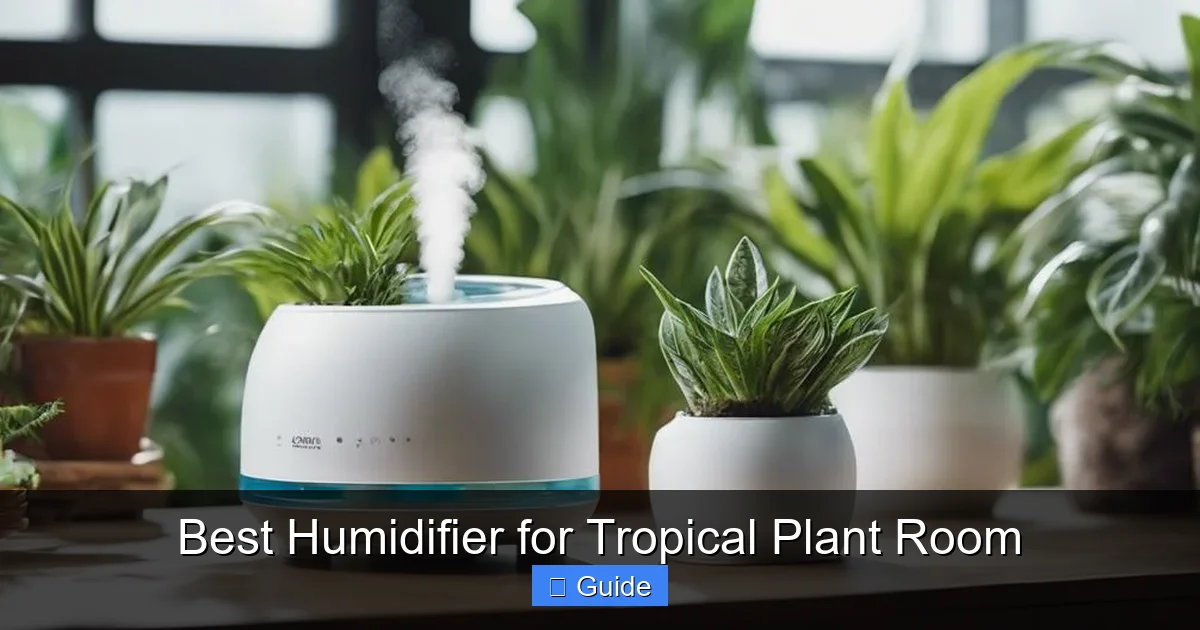
Ultrasonic units use a vibrating diaphragm to create a fine mist. They are quiet, energy‑efficient, and often come with a built‑in humidistat. However, they can disperse minerals from tap water as white dust unless you use distilled water or a demineralization cartridge.
Visual guide about Best Humidifier for Tropical Plant Room
Image source: soul-sanctuaries.com
Evaporative Humidifiers
Evaporative models blow air through a wet wick or filter. The air picks up moisture naturally, so there’s no white dust. They self‑regulate because evaporation slows as humidity rises. The downside is a slightly louder fan and the need to replace filters periodically.
Steam (Warm Mist) Humidifiers
Steam units boil water and release warm vapor. They kill most bacteria and mold in the water, making them a hygienic choice. They consume more electricity and can raise room temperature, which may be undesirable in summer.
Hybrid and Smart Models
Some newer devices combine ultrasonic mist with a fan for faster distribution. Smart humidifiers connect to Wi‑Fi, letting you set schedules and monitor humidity from your phone. These features are convenient but add cost.
Key Features to Look For
Adjustable Mist Output
Plants need different humidity levels across seasons. A unit with low, medium, and high settings lets you fine‑tune the output without guessing.
Tank Capacity
For a typical 10 × 12 ft plant room, a 4‑6 L tank runs 12‑24 hours on medium. Larger tanks mean fewer refills, which is handy if you travel or have a busy schedule.
Built‑In Humidistat
An automatic humidistat shuts the unit off when the target humidity is reached. This prevents over‑humidification, which can encourage mold on leaves and walls.
Easy Cleaning Design
Look for wide tank openings, dishwasher‑safe parts, and antimicrobial coatings. Regular cleaning every 3‑5 days keeps the mist clean and the unit running efficiently.
Noise Level
Since plant rooms are often in living spaces, a quiet unit (under 30 dB) is preferable. Ultrasonic models are usually the quietest.
Safety Features
Auto‑shutoff when the tank runs dry prevents overheating. Tip‑over protection is useful if you have pets or children.
Top Picks for a Tropical Plant Room
1. Levoit LV600HH Hybrid Ultrasonic Humidifier
This model offers both cool and warm mist, a 6 L tank, and a built‑in humidistat. The remote control and app connectivity let you adjust settings from anywhere. It runs quietly at 28 dB on low. The only drawback is the higher price point.
2. Honeywell HCM‑350 Germ‑Free Evaporative Humidifier
Honeywell’s evaporative unit uses a UV‑treated filter to kill up to 99.9 % of bacteria. The 3.8 L tank lasts up to 24 hours on low. It’s easy to clean, but the fan noise is noticeable on higher settings.
3. Vicks Warm Mist Humidifier V745A
A budget‑friendly steam option with a 1 L tank. It heats water quickly and includes a medicine cup for essential oils. The small tank means frequent refills, making it better for smaller plant corners.
4. TaoTronics TT‑AH024 Ultrasonic Humidifier
This 4 L ultrasonic model features a 360° rotating nozzle, a sleep mode, and a built‑in humidistat. It’s quiet and affordable, though the mist can leave a fine white residue if you use hard water.
Comparison Table (Quick Reference)
- Levoit LV600HH: Hybrid, 6 L, smart, quiet, premium price.
- Honeywell HCM‑350: Evaporative, 3.8 L, germ‑free filter, moderate noise.
- Vicks V745A: Warm mist, 1 L, low cost, high refill frequency.
- TaoTronics TT‑AH024: Ultrasonic, 4 L, rotating nozzle, budget.
Placement and Maintenance Tips
Optimal Positioning
Place the humidifier on a stable surface about 2‑3 feet from the plant canopy. Aim the mist toward the center of the room, not directly at leaves, to avoid water spots. Keep it away from drafts, heaters, and direct sunlight.
Using a Hygrometer
Put a digital hygrometer at plant height, ideally in the middle of the room. Check it daily for the first week after you set up the humidifier. Adjust the mist output until the reading stays in the 65‑75 % range.
Cleaning Routine
Empty the tank daily and rinse with clean water. Once a week, soak the tank and any removable parts in a 1:1 vinegar‑water solution for 30 minutes, then rinse thoroughly. Replace evaporative filters per the manufacturer’s schedule, usually every 1‑2 months.
Water Quality
Distilled or demineralized water reduces mineral buildup and white dust. If you must use tap water, choose an ultrasonic model with a demineralization cartridge or an evaporative unit that doesn’t produce dust.
Seasonal Adjustments
Winter heating dries the air, so you may need the highest setting. In summer, lower the output or turn the unit off if ambient humidity rises above 70 %.
Common Mistakes and Troubleshooting
Over‑Humidifying
Running the humidifier nonstop without a humidistat can push humidity above 80 %. This encourages fungal diseases like powdery mildew. Always use a humidistat or a timer.
Neglecting Cleaning
A dirty tank becomes a breeding ground for bacteria and mold, which then get aerosolized. If you notice a musty smell or slime, deep‑clean immediately.
Using the Wrong Water
Hard tap water in an ultrasonic unit leaves white dust on leaves and furniture. Switch to distilled water or a model with a built‑in filter.
Placing Too Close to Plants
Direct mist on foliage can cause water‑logged spots and leaf rot. Keep a short distance and let the mist disperse naturally.
Ignoring Room Size
A small 1 L unit won’t raise humidity in a 200 sq ft room. Match the humidifier’s rated coverage to your space.
Troubleshooting Low Output
If mist drops, check for clogged nozzles, a dirty filter, or low water level. Clean the nozzle with a soft brush and ensure the tank is seated correctly.
Choosing the best humidifier for tropical plant room is a blend of science and personal preference. By understanding your plants’ humidity needs, picking the right technology, and following a simple maintenance routine, you’ll create a stable microclimate that lets every leaf unfurl to its full potential. Happy growing!
Frequently Asked Questions
How do I know if my plant room is too dry?
Look for brown leaf tips, curling edges, and slowed growth. A hygrometer reading below 50 % confirms low humidity.
Can a humidifier cause mold on walls?
If humidity stays above 80 % for long periods, mold can develop. Use a humidistat and ventilate occasionally.
Is warm mist better than cool mist for plants?
Both work; warm mist can raise room temperature slightly, which may be unwanted in summer.
What size humidifier do I need for a 150 sq ft room?
A 4‑6 L tank with a coverage rating of at least 200 sq ft is ideal.
How long does a humidifier run on a full tank?
On medium setting, a 5 L tank typically runs 12‑18 hours.
Are smart humidifiers worth the extra cost?
If you like remote monitoring and scheduling, they add convenience; otherwise, a basic model with a humidistat works fine.