How to Care for Pothos in Summer
Summer brings unique challenges for pothos care including increased watering needs, intense sunlight, and higher temperatures. This guide covers everything you need to know about adjusting your care routine for the hottest months. Follow these tips and your pothos will stay lush and vibrant all summer long.
Key Takeaways
- Water more frequently: Check soil every 2-3 days and water when the top inch feels dry to the touch.
- Protect from direct sun: Move pothos away from south-facing windows to prevent leaf scorch and fading.
- Boost humidity: Use pebble trays, humidifiers, or regular misting to combat dry summer air.
- Fertilize monthly: Apply a balanced liquid fertilizer at half strength during active growth periods.
- Watch for pests: Inspect leaves weekly for spider mites, mealybugs, and scale which thrive in heat.
- Prune strategically: Trim leggy growth to encourage bushier plants and remove any yellowing leaves.
- Repot if needed: Summer is the ideal time to repot root-bound pothos into slightly larger containers.
Quick Answers to Common Questions
How often should I water pothos in summer?
Check soil every 2-3 days and water when the top inch feels dry. Small pots may need water every 2 days while large pots can go 5-7 days.
Can pothos take direct sunlight in summer?
No, direct summer sun will burn pothos leaves. Provide bright indirect light or filtered light through sheer curtains.
Should I fertilize pothos in summer?
Yes, fertilize monthly with a balanced liquid fertilizer at half strength during active summer growth.
Why are my pothos leaves turning yellow in summer?
Yellow leaves usually indicate overwatering, underwatering, too much direct sun, or nutrient deficiency. Check soil moisture first.
Can I put my pothos outside in summer?
Yes, but transition slowly over 2 weeks. Keep in full shade, never direct sun. Bring inside before nights drop below 50°F.
📑 Table of Contents
- Introduction
- Understanding Summer Growth Patterns
- Watering Your Pothos in Summer
- Light Requirements for Summer
- Humidity and Temperature Management
- Fertilizing for Summer Growth
- Pruning and Maintenance
- Pest Prevention and Treatment
- Repotting in Summer
- Special Summer Situations
- Variety-Specific Summer Care
- Troubleshooting Common Summer Problems
- Creating a Summer Care Routine
- Advanced Tips for Pothos Enthusiasts
- Conclusion
Introduction
Summer is here and your pothos is ready to grow. This popular houseplant loves warm weather. But the hottest months bring new challenges. You might notice your plant drying out faster. Leaves might look pale or crispy. Pests could show up uninvited. Don’t worry. With a few simple adjustments, your pothos will thrive all season long.
I have grown pothos for over fifteen years. I have made every mistake in the book. I have left them in scorching windows. I have forgotten to water for weeks. I have over-fertilized until the roots burned. Each mistake taught me something valuable. Now I want to share those lessons with you. This guide covers everything you need to know about how to care for pothos in summer. Let’s dive in.
Understanding Summer Growth Patterns
Why Pothos Grows Faster in Summer
Pothos is a tropical plant. It comes from the forests of French Polynesia. In its native habitat, warm temperatures and high humidity are constant. Summer mimics these conditions. Longer daylight hours trigger active growth. Your plant senses the season change. It responds by pushing out new leaves rapidly. You might see several inches of new vine each week.
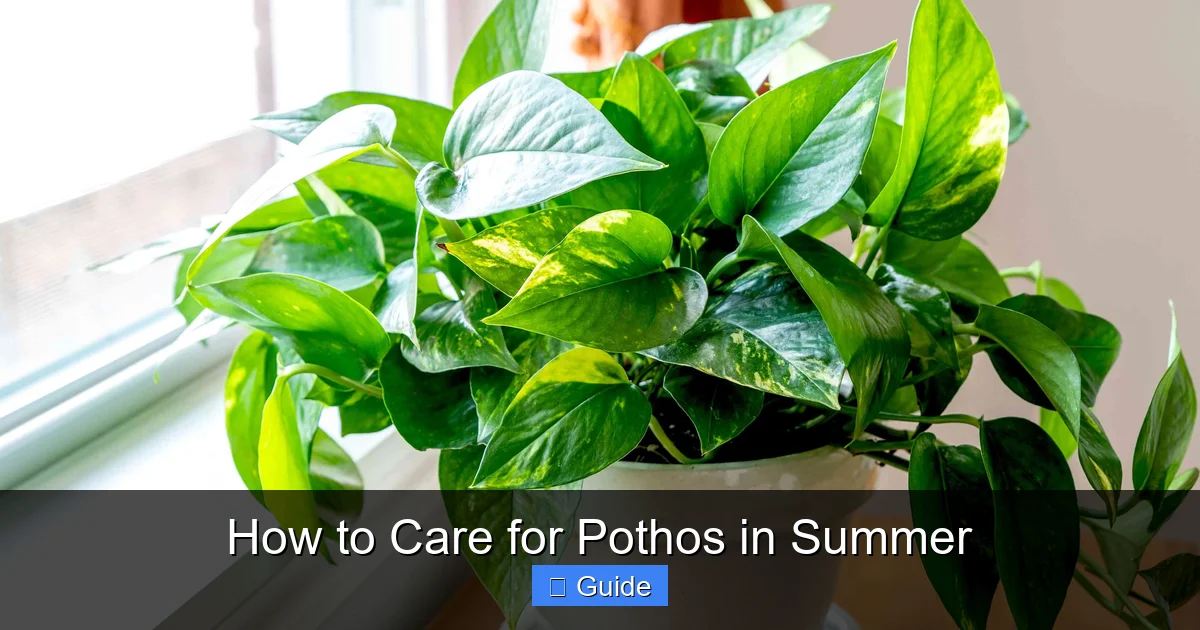
Visual guide about How to Care for Pothos in Summer
Image source: thespruce.com
This growth spurt demands more resources. The plant needs more water. It needs more nutrients. It needs more light energy. If you don’t adjust your care routine, the plant will struggle. Yellow leaves appear. Growth slows. The plant becomes vulnerable to pests. Understanding this cycle is the first step to success.
Signs Your Pothos Is Thriving
A happy summer pothos shows clear signs. New leaves unfurl regularly. They are large and vibrant. The color is deep green or boldly variegated. Vines grow long and strong. The plant looks full and lush. You might even see aerial roots forming along the stems. These roots help the plant climb in nature. They are a great sign of vigor.
Warning Signs of Summer Stress
Watch for these red flags. Crispy brown edges mean underwatering or low humidity. Pale, washed-out leaves indicate too much direct sun. Yellowing lower leaves often mean overwatering. Stunted new growth suggests nutrient deficiency. Webbing on leaves signals spider mites. Cottony white spots mean mealybugs. Catch these early and you can fix them fast.
Watering Your Pothos in Summer
How Often to Water
Summer heat dries soil quickly. Your watering schedule must change. In spring, you might water every seven to ten days. In summer, check every two to three days. Stick your finger into the soil. Go down about one inch. If it feels dry, water thoroughly. If it feels moist, wait another day. Never water on a fixed schedule. Always check the soil first.
Pot size matters. Small pots dry out in two days. Large pots hold moisture for a week. Terracotta pots breathe and dry faster. Plastic and glazed pots retain moisture longer. Hanging baskets dry out quickest of all. Adjust your checks based on your specific setup.
The Right Way to Water
Water deeply until liquid flows from drainage holes. This ensures the entire root ball gets moist. Shallow watering creates weak roots. They stay near the surface where soil dries fast. Deep roots are resilient roots. After watering, empty the saucer. Never let your pothos sit in standing water. That leads to root rot fast.
Use room temperature water. Cold water shocks tropical roots. If your tap water is heavily chlorinated, let it sit overnight. Better yet, use filtered or rainwater. Your pothos will thank you with glossier leaves.
Morning vs Evening Watering
Morning is best. Water early so leaves dry before night. Wet leaves overnight invite fungal diseases. Evening watering works if you avoid splashing foliage. Midday watering wastes water to evaporation. It can also scorch wet leaves in direct sun. Make morning watering a habit. Your plant will respond beautifully.
Vacation Watering Solutions
Going away for a week? You have options. Water thoroughly before you leave. Move the plant to a shadier spot. This reduces water needs. Use a self-watering spike. Fill a wine bottle with water. Insert the spike. It slowly releases moisture. Or try the bathtub method. Place pots on towels in a few inches of water. The soil wicks up what it needs. Group plants together. They create a humid microclimate. This buys you extra days.
Light Requirements for Summer
Finding the Sweet Spot
Pothos tolerates low light. But it thrives in bright indirect light. Summer sun is intense. Direct rays burn leaves fast. South and west windows become danger zones. Move plants back three to five feet. Or use sheer curtains to filter light. East windows offer gentle morning sun. That works well. North windows stay safe all day. Rotate your plant weekly. This ensures even growth on all sides.
Signs of Too Much Light
Bleached patches on leaves mean sunburn. They look white or pale yellow. The damage is permanent. Those leaves won’t recover. Trim them off. Move the plant immediately. Leaves curling inward also signal excessive light. The plant tries to reduce surface exposure. Listen to these signals. They are your plant talking to you.
Signs of Too Little Light
Leggy growth with long gaps between leaves. Small, pale new leaves. Variegation fading to solid green. The plant stretches toward any light source. Growth slows dramatically. If you see these signs, move to a brighter spot. Or add a grow light. LED grow lights work great. Run them twelve to fourteen hours daily. Your pothos will perk up within weeks.
Outdoor Summer Placement
Many people move pothos outside for summer. This can be great. But transition slowly. Start with full shade for one week. Then dappled shade for another week. Never place in direct sun. Morning sun only if absolutely necessary. Check daily for pests. Outdoor plants attract more bugs. Bring them inside before night temperatures drop below fifty degrees. Inspect thoroughly before bringing indoors.
Humidity and Temperature Management
Ideal Summer Conditions
Pothos loves humidity. Aim for fifty to seventy percent. Summer air conditioning strips moisture. Heating does too in winter. Your home might be thirty percent or lower. That stresses tropical plants. Leaves develop brown crispy tips. Growth slows. Spider mites thrive in dry air. Boosting humidity solves many problems at once.
Easy Humidity Hacks
Pebble trays are simple. Fill a tray with pebbles. Add water just below the stone tops. Set your pot on top. Evaporation creates a humidity bubble. Group plants together. They transpire moisture. This raises local humidity naturally. Mist leaves every morning. Use a fine spray bottle. Don’t soak the leaves. Just a light coating. Do this while you have your morning coffee. It becomes a nice ritual.
Humidifiers for Serious Growers
A humidifier is the gold standard. Cool mist models work best. Run it near your plants. Not directly on them. Aim for consistent humidity. A hygrometer helps you monitor. They cost ten dollars. Worth every penny. Your skin will thank you too. Dry summer air affects humans and plants alike.
Temperature Considerations
Pothos prefers sixty-five to eighty-five degrees. It tolerates brief periods outside this range. But prolonged heat above ninety degrees stresses the plant. Growth stops. Leaves wilt. Water needs skyrocket. Keep plants away from AC vents. Cold drafts cause leaf drop. Also avoid radiators and hot appliances. Stable temperatures make happy plants.
Fertilizing for Summer Growth
When and How Often to Feed
Summer is prime growing season. Your pothos is hungry. Fertilize once a month from June through August. Use a balanced liquid fertilizer. Look for equal NPK numbers like 10-10-10 or 20-20-20. Dilute to half the recommended strength. Full strength burns roots. Apply to moist soil only. Never fertilize dry soil. That damages roots instantly.
Choosing the Right Fertilizer
Liquid fertilizers act fast. They are easy to control. Granular slow-release works too. Sprinkle on soil surface. Water in well. It feeds for months. Organic options include fish emulsion and seaweed extract. They smell strong but work wonders. Worm castings tea is gentle and effective. Make your own by steeping castings in water overnight. Strain and use weekly at quarter strength.
Signs of Over-Fertilizing
White crust on soil surface. Brown leaf tips and edges. Stunted growth despite good care. Roots look brown and crispy when you check. If you see these, flush the soil. Run water through for several minutes. Let it drain completely. Repeat in a few days. Hold off on fertilizer for a month. The plant will recover.
Signs of Under-Fertilizing
Pale green or yellow new leaves. Very slow growth. Small leaf size. Long gaps between leaves on vines. Older leaves yellow and drop prematurely. If you see these, resume feeding. Start with quarter strength. Increase gradually. The plant will green up fast.
Pruning and Maintenance
Why Summer Pruning Matters
Summer growth gets wild fast. Vines reach six feet or more. The plant becomes leggy and sparse. Pruning encourages branching. Each cut stimulates two new growth points. This creates a fuller, bushier plant. It also removes damaged leaves. And it gives you cuttings for propagation. Win win win.
How to Prune Properly
Use clean sharp scissors. Wipe with alcohol first. Cut just above a leaf node. That’s the bump where leaves attach. New growth emerges from nodes. Cut at a forty-five degree angle. This prevents water pooling on the cut. Remove any yellow or brown leaves entirely. Trim vines back to desired length. Don’t remove more than one-third at once. That shocks the plant.
Propagation from Summer Cuttings
Those pruned pieces become new plants. Cut sections with two to three nodes. Remove the bottom leaf. Place in water. Change water weekly. Roots appear in two to three weeks. Pot up when roots are two inches long. Or skip water and plant directly in soil. Keep soil extra moist for two weeks. Summer heat speeds rooting. You’ll have gift-ready plants in a month.
Cleaning Leaves for Health
Dust blocks light. It clogs leaf pores. Wipe leaves monthly with a damp cloth. Support each leaf from underneath. Wipe gently from stem to tip. For large plants, shower them. Use lukewarm water. Let them drain thoroughly. Clean leaves photosynthesize better. They also look gorgeous. This is plant self-care at its finest.
Pest Prevention and Treatment
Common Summer Pests
Spider mites love hot dry conditions. They are tiny. You see webbing before you see them. Leaves develop stippled yellow dots. Mealybugs look like white cotton. They hide in leaf axils and stem joints. Scale appears as brown bumps on stems. They don’t move. Fungus gnats breed in wet soil. You see tiny flies around the plant. Aphids cluster on new growth. They are green, black, or white.
Weekly Inspection Routine
Check your plant every Sunday. Turn over leaves. Look at stems. Check soil surface. Use a flashlight. Pests hide in shadows. Early detection makes treatment easy. Late detection means a battle. Make it a habit. Takes two minutes. Saves hours of work later.
Natural Treatment Options
Neem oil works on everything. Mix per instructions. Spray every surface. Repeat weekly for three weeks. Insecticidal soap kills soft-bodied pests. Spray directly on bugs. It must contact them. Rubbing alcohol on a cotton swab removes mealybugs and scale. Dab each bug individually. Sticky traps catch fungus gnats. Yellow cards work best. Place on soil surface.
Preventing Future Infestations
Quarantine new plants for two weeks. Inspect before bringing home. Keep humidity up. Spider mites hate moisture. Don’t overwater. Fungus gnats love soggy soil. Clean leaves monthly. Dust attracts pests. Healthy plants resist bugs naturally. Strong growth outpaces damage.
Repotting in Summer
When to Repot
Summer is the best time to repot. The plant recovers fast. Roots grow quickly in warm soil. Signs you need to repot. Roots circling the pot bottom. Roots growing out drainage holes. Soil dries in one day. Plant topples easily. Growth has stalled despite good care. It’s been two years in the same pot.
Choosing the Right Pot
Go up one size only. Two inches larger in diameter. Too big holds excess water. That causes root rot. Drainage holes are non-negotiable. Terracotta breathes best. Plastic works fine. Glazed ceramic is pretty but heavy. Make sure you can lift it. You’ll move it for watering.
Best Soil Mix for Pothos
Well-draining is key. Mix two parts potting soil. One part perlite. One part orchid bark. This mimics forest floor conditions. Roots get air and moisture. Avoid garden soil. It compacts and suffocates roots. Avoid moisture-control mixes. They stay too wet. Your custom mix costs less and works better.
Step-by-Step Repotting
Water the plant day before. Moist soil holds the root ball. Gently remove from pot. Loosen circling roots. Trim any black mushy roots. Place soil in new pot. Position plant at same depth. Fill around sides. Tap pot to settle soil. Don’t pack it down. Water thoroughly. Place in shade for one week. No fertilizer for one month. Watch new growth take off.
Special Summer Situations
Heat Wave Emergency Care
Temperatures soar above ninety-five. Your pothos is in danger. Move to coolest room immediately. Bathroom often works. Increase watering checks to daily. Mist leaves morning and evening. Run humidifier constantly. Close blinds during peak heat. Use a fan for air circulation. Not directly on plant. Just gentle air movement. Skip fertilizer until heat breaks. The plant survives. It might drop a few leaves. That’s okay. It will bounce back.
Air Conditioning Challenges
AC blasts cold dry air. Vents create drafts. Plants near vents suffer. Leaves curl and brown. Move plants away from airflow. At least six feet from vents. Use a deflector if needed. Monitor humidity closely. AC removes massive moisture. You might need daily misting. A hygrometer near the plant tells the truth. Adjust accordingly.
Vacation Care for Two Weeks Plus
Long trips need planning. Water thoroughly before leaving. Move to low light area. This reduces water use drastically. Use self-watering spikes. Test them a week before. Make sure they work. Group plants in bathtub on wet towels. Cover with clear plastic tent. Leave slight opening for air. This creates a greenhouse. Works for three weeks. Or hire a plant sitter. Leave written instructions. Show them how to check soil. Video call to verify.
Dealing with Summer Storms
Thunderstorms bring humidity spikes. And power outages. No AC means heat buildup. Open windows for airflow. But watch for cold drafts. Heavy rain increases ambient humidity. Great for plants. But fungal diseases spread in stagnant wet air. Ensure good air circulation. A small fan helps. Remove any damaged leaves promptly. They become disease entry points.
Variety-Specific Summer Care
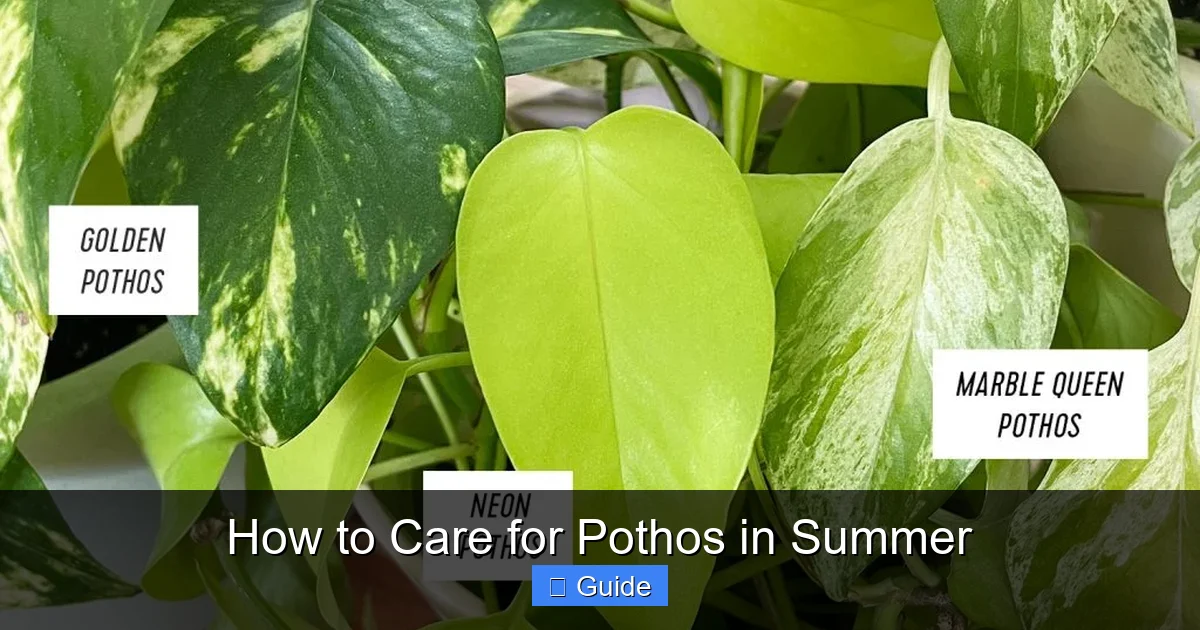
Golden Pothos
The classic variety. Most vigorous grower. Handles heat well. Variegation holds in bright light. Water generously. Fertilize regularly. Prune often to control size. This one forgives mistakes. Perfect for beginners.
Marble Queen and Snow Queen
High variegation means less chlorophyll. They grow slower. Need brighter light to maintain pattern. But burn easier in direct sun. Water slightly less. They rot faster. Fertilize at quarter strength. These are divas. Worth the extra attention.
Neon Pothos
Chartreuse leaves glow in shade. Color fades in low light. Needs bright indirect to stay neon. Handles heat beautifully. Water like golden pothos. Shows stress clearly. Leaves darken when thirsty. Great indicator plant.
Jade and Global Green
Solid green varieties. Most chlorophyll. Fastest growers. Most drought tolerant. Handle neglect best. Perfect for busy summers. Still appreciate good care though. They reward you with jungle vibes.
Manjula and Pearls and Jade
Patented varieties. Smaller leaves. Compact growth. Very slow in summer. Easy to overwater. Let dry extra between waterings. Bright light maintains variegation. Collectors love these. They stay manageable size.
Troubleshooting Common Summer Problems
Yellow Leaves
One yellow leaf is normal. Several means trouble. Check soil moisture first. Too wet? Let dry out. Too dry? Water deeply. Check for root rot. Smell the soil. Sour smell means rot. Unpot and inspect. Trim black roots. Repot in fresh soil. Check for pests. Spider mites cause yellow stippling. Treat accordingly.
Brown Crispy Tips
Classic low humidity sign. Also caused by fluoride in tap water. Or fertilizer burn. Or inconsistent watering. Trim brown tips with scissors. Cut at an angle. Looks natural. Fix the root cause. Increase humidity. Use filtered water. Reduce fertilizer. Water consistently.
Drooping Leaves
Usually underwatering. Water thoroughly. Perks up in hours. If soil is wet and leaves droop, it’s root rot. Roots can’t absorb water. Unpot immediately. Check roots. White firm roots are healthy. Brown mushy roots are dead. Trim rot. Repot in fresh dry soil. Don’t water for a week. Cross fingers.
Leggy Sparse Growth
Not enough light. Move to brighter spot. Prune back hard. New growth will be fuller. Rotate weekly. Consider grow light. Fertilize to support new growth. Patience. It fills in.
Sudden Leaf Drop
Temperature shock. Cold draft or hot blast. Check vent proximity. Move plant. Stabilize environment. Don’t overwater while leafless. Roots need less without leaves. New growth appears in weeks.
Creating a Summer Care Routine
Daily Quick Checks
Glance at your plant each morning. Notice anything different? Leaves perky? Soil moist? Any bugs visible? Takes ten seconds. Builds intuition. You catch problems instantly.
Weekly Deep Care
Every Sunday. Check soil moisture properly. Water if needed. Inspect leaves top and bottom. Check stems. Wipe dust if visible. Rotate plant. Check humidity reading. Adjust humidifier. Note growth changes. Take a photo. Track progress.
Monthly Maintenance
First of each month. Fertilize at half strength. Prune if needed. Clean leaves thoroughly. Check root health through drainage holes. Refresh pebble tray. Clean humidifier. Wash cache pots. Deep care prevents buildup of problems.
Seasonal Transitions
Late August. Start reducing fertilizer. By September, stop entirely. Water less as days shorten. Move to brighter light as sun angle lowers. Prepare for winter routine. Gradual changes prevent shock. Your plant barely notices.
Advanced Tips for Pothos Enthusiasts
Training and Support Structures
Pothos wants to climb. Give it a moss pole. Aerial roots attach. Leaves grow larger. Maturity happens faster. Or use a trellis. Or let it trail from a high shelf. Or train around a hoop. Get creative. Vertical growth changes the whole look.
Hydroponic Summer Growing
Water culture works great in summer. No soil to dry out. Roots visible for health checks. Change water weekly. Add hydroponic nutrients. Algae grows in clear containers. Use opaque or clean often. Transition soil plants slowly. Wash all soil off roots. Expect some shock. New water roots form fast.
Creating a Pothos Wall
Multiple plants on a grid. Trellis mounted on wall. Train vines horizontally. Fill gaps with new cuttings. Living art piece. High impact. Needs consistent watering. Drip irrigation helps. Worth the effort for the wow factor.
Companion Planting
Pothos plays nice with others. Pair with philodendrons. Same care needs. Different leaf shapes add interest. Ferns love the humidity pothos creates. Snake plants tolerate the same light. Create a jungle corner. Plants support each other’s microclimate.
Conclusion
Summer pothos care boils down to attention. Watch your plant. It tells you what it needs. Water when dry. Protect from harsh sun. Boost humidity. Feed monthly. Prune for shape. Check for pests. Repot if crowded. These simple habits create a thriving plant.
Remember my fifteen years of mistakes? They all came from not paying attention. I treated care like a checklist. Same watering day regardless. Same spot year-round. Same fertilizer schedule. Plants don’t work that way. They respond to their environment. Your job is to notice and adjust.
Start tomorrow. Check your pothos. Really look at it. Feel the soil. Check the leaves. Move it if needed. Water if dry. Mist the leaves. Say hello. That connection makes you a better plant parent. And it makes summer gardening joyful instead of stressful.
Your pothos wants to grow. It wants to climb and trail and fill your space with green. Give it what it needs this summer. You’ll be rewarded with the lushest plant on the block. Happy growing.
Frequently Asked Questions
What temperature is too hot for pothos?
Pothos prefers temperatures between 65-85°F. Prolonged exposure above 90°F causes heat stress, wilting, and slowed growth. Move to a cooler location during heat waves.
How do I increase humidity for pothos in summer?
Use a pebble tray with water, group plants together, mist leaves daily, or run a humidifier. Aim for 50-70% humidity for optimal growth.
Why are my pothos leaves curling in summer?
Leaf curling typically indicates underwatering, low humidity, too much direct light, or pest infestation. Check soil moisture and inspect for spider mites.
Can I propagate pothos in summer?
Summer is the best time to propagate pothos. Warm temperatures and long days encourage rapid rooting. Cuttings root in water or soil within 2-3 weeks.
Should I mist my pothos in summer?
Yes, light morning misting helps increase humidity. Avoid soaking leaves or misting at night, as wet foliage overnight promotes fungal diseases.
When should I repot my pothos in summer?
Repot when roots circle the pot, grow from drainage holes, or soil dries within a day. Early summer is ideal as the plant recovers quickly in warm conditions.