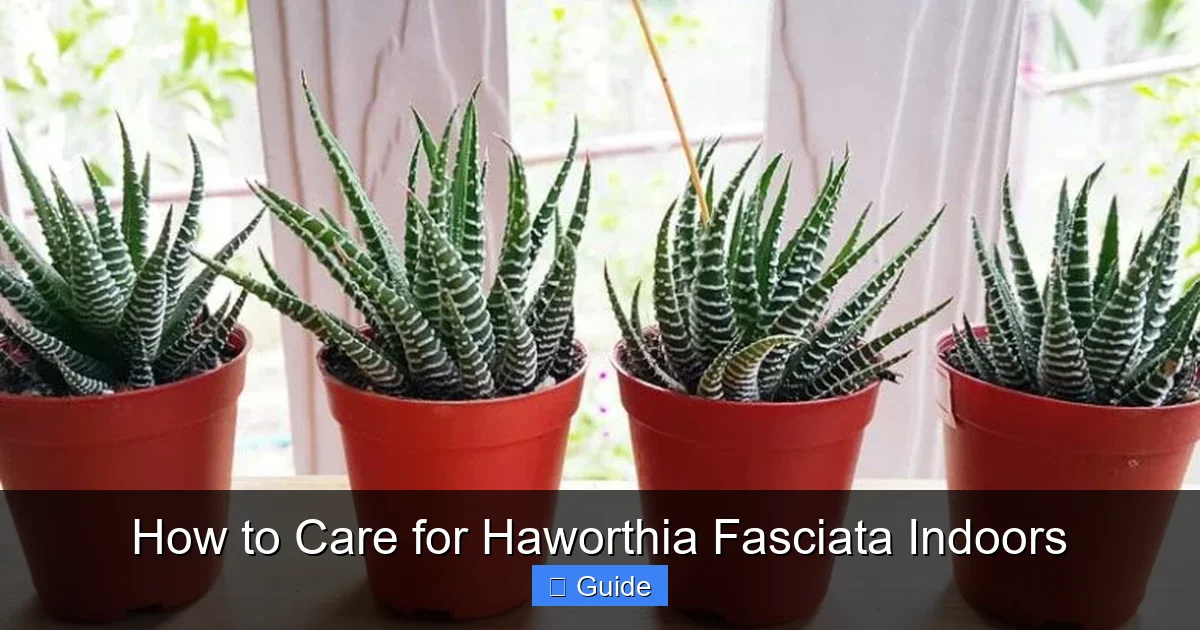
How to Care for Haworthia Fasciata Indoors
Haworthia fasciata, commonly called the zebra plant, is a low-maintenance succulent perfect for indoor growing. This guide covers everything you need to know about how to care for Haworthia fasciata indoors, from ideal lighting and watering schedules to soil mixes, propagation methods, and troubleshooting common problems.
Key Takeaways
- Bright indirect light is best: Place your plant near an east or west-facing window for 4-6 hours of filtered sun daily.
- Water deeply but infrequently: Allow the soil to dry completely between waterings, typically every 2-3 weeks.
- Use fast-draining succulent soil: A gritty mix with perlite, pumice, or coarse sand prevents root rot.
- Keep temperatures between 60-85°F: Protect from frost and avoid cold drafts near windows in winter.
- Propagate easily from offsets: Separate pups from the mother plant once they develop their own roots.
- Watch for mealybugs and rot: Inspect regularly and treat pests early with neem oil or insecticidal soap.
- Repot every 2-3 years: Refresh soil in spring using a pot only slightly larger than the root ball.
Quick Answers to Common Questions
How often should I water my Haworthia fasciata?
Water every 2-3 weeks during spring and fall, less in summer and winter. Always wait until the soil is completely dry before watering again.
Can Haworthia fasciata survive in low light?
It tolerates lower light better than most succulents but will stretch and lose color. Bright indirect light is best for compact, healthy growth.
Why are my Haworthia leaves turning brown and mushy?
This indicates overwatering and root rot. Remove the plant, trim rotten roots, let it dry for several days, and repot in fresh dry soil.
How do I propagate Haworthia fasciata?
The easiest method is separating offsets (pups) from the mother plant once they have their own roots. Let them callous, then pot in succulent mix.
Does Haworthia fasciata need fertilizer?
Only lightly. Use a balanced fertilizer at 1/4 strength once a month during spring and fall growth periods. Skip summer and winter.
📑 Table of Contents
Getting to Know Your Haworthia Fasciata
If you are looking for a charming, low-maintenance succulent that adds instant character to any windowsill, Haworthia fasciata might just be your new favorite plant. Often called the zebra plant thanks to its striking white horizontal stripes on deep green leaves, this little beauty hails from South Africa. It belongs to the Asphodelaceae family and stays compact, usually reaching only 4 to 8 inches tall. That small stature makes it perfect for desks, shelves, and tight spaces where larger plants simply will not fit.
Unlike many succulents that demand full, blazing sun, Haworthia fasciata evolved growing tucked under rocks and shrubs in its native habitat. This means it tolerates lower light conditions better than most of its fleshy-leaved cousins. It also grows slowly, so you will not find yourself constantly repotting or pruning. The plant forms tight rosettes of thick, pointed leaves that store water, helping it survive periods of neglect. Those signature white tubercles — the raised bumps that create the zebra pattern — are not just decorative. They help reflect excess light and reduce water loss in harsh environments.
One thing to note: Haworthia fasciata is often confused with its close relative, Haworthia attenuata. The main difference? Haworthia fasciata has smoother inner leaf surfaces, while attenuata shows white bumps on both sides of the leaves. Both have nearly identical care needs, so whichever you bring home, this guide will serve you well. Now, let us dive into the specifics of how to care for Haworthia fasciata indoors so your zebra plant thrives for years to come.
Finding the Perfect Light Spot
Why Light Matters for Zebra Plants
Light is the single most important factor when learning how to care for Haworthia fasciata indoors. Get this right, and the rest becomes much easier. These plants want bright, indirect light. Think of the dappled shade they receive in nature — protected from harsh midday sun but still bathed in plenty of brightness. An east-facing window is ideal, offering gentle morning sun. A west-facing window works too, provided you diffuse the intense afternoon rays with a sheer curtain. South-facing windows can work in winter but often prove too strong in summer unless the plant sits a few feet back.
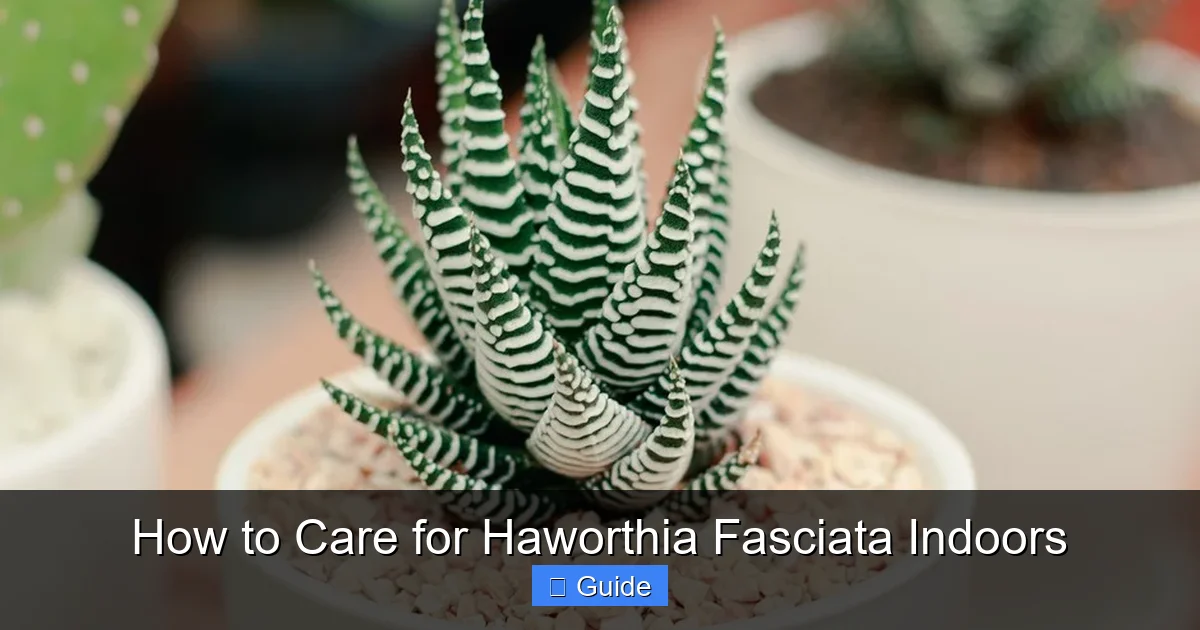
Visual guide about How to Care for Haworthia Fasciata Indoors
Image source: images.immediate.co.uk
Signs Your Plant Needs More or Less Light
Your Haworthia will tell you if the lighting is off. Too little light causes etiolation — the plant stretches toward the light source, leaving large gaps between leaves and losing its compact rosette shape. The vibrant green may fade to a pale, washed-out hue. On the flip side, too much direct sun, especially during peak hours, leads to sunburn. You will see brown, white, or translucent patches on the leaves, often starting at the tips. Those damaged areas never recover, though new growth will emerge healthy if you adjust the light.
Seasonal Light Adjustments
As seasons change, so does the quality and duration of natural light. In winter, when days are shorter and the sun sits lower, you may need to move your plant closer to the window or supplement with a grow light. A simple LED grow bulb on a timer for 12-14 hours a day works wonders. In summer, watch for heat buildup near glass. Even indirect light can become intense when amplified through a window. Rotate your pot a quarter turn each week to encourage even growth and prevent leaning.
Artificial Light Options
If your home lacks suitable windows, do not worry. Haworthia fasciata adapts well to artificial lighting. Choose a full-spectrum LED grow light with a color temperature around 5000K to 6500K. Position it 6 to 12 inches above the plant and run it for 12 to 14 hours daily. Avoid incandescent bulbs — they run too hot and lack the blue spectrum plants need for compact growth. Many desk lamps now come with built-in grow lights, making it easy to keep a zebra plant happy on an office cubicle shelf.
Mastering the Art of Watering
The Soak-and-Dry Method
Watering is where most beginners go wrong when figuring out how to care for Haworthia fasciata indoors. The golden rule? Water deeply, then wait until the soil is completely dry before watering again. This mimics the natural cycle of desert downpours followed by long dry spells. When you water, pour slowly until water flows from the drainage holes. Let the pot drain fully — never let it sit in a saucer of water. Then, hands off until the soil is bone dry, not just on top but all the way through.
How Often to Water
There is no fixed schedule because frequency depends on light, temperature, humidity, pot size, and soil mix. In general, expect to water every 2 to 3 weeks during the active growing season (spring and fall). In summer heat, the plant may enter a brief dormancy and need even less water — perhaps once a month. Winter calls for minimal watering, just enough to keep leaves from shriveling, maybe every 3 to 4 weeks. Always check the soil first. Stick a wooden chopstick or moisture meter deep into the pot. If it comes out clean and dry, it is time to water.
Water Quality Matters
Tap water often contains chlorine, fluoride, and dissolved minerals that can build up in the soil over time, causing leaf tip burn. If possible, use rainwater, distilled water, or filtered water. If you must use tap water, let it sit out overnight to allow chlorine to dissipate. Avoid softened water — the sodium content is toxic to succulents. Room temperature water is best; cold water can shock the roots.
Common Watering Mistakes
The biggest mistake? Watering on a calendar schedule regardless of soil moisture. The second? Misting the leaves. Haworthia fasciata does not absorb water through its leaves, and trapped moisture in the crown invites rot. Water the soil, not the plant. Another error is using pots without drainage holes. No amount of careful watering can compensate for standing water at the bottom. If you love a decorative cachepot, keep your plant in a nursery pot with drainage and slip that into the pretty outer pot.
Choosing the Right Soil and Pot
Fast-Draining Soil Is Non-Negotiable
Standard potting soil holds too much moisture for Haworthia fasciata. You need a gritty, porous mix that dries within a day or two. The easiest route is a commercial cactus and succulent mix amended with extra perlite or pumice — aim for a 1:1 ratio of soil to inorganic grit. Better yet, make your own blend: 2 parts coarse sand or poultry grit, 1 part perlite or pumice, and 1 part organic matter like coconut coir or composted pine bark. Avoid peat-heavy mixes; they become hydrophobic when dry and repel water.
Pot Selection and Drainage
Terra cotta pots are the gold standard for succulents. Their porous walls wick moisture away from the roots, speeding up drying time and reducing rot risk. Plastic and glazed ceramic pots work fine too, provided they have ample drainage holes. Shallow pots suit Haworthia’s shallow root system better than deep ones. When repotting, choose a container only 1 inch wider than the current root ball. Too much extra soil stays wet too long, creating a soggy zone the roots cannot reach.
Repotting Step by Step
Repot in spring every 2 to 3 years, or when the plant outgrows its pot. Gently remove the plant, brush off old soil, and inspect roots. Trim any black, mushy, or dead roots with sterilized scissors. Let the plant sit bare-root for a day in a shaded spot to allow any cut surfaces to callous over. This prevents pathogens from entering. Place a mesh screen or coffee filter over the drainage hole, add a layer of fresh soil, position the plant, and backfill. Do not water for 5 to 7 days after repotting to let damaged roots heal.
Top Dressing for Looks and Function
A layer of decorative gravel, crushed granite, or small pebbles on the soil surface does more than look pretty. It keeps the plant’s base dry, prevents soil splash during watering, discourages fungus gnats, and helps weigh down lightweight pots. Just ensure the top dressing does not trap moisture against the stem. Leave a small gap around the base for airflow.
Temperature, Humidity, and Airflow
Ideal Temperature Range
Haworthia fasciata thrives in typical household temperatures between 60°F and 85°F (15°C to 29°C). It can tolerate brief dips to 50°F (10°C) but suffers damage below 40°F (4°C). Frost is fatal. In summer, the plant handles heat well if given good airflow and some shade during peak hours. Avoid placing it near heating vents, radiators, or air conditioning units — sudden temperature swings stress the plant.
Humidity Preferences
Average home humidity (30% to 50%) is perfect. Haworthia does not need extra humidity. In fact, high humidity combined with poor airflow encourages fungal issues. If you run a humidifier for other tropical plants, keep your zebra plant in a separate, drier area. Bathrooms and kitchens tend to be too humid unless very well-ventilated.
The Importance of Air Circulation
Good airflow is an often overlooked aspect of how to care for Haworthia fasciata indoors. Stagnant air allows moisture to linger on leaves and soil surface, inviting rot and pests. A small desk fan on low, running a few hours daily, works wonders. Space plants apart so leaves do not touch. Open windows when weather permits. This simple habit prevents many problems before they start.
Seasonal Dormancy
Haworthia fasciata has two main growth spurts: spring and fall. It often slows or pauses growth during the hottest summer weeks and the coldest, darkest winter months. This is normal. During these rest periods, reduce watering and hold off on fertilizer. Do not panic if growth seems to stall — the plant is conserving energy. Resume normal care when you see fresh growth emerging from the center.
Troubleshooting Common Issues
Overwatering and Root Rot
This is the number one killer. Symptoms include mushy, translucent leaves that fall off easily, a blackened base, and a foul smell from the soil. If caught early, you can save the plant. Unpot it, rinse roots, trim all rotten parts, dust cuts with cinnamon or sulfur powder, let dry for several days, then repot in fresh, dry soil. Do not water for a week. Going forward, water less often and ensure faster drainage.
Underwatering Signs
Less common but possible. Leaves become thin, wrinkled, and curl inward. The plant looks deflated. The fix is simple: give a thorough soak. The leaves should plump up within a day or two. Chronic underwatering leads to stunted growth and leaf loss from the bottom up.
Sunburn and Light Stress
Brown, white, or bleached patches on the upper leaf surfaces indicate too much direct sun. Move the plant to a shadier spot immediately. Damaged leaves will not heal, but you can trim them off at the base if they become unsightly. Gradually acclimate the plant to brighter light over 2 to 3 weeks if you want to increase its exposure.
Etiolation (Stretching)
Long gaps between leaves, pale color, and a leaning posture mean insufficient light. Move to a brighter location or add a grow light. You cannot reverse stretching on existing growth, but new growth will be compact. If the plant becomes too leggy, you can behead it — cut the rosette off with a clean knife, let it callous, and root it as a cutting. The remaining base often produces new offsets.
Pests: Mealybugs, Spider Mites, and Scale
Mealybugs are the most frequent pest. They look like tiny cottony masses in leaf axils and roots. Spider mites cause fine webbing and stippled leaves, usually in hot, dry conditions. Scale appears as small brown bumps on leaves. Treat all three with neem oil, insecticidal soap, or 70% isopropyl alcohol applied with a cotton swab. Repeat weekly for 3 to 4 weeks. Isolate infected plants immediately.
Fungal and Bacterial Issues
Black spots with yellow halos, soft rot at the base, or fuzzy mold indicate fungal or bacterial infection. Usually caused by excess moisture and poor airflow. Remove affected tissue, improve ventilation, and apply a copper-based fungicide if severe. Prevention through proper watering and airflow is far easier than cure.
Propagation and Long-Term Care
Offsets: The Easiest Method
Mature Haworthia fasciata produces offsets (pups) around its base. This is the most reliable propagation method. Wait until the offset is at least one-third the size of the mother plant and has its own roots. Gently brush away soil to expose the connection. Using a clean, sharp knife, sever the offset, ensuring it retains some roots. Let both the offset and mother plant callous for 2 to 3 days in bright shade. Pot the offset in slightly moist succulent mix. Do not water for a week, then begin normal care.
Leaf Cuttings: Possible but Slower
You can propagate from individual leaves, but success rates are lower and the process takes months. Choose a plump, healthy leaf. Twist it off cleanly at the base — a clean break is essential. Let the leaf callous for 3 to 5 days. Lay it on top of barely moist succulent soil. Mist lightly every few days. Roots and a tiny rosette may form at the base in 6 to 12 weeks. Once the new plant is established, pot it up.
Seed Propagation: For the Patient
Growing from seed is rewarding but slow. Fresh seeds germinate best. Sow on the surface of a sterile, fine-textured succulent mix. Cover with a clear lid or plastic wrap to maintain humidity. Keep at 70°F to 75°F (21°C to 24°C) in bright indirect light. Germination takes 2 to 6 weeks. Seedlings stay tiny for months. Transplant to individual pots after they develop several true leaves. This method is mostly for enthusiasts wanting to create hybrids or grow large numbers.
Fertilizing: Less Is More
Haworthia fasciata is a light feeder. Fertilize only during active growth (spring and fall) using a balanced, water-soluble fertilizer diluted to one-quarter strength. A cactus-specific fertilizer works well. Apply once a month at most. Never fertilize a dry plant — water first, then fertilize. Skip fertilizer entirely in summer dormancy and winter. Over-fertilizing causes weak, stretched growth and salt buildup.
Grooming and Maintenance
Remove dead, dried leaves from the base by gently tugging or snipping with clean scissors. This improves airflow and aesthetics. Wipe leaves occasionally with a damp cloth to remove dust — clean leaves photosynthesize better. Check the plant weekly for early signs of pests or problems. A little attention goes a long way.
Vacation Care
Going away for a week or two? Your Haworthia will be fine without water. Water thoroughly before you leave, move it to a slightly shadier spot to reduce water use, and skip the fertilizer. For longer trips, ask a friend to check once a month — but emphasize: only water if the soil is completely dry. Better to return to a slightly thirsty plant than a rotted one.
Conclusion
Learning how to care for Haworthia fasciata indoors really comes down to understanding its natural preferences: bright indirect light, infrequent deep watering, gritty well-draining soil, and good airflow. Once you nail these basics, this little zebra plant asks for very little and gives back so much — year-round architectural beauty, fascinating textures, and the quiet satisfaction of keeping a living thing thriving. Whether you are a seasoned succulent collector or a total beginner, Haworthia fasciata earns its spot on your windowsill. Start with one, master its care, and do not be surprised if you soon find yourself making room for a whole colony of these striped charmers. Happy growing!
Frequently Asked Questions
Is Haworthia fasciata toxic to pets?
Haworthia fasciata is generally considered non-toxic to cats and dogs. However, ingestion may still cause mild gastrointestinal upset, so it is best to keep plants out of reach of curious pets.
Why is my Haworthia fasciata flowering?
Flowering is a sign of a mature, healthy plant. Haworthia produces tall, thin flower stalks with small white blooms, usually in summer. You can leave the stalk or cut it off at the base if you prefer.
Can I grow Haworthia fasciata outdoors?
Yes, in USDA zones 9-11 it can grow outdoors year-round in partial shade. In cooler zones, move it outside in summer but bring it in before temperatures drop below 50°F (10°C).
What is the difference between Haworthia fasciata and Haworthia attenuata?
Haworthia fasciata has smooth inner leaf surfaces with white tubercles only on the outer side. Haworthia attenuata has tubercles on both inner and outer leaf surfaces. Care requirements are identical.
Should I mist my Haworthia fasciata?
No. Misting does not benefit Haworthia and can promote rot by trapping moisture in the leaf crown. Water the soil directly using the soak-and-dry method instead.
How long does Haworthia fasciata live?
With proper care, Haworthia fasciata can live for decades. The mother plant slowly produces offsets, creating a colony that continues even as individual rosettes age and eventually die back.