Why Is My Mint Dying
Mint dies for a few common reasons: overwatering, poor drainage, pests, disease, and insufficient light. Quick checks on soil moisture, pot size, and leaf color can pinpoint the problem fast. Corrective steps like adjusting watering, improving airflow, and feeding lightly bring most mint back to vigorous growth.
If you have ever asked yourself why is my mint dying, you are not alone. Mint is a favorite herb for teas, cocktails, and cooking, yet it can be surprisingly finicky. The good news is that most mint problems have clear causes and simple fixes. In this guide we walk through the most common reasons mint declines and give you step‑by‑step solutions to bring it back to life.
We’ll cover watering habits, soil and container choices, light requirements, pest and disease management, feeding, and when to repot or divide. By the end you’ll have a practical checklist you can run through each time your mint looks sad. Let’s get started.
Key Takeaways
- Water wisely: Keep soil evenly moist, not soggy; let the top inch dry between waterings.
- Ensure drainage: Use pots with holes and a well‑draining mix to prevent root rot.
- Give enough light: Mint needs 4‑6 hours of bright, indirect sun daily.
- Watch for pests: Aphids, spider mites, and whiteflies love mint; treat early with neem oil or insecticidal soap.
- Prevent disease: Avoid overhead watering, space plants for airflow, and remove infected leaves promptly.
- Feed lightly: A balanced liquid fertilizer once a month during the growing season is enough.
- Repot when needed: Mint spreads fast; move to a larger container or divide every year to avoid crowding.
Quick Answers to Common Questions
Why does my mint turn yellow?
Yellow leaves usually mean overwatering or poor drainage causing root rot. Check soil moisture and ensure the pot drains well.
Can mint survive indoors year‑round?
Yes, mint grows well indoors with 4‑6 hours of bright indirect light and consistent moisture. Supplemental grow lights help in winter.
How often should I water mint in summer?
Water when the top inch of soil feels dry, typically every 1‑2 days in hot weather. Always water until it drains from the bottom.
What is the best way to get rid of aphids on mint?
Spray the plant with a strong jet of water, then apply neem oil or insecticidal soap covering all leaf surfaces. Repeat weekly until gone.
Should I let mint flower?
Pinch off flower spikes to keep the plant focused on leaf growth. Flowering can make leaves bitter and reduces vigor.
📑 Table of Contents
1. Watering Mistakes That Kill Mint
Overwatering vs. Underwatering
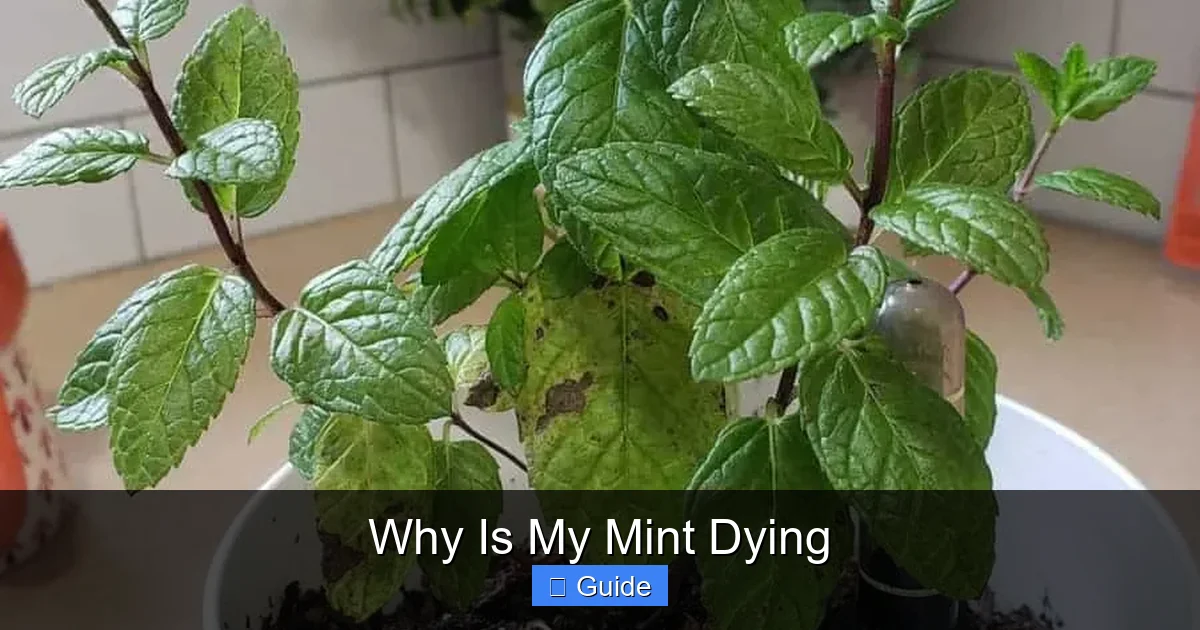
Mint likes consistently moist soil, but it hates standing water. Overwatering is the number one reason mint roots rot. When the soil stays soggy, oxygen cannot reach the roots and they suffocate. Signs include yellowing leaves, a mushy stem base, and a foul smell from the pot. Underwatering shows as crisp, curled leaves that feel dry to the touch. The sweet spot is soil that feels damp an inch below the surface.
How to Test Moisture
Stick your finger into the soil up to the first knuckle. If it feels dry, water thoroughly until excess drains out the bottom. If it feels wet, wait a day and test again. A moisture meter can help if you prefer a gadget. Consistency beats a strict schedule because temperature and humidity change daily.
Fixing a Waterlogged Pot
If you suspect root rot, gently remove the plant, shake off excess soil, and trim any black, mushy roots with clean scissors. Repot in fresh, well‑draining mix and a container with drainage holes. Water lightly after repotting and keep the plant in bright, indirect light while it recovers.
2. Soil, Drainage, and Container Choices
Ideal Potting Mix
Mint thrives in a light, airy mix that holds moisture but drains quickly. A blend of equal parts peat moss or coconut coir, perlite, and compost works well. Avoid heavy garden soil; it compacts and holds too much water. Adding a handful of coarse sand improves drainage further.
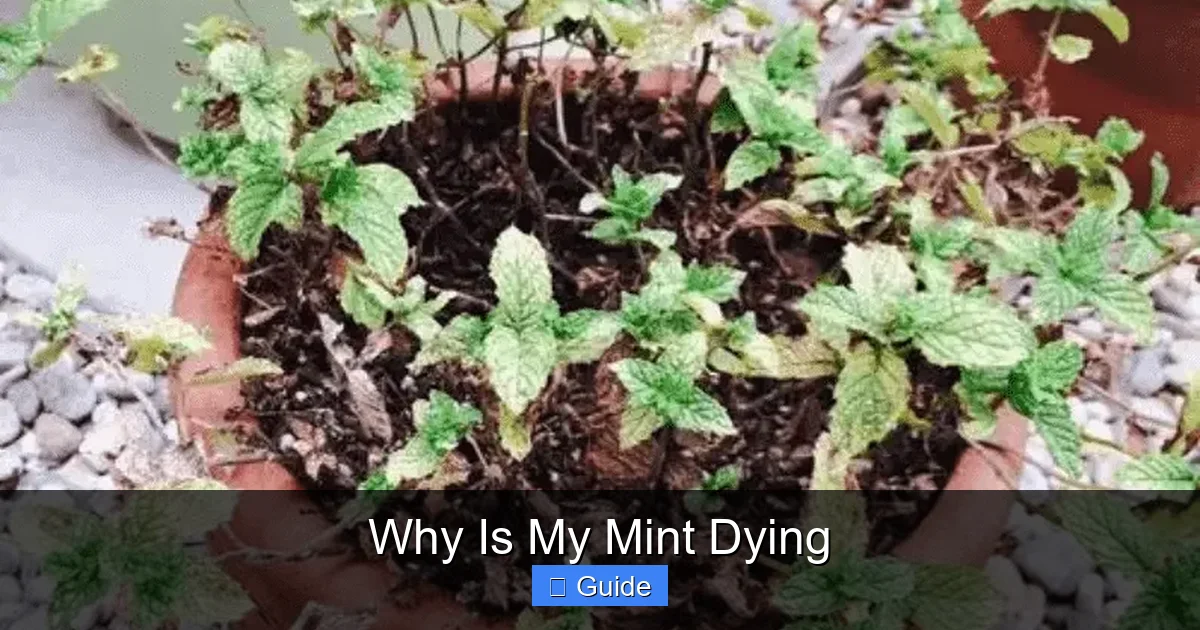
Visual guide about Why Is My Mint Dying
Image source: easiergardening.com
Pot Size and Material
Choose a pot at least 12 inches wide for a single mint plant. Mint spreads via underground runners, so a wider container gives room to grow. Terracotta pots breathe and wick excess moisture, while plastic retains water longer. If you use plastic, add extra perlite to the mix.
Drainage Holes Are Non‑Negotiable
Every pot must have holes at the bottom. If your decorative cache pot lacks holes, keep the mint in a nursery pot inside the cache pot and empty any collected water after each watering. Standing water is a fast track to root rot.
3. Light Requirements for Healthy Mint
How Much Sun Does Mint Need?
Mint prefers 4 to 6 hours of bright, indirect sunlight each day. Direct afternoon sun in hot climates can scorch leaves, causing brown edges. Too little light leads to leggy, pale growth and weak flavor. A south‑facing window with a sheer curtain works well indoors. Outdoors, a spot with morning sun and afternoon shade is ideal.
Signs of Light Stress
If leaves turn pale green or yellow and stems stretch toward the light, the plant is light‑starved. If leaf tips turn brown and crispy, the plant may be getting too much intense sun. Adjust the location gradually; sudden moves can shock the plant.
Supplemental Lighting
During short winter days, a full‑spectrum LED grow light placed 12‑18 inches above the foliage for 12‑14 hours a day keeps mint vigorous. Choose a light with a color temperature around 6500K for best results.
4. Pests and Diseases That Attack Mint
Common Insect Pests
Aphids cluster on new growth, sucking sap and leaving sticky honeydew. Spider mites create fine webbing and cause speckled, bronze leaves. Whiteflies flutter up when the plant is disturbed. Inspect the undersides of leaves weekly. Early detection makes control easy.
Organic Control Methods
Spray a strong jet of water to dislodge aphids and mites. Follow with neem oil or insecticidal soap applied according to label directions, covering both leaf surfaces. Repeat every 7‑10 days until pests disappear. Introduce beneficial insects like ladybugs if you have an outdoor garden.
Fungal Diseases
Powdery mildew appears as white, powdery spots on leaves, especially in humid, crowded conditions. Downy mildew shows yellow patches on top and gray fuzz underneath. Prevent both by watering at the base, spacing plants for airflow, and removing infected leaves immediately. A copper‑based fungicide can be used as a last resort.
5. Feeding Mint the Right Way
Do You Need Fertilizer?
Mint is a light feeder. Too much nitrogen produces lush foliage but weak flavor and makes the plant more attractive to pests. A balanced liquid fertilizer (10‑10‑10) diluted to half strength applied once a month during spring and summer is sufficient. Stop feeding in fall and winter when growth slows.
Organic Alternatives
Compost tea, worm castings, or a slow‑release organic granular fertilizer worked into the top inch of soil provide gentle nutrition. These options improve soil biology and reduce the risk of fertilizer burn.
Signs of Over‑ or Under‑Feeding
Dark green, overly large leaves with weak stems indicate excess nitrogen. Pale, small leaves and slow growth suggest a nutrient deficit. Adjust feeding accordingly and always water before applying fertilizer to protect roots.
6. Repotting, Dividing, and Long‑Term Care
When to Repot
Mint becomes root‑bound quickly. If roots circle the pot’s interior or emerge from drainage holes, it’s time to move up one pot size. Spring is the best season for repotting because the plant is entering active growth.
Dividing Overgrown Mint
Every year, lift the plant, shake off soil, and separate the root mass into several sections, each with healthy roots and shoots. Replant each division in its own pot. This prevents overcrowding, improves airflow, and gives you extra plants to share.
Seasonal Maintenance Checklist
- Check soil moisture daily in hot weather.
- Inspect leaves for pests each week.
- Trim flower spikes to keep energy in leaf production.
- Rotate the pot weekly for even light exposure.
- Refresh top inch of soil with compost each spring.
By following these steps you can diagnose the problem quickly and apply the right fix. Most mint revivals happen within a couple of weeks once the stressor is removed. Keep a simple care log noting watering dates, fertilizer applications, and any pest sightings. Over time you’ll learn the exact rhythm your mint prefers, and the question why is my mint dying will become a thing of the past.
Conclusion
Mint is a resilient herb when its basic needs are met. Consistent moisture, good drainage, adequate light, pest vigilance, light feeding, and timely repotting form the foundation of a thriving mint plant. Use the checklist above each season, and you’ll enjoy fresh, aromatic leaves for teas, mojitos, and culinary creations all year long. Happy growing!
Frequently Asked Questions
Why is my mint dying even though I water it regularly?
Regular watering can become overwatering if the soil does not dry slightly between sessions. Ensure the pot has drainage holes and the mix is well‑draining. Let the top inch of soil dry before the next watering.
What type of soil is best for mint in containers?
A light, airy mix of peat or coconut coir, perlite, and compost in equal parts provides moisture retention with excellent drainage. Avoid heavy garden soil.
How much sunlight does mint need each day?
Mint thrives with 4 to 6 hours of bright, indirect sunlight. Morning sun with afternoon shade is ideal, especially in hot climates.
Can I use coffee grounds as fertilizer for mint?
Coffee grounds add organic matter but are acidic and high in nitrogen. Use sparingly, mixed into compost, rather than directly on the soil to avoid nutrient imbalance.
When should I repot my mint plant?
Repot in early spring when roots fill the current container or emerge from drainage holes. Move to a pot one size larger with fresh potting mix.
Is mint prone to any specific diseases?
Powdery mildew and downy mildew are the most common fungal issues. Good airflow, base watering, and prompt removal of infected leaves keep them at bay.