Best Plant Stands Under $150
Finding the perfect plant stand under $150 doesn’t mean sacrificing style or quality. We’ve researched and tested dozens of options to bring you the best plant stands that combine durability, aesthetic appeal, and excellent value. Whether you need a tiered corner unit, a sleek mid-century modern piece, or a heavy-duty rolling stand, this guide covers every style and need.
Key Takeaways
- Budget-friendly quality exists: You can find solid wood, powder-coated steel, and rattan stands under $150 that last for years.
- Match the stand to your plant’s needs: Consider weight capacity, drainage, and height before buying.
- Style variety is abundant: From minimalist metal to boho rattan to industrial pipe designs, every decor style is covered.
- Multi-tier stands maximize space: Corner and ladder shelves display more plants in less floor space.
- Mobility matters for large plants: Rolling stands with lockable casters make rotating heavy pots effortless.
- Assembly ease varies: Look for pre-assembled or tool-free options if you want quick setup.
- Protect your floors: Choose stands with felt pads, rubber feet, or built-in drip trays.
Quick Answers to Common Questions
What is the best material for a plant stand under $150?
Solid wood (acacia, bamboo, rubberwood) and powder-coated steel offer the best durability-to-price ratio. Wood brings warmth; steel handles the heaviest plants.
How much weight can a $150 plant stand hold?
Quality stands in this range hold 50-250+ pounds. Steel stands typically support 100-250 lbs. Solid wood tripods handle 75-150 lbs. Tiered shelves rate 25-50 lbs per tier.
Do plant stands need drainage holes?
Stands with slatted shelves, mesh bottoms, or built-in drip trays are ideal. If yours lacks drainage, use cache pots with plastic liners or add clear vinyl saucers under each pot.
Can I use plant stands outdoors?
Only if rated for outdoor use. Powder-coated steel, synthetic rattan, teak, and concrete work outside. Natural rattan, untreated wood, and MDF will degrade in weather.
How do I keep my plant stand from scratching my floor?
Apply adhesive felt pads, rubber caps, or silicone feet to all contact points. For heavy stands, use furniture sliders or cork mats. Check and replace pads every 6-12 months.
📑 Table of Contents
- Why a Great Plant Stand Changes Everything
- What to Look for When Buying Plant Stands Under $150
- Top Materials for Plant Stands in This Price Range
- Best Plant Stand Styles for Every Home Decor
- Our Top Picks: Best Plant Stands Under $150
- How to Style and Maintain Your Plant Stands
- Common Mistakes to Avoid
- Conclusion: Your Plants Deserve the Best Stage
Why a Great Plant Stand Changes Everything
Let me start with a confession. For years, I kept my plants directly on the floor. On windowsills. On random side tables. Basically, anywhere they’d fit. And you know what happened? My beautiful monstera got kicked during vacuuming. My fiddle leaf fig developed root rot because water pooled on the hardwood. My trailing pothos never got the light it needed because it sat too low.
Then I invested in proper plant stands. The difference was immediate. My plants grew faster. My floors stayed pristine. My living room suddenly looked like those Instagram-worthy jungle corners I’d been saving for months. The best part? I didn’t spend a fortune. Every stand I bought cost under $150, and most were well under $100.
If you’re reading this, you’re probably in the same boat. You love your plants. You want them to thrive. You want your home to look curated, not cluttered. And you have a budget. Good news: the sweet spot for plant stands is absolutely under $150. In this price range, you get real materials — solid wood, heavy-gauge steel, hand-woven rattan — not flimsy particle board that sags after six months. Let’s dive into everything you need to know to pick the perfect stands for your green family.
What to Look for When Buying Plant Stands Under $150
Weight Capacity Is Non-Negotiable
This is the number one mistake I see plant parents make. They buy a gorgeous stand, load it with a 40-pound ceramic pot filled with wet soil and a mature bird of paradise, and wonder why it bows in the middle. Always check the weight rating. For large floor plants in 12-inch or larger pots, you need a stand rated for at least 50 pounds. For smaller plants — think 6-inch pots with succulents or herbs — 15 to 25 pounds is plenty.
Here’s a quick reference I use:
- Small plants (4-6 inch pots): 15-25 lb capacity minimum
- Medium plants (8-10 inch pots): 30-50 lb capacity minimum
- Large plants (12+ inch pots): 50-100+ lb capacity minimum
When in doubt, go higher. A stand rated for 100 pounds holding a 30-pound plant will last forever. The reverse? Not so much.
Height and Light Access
Plant stands do two things: they look good, and they position plants for optimal light. A stand that’s too short leaves your sun-loving succulents in shadow. One that’s too tall blocks the window entirely. Measure your window sill height. Measure the distance from floor to the bottom of your window. Then choose stands that lift your plants into that bright zone.
For south-facing windows with intense light, shorter stands (12-18 inches) work well. For north-facing or obstructed windows, taller stands (24-36 inches) pull plants up into brighter air. Corner stands and tiered units are genius here — they stagger heights so every plant gets its moment in the sun.
Drainage and Floor Protection
Water happens. Even with saucers, overflow occurs. The best plant stands under $150 include thoughtful drainage features: slatted shelves that let water drip through, built-in drip trays, or mesh bottoms. Metal stands with powder coating resist rust. Wood stands should have a water-resistant sealant or come with plastic liners.
Always check the feet. Rubber caps, felt pads, or adjustable levelers protect hardwood, tile, and laminate. If a stand doesn’t include them, buy a pack of adhesive felt pads for $3. Your floors will thank you.
Assembly Reality Check
Some stands arrive fully assembled. Others require an engineering degree and three hours. Product descriptions often bury this detail. Look for “no tools required,” “pre-assembled,” or “5-minute setup” if you value your time. If you don’t mind assembling, check that hardware is included and instructions are clear. Many budget stands use cam locks and dowels — fine for light use, but they can loosen over time. Bolt-together steel frames are sturdier for heavy plants.
Style Consistency
Your plant stands are furniture. They should speak the same design language as your sofa, coffee table, and shelves. A sleek black metal stand looks jarring next to a rustic farmhouse dining set. A chunky reclaimed wood stand fights with mid-century modern legs. Before buying, identify your room’s dominant style — modern, boho, industrial, traditional, Scandinavian — and filter stands accordingly. We’ll cover style matching in detail later.
Top Materials for Plant Stands in This Price Range
Solid Wood: Warmth and Timeless Appeal
Under $150, you’re looking at rubberwood, acacia, pine, bamboo, and occasionally ash or oak. Rubberwood (often called parawood) is the workhorse — dense, stable, and affordable. Acacia brings beautiful grain variation and natural water resistance. Bamboo isn’t technically wood but acts like it — incredibly strong, sustainable, and lightweight.
Solid wood stands shine in boho, Scandinavian, mid-century modern, and traditional spaces. They age gracefully, developing patina. Look for mortise-and-tenon or dowel joinery over staples and glue. Check that the finish is low-VOC and water-resistant. A stand with a natural oil finish can be refreshed yearly with furniture oil. Lacquered stands resist spills better but show scratches more.
Weight capacity on solid wood varies. A well-built acacia tripod handles 100+ pounds. A bamboo ladder shelf might max at 30 pounds per tier. Always verify.
Powder-Coated Steel: Industrial Strength, Modern Look
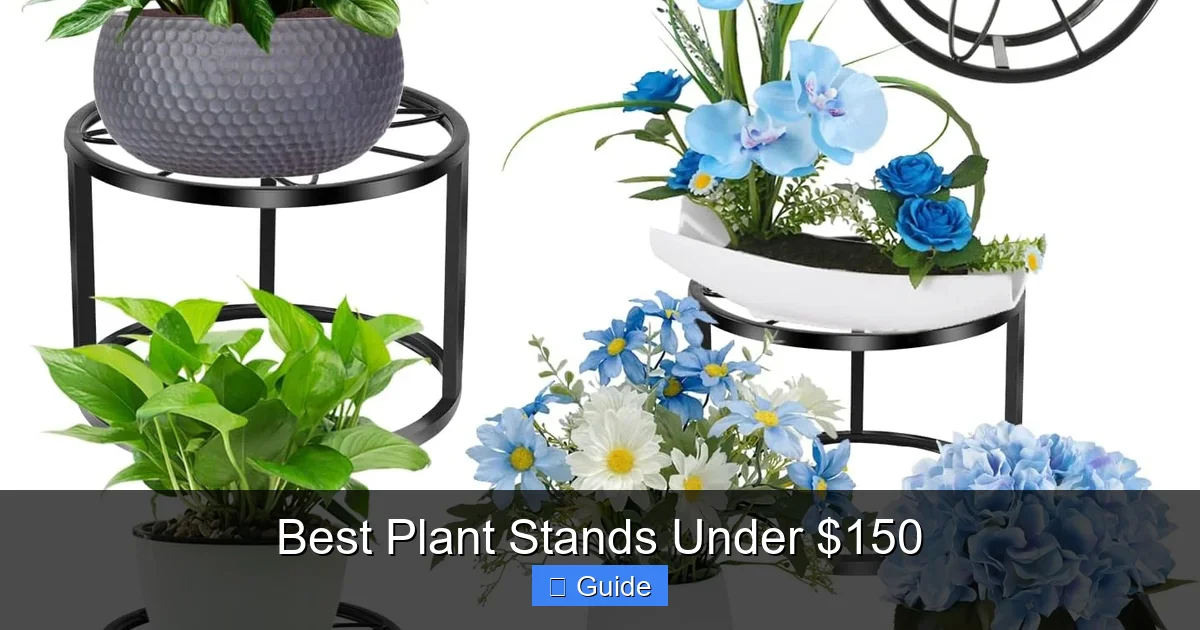
This is my go-to for heavy plants. Steel stands under $150 typically use 12-16 gauge tubing with welded or bolted joints. Powder coating creates a durable, chip-resistant finish in black, white, gold, bronze, or sage. These stands handle 75-200+ pounds easily. They’re slim, so they visually disappear — perfect for small spaces where you want the plant to be the star.
Styles range from hairpin legs (classic mid-century) to geometric triangles (modern) to rectangular frames (industrial). Many include adjustable feet for uneven floors. The downside? They can feel cold in warm, wood-heavy rooms. Pair with a woven basket or wooden plant tray to soften the look.
Rattan and Wicker: Texture and Boho Soul
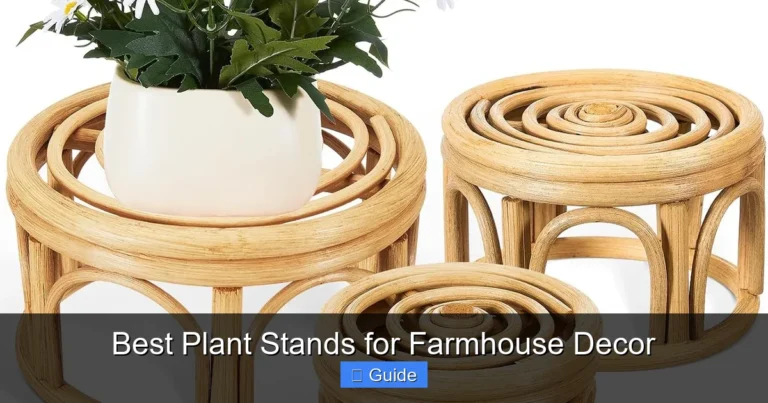
Natural rattan stands bring instant warmth and texture. Under $150, you’ll find hand-woven rattan over steel frames (most durable) or all-rattan construction (lighter, less weight capacity). These shine in boho, coastal, tropical, and eclectic interiors. They’re lightweight — easy to move for cleaning or seasonal rearranging.
Watch for quality indicators: tight, even weaving; no loose ends; a sturdy frame underneath. Natural rattan absorbs moisture, so use liners or cache pots. Synthetic rattan (PE resin) handles humidity better for bathrooms or covered patios. Weight limits are typically 25-50 pounds — fine for most medium plants.
Manufactured Wood: Budget-Friendly with Caveats
MDF, particle board, and plywood stands dominate the under-$50 tier. Some reach $150 with premium veneers. They’re not inherently bad — high-grade plywood with edge banding can be very strong. But they hate moisture. One major spill can swell the core. If you choose manufactured wood, ensure it’s CARB Phase 2 compliant (low formaldehyde), has sealed edges, and includes drip trays. I’d avoid these for high-humidity plants like ferns or calatheas.
Concrete and Stone: Statement Pieces
Real concrete stands under $150 exist — usually small pedestals or side tables. They’re incredibly stable, fireproof, and impossibly chic in modern, brutalist, or Japandi spaces. The downside: they’re heavy (hard to move), porous (seal them), and can crack if dropped. Faux concrete (fiberglass or resin composite) gives the look at a fraction of the weight. Great for large floor plants that need a low, wide base to prevent tipping.
Best Plant Stand Styles for Every Home Decor
Mid-Century Modern: Clean Lines, Tapered Legs
Think hairpin legs, walnut finishes, gentle curves. This style dominates the plant stand market because it works everywhere. A three-tier walnut and black metal ladder stand fits beside a mid-century credenza or a modern sectional equally well. Look for stands with angled legs for stability and visual lightness. Brands like Mkono, YAHEETECH, and Nathan James nail this aesthetic under $100.
Pro tip: Match the wood tone to your existing furniture. Warm walnut with warm walnut. Cool ash with cool ash. Mixed wood tones can work but need intention — repeat each tone at least twice in the room.
Industrial: Raw Metal, Exposed Hardware
Black iron pipe frames. Reclaimed wood shelves. Visible bolts. Industrial stands bring warehouse cool to lofts, modern farmhouses, and eclectic spaces. They’re incredibly sturdy — pipe stands often hold 200+ pounds. The aesthetic is masculine but softens beautifully with trailing plants like pothos, philodendron, or string of pearls.
Watch the finish. Raw steel rusts. Clear-coated or powder-coated is better for plant humidity. Some industrial stands include casters — fantastic for heavy plants you rotate for even growth.
Bohemian: Rattan, Macrame, Global Patterns
Boho plant stands are all about texture. Woven rattan pedestals. Macrame hangers attached to wooden tripods. Carved wood with brass accents. Tiered bamboo shelves draped with trailing vines. These stands feel collected, not curated. They work best in rooms with layered textiles, vintage rugs, and lots of natural light.
Weight capacity is the trade-off. Most boho stands max at 30-50 pounds. Save them for medium plants in lightweight pots (fiberstone, plastic, terra cotta). Use heavy ceramic pots on the floor or on sturdier stands.
Minimalist/Scandinavian: White, Light Wood, Negative Space
Scandi stands breathe. White powder-coated steel with light oak shelves. Simple bamboo tripods. Floating wall-mounted shelves (though those aren’t stands per se). The philosophy: the plant is the art; the stand disappears. These work in small apartments, bright rooms, and any space where visual clutter feels overwhelming.
Look for stands with integrated saucers or clean lines that hide plastic liners. Cable management holes are a nice bonus for grow lights.
Traditional/Farmhouse: Turned Legs, Distressed Finishes
Plant stands that look like they came from grandma’s porch — in the best way. Turned wooden legs. Distressed white or gray paint. X-back designs. These fit cottagecore, modern farmhouse, and traditional interiors. They’re often wider and lower, making them stable for heavy pots.
Many include a lower shelf for watering cans, soil bags, or decorative baskets. Practical and pretty.
Modern Glam: Gold, Brass, Marble, Glass
Yes, you can get glam under $150. Gold-finished metal frames with tempered glass shelves. Brass hairpin legs with white marble tops. Acrylic and lucite stands that float visually. These add sparkle to moody maximalist rooms or brighten dark corners. They’re best for lighter plants — glass and acrylic have lower weight limits (typically 20-40 pounds).
Fingerprints show. Keep a microfiber cloth handy.
Our Top Picks: Best Plant Stands Under $150
After testing dozens of stands across materials, styles, and price points, these are the ones I’d buy again — and recommend to friends. I’ve organized them by use case so you can jump to what you need.
Best Overall: Mkono 3-Tier Bamboo Plant Stand
Price: ~$45 | Material: Solid bamboo | Capacity: 50 lbs per shelf | Dimensions: 11.8″L x 11.8″W x 39.4″H
This is the stand I own in triplicate. Three tiers. Corner-friendly triangle footprint. Solid bamboo that’s survived three moves, countless waterings, and my cat’s climbing attempts. Assembly takes ten minutes with the included Allen wrench. The natural finish warms any room. Each shelf holds a 10-inch pot comfortably. At $45, it’s the highest value-to-cost ratio I’ve found.
Best for: Corner displays, plant collections, small spaces, renters (lightweight, no wall damage).
Best for Heavy Plants: Christopher Knight Home Hamilton Metal Plant Stand
Price: ~$120 | Material: Powder-coated steel | Capacity: 250 lbs | Dimensions: 14″L x 14″W x 30″H
This thing is a tank. Welded steel frame. Four adjustable levelers. Clean square silhouette. It disappears under a large fiddle leaf fig in a 14-inch ceramic pot. The 30-inch height puts the canopy at perfect viewing level. Comes in black, white, and antique gold. Assembly is four bolts — five minutes max.
Best for: Large floor plants, heavy ceramic pots, high-traffic areas (won’t wobble), modern and industrial spaces.
Best Rolling Stand: Ktaxon Mobile Plant Caddy with Lockable Wheels
Price: ~$65 | Material: Steel frame + PP plastic base | Capacity: 220 lbs | Dimensions: 12.6″ diameter x 3.5″H (base only)
Not a tall stand — a rolling platform. But oh, is it essential. Four 360-degree casters, two locking. The low profile (3.5 inches) keeps heavy plants stable. The plastic base has a raised lip and drainage holes — water never touches your floor. I use these under every large pot: monstera, bird of paradise, rubber tree. Rotating for even light takes two seconds. Moving for vacuuming takes three.
Best for: Heavy plants you move often, hardwood floor protection, seasonal outdoor-to-indoor transitions.
Best Tiered Corner Stand: YAHEETECH 5-Tier Corner Plant Stand
Price: ~$75 | Material: Powder-coated steel + MDF shelves | Capacity: 30 lbs per shelf | Dimensions: 13.8″L x 13.8″W x 55.1″H
Five shelves in a 14-inch corner footprint. That’s 15+ plants in the space of one floor lamp. The black metal frame is sturdy. MDF shelves have a wood-grain veneer and raised edges to contain spills. It anchors to the wall (hardware included) for earthquake/tip safety. At 55 inches, it reaches window height in most rooms.
Best for: Plant collectors, narrow corners, maximizing vertical space, rental-friendly (wall anchor is optional but recommended).
Best Rattan Stand: Bowerbird Hand-Woven Rattan Plant Stand
Price: ~$130 | Material: Natural rattan over steel frame | Capacity: 75 lbs | Dimensions: 16″ diameter x 28″H
This is a showstopper. Hand-woven rattan in a classic pedestal shape. The internal steel frame means it handles real weight — not just decorative. The 16-inch top accommodates 12-14 inch pots. It arrives fully assembled. Place it beside a sofa or bed for instant boho luxury. The natural rattan varies slightly piece to piece — that’s the charm.
Best for: Boho and coastal interiors, statement corners, medium-large plants in lightweight pots.
Best Budget Multi-Pack: Simple Trending 2-Pack Metal Plant Stands
Price: ~$55 for two | Material: Powder-coated steel | Capacity: 50 lbs each | Dimensions: 10″L x 10″W x 20″H and 8″L x 8″W x 16″H
Two stands, two heights, one price. The nesting design stores compactly. Hairpin legs in matte black. Simple, modern, versatile. Use the tall one for a snake plant, the short one for a ZZ plant. Or cluster them with varying heights for a dynamic vignette. At $27 each, they’re cheaper than most single stands.
Best for: Multiple plants, cohesive look on a budget, small to medium plants, modern and Scandinavian spaces.
Best Wood Tripod: Nathan James Theo 3-Leg Plant Stand
Price: ~$90 | Material: Solid acacia wood | Capacity: 100 lbs | Dimensions: 14″ diameter x 30″H
Acacia is gorgeous — rich grain, natural water resistance, dense and heavy. The Theo has a wide tripod stance for stability and a recessed top ring that cradles pots so they can’t slide off. The 30-inch height works for seating-area plants. It arrives 90% assembled — just attach three legs with included bolts. Comes in natural, walnut, and whitewash finishes.
Best for: Mid-century modern and Scandinavian rooms, heavy pots, statement pieces, longevity.
Best for Small Spaces: H Potter Wall-Mounted Plant Shelf (Set of 2)
Price: ~$80 | Material: Powder-coated steel + glass shelves | Capacity: 25 lbs per shelf | Dimensions: 12″L x 6″W x 8″H each
Okay, technically shelves — but they function as stands without using floor space. Two glass shelves with a decorative black metal frame. Mount at staggered heights for a living wall effect. The glass disappears visually, letting plants float. Includes anchors and screws. Perfect for bathrooms, kitchens, or narrow hallways where floor stands won’t fit.
Best for: Tiny apartments, bathrooms, herb gardens, trailing plants, renters (patch holes on move-out).
How to Style and Maintain Your Plant Stands
Create Visual Rhythm with Height Variation
The most common styling mistake? Same-height stands in a row. It looks like a warehouse. Instead, vary heights intentionally. Use the rule of thirds: one tall (30-36″), one medium (18-24″), one low (12-18″). Cluster them in a triangle formation, not a line. The eye moves naturally through the composition.
If you have a tiered stand, you’ve got built-in variation. Enhance it by placing taller plants on lower shelves (they grow up) and trailing plants on upper shelves (they cascade down). This creates a living waterfall effect.
Group by Light Needs, Not Just Aesthetics
It’s tempting to group all your prettiest pots together. But if your calathea (low light) sits next to your echeveria (full sun), one will suffer. Zone your stands by light requirements. South-facing window corner = sun lovers. North-facing wall = shade tolerant. East-facing shelf = moderate light plants. Your stands become functional stations, not just decor.
Use Cache Pots for Style and Function
Nursery pots are ugly. Decorative pots without drainage are risky. The solution: cache pots. Keep plants in their plastic grow pots (with drainage holes). Drop them into pretty cache pots on your stands. Water in the sink, let drain, return to cache pot. No saucers needed. No water stains on your stands. Easy to swap plants seasonally.
Choose cache pots 1-2 inches wider than the grow pot. Materials: ceramic, fiberstone, concrete, woven baskets with plastic liners. Match the cache pot to your stand — matte black ceramic on black metal, warm terra cotta on acacia wood, white glazed on white oak.
Rotate for Even Growth
Plants lean toward light. Rotate them 90 degrees weekly for balanced growth. Rolling stands make this effortless. For stationary stands, set a calendar reminder. Your plants will grow fuller, not lopsided. This is especially critical for fiddle leaf figs, rubber trees, and monsteras.
Clean Stands Seasonally
Dust, soil, water marks, and spider webs accumulate. Four times a year, clear the stand. Wipe wood with a damp cloth and furniture oil. Clean metal with mild soap and water — dry immediately to prevent rust spots. Vacuum rattan with a brush attachment. Check tightness of bolts and screws. Touch up paint chips with a matching paint pen. This maintenance takes 15 minutes per stand and adds years of life.
Protect Floors Proactively
Even with felt pads, moisture can migrate. Place a thin cork mat or silicone tray under each stand. For rolling stands, use a heavy-duty plant dolly with a lip. In high-humidity rooms (bathrooms, laundry), elevate stands on furniture risers for airflow underneath. Prevention beats refinishing hardwood floors.
Seasonal Styling Swaps
Your stands are stage sets. Change the cast with the seasons. Spring: blooming bulbs, fresh herbs, pastel cache pots. Summer: tropicals, citrus, bright ceramics. Fall: mums, ornamental peppers, copper and terra cotta. Winter: evergreens, forced branches, metallic finishes. The stands stay; the story changes. This keeps your space feeling fresh without buying new furniture.
Common Mistakes to Avoid
Underestimating Pot Weight
A 12-inch ceramic pot weighs 8-15 pounds empty. Add wet soil (10-15 lbs) and a mature plant (5-20 lbs). That’s 23-50 pounds. A stand rated for 30 pounds might hold it — until you water, adding another 3-5 pounds. Then you bump it while dusting. Snap. Always calculate total loaded weight, not just pot weight.
Ignoring Drainage Until It’s Too Late
Water damage is silent. By the time you see warping on a wood shelf or rust on metal, it’s done. Use stands with built-in drainage features. Add plastic liners. Check saucers weekly. Empty them. This habit saves stands and floors.
Choosing Style Over Stability
That delicate gold tripod is stunning. But if your cat jumps on it, or you have uneven floors, or your toddler uses it for pull-up practice — it’s a hazard. Match stability to your household. Heavy steel for active homes. Wall-anchored tiers for earthquake zones. Wide-base tripods for pet owners.
Buying Too Many Different Styles
Three stands: one industrial, one boho, one mid-century. The room looks confused. Pick one or two complementary styles and repeat them. Cohesion reads as intentional design. Eclectic reads as collected over time — but that takes actual time. Start cohesive. Evolve naturally.
Forgetting Future Plant Growth
You buy a stand for your current 6-inch pothos. In two years, it’s a 10-foot trailing monster. The stand is too short. The pot is too small. Plan for the plant’s mature size. Buy stands that accommodate the next two pot sizes up. Your future self will thank you.
Conclusion: Your Plants Deserve the Best Stage
Here’s the truth: a plant stand is never just a plant stand. It’s a health tool — lifting roots out of cold drafts, positioning leaves into life-giving light, preventing the root rot that kills more houseplants than neglect. It’s a design tool — adding vertical rhythm, creating focal points, turning a random collection of pots into a curated indoor garden. And it’s a protection tool — saving your floors, your back (no more bending to water floor plants), and your sanity.
The best plant stands under $150 prove you don’t need a designer budget for designer results. Whether you choose the $45 bamboo tiered stand that holds a dozen plants, the $120 welded steel pedestal that cradles your prized monstera, or the $65 rolling caddy that makes plant care effortless — you’re investing in healthier plants and a more beautiful home.
Start with one. Put your neediest plant on it — the one struggling in a dark corner, the one you keep knocking over, the one with crispy tips from floor drafts. Watch what happens in two weeks. New growth. Brighter color. Perkier posture. Then you’ll understand why plant people get obsessed with stands. It’s not about the furniture. It’s about what the furniture enables.
Your plants are ready for their upgrade. Pick a stand. Clear a corner. Welcome to the next level of plant parenthood.
Frequently Asked Questions
What height plant stand should I buy for a standard window?
For most standard windows (sill height 24-36 inches), choose stands 18-30 inches tall. This positions plant foliage in the brightest light zone without blocking the window. Measure your specific sill height and subtract the pot height for precision.
Are tiered plant stands stable enough for large plants?
Tiered stands work best for small to medium plants (up to 10-inch pots). For large floor plants (12+ inch pots), use a single sturdy pedestal or rolling caddy rated for 100+ pounds. Always anchor tall tiered stands to the wall for safety.
How do I assemble a plant stand without tools?
Look for “tool-free” or “no-assembly” stands. Many bamboo and rattan stands use slot-together joints. Some metal stands have snap-lock frames. If tools are needed, most include an Allen wrench — the only tool required.
Can I put a plant stand on carpet?
Yes, but stability decreases on thick pile. Use wide-base stands or add a square of plywood under the feet to distribute weight. Rolling stands need hard floors or commercial-grade carpet casters to move smoothly.
What’s the difference between a plant stand and a plant caddy?
A plant stand elevates the plant for display and light access (typically 12-36 inches tall). A plant caddy is a low rolling platform (2-6 inches tall) for mobility and floor protection. Many people use both: caddy on floor, stand on caddy for tall mobile displays.
How do I clean water stains off a wooden plant stand?
For fresh stains: wipe immediately with dry cloth. For set-in white rings: apply mayonnaise or petroleum jelly overnight, wipe clean. For dark stains: lightly sand with 220-grit, reapply matching oil or polyurethane. Prevention with liners and prompt spill cleanup is easiest.