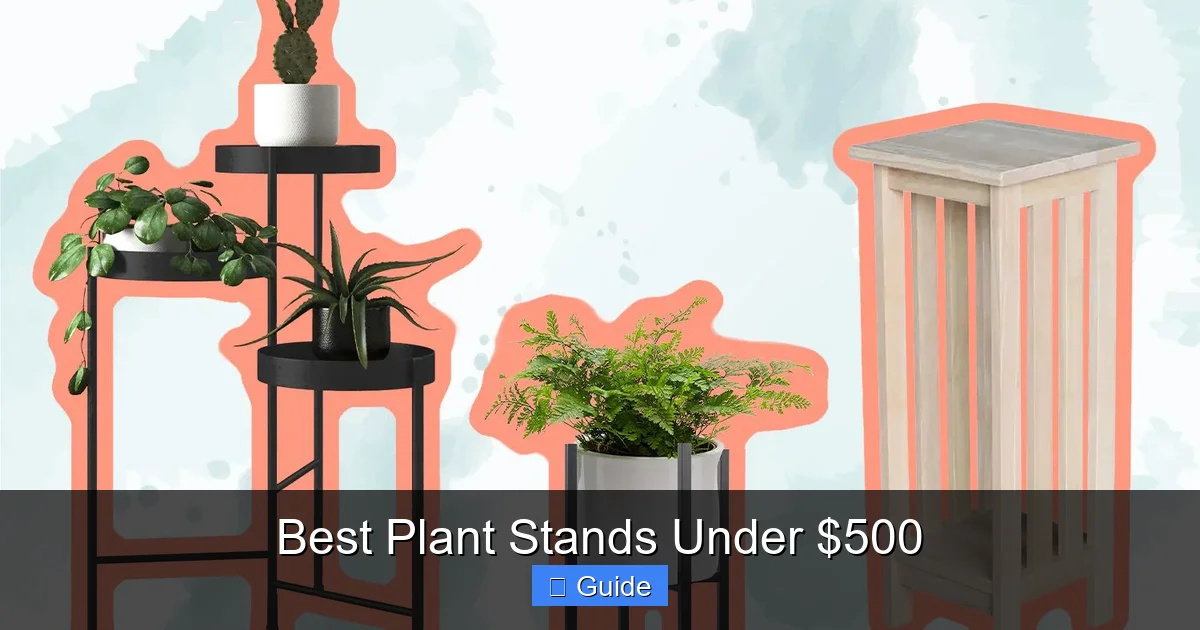
Best Plant Stands Under $500
Looking for the best plant stands under $500? This guide breaks down the most important factors — material, size, weight capacity, and design — so you can choose a stand that fits your plants and your budget. We also highlight top‑rated options across modern, rustic, and minimalist styles.
Key Takeaways
- Material matters: Metal, wood, and composite each offer different durability and aesthetic vibes.
- Weight capacity is critical: Match the stand’s load rating to your heaviest pot to avoid accidents.
- Size and adjustability: Look for stands that fit your floor space and can accommodate growing plants.
- Style should complement your décor: Choose a finish that ties into your room’s color palette.
- Assembly ease: Many stands under $500 ship flat‑pack; check for tool‑free setup.
- Ventilation and drainage: Open‑frame designs promote airflow and prevent water buildup.
- Warranty and reviews: A solid warranty and positive user feedback signal long‑term reliability.
Quick Answers to Common Questions
What is the most durable material for a plant stand under $500?
Powder‑coated steel or solid hardwood like walnut offer the highest durability and weight capacity in this price range.
Can I use a plant stand outdoors?
Only stands labeled as weather‑proof — such as high‑density polyethylene or resin models — should be used outside. Metal stands need a rust‑resistant coating and a covered location.
How do I know if a stand can hold my heavy ceramic pot?
Add the weight of the pot, soil, and plant, then choose a stand rated at least 20 % higher than that total.
Are tiered stands stable enough for tall plants?
Yes, if the base is wide and the frame is steel or thick hardwood. Look for a low center of gravity and anti‑tip brackets.
Do plant stands come pre‑assembled?
Many ship flat‑pack with tool‑free or minimal‑tool assembly. Some premium wood pedestals arrive fully assembled.
📑 Table of Contents
Why a Plant Stand Matters
A plant stand does more than hold a pot. It lifts foliage into better light, improves air circulation around the roots, and adds a design element that can transform a corner of a room. When you invest in a quality stand, you protect your floors from water damage and give your plants the stability they need to thrive. The best plant stands under $500 combine function with style, giving you a practical solution that also looks great.
Many plant owners start with a simple saucer on the floor. Over time, they notice that low placement limits light exposure and makes watering messy. Raising the plant solves both problems. A well‑chosen stand also lets you group several plants at varying heights, creating a mini indoor garden that feels intentional rather than cluttered.
Types of Plant Stands
Tiered and Multi‑Level Stands
Tiered stands let you display several plants in a compact footprint. They are ideal for small apartments where floor space is at a premium. Look for models with adjustable shelves so you can change the height as plants grow.
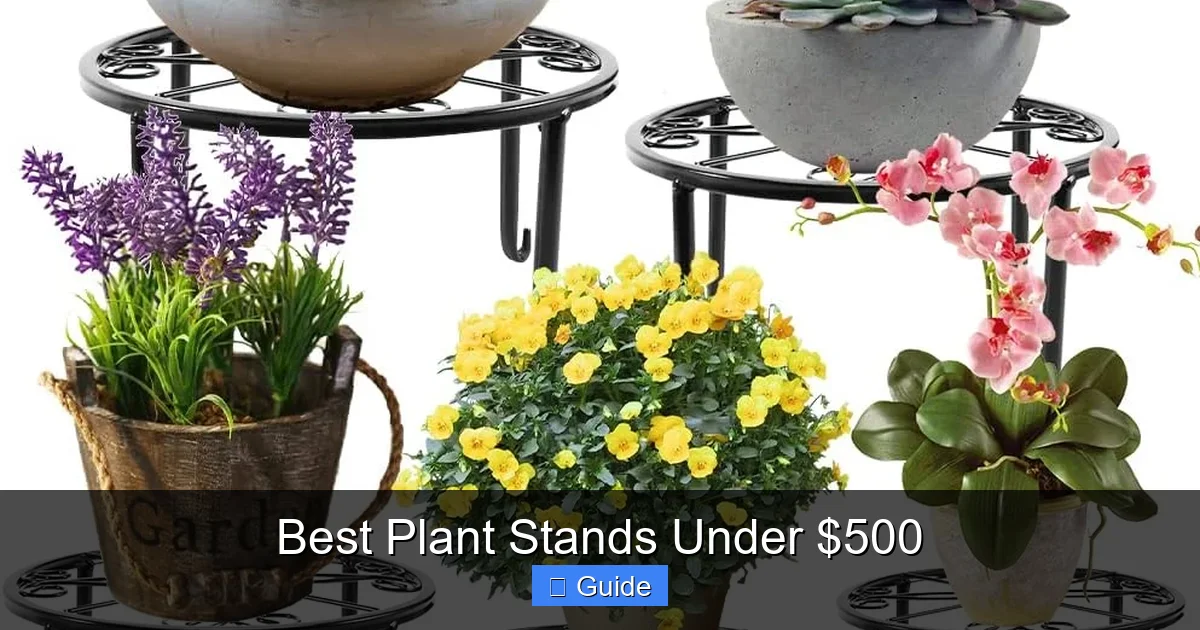
Visual guide about Best Plant Stands Under $500
Image source: m.media-amazon.com
Single‑Pedestal Stands
A single pedestal offers a clean, minimalist look. It works well for a statement plant like a fiddle‑leaf fig or a large monstera. The pedestal’s base should be wide enough to prevent tipping, especially if the pot is heavy.
Rolling and Mobile Stands
Stands with lockable casters let you move plants to follow the sun or to clean underneath. This flexibility is a huge plus for renters who may need to rearrange furniture frequently.
Wall‑Mounted and Hanging Options
While not a traditional floor stand, wall‑mounted shelves and hanging macramé holders expand vertical space. They pair nicely with floor stands to create a layered display.
Materials and Durability
Metal Frames
Powder‑coated steel or iron frames resist rust and can support heavy ceramic pots. They often feature a sleek, industrial aesthetic that fits modern and loft‑style interiors. Check the gauge of the metal; thicker gauge means higher load capacity.
Solid Wood
Hardwoods like oak, walnut, and teak bring warmth and natural grain patterns. They are sturdy but can be heavier to move. Look for stands finished with a water‑based sealant to protect against moisture.
Engineered Wood and MDF
These budget‑friendly options mimic the look of solid wood at a lower price. They are lighter but may not hold as much weight. Ensure the edges are sealed to prevent swelling if water spills.
Composite and Resin
High‑density polyethylene or resin stands are weather‑proof, making them suitable for both indoor and covered outdoor use. They are lightweight, easy to clean, and often come in bold colors.
Size, Weight Capacity, and Adjustability
Measuring Your Space
Before buying, measure the floor area where the stand will sit. Allow at least six inches of clearance around the stand for easy watering and airflow. If you plan to group multiple stands, sketch a quick layout to avoid overcrowding.
Matching Pot Weight to Stand Rating
Each stand lists a maximum load, usually in pounds. Add the weight of the pot, soil, and plant. A 12‑inch ceramic pot with wet soil can weigh 30‑40 pounds. Choose a stand rated at least 20 % higher than your heaviest pot for a safety margin.
Adjustable Shelves and Height Extensions
Some tiered models let you reposition shelves or add extension poles. This feature is valuable as plants grow taller or as you swap pots. Verify that the adjustment mechanism locks securely.
Style and Design Trends
Mid‑Century Modern
Clean lines, tapered legs, and walnut finishes define this look. It pairs well with neutral walls and geometric planters. Many stands in this style stay under $300, leaving room in the budget for a premium pot.
Industrial Chic
Exposed metal, rivets, and a matte black or gunmetal finish give an urban edge. These stands often feature open frames that highlight the plant’s root ball, turning the pot into a sculptural element.
Scandinavian Minimalism
Light‑colored wood, simple geometry, and functional design characterize Scandinavian stands. They emphasize airiness and work beautifully in bright, white‑washed rooms.
Bohemian and Rattan
Woven rattan or bamboo stands add texture and a relaxed vibe. They are lighter than metal or solid wood, making them easy to reposition. Look for reinforced joints to ensure longevity.
Top Picks for the Best Plant Stands Under $500
1. Modern Metal Tiered Stand – 4‑Tier, 36‑Inch Height
This powder‑coated steel stand holds up to 150 pounds per shelf. Its open wire design promotes drainage and airflow. Assembly is tool‑free, and the neutral charcoal finish fits most décor styles. Users praise its stability even with large ceramic pots.
2. Solid Walnut Pedestal – 24‑Inch Diameter
A single, sturdy walnut pedestal with a 200‑pound capacity. The natural oil finish enhances grain and resists water rings. It ships fully assembled, so you can place your statement plant immediately. The price sits near the top of the budget but delivers heirloom quality.
3. Adjustable Rolling Stand – 3‑Tier with Locking Casters
Engineered wood shelves on a steel frame, each shelf adjustable in 2‑inch increments. Four locking casters make it easy to chase sunlight. The stand supports 120 pounds total and comes in a whitewash finish that brightens any room.
4. Rattan Bohemian Shelf – 5‑Tier, 48‑Inch Tall
Hand‑woven rattan over a lightweight aluminum frame. Each tier holds up to 30 pounds, perfect for small to medium pots. The natural tone adds warmth, and the open weave ensures excellent ventilation. Assembly requires only a screwdriver.
5. Composite Outdoor‑Ready Stand – 2‑Tier, 30‑Inch Height
Made from high‑density polyethylene, this stand resists UV fading and moisture. It supports 200 pounds per tier and can be used on a covered patio or indoors. The sleek gray finish looks modern and wipes clean with a damp cloth.
Buying Tips and Practical Advice
Read Verified Reviews
Focus on reviews that mention long‑term use, especially regarding rust, warping, or joint loosening. Photos from real customers give a better sense of scale than product images alone.
Check Return Policies
Even with careful measurements, a stand may not fit your space as expected. A generous return window (30 days or more) and free return shipping reduce risk.
Consider Future Plant Growth
If you plan to upgrade to larger pots, choose a stand with a higher weight rating and adjustable shelves. This foresight saves you from buying a new stand in a year.
Match the Stand to Your Watering Routine
If you water heavily, opt for stands with built‑in drip trays or open frames that let excess water escape. Closed‑bottom stands can trap moisture and damage floors.
Budget for Accessories
Factor in the cost of decorative pots, saucers, and possibly a plant caddy. A stand that looks great with a cheap plastic pot may not shine with a premium ceramic one.
Conclusion
Finding the best plant stands under $500 is about balancing strength, style, and flexibility. By understanding materials, weight limits, and design trends, you can select a stand that not only showcases your green friends but also enhances your living space. Whether you prefer a sleek metal tiered unit, a warm walnut pedestal, or a breezy rattan shelf, there is a high‑quality option that fits your budget and your aesthetic. Take the time to measure, read reviews, and think ahead — your plants (and your floors) will thank you.
Frequently Asked Questions
What height should a plant stand be for optimal light?
Place the top of the pot at or slightly above the window sill height. For most rooms, a stand 24‑36 inches tall works well, but adjust based on your specific light source.
Can I put a plant stand on carpet?
Yes, but use a protective mat or coasters under the legs to prevent indentation and to keep moisture from seeping into the carpet fibers.
How do I clean a metal plant stand?
Wipe with a damp cloth and mild soap. Avoid abrasive cleaners that can scratch the powder coating. Dry thoroughly to prevent rust spots.
Is it safe to stack multiple plants on a single‑tier stand?
Only if the stand’s weight rating exceeds the combined weight of all pots and soil. Distribute weight evenly and avoid top‑heavy arrangements.
What warranty should I look for?
A minimum one‑year limited warranty covering structural defects is standard. Some brands offer up to five years on metal frames.
Can I paint or stain a wooden plant stand?
Yes, sand lightly, apply a primer if painting, then use a water‑based paint or exterior‑grade stain. Seal with a clear polyurethane for moisture resistance.