African Violet Care for Kitchen
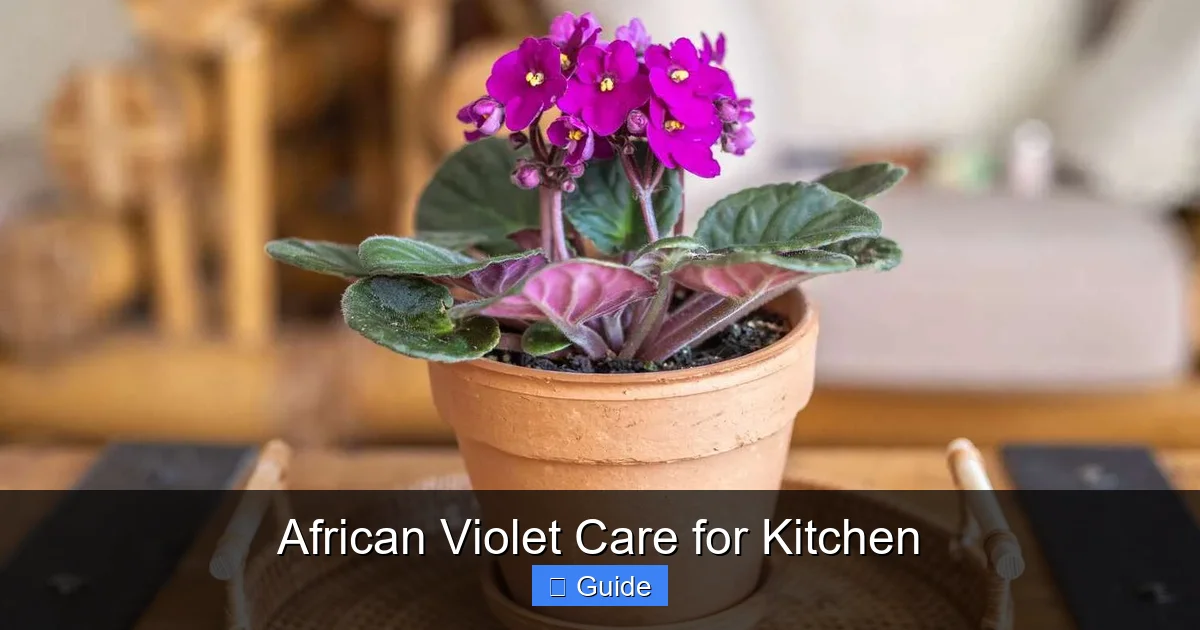
African violet care for kitchen is easy when you give the plant bright indirect light, consistent moisture, and a little humidity. A small pot with well‑draining soil and regular feeding keeps flowers coming all year. Follow these simple steps and your kitchen will bloom with color.
In african violet care for kitchen, the first step is finding the right spot. A bright kitchen window works well. North or east windows give gentle light. Direct sun can burn the leaves. Keep the plant a few feet from the glass. Rotate the pot each week for even growth.
In african violet care for kitchen, temperature matters. Most kitchens stay between 65 and 75 degrees Fahrenheit. Avoid cold drafts from doors. Keep the plant away from hot ovens. Stable temps help the plant set buds. A small fan on low can improve air flow.
In african violet care for kitchen, humidity is a bonus. Cooking creates steam that raises moisture. If the air feels dry, set a tray of water near the plant. A pebble tray works great. Mist the leaves lightly in the morning. Do not let water sit on the crown.
Key Takeaways
- Light: Place near a north or east window for bright indirect light.
- Water: Use bottom watering to keep leaves dry and prevent spots.
- Humidity: Kitchen steam helps; add a pebble tray if the air is dry.
- Soil: Use a light peat‑based mix with perlite for good drainage.
- Feeding: Apply a balanced 20‑20‑20 fertilizer at half strength every two weeks.
- Pests: Inspect weekly; treat early with neem oil or insecticidal soap.
Quick Answers to Common Questions
How much light does an African violet need in the kitchen?
African violets need bright indirect light for about 10 to 12 hours each day. A north or east window works best.
What is the best watering method for kitchen African violets?
Bottom watering keeps leaves dry and prevents spots. Place the pot in a saucer of water for 20 minutes then remove.
How often should I fertilize my African violet in the kitchen?
Feed every two weeks with a half‑strength balanced fertilizer during active growth. Reduce to monthly in winter.
What humidity level is ideal for African violets in a kitchen?
Aim for 50 to 60 percent relative humidity. Kitchen steam often provides enough, but a pebble tray helps in dry homes.
Can I propagate African violets from a leaf in the kitchen?
Yes, cut a healthy leaf with a short stem, root it in moist perlite under a humidity dome, and transplant once roots form.
📑 Table of Contents
Why the Kitchen Is a Great Spot for African Violets
Light Conditions in the Kitchen
In african violet care for kitchen, light is the most important factor. African violets need bright indirect light for 10 to 12 hours daily. A north facing window provides steady light all day. An east window gives soft morning sun. Avoid harsh afternoon rays that scorch leaves. Use a sheer curtain if the light is too strong.
In african violet care for kitchen, you can supplement with a grow light. A small LED panel placed 12 inches above the plant works well. Set the timer for 12 hours on and 12 hours off. This mimics natural day length. The plant will bloom more reliably. Adjust the height as the plant grows.
Temperature and Drafts
In african violet care for kitchen, keep the temperature steady. Ideal range is 65 to 75 degrees Fahrenheit. Sudden drops cause leaf curl and bud drop. Keep the plant away from the refrigerator vent. Avoid placing it near a drafty window. A small space heater can help in winter.
In african violet care for kitchen, monitor night temps. Night temps should not fall below 60 degrees. Use a thermometer on the shelf. If nights are cold, move the plant to a warmer spot. Consistent warmth encourages continuous flowering. A heat mat under the pot can add gentle warmth.
Humidity Benefits
In african violet care for kitchen, humidity helps prevent crispy leaf edges. Kitchen steam from boiling water raises humidity naturally. Aim for 50 to 60 percent relative humidity. If the air is dry, place a shallow tray of water nearby. Add pebbles to keep the pot above the water line. Grouping plants also raises local humidity.
In african violet care for kitchen, a humidifier can be used in very dry homes. Set it to low and run a few hours each day. Avoid misting the crown directly. Wet crowns lead to rot. Instead, mist the air around the plant. A hygrometer helps you track humidity levels.
Choosing the Right Container and Soil
Pot Size and Drainage
In african violet care for kitchen, choose a pot that is only one inch larger than the root ball. A too large pot holds excess water and causes root rot. Ensure the pot has drainage holes at the bottom. A saucer catches runoff but empty it after watering. Plastic pots retain moisture longer than clay. Clay pots breathe and dry faster.
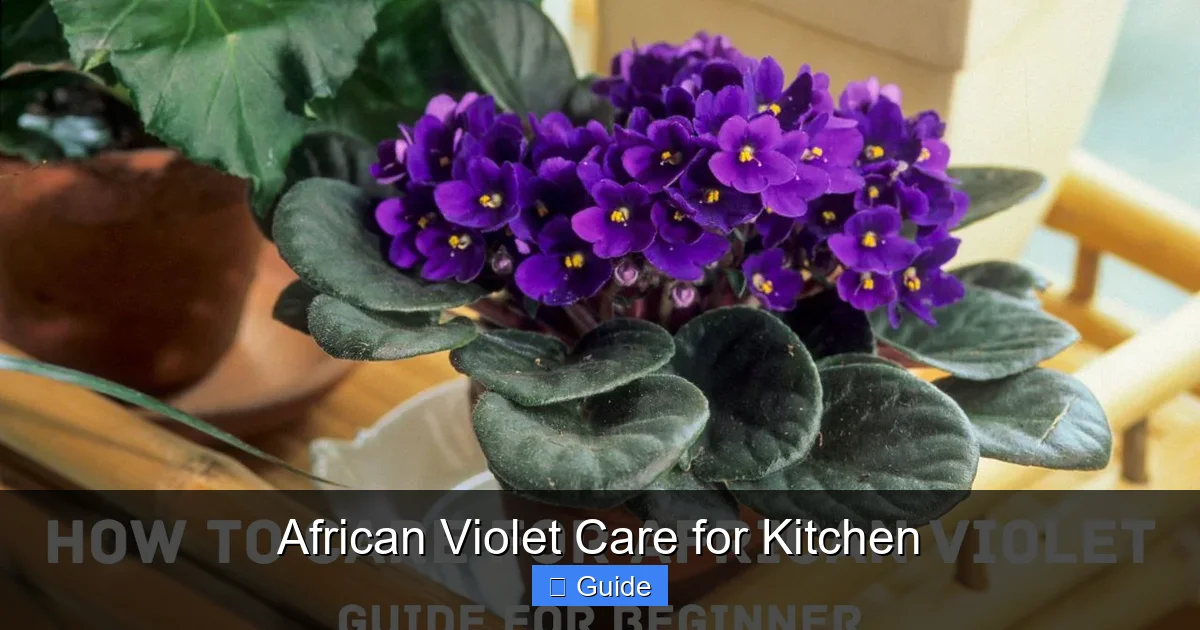
Visual guide about African Violet Care for Kitchen
Image source: planterhoma.com
In african violet care for kitchen, consider a self‑watering pot for convenience. These pots have a reservoir that feeds the plant from below. They reduce the risk of overwatering. Check the water level weekly. Clean the reservoir monthly to prevent algae. Self‑watering pots work well on busy kitchen counters.
Soil Mix Recommendations
In african violet care for kitchen, use a light, well‑draining mix. A blend of peat moss, perlite, and vermiculite works best. Avoid garden soil which compacts and holds too much water. Add a handful of charcoal to keep the mix fresh. The mix should feel airy and moist, not soggy. Repot with fresh mix every 12 months.
In african violet care for kitchen, you can buy a commercial African violet potting mix. These mixes are pH balanced for the plant. They contain the right ratio of peat and perlite. If you make your own, use 2 parts peat, 1 part perlite, 1 part vermiculite. Moisten the mix before filling the pot. This prevents dry pockets around the roots.
Repotting Schedule
In african violet care for kitchen, repot once a year in early spring. Fresh soil replenishes nutrients and improves drainage. Gently remove the plant and shake off old mix. Trim any brown or mushy roots. Place the plant in the new pot at the same depth. Water lightly after repotting.
In african violet care for kitchen, avoid repotting while the plant is in full bloom. Disturbing roots can cause flower drop. If the plant is root bound, you may repot anytime. Use a pot only one size larger. Keep the plant in a shaded spot for a few days after repotting. This reduces transplant shock.
Watering Techniques for Kitchen African Violets
Bottom Watering vs Top Watering
In african violet care for kitchen, bottom watering is preferred. Fill a saucer with room temperature water. Set the pot in the saucer for 20 minutes. The soil wicks moisture up to the roots. Leaves stay dry, preventing spots. Remove the pot and discard excess water.
In african violet care for kitchen, top watering can be used occasionally. Water the soil directly until it drains out the bottom. Avoid splashing water on the leaves. Use a narrow spout for control. Top watering helps flush salts from the soil. Do it once a month.
Frequency and Amount
In african violet care for kitchen, water when the top inch of soil feels dry. In a warm kitchen this may be every 3 to 4 days. In cooler periods it may be once a week. Always use room temperature water. Cold water shocks the roots. Consistent moisture keeps the plant happy.
In african violet care for kitchen, avoid letting the pot sit in water. Standing water leads to root rot. Empty the saucer after each watering session. If you use a self‑watering pot, check the reservoir weekly. Refill only when the indicator shows low. Overwatering is the most common mistake.
Signs of Over and Under Watering
In african violet care for kitchen, overwatered plants show yellowing lower leaves. The leaves may feel soft and mushy. A foul smell can rise from the soil. Roots turn brown and mushy. Reduce watering immediately and improve drainage. Repot if root rot is advanced.
In african violet care for kitchen, underwatered plants have limp, wrinkled leaves. The leaf edges turn brown and crisp. Growth slows and buds may abort. Water thoroughly and the plant usually recovers. Check soil moisture daily until the plant perks up. Adjust schedule to prevent future stress.
Feeding and Fertilizing for Continuous Blooms
Fertilizer Types
In african violet care for kitchen, use a balanced water soluble fertilizer. A 20‑20‑20 formula works well. You can also choose a specialized African violet fertilizer. These have higher phosphorus for blooms. Avoid high nitrogen formulas that promote leaf growth only. Organic options like fish emulsion are gentle.
In african violet care for kitchen, dilute fertilizer to half the recommended strength. Strong solutions burn delicate roots. Apply fertilizer to moist soil, never dry. This prevents root shock. Fertilize every two weeks during active growth. Reduce to monthly in winter.
Feeding Schedule
In african violet care for kitchen, set a regular feeding calendar. Mark every other week on your kitchen calendar. Feed after watering so the soil is moist. Skip feeding if the plant looks stressed. Resume when new growth appears. Consistency yields steady blooms.
In african violet care for kitchen, flush the soil with plain water once a month. This removes salt buildup from fertilizer. Run water through the pot until it drains clear. Let the pot drain completely. This simple step keeps roots healthy. Healthy roots support more flowers.
Avoiding Fertilizer Burn
In african violet care for kitchen, watch for leaf tip burn. Brown tips indicate too much fertilizer. Reduce concentration immediately. Flush the soil with extra water. Trim damaged tips with clean scissors. New growth will be clean.
In african violet care for kitchen, never apply fertilizer to dry soil. Dry roots absorb salts faster. Always water first, then feed. Use a measuring spoon for accuracy. Store fertilizer in a cool dry place. Fresh fertilizer works best.
Managing Pests and Diseases in a Kitchen Environment
Common Pests
In african violet care for kitchen, watch for aphids on new growth. Tiny green insects cluster on stems. They suck sap and cause curled leaves. Mealybugs appear as white cottony masses. Spider mites leave fine webbing on leaf undersides. Fungus gnats hover near wet soil.
In african violet care for kitchen, inspect the plant weekly. Use a magnifying glass for tiny pests. Early detection makes control easy. Remove heavily infested leaves. Isolate the plant from others. This prevents spread in the kitchen.
Preventive Measures
In african violet care for kitchen, keep the area clean. Wipe counters and shelves regularly. Remove fallen leaves promptly. Avoid overwatering which attracts gnats. Provide good air circulation with a small fan. Healthy plants resist pests naturally.
In african violet care for kitchen, quarantine new plants for two weeks. Check for pests before placing near others. Use sterile potting mix. Clean pots with a mild bleach solution. These steps reduce introduction of bugs. Prevention saves time later.
Treatment Options
In african violet care for kitchen, treat aphids with a spray of neem oil. Mix according to label and spray all surfaces. Repeat every 7 days until gone. For mealybugs, dab with a cotton swab dipped in alcohol. Spider mites respond to increased humidity and neem oil. Fungus gnats die with a soil drench of hydrogen peroxide.
In african violet care for kitchen, always test a small leaf first. Some plants are sensitive to oils. Apply treatments in the evening to avoid leaf burn. Keep the plant out of direct sun after spraying. Follow label instructions for safety. Consistent treatment clears infestations.
Seasonal Adjustments and Long‑Term Care
Winter Care
In african violet care for kitchen, winter brings lower light and cooler temps. Move the plant to the brightest window. Supplement with a grow light if days are short. Keep temperature above 60 degrees. Reduce watering frequency slightly. Fertilize once a month at half strength.
In african violet care for kitchen, watch for dry indoor air from heating. Use a humidifier or pebble tray. Mist the air around the plant, not the leaves. Keep the plant away from radiators. A stable environment prevents bud drop. The plant will rest but stay healthy.
Summer Care
In african violet care for kitchen, summer heat can stress the plant. Keep the plant out of direct afternoon sun. Increase watering as evaporation rises. Feed every two weeks with diluted fertilizer. Provide extra humidity with a tray of water. Good airflow prevents fungal issues.
In african violet care for kitchen, watch for pests that thrive in warmth. Inspect leaves daily. Treat early with neem oil if needed. Trim any yellowing leaves to improve airflow. Rotate the pot weekly for even light. The plant will reward you with continuous blooms.
Propagation Tips
In african violet care for kitchen, leaf cuttings are the easiest way to propagate. Choose a healthy mature leaf with a short stem. Cut the stem at a 45 degree angle. Place the stem in a small pot of moist perlite. Cover with a clear plastic bag to keep humidity high. Roots appear in 4 to 6 weeks.
In african violet care for kitchen, once roots form, transplant the baby plant into its own pot. Use the same light soil mix. Water gently and keep in bright indirect light. The new plant will bloom in 6 to 9 months. Share extras with friends. Propagation keeps your kitchen full of color.
In african violet care for kitchen, a little attention goes a long way. Bright light, steady moisture, and regular feeding create a happy plant. Your kitchen becomes a mini garden of delicate blooms. Enjoy the color and the calm it brings. Happy growing.
Frequently Asked Questions
Why are my African violet leaves turning yellow?
Yellow leaves often mean overwatering or poor drainage. Check the soil moisture and ensure the pot drains well.
How do I prevent crown rot on my African violet?
Keep water off the crown by bottom watering. Use a well‑draining mix and avoid letting the pot sit in water.
What type of pot is best for African violets in the kitchen?
A small plastic or clay pot with drainage holes works best. Choose a pot only one inch larger than the root ball.
Can I use tap water for my African violet?
Tap water is fine if it is room temperature and low in chlorine. Let it sit overnight to dissipate chemicals.
When should I repot my African violet?
Repot once a year in early spring or when the plant becomes root bound. Fresh soil restores nutrients and drainage.
How do I get more blooms on my African violet?
Provide bright indirect light, consistent moisture, and regular half‑strength fertilizer. Remove spent flowers to encourage new buds.