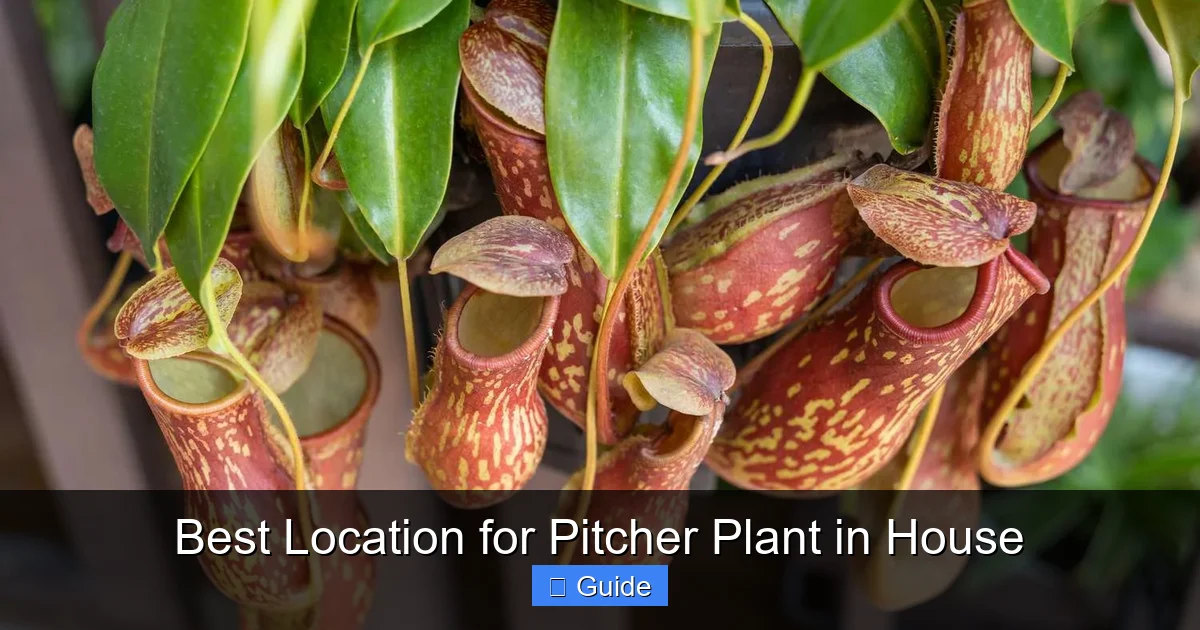
Best Location for Pitcher Plant in House
Finding the best location for pitcher plant in house environments means balancing bright indirect light, high humidity, and stable temperatures. Place your plant near east or north-facing windows, use humidity trays, and avoid drafts for a healthy, bug-catching beauty.
So you brought home a pitcher plant. Congratulations! These carnivorous beauties are fascinating. They catch bugs. They look exotic. But now you are wondering about the best location for pitcher plant in house settings. You want it to thrive. You want those pitchers to grow big and colorful. You are in the right place.
I have grown pitcher plants for years. I have made mistakes. I have learned lessons. The location matters more than most people think. It is not just about light. It is about humidity. It is about temperature. It is about air flow. It is about water access. All these factors work together. Get them right and your plant will reward you. Get them wrong and the pitchers will wither. The plant may even die.
This guide covers everything you need to know. We will talk about windows. We will talk about bathrooms. We will talk about grow lights. We will talk about seasonal changes. By the end you will know exactly where to put your plant. Let us dive in.
Key Takeaways
- Bright indirect light is essential: East or north-facing windows provide the perfect light intensity without scorching the pitchers.
- Humidity levels should stay above 50%: Use pebble trays, humidifiers, or group plants together to maintain moisture in the air.
- Temperature consistency matters: Keep daytime temps between 70-85°F and nighttime temps above 55°F for most species.
- Avoid direct afternoon sun: Harsh rays can burn the delicate pitchers and cause the plant to decline quickly.
- Air circulation prevents disease: Gentle airflow reduces fungal issues but avoid strong drafts from vents or fans.
- Water quality affects placement: Position near a distilled water source since tap water minerals harm these sensitive plants.
- Seasonal adjustments are necessary: Move plants slightly farther from windows in summer and closer in winter for optimal light year-round.
Quick Answers to Common Questions
What is the single best window direction for a pitcher plant?
East-facing windows provide the ideal balance of gentle morning sun and bright indirect light for the rest of the day, making them the top choice for most tropical pitcher plants.
Can I keep a pitcher plant in a bathroom without a window?
No, a bathroom without a window lacks sufficient light. You would need to add a grow light running 14 hours daily to make a windowless bathroom work.
How close to the window glass should I place my pitcher plant?
Keep the plant at least 6 inches back from the glass to prevent cold damage in winter and heat magnification in summer, while still receiving bright light.
Do pitcher plants need a humidifier in the average home?
Yes, most homes sit at 30-40% humidity while pitcher plants need 60%+. A humidifier, pebble tray, or plant grouping is necessary for healthy pitcher formation.
Should I move my pitcher plant for winter?
Yes, move plants closer to windows for maximum light in winter, but pull them back from cold glass. Add grow lights if days are short and consider a humidifier for dry heated air.
📑 Table of Contents
- Understanding Your Pitcher Plant’s Natural Habitat
- Light Requirements: The Foundation of Good Placement
- Humidity: The Invisible Requirement
- Temperature: Finding the Comfort Zone
- Air Circulation: The Forgotten Factor
- Water Access: Practical Placement Considerations
- Seasonal Adjustments: The Moving Target
- Grow Lights: Creating Your Own Perfect Spot
- Common Placement Mistakes to Avoid
- Species-Specific Placement Guide
- Troubleshooting Location Problems
- Creating a Pitcher Plant Display
- Travel and Vacation Care
- Frequently Asked Questions About Placement
- Conclusion: Your Plant, Your Home, Your Success
Understanding Your Pitcher Plant’s Natural Habitat
Before we pick a spot in your house, let us look at where these plants grow in nature. Most pitcher plants come from bogs. They grow in nutrient-poor soil. They get lots of sun. They sit in wet conditions. The air is humid. The temperatures are warm. But not all pitcher plants are the same.
North American Pitcher Plants (Sarracenia)
Sarracenia grow in the southeastern United States. They love full sun. They experience hot summers. They go dormant in winter. They need a cold period. These are temperate plants. They can handle some frost. In a house, they need very bright light. A south-facing window works well. They also need a winter rest. This makes them trickier as year-round houseplants.
Tropical Pitcher Plants (Nepenthes)
Nepenthes come from Southeast Asia. They grow in jungles. They climb trees. They get dappled light. The humidity is high. The temperatures are steady. They do not go dormant. These are the most common houseplants. They adapt better to indoor life. The best location for pitcher plant in house setups usually favors Nepenthes needs.
Australian Pitcher Plants (Cephalotus)
Cephalotus follicularis comes from a small area in Australia. It likes cool nights. It likes bright light. It is smaller. It can be finicky. It needs a distinct seasonal change. It is less common but rewarding.
Why Habitat Matters for Placement
Knowing the origin tells you what the plant expects. A Sarracenia wants intense light. A Nepenthes wants bright shade. A Cephalotus wants cool nights. You cannot treat them all the same. Identify your species first. Then choose the location. This is step one.
Light Requirements: The Foundation of Good Placement
Light is the number one factor. Without enough light, pitchers do not form. The plant grows weak. It turns green. It loses color. It stops eating bugs. Light drives everything. But too much light burns. The balance is key.
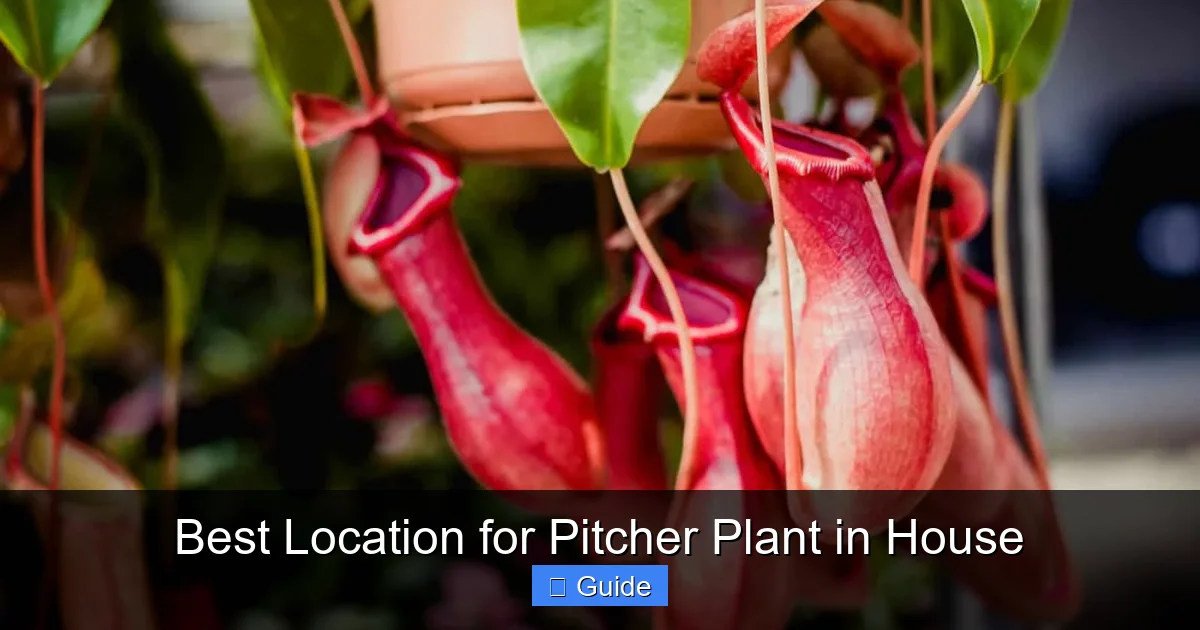
Visual guide about Best Location for Pitcher Plant in House
Image source: planetnatural.com
Bright Indirect Light Explained
You hear this term a lot. What does it mean? It means the plant sees the sky. But the sun does not hit the leaves directly. Think of a spot near a window. The light is bright. You can read easily. But no sunbeams touch the plant. This is the sweet spot for most Nepenthes.
East-Facing Windows: The Gold Standard
An east window gets morning sun. Morning sun is gentle. It is not hot. It provides good intensity. Then the rest of the day is bright shade. This mimics the jungle edge. Most tropical pitcher plants love this. It is often the best location for pitcher plant in house environments. The plant gets energy without stress.
North-Facing Windows: Reliable and Safe
North windows never get direct sun. The light is consistent. It is lower intensity. In summer it works great. In winter it may be too dim. You might need supplemental light. But you will never burn your plant here. It is a safe bet. Many growers use north windows successfully.
South and West Windows: Proceed with Caution
South and west windows get intense afternoon sun. This can fry a Nepenthes in hours. The pitchers will crisp. The leaves will yellow. If you must use these windows, pull the plant back. Use a sheer curtain. Place it several feet away. Monitor closely. Sarracenia can handle more. But even they can burn behind glass. Glass amplifies heat.
Measuring Light with Your Phone
Not sure how bright your spot is? Use a light meter app. Look for 10,000 to 20,000 lux for Nepenthes. Sarracenia want 20,000 to 50,000 lux. Cephalotus likes 15,000 to 25,000 lux. Measure at noon. Measure in different spots. Numbers do not lie. This helps you find the best location for pitcher plant in house areas objectively.
Signs of Too Little Light
Watch for these clues. The plant stretches. The stems get long and weak. The pitchers are small. Or they do not form at all. The color stays pale green. The plant looks floppy. New leaves are larger but thinner. This is etiolation. The plant is searching for light. Move it closer to the window. Or add a grow light.
Signs of Too Much Light
Watch for these too. The leaf tips turn brown. The pitchers crisp from the top down. Red color becomes bleached. White or yellow patches appear. The plant looks stressed. Growth slows. Move it back. Add a sheer curtain. Diffuse the light.
Humidity: The Invisible Requirement
Pitcher plants breathe through their leaves. They need moist air. Low humidity causes pitchers to abort. They shrivel before opening. The plant survives but looks sad. High humidity gives you big, colorful traps. This is often overlooked in home placement.
Ideal Humidity Ranges
Nepenthes want 60% to 80% humidity. Some highland species tolerate 50%. Lowland species need 80% plus. Sarracenia handle 40% to 60%. Cephalotus likes 50% to 70%. Most homes sit at 30% to 40%. Especially in winter. You must increase it.
Bathrooms: Natural Humidity Havens
A bright bathroom is amazing. Showers add moisture daily. The air stays humid. If you have an east window in your bathroom, that is prime real estate. It might be the absolute best location for pitcher plant in house setups. Just ensure enough light. Some bathrooms are too dark. Check the light level first.
Kitchens: Second Best Option
Kitchens have cooking steam. Sinks add evaporation. They tend to be more humid than living rooms. A window above the sink works well. Just keep the plant away from hot stoves. And away from cold drafts from the fridge. Grease particles can also clog pores. Wipe leaves occasionally.
Creating Humidity Anywhere
You are not stuck with bathroom or kitchen. You can build humidity. Use a pebble tray. Fill a tray with pebbles. Add water to just below the pebble tops. Set the pot on top. The water evaporates up. Group plants together. They create a microclimate. Run a humidifier nearby. Aim for 60% minimum. A cheap hygrometer helps you track it.
Terrariums and Grow Tents
For serious growers, enclosed spaces work best. A glass terrarium holds humidity perfectly. A grow tent with a humidifier gives total control. These let you grow difficult species. They let you grow in any room. The best location for pitcher plant in house might be a dedicated grow tent in your basement. Total control beats perfect window placement sometimes.
Misting: Helpful or Harmful?
People love to mist. It feels good. But it does not raise humidity long. It wets the leaves. Wet leaves invite fungus. Especially with poor air flow. Mist in the morning only. So leaves dry by night. Better to raise ambient humidity. Misting is a band-aid. Not a solution.
Temperature: Finding the Comfort Zone
Temperature works with light and humidity. It affects metabolism. It affects pitcher production. It affects dormancy needs. Most homes stay 68°F to 72°F. This works for many. But not all. Know your plant’s preference.
Highland vs Lowland Nepenthes
This distinction is crucial. Highland species grow on mountains. They want cool nights. 50°F to 60°F nights. 70°F to 80°F days. Lowland species grow at sea level. They want steady warmth. 70°F to 85°F nights. 80°F to 90°F days. Intermediate species fall between. Most store-bought plants are hybrids. They tolerate a range. But knowing the lineage helps.
Seasonal Temperature Shifts
Windows get cold at night in winter. The glass radiates chill. A plant touching the glass gets damaged. Leaves turn black. Pitchers die. Pull plants back six inches in winter. Use a cardboard barrier. Or move them to an interior shelf with lights. Summer brings heat. South windows become ovens. Move plants back. Or shade them.
Avoiding Drafts and Vents
Heating vents blow hot dry air. AC vents blow cold dry air. Both kill humidity. Both stress the plant. Do not place a pitcher plant near a vent. Not on the floor near baseboard heat. Not on a shelf near a register. Drafty doors are bad too. Cold blasts shock the plant. Stable temperature is the goal.
Using Heat Mats Wisely
Heat mats warm the roots. This helps in cold rooms. But they dry the soil fast. They can cook roots if too hot. Use a thermostat. Set it to 75°F. Only use if the room is below 65°F. Most homes do not need them. They are for basements or garages.
Air Circulation: The Forgotten Factor
Stagnant air causes problems. Fungus grows. Mold appears. Pests thrive. Leaves stay wet too long. Good air flow prevents this. But strong wind dries the plant. You need gentle movement. This is part of the best location for pitcher plant in house equation.
Natural Air Flow
An open window provides great flow. But only when weather permits. A cracked window in spring is perfect. The plant gets fresh air. Humidity enters. Pests leave. Just watch for cold snaps. And direct sun through the screen.
Small Fans on Low
A clip-on fan on the lowest setting works wonders. Point it near the plant. Not at the plant. You want indirect breeze. The leaves should barely tremble. Run it a few hours a day. Especially after watering. This mimics natural jungle breezes. It strengthens stems too.
Spacing Between Plants
Crowded plants block air. They create wet pockets. Fungus loves this. Space your plants. Leave a few inches between pots. Air should reach all sides. This also helps light penetration. Every leaf gets its share.
Water Access: Practical Placement Considerations
Pitcher plants need pure water. Distilled. Reverse osmosis. Rainwater. Tap water kills them slowly. Minerals build up. The soil becomes toxic. You will water often. Every few days in summer. Weekly in winter. The location must support this routine.
Near a Water Source
Carrying gallons of distilled water is annoying. Place the plant near where you store water. Or near a sink you can fill containers at. If you use a humidifier, be near that too. Convenience keeps you consistent. Consistency keeps the plant alive.
Drainage and Protection
These plants sit in water. The tray method is standard. The pot sits in an inch of water. This means overflow happens. Protect your furniture. Use waterproof trays. Use saucers. Put a plastic mat under the shelf. Do not risk water damage. A ruined shelf is not worth it.
Bottom Watering Setup
Some growers use deep trays. The pots sit in constant water. This is great for Sarracenia. Nepenthes prefer the tray to dry slightly. Know your species. Set up the watering system before placing the plant. Make it easy to maintain.
Seasonal Adjustments: The Moving Target
The best location for pitcher plant in house changes with seasons. The sun angle shifts. Day length changes. Indoor heating changes humidity. You cannot set and forget. You must adapt.
Spring: The Growth Surge
Days lengthen. Light intensifies. New growth emerges. The plant wakes up. Check light levels. The spot that worked in winter may be too bright now. Watch for burn. Increase watering. Humidity rises naturally. Enjoy the show. Pitchers form fast.
Summer: Managing Heat and Light
This is the danger zone. Afternoon sun is brutal. Temperatures spike. Humidity drops with AC. Move plants back from south and west windows. Add sheer curtains. Run humidifiers more. Check water daily. The plant grows fast but stress lurks.
Fall: The Transition
Light decreases. Growth slows. Reduce watering slightly. Prepare for winter. Clean windows to maximize light. Move plants closer to glass. But not touching. Stop fertilizing if you were. The plant prepares for rest.
Winter: The Challenge
Short days. Weak light. Dry heated air. Cold windows. This is the hardest season. Supplemental lights become essential. Humidifiers run constantly. Keep plants away from heating vents. Accept slower growth. Some species need dormancy. Research yours. Sarracenia must go cold. Nepenthes do not.
Grow Lights: Creating Your Own Perfect Spot
No good window? No problem. Grow lights let you choose any location. A shelf in the living room. A corner of the office. A basement rack. You control everything. This is often the true best location for pitcher plant in house for serious growers.
LED Technology
Modern LEDs are amazing. They run cool. They use little power. They last years. Full spectrum white lights look nice. Red-blue “blurple” lights grow faster but look weird. Choose 5000K to 6500K color temperature. This mimics noon sun. Look for high CRI (Color Rendering Index) for accurate plant colors.
Light Distance and Duration
Hang lights 12 to 18 inches above the plant. Adjust based on intensity. Run 14 to 16 hours in summer. 12 to 14 hours in winter. Use a timer. Consistency matters. Plants measure day length. It triggers flowering. It triggers dormancy. Do not guess. Use a timer.
Shelf Setups
Wire shelving units are perfect. Four feet wide. Five shelves. Lights under each shelf. Trays on each level. Fans on the ends. Humidifier on the bottom. This is a grow rack. It holds dozens of plants. It fits in a closet. It fits in a corner. It is the ultimate controlled environment.
Common Placement Mistakes to Avoid
Let me save you some heartache. These are the errors I see constantly. Learn from them. Do not repeat them.
Placing Directly on a Radiator
Heat rises. The pot gets hot. The roots cook. The soil dries in hours. Humidity hits zero. The plant dies fast. Never put plants on heat sources. Not on radiators. Not on fridge tops. Not on cable boxes. Keep them cool at the roots.
Ignoring the Night Temperature Drop
Highland Nepenthes need cool nights. A constant 72°F weakens them. They stop pitchering. They decline slowly. Crack a window at night. Or move them to a cooler room. A basement. An unheated sunroom. The temperature differential drives metabolism.
Using Tap Water Because It’s Convenient
The kitchen sink is right there. The plant is thirsty. Just this once. Then again. Minerals accumulate. The soil turns toxic. The plant yellows. The roots burn. Recovery is hard. Keep distilled water handy. Make it easy to do the right thing.
Putting the Plant in a Dark Corner “For Decor”
It looks pretty on that shelf. But there is no light. The plant slowly starves. It takes months to show. By then it is weak. Pests attack. It dies. Do not sacrifice light for aesthetics. Use a grow light if the spot is dark. Or choose a fake plant for that corner.
Forgetting to Rotate the Plant
Light comes from one side. The plant leans. Growth becomes lopsided. One side pitchering. The other side bare. Rotate the pot a quarter turn weekly. This keeps growth even. It keeps the plant balanced. It looks better too.
Species-Specific Placement Guide
Different plants need different spots. Here is a quick reference for popular species.
Nepenthes ventrata (The Common Hybrid)
Very forgiving. Bright indirect light. 60% humidity. 65°F to 85°F. East window perfect. Adapts to lower humidity. Great beginner plant. The best location for pitcher plant in house for this one is almost anywhere bright.
Nepenthes alata (Another Easy Hybrid)
Similar to ventrata. Maybe slightly more light tolerant. Handles windowsill life well. Produces pitchers readily. Good for learning.
Sarracenia purpurea (Purple Pitcher Plant)
Needs full sun. South window minimum. Better under grow lights. Needs winter dormancy. Cold garage or fridge. 35°F to 45°F for 3 months. Wet soil always. Not a typical houseplant year-round.
Cephalotus follicularis (Albany Pitcher Plant)
Bright light. Cool nights. 50°F to 60°F ideal. Distinct wet and dry seasons. Tricky indoors. Best in a terrarium with temperature control. For experienced growers.
Darlingtonia californica (Cobra Lily)
Cool roots essential. Running water over roots in nature. Needs chilled water. Full sun but cool temperatures. Very difficult indoors. Not recommended for beginners.
Troubleshooting Location Problems
Something wrong? Check these location-related issues.
Pitchers Not Forming
Almost always light. Increase intensity. Move closer to window. Add grow light. Check duration. 14 hours minimum. Also check humidity. Too dry aborts pitchers. Fertilizer can also inhibit pitchers. Stop feeding. Let the plant catch bugs.
Pitchers Drying Up Fast
Humidity too low. Raise it. Pebble tray. Humidifier. Group plants. Also check water. Soil drying out kills pitchers fast. Keep the tray filled. Check daily in summer.
Leaves Turning Red or Purple
Usually high light stress. Some red is good. Deep purple is too much. Move back. Add sheer curtain. But note: some species are naturally red. Know your plant. Sarracenia get red in sun. That is normal.
Mold on Soil Surface
Air stagnant. Too wet. Increase air flow. Let top dry slightly. Remove mold manually. Sprinkle cinnamon. It is a natural fungicide. Improve conditions.
Plant Leaning Hard One Way
Light is directional. Rotate weekly. Or add light from the other side. A second grow light. A mirror to reflect. Even growth is strong growth.
Creating a Pitcher Plant Display
You want it to look good. Function first. But beauty matters. Here are display ideas that work.
Windowsill Garden
East window. Row of matching pots. Ceramic or plastic. Matching saucers. A long pebble tray. A small hygrometer. A clip fan. It looks intentional. It looks clean. The plants thrive.
Hanging Baskets
Nepenthes vine. They look great hanging. Use a macrame hanger. Hang in front of an east window. The pitchers dangle. They catch light. They catch bugs. Water carefully. Use a squeeze bottle. Do not make a mess.
Terrarium Centerpiece
Large glass jar. Or aquarium. Layer of charcoal. Layer of sphagnum. Plant the Nepenthes. Add moss. Add a small fern. Close the lid partially. Place on a side table. Add a small LED strip. It is living art.
Grow Rack Display
Wire shelf in the living room. Nice bins on bottom for supplies. Plants on top shelves. Lights hidden under each shelf. A decorative screen in front. Guests see plants. Not equipment. Functional beauty.
Travel and Vacation Care
You leave town. The plant stays. The location must support survival.
Short Trips (Weekend)
Water well before leaving. Fill the tray extra. Group plants for humidity. Close the room door. Stable temperature. They will be fine for three days.
Long Trips (Week or More)
Use a capillary mat. It wicks water from a reservoir. Or ask a friend. Give clear instructions. Distilled water only. Check tray. Do not touch pitchers. Set a video call to verify.
Automated Systems
Drip irrigation on a timer. Humidifier on a hygrometer stat. Lights on a timer. Fans on a timer. The plant cares for itself. Expensive but reliable. Worth it for large collections.
Frequently Asked Questions About Placement
Let me address the questions I hear most often.
Can I put my pitcher plant outside in summer?
Yes! Most love it. But acclimate slowly. Start in full shade. Two weeks. Then dappled light. Watch for burn. Bring in before nights drop below 50°F. Check for pests before bringing in. Outdoor summer growth is often the best of the year.
What if I only have north windows?
Use grow lights. North windows work in summer. Winter is too dim. A simple LED fixture fixes this. Run it 14 hours. The plant will thrive. Many growers use only artificial light. It works perfectly.
Is a closed terrarium necessary?
Not for easy species. Ventrata and alata do fine open. Highland species prefer it. Lowland species need it. A terrarium makes difficult plants easy. But it adds complexity. Mold risk. Heat buildup. Start open. Graduate to terrarium if needed.
Can I grow them under regular house lights?
Regular LEDs are too dim. Too far away. Wrong spectrum. You need grow lights. They are affordable now. A $20 clip light works for one plant. Do not skimp on light. It is the energy source.
Why did my plant die after I moved it?
Shock. Sudden change in light. Or humidity. Or temperature. Always acclimate. Move gradually. One hour more light per day. Over two weeks. Same for humidity changes. Plants hate sudden moves.
Conclusion: Your Plant, Your Home, Your Success
Finding the best location for pitcher plant in house settings takes observation. It takes adjustment. It takes patience. But the principles are simple. Bright indirect light. High humidity. Stable temperatures. Good air flow. Pure water. Match these to your home. Match these to your species.
Start with an east window. Add a pebble tray. Monitor with a hygrometer. Watch the plant. It will tell you. New pitchers mean happiness. Crispy pitchers mean stress. Adjust accordingly. Every home is different. Every plant is different. The perfect spot exists. You just have to find it.
Remember that this is a journey. You will kill a few. We all do. Learn each time. The next one grows better. The pitchers get bigger. The colors get deeper. The satisfaction grows. There is nothing quite like a homegrown pitcher plant catching a fly. It connects you to nature. It reminds you of the wild. And it all starts with location.
So look around your house today. Find that east window. Clear the sill. Set up the tray. Bring home the plant. You are ready. Your pitcher plant journey begins now. Happy growing!
Frequently Asked Questions
What is the best location for pitcher plant in house environments for beginners?
An east-facing windowsill with a pebble tray for humidity is the best starting location. It provides gentle morning sun, bright indirect light all day, and easy access for watering with distilled water.
Can pitcher plants survive in low light conditions?
Pitcher plants cannot survive long-term in low light. They will stop producing pitchers, become leggy and weak, and eventually die. Supplemental grow lights are required if natural light is insufficient.
How do I know if my pitcher plant location has enough humidity?
Use a digital hygrometer to measure humidity at plant level. Aim for 60-80% for tropical species. Signs of low humidity include pitchers drying up before opening, brown leaf tips, and slow growth.
Is it okay to place a pitcher plant near an air conditioning vent?
Avoid placing pitcher plants near AC or heating vents. The dry, forced air rapidly lowers humidity and causes temperature fluctuations that stress the plant and prevent pitcher formation.
What temperature range is best for indoor pitcher plants?
Most tropical pitcher plants thrive at 70-85°F during the day and 60-70°F at night. Highland species prefer cooler nights (50-60°F). Avoid temperatures below 50°F or above 95°F for extended periods.
Can I use tap water if I let it sit out overnight?
No, letting tap water sit does not remove dissolved minerals. Pitcher plants require pure water (distilled, reverse osmosis, or rainwater). Mineral buildup from tap water will eventually kill the plant.