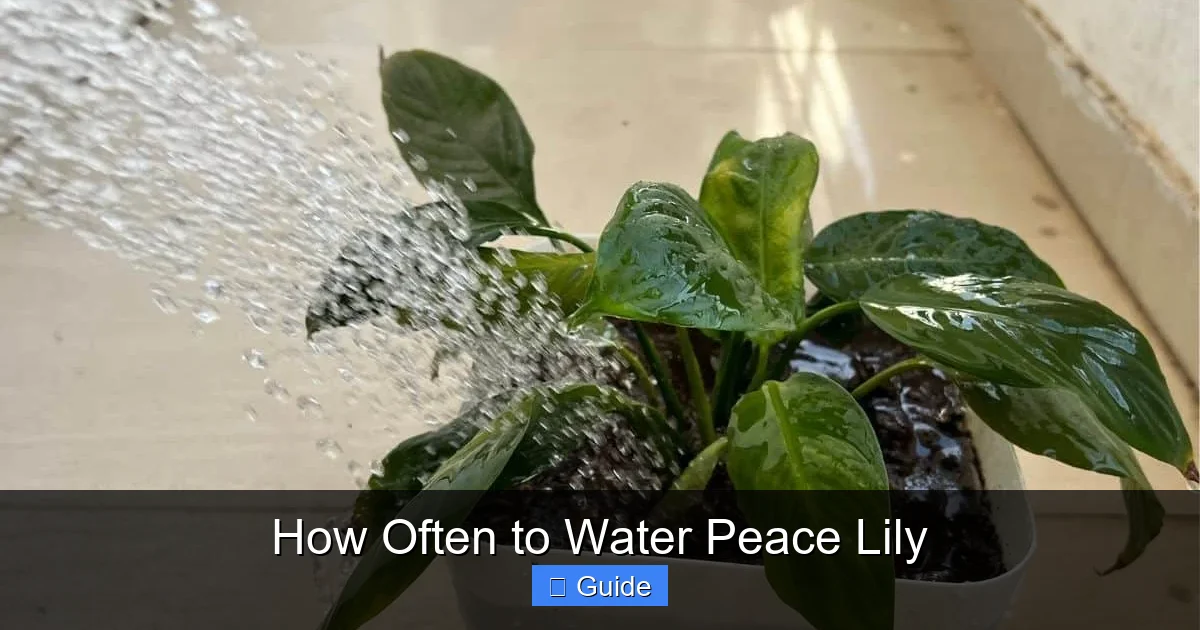
How Often to Water Peace Lily
Peace lilies need water when the top inch of soil feels dry, typically every 5-7 days in average home conditions. Always check soil moisture before watering rather than following a rigid schedule, and adjust frequency based on light, temperature, humidity, and season.
Key Takeaways
- Check soil first: Water only when the top 1-2 inches of soil feel dry to the touch.
- Typical frequency: Most peace lilies need water every 5-7 days in normal indoor conditions.
- Drooping leaves signal thirst: Peace lilies dramatically droop when they need water, then perk up within hours.
- Avoid overwatering: Yellow leaves, brown tips, and mushy stems indicate too much water.
- Seasonal changes matter: Water more in spring and summer growth periods, less in fall and winter dormancy.
- Water quality counts: Use room temperature, filtered or distilled water to prevent brown leaf tips.
- Pot and soil affect timing: Well-draining soil and pots with drainage holes prevent root rot.
Quick Answers to Common Questions
How often should I water my peace lily in summer?
In summer, check every 3-4 days. Water when the top inch of soil feels dry. Hot, bright conditions may require watering every 3 days. Cool, humid conditions may stretch to 5-6 days.
Why does my peace lily droop even after watering?
If your peace lily stays droopy after watering, the roots may be rotted from chronic overwatering. Check roots for brown, mushy texture. Repot in fresh soil if roots are damaged.
Can I water my peace lily with tap water?
Yes, but let it sit 24 hours to dissipate chlorine. Better options are filtered, distilled, or rainwater. Tap water chemicals cause brown leaf tips over time.
Should I mist my peace lily between waterings?
Misting briefly raises humidity but does not replace root watering. A humidifier or pebble tray provides more consistent humidity. Wet leaves overnight can cause fungal spots.
How do I know if my peace lily needs repotting?
Water runs straight through without absorbing. Roots circle the bottom or emerge from drainage holes. Soil dries in 1-2 days. Plant is top-heavy and tips easily. Spring is the best time to repot.
📑 Table of Contents
- Introduction: Understanding Your Peace Lily’s Thirst
- Why Peace Lilies Are Unique Water Communicators
- The Golden Rule: Check Soil Before You Water
- Typical Watering Frequency by Conditions
- Seasonal Watering Adjustments
- Water Quality and Technique Matter
- Signs You Are Overwatering or Underwatering
- Special Situations and Troubleshooting
- Creating Your Personal Peace Lily Watering Routine
- Conclusion: Trust Your Plant, Not the Calendar
Introduction: Understanding Your Peace Lily’s Thirst
If you have ever owned a peace lily, you know the drama. One day the plant stands tall with glossy green leaves. The next morning it collapses into a dramatic droop that makes you panic. You water it. Within hours it perks back up like nothing happened. This theatrical behavior is actually your best guide for how often to water peace lily plants.
Many plant parents struggle with watering frequency. They want a simple answer like “every Tuesday” or “once a week.” But peace lilies do not follow calendars. They respond to their environment. Light levels change. Seasons shift. Humidity rises and falls. The pot size matters. The soil mix matters. All these factors change how fast the soil dries out.
In this guide, we will cover everything you need to know about watering peace lilies. You will learn to read your plant’s signals. You will understand how to check soil moisture properly. You will discover how seasons affect watering needs. And you will master the art of giving your peace lily exactly what it needs, when it needs it.
Why Peace Lilies Are Unique Water Communicators
Most houseplants suffer silently when thirsty. Their leaves may curl or brown at the edges days after the soil dries out. Peace lilies are different. They have a built-in early warning system that is impossible to miss.
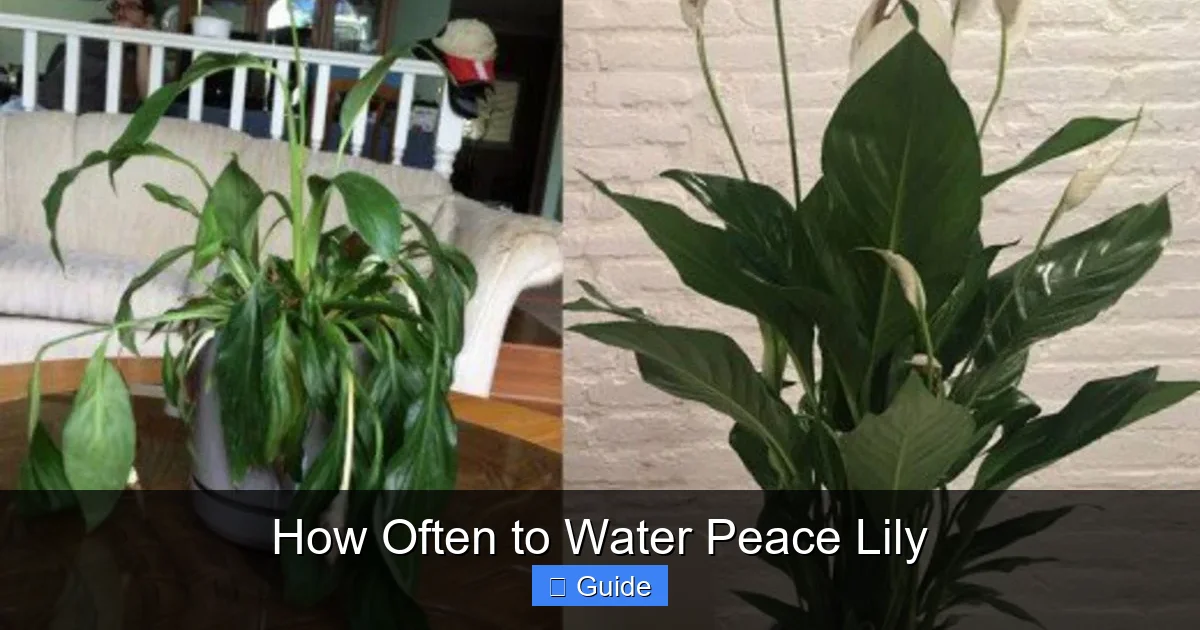
Visual guide about How Often to Water Peace Lily
Image source: images.saymedia-content.com
The Famous Peace Lily Droop
When a peace lily needs water, the entire plant collapses. Leaves and stems go limp. The plant looks dead. This dramatic response happens because peace lily cells lose turgor pressure quickly when water is scarce. The large, thin leaves transpire moisture rapidly. Without water replacement, the structural pressure inside cells drops.
The good news? This droop is reversible. Water a drooping peace lily thoroughly. Within two to six hours, the plant stands tall again. The leaves firm up. The stems straighten. It is one of the most satisfying recoveries in the plant world.
Why You Should Not Wait for the Droop
Just because peace lilies can recover from severe drooping does not mean they should experience it regularly. Each dramatic wilt stresses the plant. Repeated severe drying damages root hairs. It weakens the plant over time. Flower production decreases. Leaf quality declines. The plant becomes more susceptible to pests and disease.
Think of the droop as an emergency signal, not a routine reminder. Your goal is to water before the emergency happens. Check the soil regularly. Water when the top inch feels dry. This keeps your peace lily in its happy zone without the stress cycles.
Individual Plant Variations
Not every peace lily droops the same way. Some varieties are more dramatic. Others hold their shape longer. Younger plants with smaller root systems droop faster. Mature plants in large pots have more soil moisture reserve. Get to know your specific plant’s personality. Track how many days pass between watering and the first sign of droop. That becomes your personal baseline.
The Golden Rule: Check Soil Before You Water
If you remember only one thing from this guide, make it this: never water on a schedule, always water based on soil moisture. This single habit prevents more plant deaths than any other practice.
How to Check Soil Moisture Correctly
Forget the surface glance. The top of the soil dries fastest. It can look bone dry while the root zone stays soggy. You need to know what is happening where the roots actually live.
The finger test: Insert your index finger into the soil up to the second knuckle. That is about two inches deep. Feel for moisture. Cool, damp soil means wait. Dry, warm soil means water. This is the most reliable method and costs nothing.
The chopstick method: Push a wooden chopstick or skewer deep into the soil. Leave it for a minute. Pull it out. If the bottom half shows dark, damp soil particles clinging, the soil is moist. If it comes out clean and dry, water is needed.
Moisture meters: These inexpensive tools give a numerical reading. Insert the probe to root depth. Read the scale. Most peace lilies want water when the meter reads 3-4 on a 1-10 scale. Meters are helpful for beginners but not essential.
Pot weight: Lift the pot when freshly watered. Feel the heft. Lift again when dry. The weight difference is significant. Over time you will know by feel alone. This works best for smaller pots you can easily lift.
What “Top Inch Dry” Actually Means
You will hear “water when the top inch is dry” constantly. But what does that feel like? Dry soil at that depth feels warm, dusty, and separates easily. It does not clump. It may pull away from the pot edges slightly. Moist soil feels cool, slightly sticky, and holds together when pressed.
For peace lilies specifically, the top 1-2 inches should be dry before the next watering. The soil below should still hold some moisture. You are not waiting for the entire pot to dry out. Peace lilies like consistent moisture, not wet-dry extremes.
Common Checking Mistakes
Many people check only the surface. They see dry crust and water immediately. The lower soil is still wet. This leads to chronic overwatering. Others check only one spot. Soil dries unevenly. Check two or three spots around the plant. Check near the edge and near the center. Water only when all test spots show dry conditions at depth.
Typical Watering Frequency by Conditions
While checking soil is the only true guide, it helps to know what “normal” looks like. Here are typical ranges for different situations.
Average Home Conditions
In a typical home with moderate light, 65-75°F temperature, and 40-50% humidity, expect to water every 5-7 days. A standard 6-8 inch pot with quality potting mix holds enough moisture for about a week. Smaller pots dry faster. Larger pots go longer.
Bright Light Conditions
Peace lilies in bright, indirect light use water faster. More light means more photosynthesis. More photosynthesis means more transpiration. The plant pulls water from soil quicker. In bright spots, check every 3-4 days. You may water every 4-5 days.
Low Light Conditions
In lower light, growth slows. Transpiration decreases. Soil stays moist longer. You might water only every 10-14 days. But be careful. Low light plus wet soil is a recipe for root rot. Always verify soil dryness before watering in low light.
High Temperature and Low Humidity
Hot, dry air pulls moisture from soil and leaves rapidly. In summer with air conditioning off, or near heating vents in winter, check daily. Watering every 2-3 days may be needed. Consider a humidity tray or humidifier to slow the drying.
Cool Temperature and High Humidity
In cool, humid conditions like a bathroom with a shower, soil stays moist for weeks. You may water only every 2-3 weeks. This is fine as long as the plant gets enough light. Peace lilies actually love bathroom humidity.
Pot Size and Material Effects
Terracotta pots breathe. They wick moisture from soil and evaporate it through the walls. Soil in terracotta dries 30-50% faster than in plastic or glazed ceramic. A peace lily in a 6-inch terracotta pot might need water every 4 days. The same plant in a plastic pot might go 7 days.
Small pots have less soil volume. Less soil holds less water. A 4-inch pot may need water every 3 days. A 12-inch pot might go 10-14 days. Always match your checking frequency to your pot size.
Seasonal Watering Adjustments
Seasons change everything. Light intensity shifts. Day length changes. Indoor heating and cooling cycles activate. Your peace lily feels all of it.
Spring: The Growth Surge
Spring brings longer days and stronger light. Peace lilies wake up from winter rest. New leaves emerge. Flower spikes form. The plant drinks heavily to fuel this growth. Check soil every 3-4 days. Water when the top inch is dry. You will likely water every 4-5 days during active spring growth.
This is also repotting season. If you move your peace lily to a larger pot with fresh soil, the new mix holds moisture differently. Check more frequently for the first few weeks until you learn the new rhythm.
Summer: Peak Demand
Summer is often the highest water demand period. Long days. Intense light. Warm temperatures. Active growth continues. If your peace lily spends summer outdoors in shade, it may need daily watering. Indoors with air conditioning, every 3-4 days is common.
Watch for heat waves. A string of 90°F days with low humidity can dry a pot in 48 hours. Check daily during extreme weather. Morning watering is best in summer. It hydrates the plant before the day’s heat.
Fall: Gradual Reduction
As days shorten and light weakens, growth slows. The plant needs less water. But do not suddenly stop watering. Taper gradually. Check every 5-6 days instead of 3-4. Water when soil indicates. You will naturally fall into a 7-10 day rhythm.
Fall is tricky because indoor heating often starts. Heating dries air. Dry air increases transpiration. You might water more than expected for the light level. Always let soil be your guide, not the calendar.
Winter: Minimal Needs
Winter is the danger zone for overwatering. Short days. Weak light. Cool temperatures (near windows). Slow or zero growth. The plant uses very little water. Soil stays wet for weeks.
Check every 10-14 days. Water only when the top 2 inches are truly dry. This might mean watering every 2-3 weeks. Some peace lilies in cool, low-light spots go a month between waterings in winter.
Critical winter tip: Never let water sit in the saucer. Cold, wet roots rot fast. Empty saucers within 30 minutes of watering. Use room temperature water. Cold tap water shocks tropical roots.
Water Quality and Technique Matter
How you water is almost as important as when you water. Peace lilies are sensitive to chemicals and temperature extremes.
The Tap Water Problem
Most municipal water contains chlorine, chloramine, and fluoride. These chemicals accumulate in soil over time. Peace lilies show sensitivity through brown leaf tips and edges. The chemicals damage leaf cells at the margins where transpiration concentrates them.
Solutions: Let tap water sit uncovered for 24 hours. Chlorine evaporates. Chloramine does not. For chloramine, use a filter. Brita-type pitchers remove chlorine and some chloramine. Reverse osmosis systems remove everything. Distilled water works perfectly but lacks minerals. If you use distilled or RO water, fertilize occasionally to replace minerals.
Rainwater is ideal if you can collect it. It is naturally soft, slightly acidic, and chemical-free. Melted snow works too. Just warm it to room temperature first.
Water Temperature Shock
Ice cold water from a winter tap can shock tropical roots. The sudden temperature drop damages root hairs. The plant may droop from shock, not thirst. Always use room temperature water. Fill your watering can after each use. Let it sit until next time. It will be perfect temperature.
Thorough Watering Technique
When you water, water thoroughly. Pour slowly around the entire soil surface. Not just one spot. Continue until water flows freely from drainage holes. This ensures the entire root ball is moistened. It also flushes accumulated salts from fertilizer and tap water.
After watering, let the pot drain completely. Empty the saucer. Never let a peace lily sit in standing water. That is the fastest route to root rot.
Bottom Watering Option
Some growers prefer bottom watering. Place the pot in a basin of water. Let soil absorb moisture from the bottom up. This encourages deep root growth. It keeps the soil surface drier, reducing fungus gnats. Remove the pot when the soil surface feels damp. This takes 20-40 minutes depending on pot size.
Bottom watering does not flush salts from the top down. Once a month, water from the top thoroughly to flush the soil.
Misting: Helpful or Harmful?
Misting raises humidity briefly. Peace lilies enjoy humidity. But misting does not water the roots. Wet leaves in low airflow encourage fungal spots. If you mist, do it in morning so leaves dry by night. Better yet, use a humidifier or pebble tray for consistent humidity.
Signs You Are Overwatering or Underwatering
Your peace lily communicates clearly if you know the language. Learn to distinguish thirst from drowning.
Underwatering Signals
Dramatic droop: The classic collapse. Leaves and stems go limp. Soil is bone dry. Plant perks up within hours of watering.
Crispy brown edges: Leaf margins turn brown and papery. This happens after repeated or severe drying. The damage is permanent on affected leaves.
Yellowing lower leaves: The plant sacrifices oldest leaves to save resources to new growth. It pulls nutrients from lower leaves. They yellow, then brown, then drop.
Slow growth: New leaves emerge smaller. Flower production stops. The plant survives but does not thrive.
Soil pulls away: The soil mass shrinks and separates from pot walls. Water runs straight down the gap without wetting the root ball.
Overwatering Signals
Yellow leaves, especially lower ones: But unlike underwatering, these leaves are soft, not crispy. They may have a mushy feel at the base.
Brown tips with yellow halos: The brown tip is surrounded by a yellow ring. This indicates root stress from lack of oxygen.
Mushy stems: Stems near soil line feel soft. They may turn brown or black. This is stem rot.
Fungus gnats: Tiny black flies hovering around the soil. Their larvae feed on fungus in constantly wet soil. They indicate the soil stays too wet.
Mold on soil surface: White or gray fuzzy growth on top of soil. Harmless to plant but signals excessive moisture.
No perk-up after watering: You water a droopy plant. It does not recover. Roots have rotted. They cannot take up water even though soil is wet.
The Confusing Middle Ground
Sometimes symptoms overlap. Brown tips can come from underwatering, overwatering, low humidity, or chemical sensitivity. Yellow leaves can be natural aging, nutrient deficiency, or water issues.
When in doubt, check the roots. Gently slide the plant from its pot. Healthy roots are white or light tan, firm, and smell earthy. Rotting roots are brown or black, mushy, and smell sour or swampy. If roots are healthy, adjust watering based on soil checks. If roots are rotting, you need emergency intervention.
Special Situations and Troubleshooting
Real life throws curveballs. Here is how to handle common peace lily watering scenarios.
Reviving a Severely Underwatered Peace Lily
You forgot. You traveled. The plant is crispy and collapsed. Do not panic. Peace lilies are surprisingly resilient.
First, do not just pour water on top. Bone dry soil repels water. It runs straight through the gaps. Instead, bottom water. Place the pot in a sink or bucket of room temperature water. Let it soak for 30-60 minutes. The soil will slowly rehydrate from the bottom up. You will see bubbles stop rising when the air pockets are filled.
Remove the pot. Let it drain thoroughly. Place in bright, indirect light. Do not fertilize. Do not repot. Wait. The plant may take 24-48 hours to fully perk up. Some leaves may not recover. Trim completely dead leaves at the base. The plant will push new growth from the crown.
Saving an Overwatered Peace Lily
You loved it too much. The soil is soggy. Leaves are yellow and mushy. Act fast.
Remove the plant from its pot. Gently shake off wet soil. Inspect roots. Cut away any brown, black, or mushy roots with clean scissors. Healthy roots are firm and light colored.
If significant root loss occurred, trim some foliage to balance. The reduced root system cannot support all the leaves. Cut the largest, oldest leaves at the base.
Repot in fresh, well-draining mix. Use a pot with drainage holes. Do not water immediately. Let the cut roots callous for a day. Then water lightly. Place in bright, indirect light. Wait for new growth before resuming normal care.
Peace Lily in Water Only (Hydroponics)
Some people grow peace lilies in water permanently. This works but requires different care. Change water weekly. Use liquid fertilizer at 1/4 strength monthly. Clean the container and roots monthly to prevent algae and slime. Roots grown in water look different. They are whiter and more brittle. Transitioning from soil to water means the plant must grow new water roots. Expect some die-off during transition.
Vacation Watering Solutions
Going away for two weeks? Peace lilies can handle it with preparation.
Water thoroughly before leaving. Bottom water for an hour. Let drain completely.
Move to lower light. Less light means slower water use. Pull back from the window.
Group plants together. They create a humidity microclimate.
Use watering spikes or globes. Test them a week before to ensure they work.
Capillary matting. Place pots on a wet towel trailing into a water reservoir.
Ask a friend. Best option. Leave clear instructions: “Check soil. Water only if top inch dry.”
Newly Purchased or Gifted Plants
Store-bought peace lilies are often in peat-heavy mixes that hold water differently than your home mix. They may be rootbound. Check daily for the first two weeks. Learn its rhythm. Repot in spring if needed, but not immediately. Let it acclimate first.
Creating Your Personal Peace Lily Watering Routine
Now you have all the knowledge. Let us build a simple, sustainable routine that fits your life.
Weekly Check-In Habit
Pick one day a week. Sunday morning. Saturday afternoon. Whatever works. Make it your plant check day. Walk your plants. Finger test each peace lily. Water only those that need it. Skip the ones that do not. This 5-minute habit prevents 90% of problems.
Keep a Simple Log
Notes app. Calendar. Notebook. Record watering dates. Note any droops. Track seasonal patterns. After a year, you will see your plant’s unique rhythm. You will know exactly when to check in July versus January.
Set Up for Success
Keep your watering can filled and at room temperature. Store it near your plants. Have a moisture meter if you like gadgets. Keep scissors for trimming. Have a saucer emptying routine. Remove barriers to care.
Adjust for Life Changes
New job? Less time? Move plants to lower light to slow growth. Going on vacation? Set up self-watering. New baby? Accept that some leaves may crisp. Plants are resilient. They bounce back.
Teach Others
If someone else waters your plants, show them the finger test. Write a one-sentence note: “Water when top inch feels dry. Pour until it drains. Empty saucer.” Simple instructions prevent well-meaning overwatering.
Conclusion: Trust Your Plant, Not the Calendar
You now know more about how often to water peace lily plants than most plant shop employees. The secret is not a number of days. The secret is a relationship. You check. You observe. You respond. Your peace lily tells you everything you need to know through its soil, its leaves, its posture.
Remember the core principles. Check soil moisture at root depth before every watering. Water thoroughly until it drains. Empty the saucer. Use room temperature, chemical-free water when possible. Adjust for seasons, light, pot size, and humidity. Watch for the early droop but do not wait for it. Celebrate the perk-up when it comes.
Peace lilies want to thrive. They are forgiving teachers. Every mistake teaches you something. Every recovery builds confidence. Soon you will walk past your plant, stick a finger in the soil, and know exactly what to do. No app. No schedule. Just you and your plant, communicating perfectly.
Your peace lily is waiting. Go check the soil.
Frequently Asked Questions
How often to water peace lily in winter?
In winter, peace lilies typically need water every 2-3 weeks. Check the top 2 inches of soil and water only when completely dry. Reduced light and cooler temperatures slow growth and water uptake significantly.
Can peace lily recover from overwatering?
Yes, peace lilies can recover from overwatering if caught early. Remove the plant, trim rotted roots, repot in fresh well-draining soil, and water sparingly until new growth appears. Severe root rot may be fatal.
Why are my peace lily leaves turning yellow?
Yellow leaves usually indicate overwatering, especially if leaves are soft. Underwatering causes yellow, crispy leaves. Natural aging affects only the oldest bottom leaves. Check soil moisture to determine the cause.
Should I bottom water or top water my peace lily?
Both methods work. Top watering flushes salts from soil. Bottom watering encourages deep roots and keeps the surface drier. Alternate monthly: bottom water regularly, top water once a month to flush minerals.
How much water does a peace lily need per watering?
Water thoroughly until water flows freely from drainage holes. This ensures the entire root ball is moistened. For a 6-inch pot, this is typically 1-2 cups. Always empty the saucer after 30 minutes.
Why does my peace lily have brown tips?
Brown tips result from tap water chemicals (fluoride, chlorine), low humidity, inconsistent watering, or fertilizer buildup. Use filtered water, increase humidity, water consistently, and flush soil monthly.