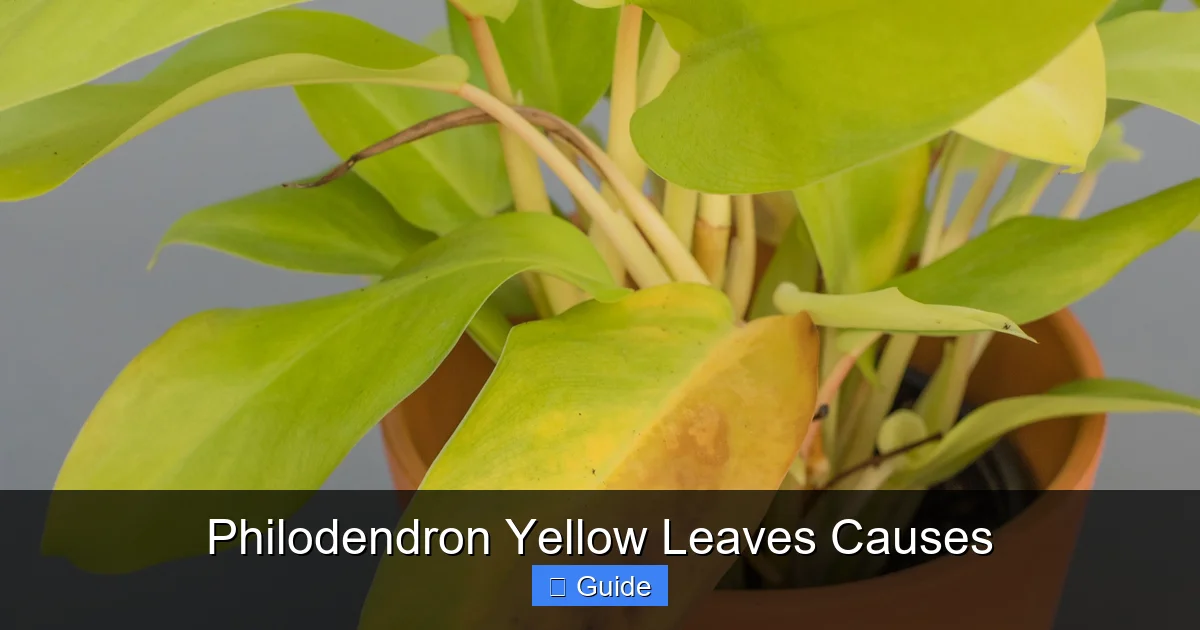
Philodendron Yellow Leaves Causes
Philodendron yellow leaves causes typically include overwatering, underwatering, poor lighting, nutrient deficiencies, and pest infestations. Identifying the specific cause is essential for proper treatment and preventing future leaf yellowing. This guide walks you through every possible reason and solution.
Nothing quite compares to the sinking feeling of watching your beautiful philodendron develop yellow leaves. One day it looks lush and vibrant, the next you notice those telltale golden patches spreading across the foliage. You are not alone. Every plant parent faces this issue at some point. The good news? Most philodendron yellow leaves causes are completely fixable once you know what to look for.
Philodendrons are generally forgiving plants, but they communicate clearly when something is wrong. Yellow leaves are their way of waving a flag and asking for help. The trick is learning to read the specific pattern of yellowing. Is it the older leaves at the bottom? The newest growth? Just the edges? Each pattern points to a different problem. In this comprehensive guide, we will walk through every common cause, how to identify it, and exactly what steps to take to restore your plant to health.
Key Takeaways
- Overwatering is the number one cause: Soggy soil suffocates roots and leads to yellow leaves starting from the bottom of the plant
- Lighting matters more than you think: Both too much direct sun and too little light trigger yellowing in different patterns
- Nutrient deficiencies show distinct patterns: Nitrogen deficiency yellows older leaves first while iron deficiency affects new growth
- Pests leave telltale signs: Spider mites, mealybugs, and scale cause stippled yellowing with visible bugs or webbing
- Natural aging is normal: Older leaves at the base yellow and drop as the plant focuses energy on new growth
- Temperature stress causes sudden changes: Cold drafts or heat vents create yellow patches within days
- Early detection saves plants: Weekly leaf checks catch problems before they spread to the entire plant
Quick Answers to Common Questions
Why are my philodendron leaves turning yellow at the bottom only?
Bottom-only yellowing usually means natural aging, overwatering, or nitrogen deficiency. Check soil moisture first. If wet, it is overwatering. If dry and you have not fertilized in months, it is likely nitrogen. If the plant looks otherwise healthy and pushing new growth, it is probably natural aging.
Can yellow philodendron leaves turn green again?
No, yellow leaves cannot turn green again. The chlorophyll is gone. Focus on fixing the underlying cause so new growth emerges healthy. Remove yellow leaves once they are fully yellow to redirect energy.
How often should I water my philodendron to prevent yellow leaves?
Water when the top two inches of soil feel dry. This typically means every 7-10 days but varies with light, humidity, pot size, and season. Always check with your finger rather than watering on a schedule.
What does overwatering vs underwatering look like on philodendron?
Overwatered leaves feel soft and mushy, yellow from bottom up, soil smells musty. Underwatered leaves feel crisp and papery, yellow from edges inward, soil is rock hard and pulled from pot sides.
Should I cut off yellow leaves on my philodendron?
Yes, once a leaf is fully yellow it will not recover. Cut it at the base of the stem with clean scissors. This prevents potential disease spread and lets the plant focus energy on healthy growth.
📑 Table of Contents
- Understanding Normal vs Problematic Yellowing
- Overwatering and Root Rot: The Silent Killer
- Underwatering: The Other Extreme
- Lighting Problems: Too Much or Too Little
- Nutrient Deficiencies: What Your Plant Is Missing
- Pest Infestations: Tiny Bugs, Big Damage
- Temperature and Humidity Stress
- Water Quality Issues
- Pot Size and Root Bound Problems
- Disease: Fungal and Bacterial Issues
- Natural Aging: When Yellow Is Normal
- Putting It All Together: A Diagnostic Checklist
- Conclusion
Understanding Normal vs Problematic Yellowing
Before we dive into the problems, let us talk about what is normal. Philodendrons naturally shed older leaves as they grow. This is part of their life cycle. The plant redirects energy from lower, less efficient leaves to fresh new growth at the top. You will typically see one or two bottom leaves turn yellow, then brown, then drop off every few months. This is healthy.
Problematic yellowing looks different. It happens faster. It affects multiple leaves at once. It appears on new growth. It comes with other symptoms like brown spots, mushy stems, or webbing. The key is context. A single yellow leaf on a thriving plant is nothing to worry about. Five yellow leaves in a week on a plant that has stopped growing? That demands attention.
How to Tell the Difference
Check the location first. Natural aging affects the oldest, lowest leaves only. Nutrient issues often show on older leaves too but with specific patterns. Overwatering hits the bottom leaves hardest but spreads upward quickly. Light problems affect leaves based on their exposure. Pest damage appears wherever the bugs are feeding.
Next, check the texture. Overwatered leaves feel soft and mushy. Underwatered leaves feel crisp and papery. Pest damage often feels slightly rough or sticky. Nutrient deficiencies leave leaves thin and flimsy but not mushy.
Finally, check the timing. Sudden yellowing over days suggests shock from temperature, light change, or overwatering. Gradual yellowing over weeks points to chronic issues like nutrient depletion or consistent underwatering.
Overwatering and Root Rot: The Silent Killer
If there is one cause that tops every list of philodendron yellow leaves causes, it is overwatering. Well-meaning plant parents love their plants a little too much. They water on a schedule instead of checking the soil. They use pots without drainage. They let plants sit in decorative cache pots full of water. The result is always the same. Roots suffocate, rot sets in, and the plant cannot take up water or nutrients anymore.
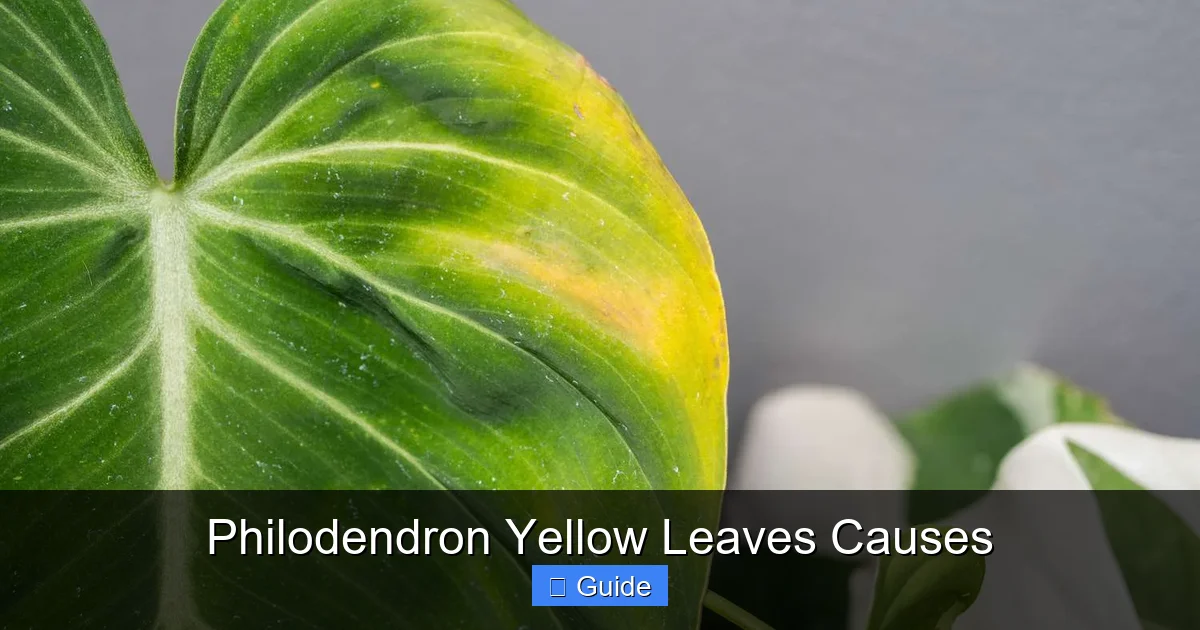
Visual guide about Philodendron Yellow Leaves Causes
Image source: thespruce.com
The irony? An overwatered plant looks thirsty. The leaves yellow and droop because the dead roots cannot deliver water to the foliage. Many people see the droop and water again, making everything worse. This cycle kills more philodendrons than any other mistake.
Signs Your Plant Is Overwatered
Yellowing starts at the bottom and moves up. The leaves feel soft, almost mushy. You might see brown, water-soaked spots with yellow halos. The soil smells musty or sour. Fungus gnats often appear. The pot feels heavy days after watering. If you gently pull the plant from its pot, the roots look brown or black and feel slimy instead of firm and white.
How to Fix Overwatering
Stop watering immediately. Remove the plant from its pot. Gently shake away wet soil. Trim any black, mushy roots with clean scissors. Healthy roots are firm and white or light tan. Repot in fresh, well-draining mix. A blend of potting soil, perlite, and orchid bark works beautifully. Choose a pot with drainage holes. Only water when the top two inches of soil feel dry. Stick your finger in. Do not guess. Do not use a moisture meter. Your finger is the most reliable tool you have.
Preventing Future Overwatering
Use terra cotta pots. They breathe and wick away excess moisture. Add extra perlite to your mix. Aim for a 50/50 soil to perlite ratio for philodendrons. Water thoroughly but infrequently. When you water, water until it runs out the bottom. Empty the saucer. Never let the pot sit in water. Adjust for seasons. Water less in winter when growth slows. Water more in summer when the plant is actively growing.
Underwatering: The Other Extreme
While overwatering gets more attention, underwatering is just as common and just as damaging. Life gets busy. You forget. The soil pulls away from the pot edges. The plant goes into survival mode. It sacrifices older leaves to save the growing tip. The result? Crispy, yellow leaves that crumble at your touch.
Chronic underwatering also causes problems. The soil becomes hydrophobic. It repels water instead of absorbing it. You water, it runs straight through the gaps, and the root ball stays bone dry. The plant slowly declines even though you think you are watering regularly.
Signs Your Plant Is Underwatered
Leaves yellow from the edges inward. They feel dry, crispy, and papery. The soil is rock hard and pulled away from the pot sides. The pot feels suspiciously light. Growth has stopped completely. New leaves emerge small and deformed or get stuck halfway unfurled. You might see brown, crispy tips on leaves that are not fully yellow yet.
How to Fix Underwatering
If the soil is hydrophobic, you need to rehydrate it slowly. Place the pot in a basin of room temperature water. Let it sit for thirty minutes. The water will wick up from the bottom and saturate the root ball evenly. Remove and let drain thoroughly. Going forward, check soil every few days. Water when the top inch or two feels dry. For most homes, this means watering every seven to ten days, but always check first.
Creating a Watering Routine That Works
Set a reminder to check, not to water. Check every Sunday. Stick your finger in the soil. If dry, water. If moist, wait and check again Wednesday. Keep a simple notebook or phone note with dates. You will quickly learn your plant’s rhythm. Group plants with similar needs together. Your philodendrons, pothos, and monsteras all like similar conditions. Check them all at once.
Lighting Problems: Too Much or Too Little
Light is food for plants. Philodendrons evolved on rainforest floors, receiving bright but filtered light through the canopy. They want that same dappled brightness indoors. Direct afternoon sun scorches their leaves. Dark corners starve them. Both extremes cause yellowing, but the patterns look completely different.
Too Much Light: Sunburn and Bleaching
Direct sun, especially hot afternoon rays through a south or west window, burns philodendron leaves. You will see pale, bleached patches on the leaves facing the window. These patches turn yellow, then white, then crispy brown. The damage is permanent on those leaves. The plant may also develop yellowing on leaves that receive the most intense light while shaded leaves stay green.
Variegated varieties like Philodendron ‘Pink Princess’ or ‘White Knight’ are even more sensitive. Their white or pink sections have no chlorophyll and burn instantly. Keep these in bright indirect light only.
Too Little Light: Slow Starvation
In low light, the plant cannot produce enough energy. It starts shedding leaves it cannot support. The oldest leaves yellow first. The plant becomes leggy. Stems stretch toward any light source. New leaves emerge smaller and farther apart. The vibrant green fades to a pale, washed-out yellow-green. The plant looks sparse and sad.
Finding the Sweet Spot
Place your philodendron near an east or north window. Or set it back a few feet from a south or west window. Use sheer curtains to filter harsh light. Rotate the plant weekly so all sides get even exposure. If you only have low light, consider a grow light. A simple full-spectrum LED bulb in a desk lamp runs on a timer for twelve hours a day works wonders. You will see richer color and tighter growth within weeks.
Seasonal Light Adjustments
Light changes dramatically with seasons. A spot that is perfect in summer may be too dark in winter. Watch your plant. If it starts stretching or yellowing in winter, move it closer to the window or add supplemental light. In summer, you may need to pull it back from intense sun. The plant will tell you if you pay attention.
Nutrient Deficiencies: What Your Plant Is Missing
Philodendrons are not heavy feeders, but they do need a steady supply of nutrients. In nature, decaying organic matter on the forest floor provides a constant slow feed. In a pot, the soil nutrients deplete within months. Fertilizer replaces what is missing, but different deficiencies cause distinct yellowing patterns. Learning to read these patterns helps you treat the right problem.
Nitrogen Deficiency: The Classic Yellowing
Nitrogen drives green leafy growth. Without it, the plant cannibalizes older leaves to feed new growth. The oldest, lowest leaves turn uniformly yellow while veins stay green slightly longer. The whole plant looks pale. Growth slows. New leaves are small. This is the most common deficiency in philodendrons that have not been fertilized in over six months.
Iron Deficiency: Yellow Leaves with Green Veins
Iron deficiency, also called chlorosis, creates a striking pattern. The leaf tissue between veins turns bright yellow while the veins themselves stay dark green. This affects the newest growth first. It usually means the soil pH is too high, locking up available iron. Philodendrons prefer slightly acidic soil around 5.5 to 6.5 pH. Alkaline tap water or lime in the potting mix can raise pH over time.
Magnesium Deficiency: Edge Yellowing
Magnesium deficiency shows as yellowing between veins on older leaves, starting at the leaf margins and moving inward. The center of the leaf and veins stay green longer. It looks a bit like a yellow picture frame around a green center. Epsom salts (magnesium sulfate) dissolved in water provide a quick fix.
Potassium Deficiency: Brown Edges on Yellow Leaves
Potassium deficiency causes yellowing at leaf edges and tips that quickly turns brown and crispy. The yellowing moves inward from the margins. The plant may also show weak stems and poor root development. This often happens in very old potting mix that has broken down completely.
How to Fertilize Properly
Use a balanced liquid fertilizer diluted to half strength. Feed monthly during spring and summer. Stop in fall and winter. Flush the soil every few months by watering heavily until water runs freely from the bottom. This prevents salt buildup. If you suspect pH issues, repot with fresh mix or use a soil acidifier. A simple pH meter costs ten dollars and saves guesswork.
Pest Infestations: Tiny Bugs, Big Damage
Pests love philodendrons. The large, juicy leaves are an all-you-can-eat buffet. Spider mites, mealybugs, scale, thrips, and aphids all cause yellowing as they suck sap from the leaves. The yellowing from pests has a distinct look. It is often stippled or speckled rather than uniform. You might see tiny dots, webbing, cottony masses, or sticky residue.
Spider Mites: The Invisible Enemy
Spider mites are microscopic. You rarely see the bugs themselves. You see their damage first. Tiny yellow or white speckles cover the leaf surface, giving a dusty, stippled look. Fine webbing appears on leaf undersides and between stems. Leaves turn yellow, then bronze, then drop. Mites thrive in dry air. Winter heating season is prime time for outbreaks.
Mealybugs: Cottony Clusters
Mealybugs look like tiny bits of white cotton tucked into leaf axils, stem joints, and leaf undersides. They excrete sticky honeydew that attracts sooty mold. Leaves yellow and distort where mealybugs feed. Ants often farm mealybugs for the honeydew, so an ant trail on your plant is a red flag.
Scale: Bumps on Stems and Leaves
Scale insects look like small, round or oval bumps on stems and leaf veins. They can be brown, tan, or white. They do not move once settled. They suck sap and cause yellow halos around their feeding sites. Heavy infestations cause branch dieback and leaf drop.
Thrips: Silvery Streaks and Distortion
Thrips are tiny, slender insects that rasp leaf tissue. They leave silvery, scarred streaks and black fecal dots. New growth emerges twisted and deformed. Leaves yellow prematurely. Thrips are hard to see but shake a leaf over white paper and you might spot tiny slivers crawling.
Treatment Protocol for Any Pest
Isolate the plant immediately. Pests spread fast. Prune heavily infested leaves. Bag and trash them. Do not compost. Spray the entire plant with insecticidal soap or neem oil. Cover every surface, especially leaf undersides. Repeat weekly for at least three weeks to catch hatchlings. For scale, use a cotton swab dipped in rubbing alcohol to dab each bump before spraying. Increase humidity. Spider mites hate moisture. A humidifier or daily misting helps prevent reinfestation.
Temperature and Humidity Stress
Philodendrons are tropical plants. They want steady warmth and humidity. Sudden changes shock them. Cold drafts from doors or windows in winter cause yellow patches that look like bruised within hours. Hot, dry air from heating vents creates crispy yellow edges. Air conditioning blasts do the same. Even moving a plant from a greenhouse to a dry home causes transition yellowing.
Ideal Conditions
Keep temperatures between 65 and 85 degrees Fahrenheit. Avoid anything below 55. Humidity above 50 percent is ideal. Group plants together to create a microclimate. Use a humidifier. Place pots on pebble trays with water. Misting helps briefly but a humidifier works better. Keep plants away from drafty doors, single-pane windows in winter, heating vents, radiators, and air conditioning units.
Acclimating New Plants
When you bring a new philodendron home, it may yellow a few leaves. This is normal transition stress. The plant grew in perfect greenhouse conditions. Your home is different. Give it two to three weeks. Keep conditions stable. Do not repot immediately. Do not fertilize. Just provide consistent care. The plant will adjust and push new growth suited to your environment.
Water Quality Issues
Tap water varies wildly. Some municipal water is high in chlorine, chloramine, fluoride, or dissolved minerals. Over time, these build up in the soil and damage roots. Fluoride toxicity causes yellowing and browning at leaf tips and margins. High salts cause similar damage. Hard water raises soil pH, leading to nutrient lockout and iron deficiency yellowing.
Simple Solutions
Let tap water sit overnight before using. Chlorine evaporates. Chloramine does not. For chloramine, use a water conditioner made for aquariums. Or use filtered water. A simple pitcher filter removes many contaminants. Rainwater is excellent if you can collect it. Distilled water works but lacks minerals, so fertilize regularly. If you see white crust on the soil surface or pot rim, that is mineral buildup. Flush the soil thoroughly monthly.
Pot Size and Root Bound Problems
A philodendron in a too-small pot cannot hold enough water or nutrients. The roots circle endlessly. The soil dries in a day. The plant yellows from chronic stress. Conversely, a pot that is too large holds too much water. The roots cannot use it all. The soil stays wet. Root rot follows. Both situations cause yellow leaves.
Signs Your Plant Needs Repotting
Roots growing from drainage holes. Roots circling the surface. Soil dries in less than two days. The plant is top-heavy and tips over. Growth has slowed despite good care. You see more roots than soil when you check. The best time to repot is spring or early summer when the plant is actively growing.
Choosing the Right Pot
Go up only one or two inches in diameter. A six-inch pot moves to eight. An eight-inch moves to ten. Use a pot with drainage holes. Terra cotta is ideal. Plastic works if you are careful with water. Avoid glazed ceramic without holes. Always use fresh potting mix. Never reuse old mix.
Disease: Fungal and Bacterial Issues
Diseases are less common than care issues but happen. Fungal leaf spots cause yellow halos around brown or black lesions. Bacterial leaf spot creates water-soaked lesions with yellow borders that spread rapidly. Root rot fungi (Pythium, Phytophthora) cause the yellowing we discussed with overwatering. Anthracnose causes yellowing along leaf veins with dark spores.
Prevention and Treatment
Water at the soil level, not on leaves. Wet leaves invite fungus. Provide good air circulation. A small fan on low helps. Remove affected leaves immediately. Sterilize tools between plants. For fungal issues, a copper fungicide or neem oil helps. For bacterial issues, there is no cure. Remove the plant to protect others. Always buy from reputable sources. Inspect new plants carefully before bringing them home.
Natural Aging: When Yellow Is Normal
We mentioned this at the start, but it bears repeating. Philodendrons shed old leaves. A mature plant may drop a leaf every month or two. The leaf yellows fully, turns brown, and falls or pulls off easily. The rest of the plant looks healthy. New growth is emerging. This is not a problem. It is life.
Managing Natural Leaf Drop
You can let the leaf drop naturally or snip it off when it is mostly yellow. Use clean scissors. Cut at the base of the petiole. Do not pull. Pulling can damage the stem. If your plant is losing many leaves at once or the new growth is not keeping pace, then it is not natural aging. Investigate the other causes in this guide.
Putting It All Together: A Diagnostic Checklist
When you see yellow leaves, do not panic. Walk through this checklist methodically. You will find the answer.
- Check the soil moisture. Finger test. Top two inches.
- Check the roots if soil is wet. Pull gently. Look for rot.
- Check the light. Where is the plant? What direction is the window? Any direct sun?
- Check for pests. Magnifying glass helps. Check undersides, stems, leaf axils.
- Check the leaves. Pattern of yellowing? Edges? Between veins? Uniform? Speckled?
- Check the pot. Root bound? Too big? Drainage holes?
- Check your care. When did you last fertilize? Repot? Water quality?
- Check the environment. Drafts? Vents? Humidity? Temperature swings?
Match your observations to the sections above. Treat the cause, not just the symptom. Yellow leaves will not turn green again. They are done. But new growth will be perfect once the problem is solved.
Conclusion
Yellow leaves on your philodendron are not a death sentence. They are a conversation. Your plant is telling you something. Overwatering, underwatering, light issues, nutrient gaps, pests, temperature stress, water quality, pot problems, disease, or simple aging. Each has a distinct fingerprint. Each has a solution.
The most important skill you can develop is observation. Check your plants weekly. Really look at them. Touch the soil. Turn over leaves. Notice changes early. A problem caught in week one is easy to fix. A problem caught in month three may cost you the plant.
You have the knowledge now. You know the causes. You know the fixes. You know the prevention. Your philodendron wants to thrive. With the right care, it will reward you with lush, green, glorious growth for years to come. Trust the process. Trust your instincts. And enjoy the journey of growing alongside your plants.
Frequently Asked Questions
Why are my philodendron leaves turning yellow with brown spots?
Yellow leaves with brown spots often indicate fungal or bacterial leaf spot disease, especially if spots have yellow halos. It can also be pest damage from thrips or spider mites. Check leaf undersides for bugs and avoid getting water on foliage when watering.
Can too much fertilizer cause philodendron yellow leaves?
Yes, over-fertilizing causes fertilizer burn. You will see yellowing and browning at leaf tips and margins, often with a white crust on the soil surface. Flush the soil thoroughly with water and stop fertilizing for several months.
Why is my philodendron turning yellow after repotting?
Transplant shock commonly causes temporary yellowing. The plant is adjusting to new soil and root disturbance. Keep conditions stable, do not fertilize for 4-6 weeks, and water only when needed. It should recover in 2-3 weeks.
What causes philodendron leaves to turn yellow and curl?
Yellowing with curling usually signals underwatering, low humidity, or pest infestation. Spider mites and thrips both cause curling. Check soil moisture first, then inspect for pests, then consider a humidifier if air is very dry.
Why are new philodendron leaves turning yellow?
New growth yellowing points to iron deficiency (yellow with green veins), overwatering, cold damage, or pest damage on emerging leaves. It is more serious than old leaf yellowing because it affects the plant’s future. Address immediately.
Can philodendron recover from yellow leaves?
Yes, philodendrons are resilient. Once you identify and fix the cause, the plant will produce healthy new growth. Existing yellow leaves will not recover, but the plant overall will bounce back. Most recover fully within a growing season.