Begonia Pruning Guide
Pruning begonias keeps them compact, encourages fresh blooms, and prevents disease. This begonia pruning guide covers when to cut, what tools to use, step‑by‑step methods, common mistakes, and after‑care for lasting health.
Key Takeaways
- Timing matters: Prune in early spring or after flowering for best results.
- Use clean, sharp tools: Sterilized scissors or bypass pruners prevent infection.
- Cut above a node: This encourages new growth from the leaf joint.
- Remove dead or diseased stems first: Improves air flow and plant vigor.
- Don’t over‑prune: Leave at least one‑third of the foliage for photosynthesis.
- Water and feed after cutting: Helps the plant recover quickly.
- Monitor for pests: Fresh cuts can attract insects; inspect regularly.
Quick Answers to Common Questions
When is the best time to prune begonias?
Early spring before new growth starts, or right after the main flowering period.
What tools do I need for pruning begonias?
Sharp bypass pruners, sterilizing solution, gloves, and optionally a small hand saw for thick stems.
How much of the plant can I safely remove?
Never remove more than one‑third of the total foliage in a single session.
Should I fertilize immediately after pruning?
Wait about two weeks, then apply a half‑strength balanced fertilizer.
Can pruning help prevent powdery mildew?
Yes, thinning crowded stems improves air flow and reduces humidity around leaves.
📑 Table of Contents
Why Pruning Begonias Matters
Pruning keeps begonias tidy and promotes a bushier shape. When you remove old stems, the plant redirects energy to new shoots. This leads to more flowers and healthier leaves. A well‑pruned begonia also enjoys better air circulation, which reduces fungal problems. Think of pruning as a regular health check for your plant.
Without pruning, begonias can become leggy. Long, bare stems look unattractive and produce fewer blooms. Overcrowded foliage traps moisture, creating a perfect home for powdery mildew. Regular cuts keep the plant compact and vibrant. The begonia pruning guide you are reading will show you exactly how to achieve that balance.
Another benefit is size control. Indoor begonias often outgrow their pots. Pruning lets you maintain a manageable size without repotting constantly. Outdoor varieties also stay within garden borders. In short, pruning is essential for aesthetics, health, and space management.
When to Prune Your Begonias
Early Spring Pruning
The best time for a major trim is early spring, just before new growth starts. At this stage the plant is still dormant, so cuts heal quickly. Remove any winter‑damaged stems and shape the plant for the coming season. This timing aligns with the natural growth cycle of most begonia types.
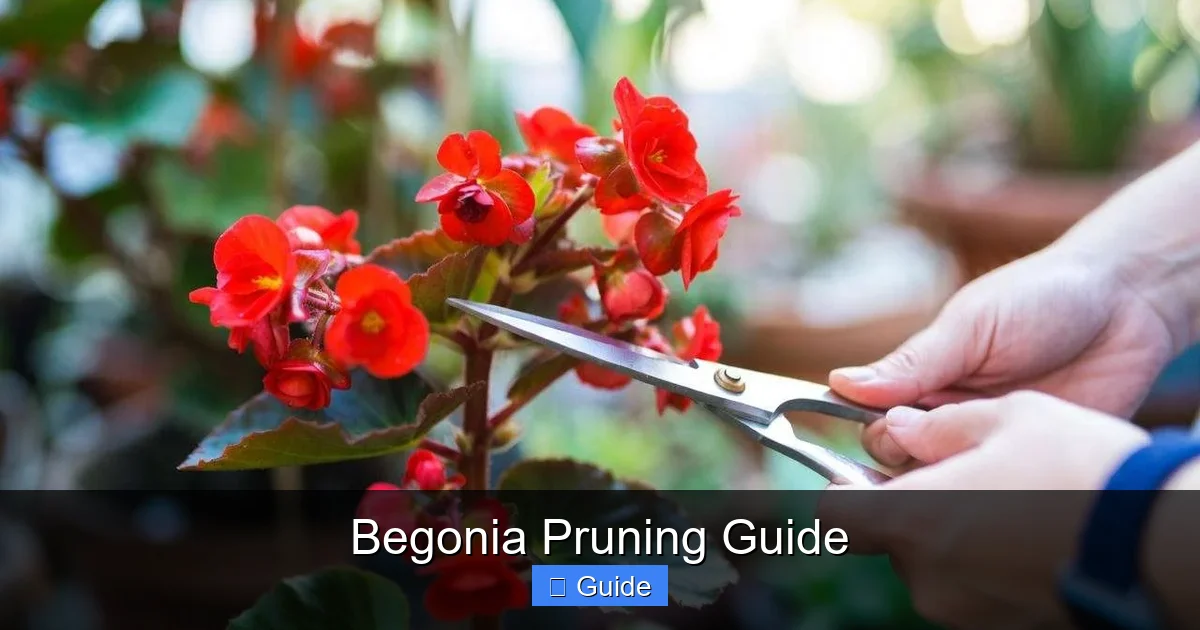
Visual guide about Begonia Pruning Guide
Image source: treecarezone.com
Post‑Flowering Trim
After the main bloom period, a light trim encourages a second flush of flowers. Snip spent flower stalks back to a healthy leaf node. This prevents the plant from wasting energy on seed production. A quick post‑flower cut keeps the display going longer.
Avoid Late Fall Cuts
Do not prune heavily in late fall. The plant needs its foliage to store energy for winter. Cutting too late can weaken the begonia and make it susceptible to cold damage. If you must remove a dead leaf, do it gently and leave the rest alone.
Tools You Need for a Clean Cut
Sharp Bypass Pruners
Bypass pruners work like scissors, giving a clean slice that heals fast. Dull blades crush stems, inviting disease. Keep the blades sharp with a fine file or sharpening stone. A clean cut is the foundation of every good begonia pruning guide.
Sterilizing Solution
Before each session, wipe blades with rubbing alcohol or a 10 % bleach solution. This kills bacteria and fungi that could spread from plant to plant. Sterilization is a simple step that saves a lot of trouble later.
Gloves and Protective Eyewear
Begonia sap can irritate skin. Wear lightweight gardening gloves to protect your hands. Safety glasses shield your eyes from flying debris, especially when cutting thicker stems.
Small Hand Saw for Thick Stems
Some mature begonias develop woody bases. A compact pruning saw handles these without damaging surrounding tissue. Choose a saw with fine teeth for a smooth finish.
Step‑by‑Step Pruning Techniques
1. Inspect the Plant
Walk around the begonia and note dead, yellow, or crossing stems. Mark them with a piece of string if needed. A clear plan prevents random cuts that could harm the plant’s structure.
2. Remove Dead and Diseased Wood First
Cut any stem that is brown, brittle, or shows spots. Make the cut just above a healthy node. Dispose of the removed material in a sealed bag to avoid spreading pathogens.
3. Thin Out Crowded Areas
Identify stems that rub against each other. Choose the weaker one and cut it back to the base. Thinning improves light penetration and air flow, which are key for disease prevention.
4. Shape for Desired Form
Decide if you want a compact mound or a trailing habit. For a mound, trim the longest stems to a uniform height. For trailing types, cut back the tips to encourage side branching. Always cut just above a leaf node.
5. Pinch Back Tips for Bushiness
After the main cuts, pinch the very tips of remaining stems with your fingers. This stimulates lateral buds and creates a fuller plant. Pinching is a gentle technique that works well on young growth.
6. Clean Up and Apply After‑Care
Collect all clippings and sanitize tools again. Water the plant lightly and apply a balanced liquid fertilizer at half strength. This gives the begonia the nutrients it needs to recover and push new growth.
Common Mistakes and How to Avoid Them
Over‑Pruning
Removing more than one‑third of the foliage stresses the plant. It reduces photosynthetic capacity and can cause shock. Follow the one‑third rule: never cut away more than a third of the total leaf area in a single session.
Cutting Too Low
Leaving a stub below the node invites rot. Always cut just above a healthy leaf joint. The node contains the meristem that will produce new shoots.
Using Dirty Tools
Unsterilized blades transfer disease from one plant to another. Make sterilization a habit before every pruning job. A quick wipe with alcohol takes seconds but saves weeks of trouble.
Pruning at the Wrong Time
Heavy cuts in late fall or winter expose the plant to cold injury. Stick to early spring or right after flowering. Timing is a core principle of any reliable begonia pruning guide.
Ignoring Pest Signs
Fresh cuts can attract aphids and spider mites. Inspect the plant a few days after pruning. If you see pests, treat promptly with insecticidal soap or neem oil.
After‑Care Tips for Healthy Growth
Water Wisely
After pruning, the begonia’s root system may be slightly reduced. Water when the top inch of soil feels dry. Avoid soggy conditions; excess moisture encourages root rot.
Feed Lightly
Apply a balanced fertilizer (10‑10‑10) at half the recommended rate two weeks after pruning. This supports new shoots without burning tender tissue.
Provide Bright Indirect Light
Place the plant where it receives bright, filtered light. Direct sun can scorch fresh cuts. A north‑facing window or a shaded patio works well.
Monitor Humidity
Begonias love humidity. Use a pebble tray or a humidifier if indoor air is dry. Adequate moisture speeds wound healing and prevents leaf edge browning.
Rotate the Pot
Turn the container a quarter turn each week. Even light exposure promotes symmetrical growth and prevents the plant from leaning toward the light source.
Conclusion
Pruning begonias is a straightforward task that yields big rewards. With the right timing, clean tools, and careful cuts, you keep your plants compact, floriferous, and disease‑free. Follow the steps in this begonia pruning guide each season, and you will enjoy lush foliage and abundant blooms year after year. Remember to observe your plant, adjust techniques to its specific variety, and give it a little extra care after each trim. Happy gardening!
Frequently Asked Questions
How often should I prune my begonia?
Prune once a year in early spring for a major shape, and do a light trim after each flowering cycle.
Can I prune a begonia that is flowering?
It is best to wait until flowering finishes; cutting during bloom can reduce flower count.
What do I do with the cuttings?
Healthy cuttings can be rooted in water or moist soil to propagate new plants.
Is it necessary to sterilize tools every time?
Yes, sterilizing prevents the spread of bacteria and fungi between plants.
Why are my begonia leaves turning yellow after pruning?
Yellowing may indicate over‑watering or shock; ensure proper drainage and avoid heavy feeding right after cuts.
Can I prune begonias in winter?
Avoid heavy pruning in winter; only remove dead or damaged leaves if absolutely necessary.