Haworthia Humidity Requirements
Haworthia plants prefer low to moderate humidity, typically between 30% and 50%. Maintaining this range prevents rot and encourages healthy growth. Simple tools and routine checks make it easy to keep your succulents happy.
When you bring a haworthia home, the first thing you notice is its compact rosette and striking translucent leaves. These little succulents come from the dry, rocky regions of South Africa, where the air is usually dry and the sun is bright. Because of that heritage, understanding the haworthia humidity requirements is essential if you want your plant to stay plump and vibrant.
Many new growers assume that all succulents need the same care, but humidity is a factor that can make or break a haworthia. Too much moisture in the air encourages fungal spores, while too little can cause the leaves to shrivel. The good news is that the sweet spot is easy to hit once you know what to look for and which tools to use.
Key Takeaways
- Optimal range: Keep ambient humidity between 30% and 50% for most haworthia species.
- Monitor regularly: Use a hygrometer to track daily fluctuations.
- Avoid excess moisture: High humidity leads to fungal issues and root rot.
- Adjust seasonally: Reduce watering and increase airflow in winter.
- Group wisely: Place haworthia with other low‑humidity succulents, not tropical plants.
- Use well‑draining soil: A gritty mix helps excess water evaporate quickly.
- Ventilation matters: Good air movement mimics the plant’s native arid environment.
Quick Answers to Common Questions
What is the ideal humidity range for haworthia?
The ideal range is 30% to 50% relative humidity.
Can I mist my haworthia leaves directly?
No, misting leaves encourages rot; mist the air around the plant instead.
Do haworthia need a humidifier?
Only in extremely dry climates where RH falls below 20%; otherwise a humidifier is unnecessary.
How often should I check humidity?
Check daily at the same time using a digital hygrometer placed at plant height.
Will high humidity kill my haworthia?
Consistently high humidity promotes fungal diseases and root rot, which can be fatal.
📑 Table of Contents
Understanding Haworthia Basics
Native Climate and Adaptations
Haworthia species evolved in areas that receive very little rainfall. Their thick leaves store water, and their shallow root systems absorb moisture quickly when it appears. The plants also have a waxy cuticle that reduces water loss. Because of these adaptations, they thrive when the surrounding air stays relatively dry.
Common Varieties and Their Tolerances
Popular varieties like Haworthia attenuata, Haworthia fasciata, and Haworthia cooperi all share similar humidity preferences. However, some cultivars with more translucent “window” leaves can tolerate slightly higher humidity for short periods. Still, the general rule remains the same: keep the air on the drier side.
Why Humidity Matters for Haworthia
Preventing Rot and Fungal Diseases
Excess humidity creates a film of moisture on leaf surfaces. That film is an open invitation for pathogens such as powdery mildew and botrytis. Once these fungi take hold, they spread quickly and can kill a plant within days. Maintaining proper haworthia humidity requirements stops this cycle before it starts.
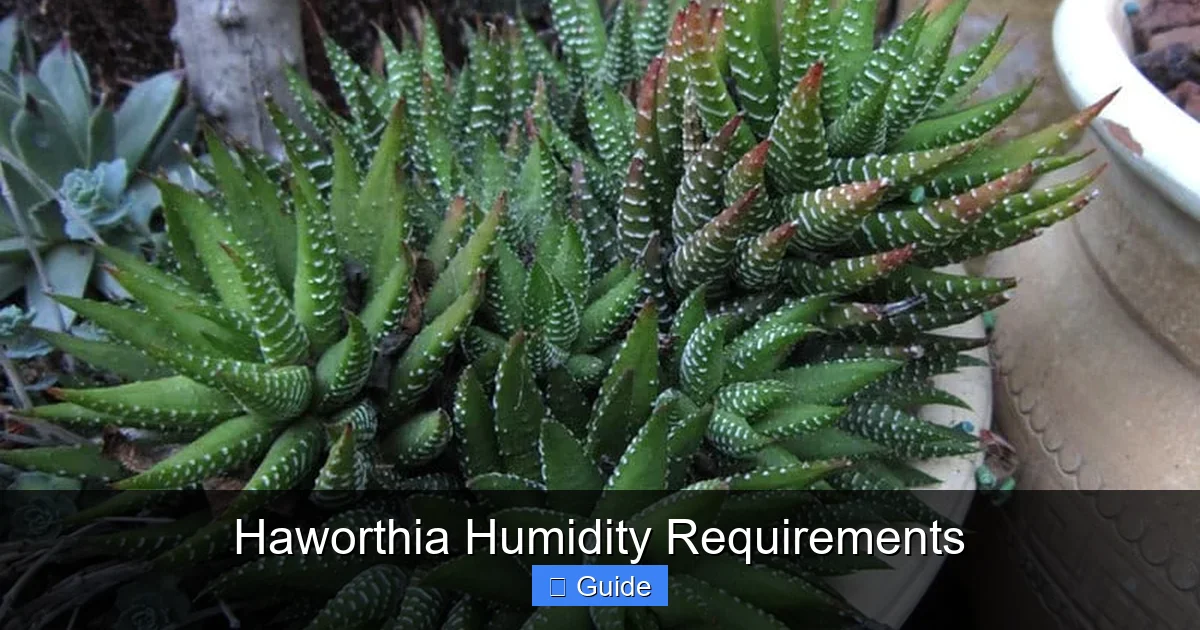
Visual guide about Haworthia Humidity Requirements
Image source: todaysgardener.com
Supporting Healthy Transpiration
Transpiration is the process by which plants release water vapor through tiny pores called stomata. When the air is too humid, stomata stay closed, limiting gas exchange and slowing growth. When the air is too dry, the plant loses water faster than it can replace it, leading to shriveled leaves. A balanced humidity level keeps transpiration running smoothly.
Influencing Root Health
Roots need oxygen as much as they need water. In a humid environment, soil stays wet longer, displacing air pockets. This anaerobic condition encourages root rot. By controlling ambient humidity, you indirectly keep the root zone aerated and healthy.
Ideal Humidity Range for Haworthia
Target Numbers
Most experts agree that a relative humidity (RH) between 30% and 50% is optimal. This range mimics the plant’s native habitat and provides enough moisture for normal cellular functions without encouraging disease. If you live in a naturally humid climate, you may need to take extra steps to lower the RH around your plants.
Day vs. Night Fluctuations
In nature, humidity often rises at night and drops during the day. Haworthia can handle a modest night‑time increase up to about 60% as long as daytime levels return to the 30‑50% window. Consistent extremes, however, stress the plant.
Microclimate Considerations
A sunny windowsill can create a microclimate that is drier than the rest of the room. Conversely, a bathroom or kitchen often has higher RH. Place your haworthia where the ambient conditions match the target range, or use a small fan to even out the air.
Measuring and Adjusting Humidity
Choosing a Hygrometer
A digital hygrometer with a ±2% accuracy is inexpensive and reliable. Place it at plant height, not on the floor or ceiling, to get a true reading of the air your haworthia experiences. Check it at the same time each day for consistency.
Lowering Humidity
- Increase airflow: A gentle oscillating fan moves moist air away from the leaves.
- Use a dehumidifier: In very damp rooms, a small unit can bring RH down quickly.
- Space plants apart: Crowding traps moisture between foliage.
- Choose porous pots: Terracotta wicks water away from the soil surface.
Raising Humidity (When Needed)
If you live in an extremely arid environment (RH below 20%), a slight boost can help. Lightly mist the air around the plant in the morning, or set a shallow tray of water with pebbles nearby. Do not mist the leaves directly; water on the foliage invites rot.
Automating the Process
Smart home sensors can trigger a fan or dehumidifier when RH exceeds a set threshold. This hands‑free approach ensures the haworthia humidity requirements stay within range even when you’re away.
Common Mistakes and How to Fix Them
Overwatering Because the Air Feels Damp
Growers often confuse high humidity with a need for more water. Remember that the soil should dry out completely between waterings regardless of ambient RH. Stick to a “soak and dry” schedule.
Placing Haworthia Near Humidifiers
Room humidifiers are great for tropical plants but disastrous for succulents. Keep a distance of at least three feet, or better yet, put the haworthia in a separate room.
Ignoring Seasonal Shifts
Winter heating systems can drop indoor RH below 20%. In that case, a brief morning mist or a pebble tray helps. Summer air conditioning can also dry the air; monitor and adjust accordingly.
Using Non‑Draining Soil Mixes
Standard potting soil holds too much water. Mix one part potting soil with one part coarse sand or perlite and one part pumice. This blend drains fast and keeps the root zone aerated.
Seasonal Care Tips for Optimal Humidity
Spring Growth Surge
As days lengthen, haworthia enters active growth. Keep RH in the 35‑45% band, water when the top inch of soil is dry, and provide bright, indirect light. A light feeding with a diluted succulent fertilizer once a month supports new offsets.
Summer Heat and Air Conditioning
Air conditioners strip moisture from the air. If RH falls below 30%, add a pebble tray or run a small humidifier for a few hours each morning. Ensure the plant still gets good airflow to prevent stagnant pockets.
Autumn Transition
Gradually reduce watering frequency as growth slows. Keep humidity stable; sudden drops can shock the plant. This is also a good time to repot if the container has become crowded.
Winter Dormancy
Most haworthia species go semi‑dormant in winter. Water sparingly—once every three to four weeks—and maintain RH around 30‑40%. Avoid placing plants near heating vents, which create hot, dry microclimates.
Conclusion
Mastering the haworthia humidity requirements is one of the simplest ways to keep these charming succulents thriving. By targeting a 30‑50% relative humidity range, monitoring with a reliable hygrometer, and adjusting airflow or moisture as the seasons change, you create an environment that mirrors the plant’s native home. Remember to pair proper humidity with well‑draining soil, appropriate watering, and bright indirect light. With these habits in place, your haworthia will reward you with tight rosettes, vivid colors, and a steady stream of new offsets for years to come.
Frequently Asked Questions
What humidity level causes root rot in haworthia?
Relative humidity consistently above 60% keeps soil wet too long, creating anaerobic conditions that lead to root rot.
Can I grow haworthia in a bathroom?
Bathrooms often exceed 60% RH; unless you provide strong ventilation, it’s better to keep haworthia in a drier room.
Is a pebble tray enough to raise humidity for haworthia?
A pebble tray adds only a slight increase; it’s useful in very dry homes but not a substitute for proper monitoring.
Should I group haworthia with other succulents?
Yes, grouping with other low‑humidity succulents helps maintain a compatible microclimate.
How does temperature affect humidity needs?
Warmer air holds more moisture; at higher temperatures you may need to lower RH slightly to stay in the 30‑50% window.
Can I use a smart sensor to automate humidity control?
Absolutely; smart hygrometers linked to fans or dehumidifiers keep conditions stable without daily manual checks.