Calathea Care Tips and Tricks
Calatheas are stunning tropical plants known for their vibrant, patterned leaves and unique nighttime movements. Success with these beauties comes down to consistent moisture, high humidity, and filtered light — master these three pillars and your prayer plants will reward you with lush, dramatic foliage year-round.
If you’ve ever walked past a Calathea in a plant shop and felt that pull — the mesmerizing patterns, the deep purples and vibrant greens, the way the leaves seem to dance — you’re not alone. These tropical stunners have earned a devoted following, and for good reason. But they’ve also earned a reputation. Some call them dramatic. Others call them divas. The truth? Calatheas aren’t difficult. They’re just specific. Once you understand what they need, they become some of the most rewarding plants in your collection.
I’ve killed my share of Calatheas. Crispy edges. Yellowing leaves. The dreaded spider mite invasion. Each loss taught me something new. Now, after years of trial and error (and plenty of success), I want to share everything I’ve learned so you can skip the heartbreak and go straight to the lush, thriving jungle of your dreams. This guide covers everything from watering schedules to humidity hacks, pest prevention to propagation. Whether you’re a first-time Calathea parent or looking to level up your care game, you’ll find practical, actionable advice here.
Key Takeaways
- Water consistently: Keep soil evenly moist but never soggy; use filtered or distilled water to prevent leaf crisping.
- Boost humidity: Aim for 60-80% humidity using humidifiers, pebble trays, or grouping plants together.
- Provide filtered light: Bright, indirect light is ideal; direct sun scorches leaves while low light fades patterns.
- Choose the right soil: Use a well-draining, peat-based mix with perlite and orchid bark for aeration.
- Watch for pests: Spider mites love dry conditions; inspect leaves weekly and treat early with neem oil.
- Embrace the movement: Leaf folding at night is normal — it’s how Calatheas earned the “prayer plant” nickname.
- Propagate by division: Separate healthy clumps during repotting in spring for new plants.
Quick Answers to Common Questions
How often should I water my Calathea?
Water when the top inch of soil feels barely damp — typically every 3-4 days in summer, 7-10 days in winter. Always check with your finger rather than following a fixed schedule.
Why are my Calathea leaves curling during the day?
Daytime curling usually signals underwatering or low humidity. The plant curls leaves to conserve moisture. Water thoroughly and boost humidity to 60%+.
Can I use tap water for my Calathea?
Tap water often contains minerals, chlorine, and fluoride that cause brown leaf tips. Use filtered, distilled, or rainwater for best results.
What’s the best way to increase humidity for Calatheas?
A cool-mist humidifier running 8-12 hours daily is the most effective method. Grouping plants and using pebble trays provide supplemental humidity.
When should I repot my Calathea?
Repot every 18-24 months in spring, or when roots circle the pot bottom or grow from drainage holes. Only increase pot size by 1-2 inches.
📑 Table of Contents
- Understanding Your Calathea
- Light Requirements: Finding the Sweet Spot
- Watering: The Goldilocks Zone
- Humidity: The Non-Negotiable
- Soil and Potting: The Foundation
- Fertilizing: Less Is More
- Common Problems and Fixes
- Propagation: Multiply Your Collection
- Seasonal Care Calendar
- Advanced Tips for Calathea Enthusiasts
- Choosing Your First (or Next) Calathea
- Conclusion
Understanding Your Calathea
Before we dive into care specifics, let’s talk about what makes these plants tick. Calatheas belong to the Marantaceae family, native to the tropical Americas — mostly Brazil. In their natural habitat, they grow on the forest floor beneath a dense canopy. This tells you everything you need to know about their preferences: dappled light, consistent warmth, high humidity, and soil that stays moist but drains well.
The Prayer Plant Connection
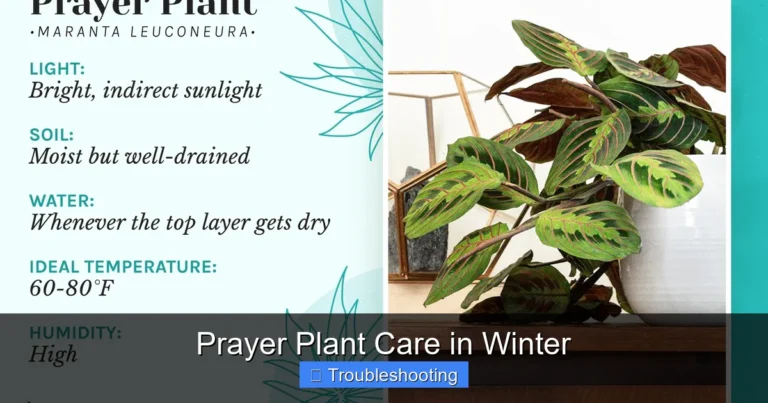
You’ll often hear Calatheas called “prayer plants.” This nickname comes from their nyctinastic movement — the leaves fold upward at night like praying hands, then lower during the day to catch light. It’s a circadian rhythm driven by changes in light and temperature. If your Calathea stops “praying,” it’s often a sign something’s off — usually light levels or watering consistency. Don’t panic. It’s communication, not catastrophe.
Popular Varieties You’ll Encounter
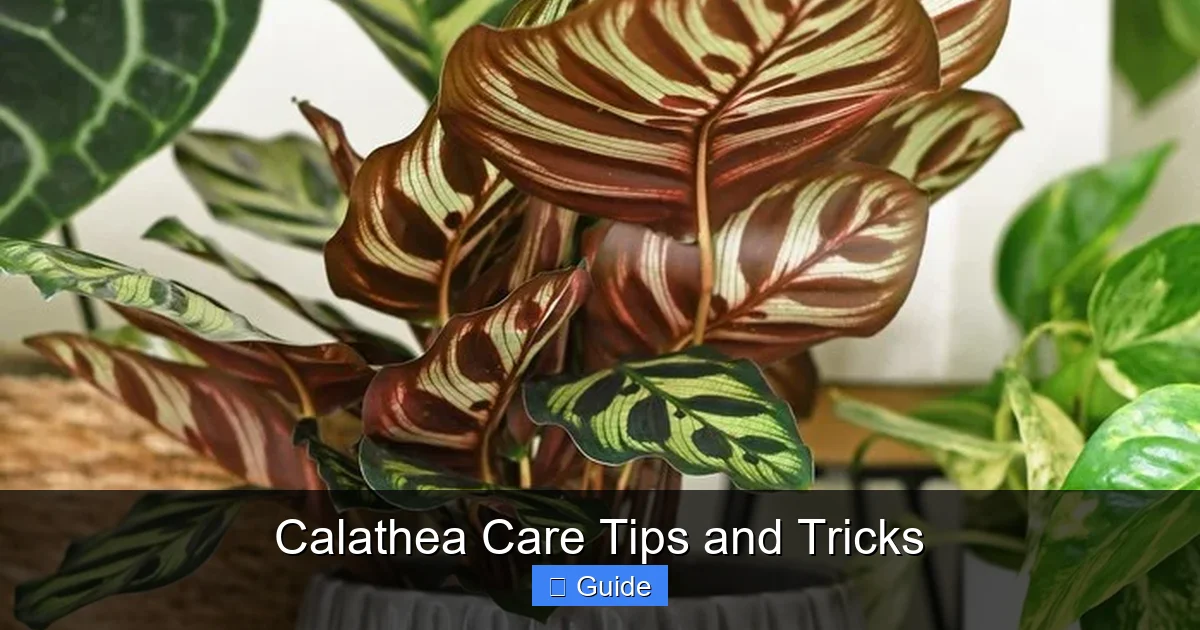
There are dozens of Calathea species and cultivars, but a few show up constantly in plant shops. Calathea orbifolia stuns with massive, silver-striped round leaves. Calathea medallion flaunts deep green tops and rich purple undersides with a feathered pattern. Calathea lancifolia (rattlesnake plant) has long, wavy leaves with dark green spots. Calathea makoyana (peacock plant) displays intricate feather-like markings. Calathea zebrina shows bold zebra stripes. Each has slightly different tolerance levels, but the core care remains the same.
Recent Reclassification Note
You may see some Calatheas labeled as Goeppertia — that’s the updated genus name based on DNA research. Many nurseries and plant parents still use Calathea. Both names refer to the same plants. Don’t let it confuse you.
Light Requirements: Finding the Sweet Spot
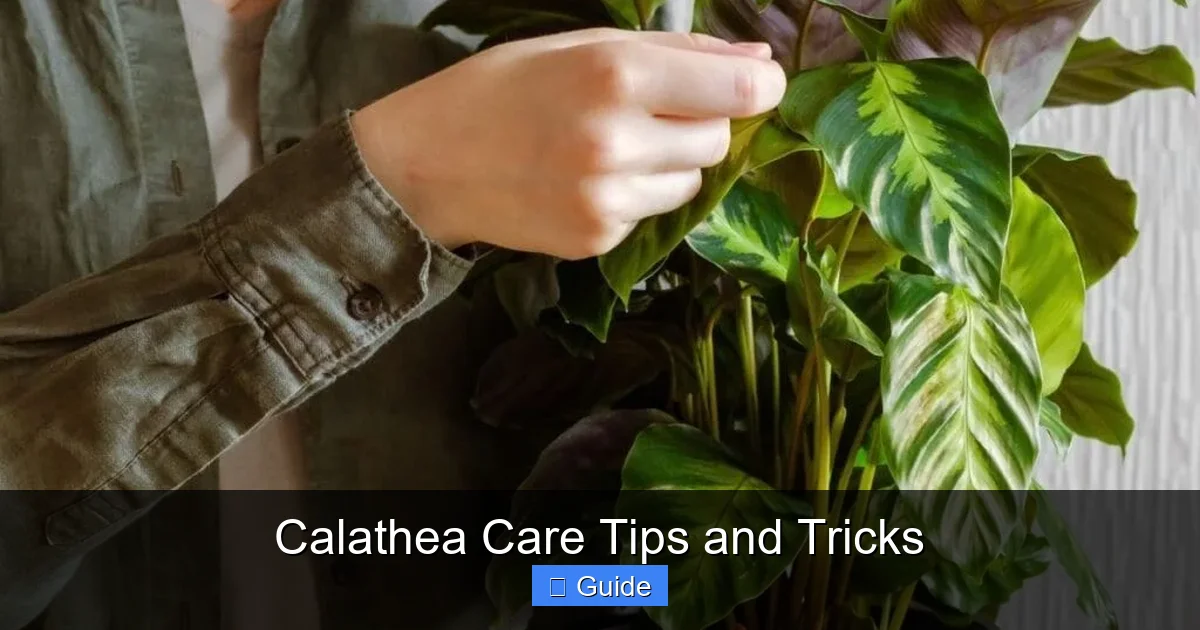
Light is where many Calathea parents go wrong. Too much direct sun, and those gorgeous leaves scorch, fade, or develop brown crispy patches. Too little light, and the patterns wash out, growth slows, and the plant becomes leggy. The goal? Bright, indirect light. Think of the dappled shade on a rainforest floor.
Visual guide about Calathea Care Tips and Tricks
Image source: simplifyplants.com
What “Bright Indirect Light” Actually Means
Place your Calathea near an east or north-facing window. A few feet back from a south or west window works too, especially with a sheer curtain. You want the plant to “see” the sky without the sun’s rays hitting the leaves directly. If you can read a book comfortably in that spot without turning on a lamp, it’s probably good. A light meter reading of 400-800 foot-candles is ideal.
Signs Your Light Is Off
Leaves curling inward during the day? Often too much light. Patterns fading or new growth small and pale? Too little. Leaves reaching toward the window? Also too little. Brown crispy tips on the side facing the window? Sunburn. Adjust gradually — move the plant a foot at a time over a week or two. Sudden changes stress them out.
Artificial Light Options
No good windows? Calatheas do well under grow lights. Full-spectrum LED panels at 12-18 inches for 12-14 hours daily work beautifully. I’ve kept Calathea orbifolia thriving under a simple clip-on grow light in a dark corner. Just ensure the light isn’t too intense — some cheap LEDs run hot and can still scorch.
Watering: The Goldilocks Zone
If light is the first pillar, water is the second. Calatheas want consistently moist soil — not wet, not dry. Think of a wrung-out sponge. This is where most people struggle. They either let the soil dry out completely (crispy edges) or keep it soggy (root rot). The secret is frequency and water quality.
How Often to Water
There’s no fixed schedule. It depends on your pot size, soil mix, humidity, light, and season. Check the top inch of soil with your finger. If it feels barely damp — not dry, not wet — it’s time. In summer, this might be every 3-4 days. In winter, every 7-10 days. Small pots dry faster. Terracotta breathes more than plastic. Learn your plant’s rhythm by checking daily for two weeks.
Water Quality Matters More Than You Think
This is huge. Calatheas are sensitive to minerals, chlorine, fluoride, and salts in tap water. These build up in the soil and cause brown leaf tips and edges — the classic Calathea complaint. Use filtered, distilled, or rainwater whenever possible. If you must use tap water, let it sit out overnight to off-gas chlorine (though this doesn’t remove fluoride or minerals). A simple countertop filter like Brita helps. I keep a gallon jug of distilled water by my plants — it’s a small habit that makes a massive difference.
Watering Technique
Water thoroughly until it drains from the bottom. Empty the saucer after 15 minutes — never let the pot sit in water. Bottom watering works too: set the pot in a tray of water for 20 minutes until the top soil feels moist. This encourages deep roots and avoids wetting leaves (which can invite fungal issues). Whichever method, consistency is key.
Seasonal Adjustments
Growth slows in winter. Light drops. Temperatures dip. Your Calathea will drink less. Cut back frequency but not volume — still water thoroughly when you do. Overwatering in winter is the number one killer. Trust your finger, not the calendar.
Humidity: The Non-Negotiable
If there’s one thing Calatheas absolutely demand, it’s humidity. In their native rainforests, humidity hovers at 70-90%. Most homes sit at 30-50%, especially in winter with heating. This mismatch causes crispy edges, curling leaves, and spider mite magnets. You must raise humidity.
Target Range
Aim for 60-80%. A hygrometer (digital, $10) takes the guesswork out. Place it near your plants, not across the room. You’ll be surprised how low it gets.
Effective Humidity Boosters
Humidifiers are the gold standard. A cool-mist ultrasonic humidifier running 8-12 hours daily transforms a room. Look for one with a large tank (4L+) and adjustable output. Place it near but not directly on plants. Clean weekly to prevent mold.
Pebble trays help but aren’t enough alone. Fill a tray with pebbles, add water to just below the pebble tops, set pots on top. As water evaporates, it creates a microclimate. Group multiple plants on one large tray for better effect.
Plant grouping works wonders. Plants transpire. Cluster your Calatheas with other tropicals (ferns, philodendrons, monsteras) and they create their own humid bubble. I keep 6-8 humidity-lovers on a large shelf — the center plants stay happiest.
Bathrooms and kitchens naturally run more humid. If you have good light there, it’s a Calathea paradise.
Misting? Skip it. It raises humidity for minutes, not hours. Wet leaves invite fungal spots. If you love the ritual, mist early morning so leaves dry fast — but don’t count it as your humidity strategy.
Winter Survival
Heating systems murder humidity. Run your humidifier more. Move plants away from vents and radiators. Consider a humidity tent (clear plastic bag over the plant at night) for struggling specimens. I’ve saved crispy Calatheas this way.
Soil and Potting: The Foundation
You can nail light, water, and humidity, but if your soil stays soggy or compacts, roots rot. Calatheas need a mix that holds moisture but drains instantly and breathes. Standard potting soil alone is too dense.
The Ideal Mix
My go-to recipe: 2 parts peat moss or coco coir, 1 part perlite, 1 part orchid bark, 1 part worm castings. The peat/coir holds moisture. Perlite and bark create air pockets and drainage. Worm castings add gentle nutrition. You can buy pre-made “aroid mixes” or “Calathea mixes” — just check ingredients. Avoid mixes with water-retention crystals or heavy sand.
Pot Selection
Drainage holes are non-negotiable. Plastic nursery pots inside decorative cachepots work great — you can check roots and moisture easily. Terracotta wicks moisture faster, which can be good (prevents rot) or bad (dries too fast). If using terracotta, check soil daily. Size matters: only go up 1-2 inches in diameter when repotting. Too much soil stays wet too long.
Repotting Timeline
Calatheas prefer being slightly root-bound. Repot every 18-24 months in spring, or when roots circle the bottom or grow out drainage holes. Fresh soil replenishes nutrients and structure. Don’t repot a stressed plant — stabilize it first.
Root Health Check
When repotting, inspect roots. Healthy roots are white or light tan, firm. Brown, mushy, smelly roots = rot. Trim affected parts with sterile scissors, dust with cinnamon (natural fungicide), and repot in fresh mix. Water lightly after and hold off on fertilizer for a month.
Fertilizing: Less Is More
Calatheas aren’t heavy feeders. Too much fertilizer burns roots and causes leaf tip burn — mimicking underwatering symptoms. A gentle, consistent approach wins.
What to Use
Balanced liquid fertilizer (10-10-10 or 20-20-20) diluted to quarter strength. Or a specialized Calathea fertilizer. Organic options like fish emulsion or seaweed extract work well — they’re gentler and build soil health. Avoid slow-release granules; you can’t control the dose.
When and How Often
Fertilize only during active growth: spring through early fall. Every 4 weeks at quarter strength. Stop completely in winter. If you repot with fresh worm castings or compost, skip fertilizer for 6-8 weeks — the soil has enough.
Flush the Soil
Every 2-3 months, water heavily with plain distilled water until it runs clear from the bottom. This flushes accumulated salts. Do this the day before your scheduled fertilizing day.
Common Problems and Fixes
Even with perfect care, issues pop up. Here’s how to read the leaves and respond.
Crispy Brown Edges and Tips
The classic Calathea complaint. Causes: low humidity, tap water minerals, underwatering, fertilizer burn, or root damage. Fix: raise humidity, switch to distilled water, check watering consistency, flush soil, inspect roots. Trim crispy parts with clean scissors — cut at an angle following leaf shape. It won’t heal, but new growth will be clean.
Yellowing Leaves
One or two old leaves yellowing? Normal aging. Multiple leaves, especially lower ones? Overwatering, poor drainage, or root rot. Check soil moisture and roots. Adjust watering, repot if needed. Yellowing with green veins? Could be nutrient deficiency — fertilize if it’s been months.
Curling Leaves
Daytime curling (not nighttime prayer) usually means underwatering or low humidity. Leaves curl to reduce surface area and water loss. Water thoroughly, boost humidity. If soil is wet but leaves curl, check roots — rot prevents water uptake.
Drooping, Limp Leaves
Can be underwatering (soil dry) or overwatering (roots rotted, can’t transport water). Feel the soil. If dry, water. If wet, check roots. Also happens after repotting shock — give it a week, keep humidity high.
Faded or Lost Patterns
Too much direct light bleaches patterns. Too little light reduces variegation. Move to proper bright indirect light. New growth should show patterns again.
Spider Mites: The Calathea Nemesis
Tiny red or brown dots on leaf undersides. Fine webbing. Leaves look stippled, dusty. Spider mites thrive in dry air — another reason humidity is critical. Treatment: shower plant thoroughly (lukewarm water, spray undersides), then spray neem oil or insecticidal soap weekly for 3 weeks. Isolate from other plants. Raise humidity to 70%+ to prevent return. I do a monthly preventive neem spray on all my Calatheas — it’s worth the 5 minutes.
Fungus Gnats
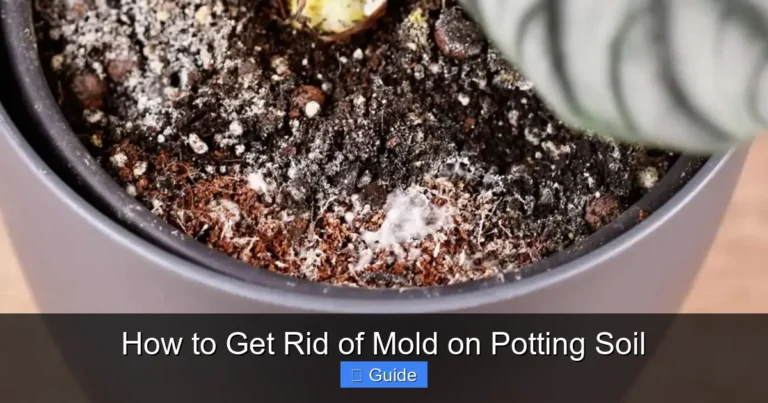
Tiny black flies around soil. Larvae eat roots. Caused by consistently wet top soil. Let top inch dry between waterings. Add a layer of sand or perlite on top. Yellow sticky traps catch adults. Mosquito bits (BTi) in water kills larvae.
Mealybugs and Scale
White cottony clusters (mealy) or brown bumps (scale) on stems and leaf joints. Dab with alcohol on a cotton swab. Spray neem oil weekly. Check crevices — they hide well.
Propagation: Multiply Your Collection
Calatheas propagate by division — not leaf cuttings, not stem cuttings. You need a mature plant with multiple crowns (growth points). Spring is best.
Step-by-Step Division
1. Water the plant day before — moist soil holds roots together.
2. Remove from pot. Gently shake off excess soil.
3. Identify natural separation points — each crown with its own root system.
4. Pull apart gently. Use clean knife if roots are tangled.
5. Pot each division in appropriate-sized pot with fresh mix.
6. Water with distilled water. Place in high humidity, bright indirect light.
7. No fertilizer for 4-6 weeks. Expect some transplant shock — leaves may droop or crisp slightly. Keep humidity high.
Aftercare
New divisions are vulnerable. A clear plastic bag over the pot (propped with sticks) creates a mini greenhouse. Vent daily. Remove after 2-3 weeks when new growth appears.
Seasonal Care Calendar
Your Calathea’s needs shift with the seasons. Here’s a quick reference.
Spring (March-May)
Growth resumes. Increase watering frequency. Start fertilizing monthly. Repot if needed. Watch for pests as temps rise. Propagate divisions.
Summer (June-August)
Peak growth. Water most frequently. Humidity usually higher naturally. Shield from intense afternoon sun. Fertilize monthly. Monitor for spider mites in dry heat waves.
Fall (September-November)
Growth slows. Reduce watering as light drops. Stop fertilizing by early fall. Bring outdoor plants in before nights hit 55°F. Check for hitchhiking pests.
Winter (December-February)
Dormancy or slow growth. Water least frequently — but thoroughly when you do. Run humidifier daily. Keep away from cold drafts and heat vents. No fertilizer. Clean leaves with damp cloth to maximize light absorption. Expect fewer, smaller leaves.
Advanced Tips for Calathea Enthusiasts
Once you’ve mastered the basics, these next-level practices take your plants from surviving to spectacular.
Leaf Cleaning Ritual
Dust blocks light and clogs stomata (leaf pores). Monthly, wipe each leaf with a soft cloth dampened with distilled water. Support the leaf from underneath. It’s meditative, and your plant breathes better. Skip leaf shine products — they clog pores.
Rotate for Even Growth
Rotate the pot a quarter turn weekly. Prevents leaning, ensures all sides get light, promotes symmetrical fullness.
Use a Moisture Meter (But Don’t Trust It Blindly)
Cheap meters measure conductivity, not moisture — they’re skewed by fertilizer salts. Use as a rough guide, but always verify with your finger.
Create a Calathea Corner
Dedicate a shelf or corner to your humidity-loving plants. One humidifier, one grow light, grouped pots on a large pebble tray. It’s easier to maintain conditions and looks stunning.
Keep a Plant Journal
Note watering dates, fertilizer, repotting, pest treatments, and observations. Patterns emerge. You’ll learn your plant’s unique language faster.
Choosing Your First (or Next) Calathea
If you’re new to the genus, start with forgiving varieties. Calathea lancifolia (rattlesnake) and Calathea zebrina handle lower humidity better than most. Calathea medallion and Calathea roseopicta are stunning but fussier. Calathea orbifolia and Calathea white fusion are divas — save them for when you’ve nailed the basics. Check leaves before buying: no crispy edges, no pests, firm stems, healthy roots visible at drainage holes.
Conclusion
Calatheas ask for attention, not perfection. They want you to notice them — to feel the soil, check the hygrometer, watch the leaves fold at sunset. That attention is a gift, not a burden. In return, they give you living art: leaves that move, patterns that mesmerize, a slice of rainforest in your living room. Yes, they’ll throw a tantrum now and then. A crispy tip. A spider mite. A yellow leaf. But now you know how to listen and respond. You have the tools. You have the knowledge. Go grow something beautiful.
Your Calathea journey is just beginning. Every plant teaches you something new. Every success builds confidence. And that moment when a new leaf unfurls — perfect, patterned, reaching for the light — makes every bit of effort worth it. Happy growing.
Frequently Asked Questions
Why are the edges of my Calathea leaves turning brown and crispy?
Brown crispy edges are usually caused by low humidity, minerals in tap water, inconsistent watering, or fertilizer buildup. Switch to distilled water, raise humidity above 60%, water consistently, and flush the soil monthly.
Is it normal for Calathea leaves to move at night?
Yes! Calatheas exhibit nyctinastic movement — leaves fold upward at night like praying hands and lower during the day. This is healthy behavior. If movement stops, check light levels and watering consistency.
Can Calatheas tolerate low light conditions?
Calatheas tolerate medium to low light better than many plants, but patterns fade and growth slows in very low light. Bright indirect light is ideal for vibrant foliage and healthy growth.
How do I get rid of spider mites on my Calathea?
Shower the plant thoroughly to dislodge mites, then spray neem oil or insecticidal soap weekly for 3 weeks, covering leaf undersides. Raise humidity to 70%+ and isolate the plant to prevent spread.
Should I mist my Calathea leaves daily?
Misting provides only temporary humidity and can promote fungal spots on leaves. Instead, use a humidifier, pebble tray, or plant grouping for sustained humidity levels.
Can I propagate Calathea from a leaf cutting?
No, Calatheas cannot be propagated from leaf cuttings. They only propagate by division — separating mature plants with multiple crowns and root systems during spring repotting.