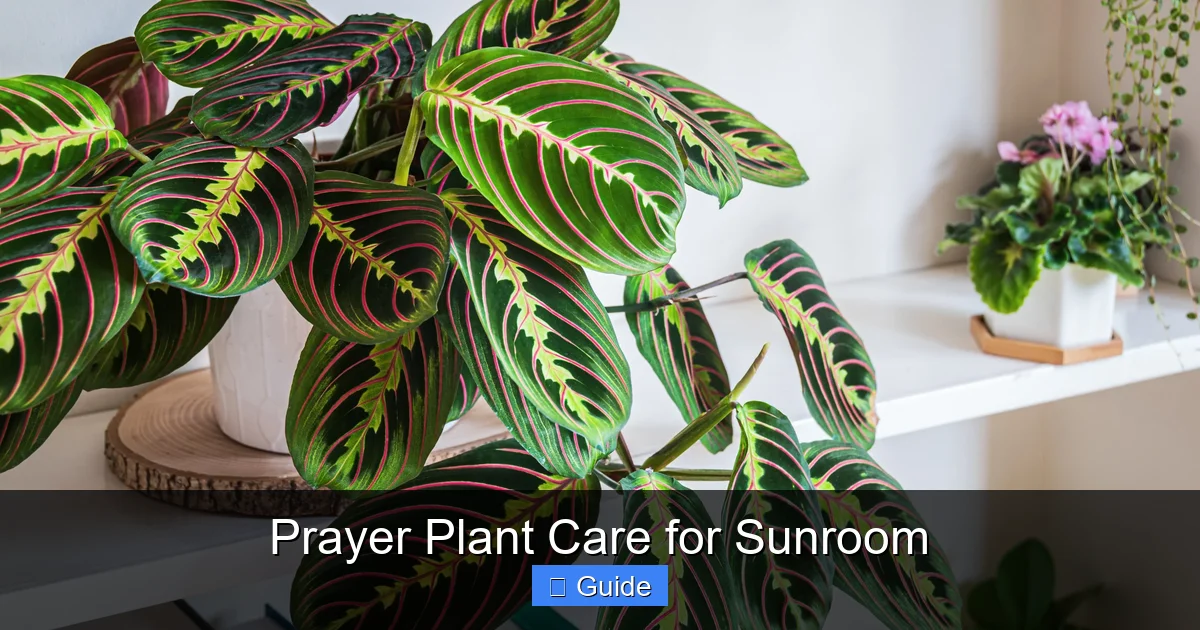
Prayer Plant Care for Sunroom
Prayer plants thrive in sunrooms when given bright, indirect light, consistent humidity above 50%, and well-draining soil kept evenly moist. Master prayer plant care for sunroom environments by managing temperature swings, filtering harsh afternoon sun, and adjusting care with the seasons for lush, vibrant foliage that folds up beautifully each night.
Key Takeaways
- Bright indirect light is essential: Place your prayer plant near east or north-facing sunroom windows, or use sheer curtains to filter intense south/west exposure.
- Maintain 50-60% humidity: Sunrooms can get dry; use pebble trays, humidifiers, or group plants together to boost moisture levels.
- Water when top inch of soil feels dry: Keep soil consistently moist but never soggy; use filtered or distilled water to prevent leaf tip burn.
- Watch temperature fluctuations: Keep sunroom temps between 65-80°F; avoid cold drafts in winter and heat buildup in summer.
- Feed lightly during growing season: Apply balanced liquid fertilizer at half strength every 4-6 weeks from spring through early fall.
- Expect seasonal adjustments: Reduce watering and stop fertilizing in winter; increase humidity when heating runs.
- Propagate easily for more plants: Divide at repotting or root stem cuttings in water to expand your sunroom collection.
Quick Answers to Common Questions
Can prayer plants tolerate direct sun in a sunroom?
No, direct sun scorches prayer plant leaves. Use sheer curtains or place them near east/north windows for bright indirect light only.
How often should I water my prayer plant in a sunroom?
Check every 2-3 days. Water when the top inch of soil feels dry. Sunrooms dry faster than interior rooms, so monitor closely rather than following a fixed schedule.
What humidity level do prayer plants need in a sunroom?
Aim for 50-60% relative humidity. Use pebble trays, humidifiers, and plant grouping to maintain this, especially in winter when heating drops humidity below 30%.
Why are my prayer plant leaves curling in the sunroom?
Inward curling usually means underwatering or low humidity. Outward curling suggests too much light or heat. Check soil moisture, humidity, and light exposure to diagnose.
When should I fertilize my prayer plant in a sunroom?
Feed at half strength every 4-6 weeks from March through September. Stop completely in winter. Flush soil monthly with plain water to prevent salt buildup.
📑 Table of Contents
- Why Your Sunroom Is the Perfect Prayer Plant Paradise
- Understanding Light Needs in a Sunroom Setting
- Mastering Humidity in a Glass Room
- Watering Wisdom for Sunroom Conditions
- Temperature Management in a Glass Environment
- Feeding, Pruning, and General Maintenance
- Troubleshooting Common Sunroom Prayer Plant Problems
- Propagation: Multiplying Your Sunroom Collection
- Seasonal Care Calendar for Sunroom Success
- Designing Your Sunroom Around Prayer Plants
- Advanced Tips for the Dedicated Grower
- Conclusion: Your Sunroom, Your Sanctuary
Why Your Sunroom Is the Perfect Prayer Plant Paradise
You walk into your sunroom on a lazy Saturday morning. Light pours through the windows. Your coffee steams. And there, on the plant stand, your prayer plant spreads its leaves wide to catch the day. By evening, those same leaves fold upward like hands in prayer. It is a daily show. A quiet rhythm. And it happens because your sunroom gives this tropical beauty exactly what it craves.
Prayer plants, known botanically as Maranta leuconeura, come from Brazilian rainforest floors. They grow under dappled canopy light. They breathe humid air. They root in rich, loose soil that drains fast but holds moisture. Your sunroom mimics this world better than any other room in your house. Bright but filtered light. Stable warmth. Space to spread. But a sunroom also brings challenges. Temperature swings. Dry air from heating. Intense afternoon glare. This guide walks you through every detail of prayer plant care for sunroom success so your Maranta stays lush, vibrant, and folding on cue.
Understanding Light Needs in a Sunroom Setting
Bright Indirect Light Is the Gold Standard
Prayer plants want bright light. But direct sun scorches their delicate leaves. In a sunroom, you have plenty of light. The trick is filtering it. East-facing windows are ideal. They give gentle morning sun. North-facing windows work too. They offer steady, soft light all day. South and west windows bring intense afternoon rays. If your prayer plant sits near these, hang sheer curtains. Or pull it back a few feet. A light meter helps. Aim for 100 to 200 foot-candles. That is the sweet spot for prayer plant care for sunroom conditions.
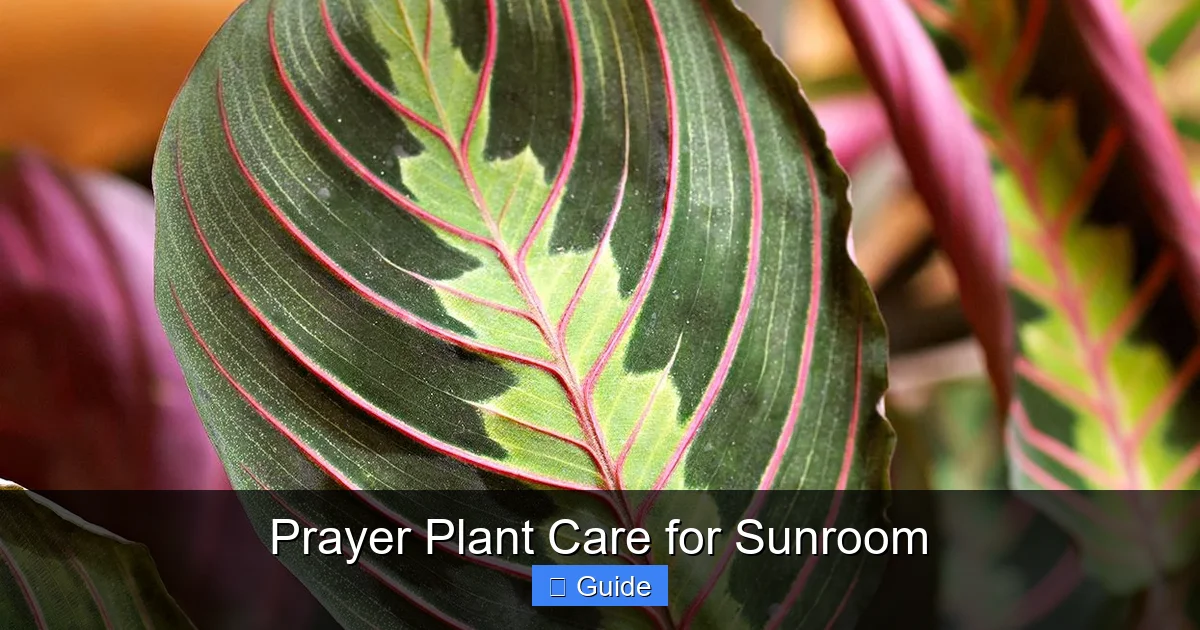
Visual guide about Prayer Plant Care for Sunroom
Image source: bhg.com
Signs Your Light Is Right or Wrong
Watch the leaves. They tell the story. Pale, washed-out color means too much sun. Leggy stems stretching toward the window mean too little. Crispy brown edges often signal sunburn. Healthy leaves stay rich green with vivid patterns. The classic herringbone veins pop. The undersides show deep burgundy. If your plant folds its leaves at night and opens them fully by day, light is perfect. That daily movement is called nyctinasty. It only happens when the plant feels good.
Rotating for Even Growth
Sunroom light comes from one direction mostly. Your prayer plant will lean. Rotate the pot a quarter turn each week. This keeps growth balanced. It prevents a lopsided shape. It also ensures all leaves get their turn in the best light. Set a reminder on your phone. Make it part of your watering routine. Small habit. Big difference.
Seasonal Light Shifts
Sunrooms change with the seasons. Summer sun climbs higher. It may miss south windows entirely. Winter sun drops low. It streams deep into the room. Adjust placement accordingly. In summer, pull back from hot windows. In winter, move closer to catch every ray. A plant stand on wheels makes this easy. Roll it. Done.
Supplemental Lighting Options
Some sunrooms lack ideal windows. Or winter days run short. Grow lights fill the gap. Choose full-spectrum LEDs. Run them 12 to 14 hours daily. Hang them 12 to 18 inches above the foliage. A timer automates it. This keeps your prayer plant care for sunroom routine steady year-round. No guesswork.
Mastering Humidity in a Glass Room
Why Humidity Matters More Than You Think
Rainforest floors run 70 to 80 percent humidity. Your sunroom likely sits at 30 to 40 percent. Especially in winter with heating on. Low humidity shows fast on prayer plants. Leaf edges crisp. Tips brown. New leaves emerge stuck or deformed. The plant struggles to transpire. Growth slows. Spider mites move in. They love dry air. Keeping humidity up is the single biggest factor in prayer plant care for sunroom success.
Pebble Trays: Simple and Effective
Fill a shallow tray with pebbles. Add water to just below the top of the stones. Set your pot on top. As water evaporates, it creates a humid microclimate around the plant. Refill weekly. Clean monthly to prevent algae. This passive method adds 5 to 10 percent humidity right where it counts. Use a wide tray for best effect. Group several plants on one large tray for even more impact.
Humidifiers: The Power Move
If your sunroom runs large or dry, a humidifier pays off. Choose an ultrasonic or evaporative model. Aim for 50 to 60 percent relative humidity. A hygrometer tells you where you stand. Run the humidifier during daylight hours. Turn it off at night to prevent fungal issues. Clean it weekly. Distilled water reduces mineral dust on leaves. This investment transforms prayer plant care for sunroom environments from struggle to ease.
Plant Grouping Creates Community Humidity
Plants release moisture through transpiration. Group your prayer plant with other tropicals. Ferns. Calatheas. Philodendrons. They create a shared humid bubble. Space pots an inch apart for airflow. Crowding invites pests. But close grouping works. You get a lush display and happier plants. Win-win.
Misting: Helpful or Hype?
Misting feels good to do. But it gives only a brief humidity spike. It can also promote fungal spots if leaves stay wet too long. If you mist, do it early morning. Use fine spray. Let leaves dry before evening. Better to rely on trays, humidifiers, and grouping. Misting is a bonus, not a strategy.
Winter Humidity Emergency Plan
Heating season murders humidity. Your sunroom may drop to 20 percent. Combat this aggressively. Run humidifiers longer. Double up pebble trays. Move plants away from heating vents. Consider a small greenhouse cabinet for your most sensitive specimens. A clear plastic storage bin with the lid cracked works in a pinch. Monitor daily. React fast. Your prayer plant will thank you with fresh, unblemished leaves.
Watering Wisdom for Sunroom Conditions
The Golden Rule: Evenly Moist, Never Soggy
Prayer plants hate drying out. They also hate sitting in water. The soil should feel like a wrung-out sponge. Check the top inch with your finger. Dry? Water. Damp? Wait. In a sunroom, evaporation runs faster than in interior rooms. Check every two to three days. More in summer. Less in winter. Consistency beats schedule. Your finger knows better than a calendar.
Water Quality Matters More Than You Know
Tap water often contains chlorine, fluoride, and salts. Prayer plants are sensitive. Brown leaf tips often come from chemical buildup. Use filtered water. Or let tap water sit overnight to off-gas chlorine. Rainwater is gold. Distilled works too. Room temperature only. Cold water shocks tropical roots. This detail separates okay prayer plant care for sunroom results from exceptional ones.
Bottom Watering vs. Top Watering
Bottom watering encourages deep roots. Place the pot in a basin of water. Let it soak 15 to 20 minutes. The soil wicks moisture up evenly. Top watering flushes salts. Do both. Bottom water weekly. Top water monthly to flush. Always empty the saucer. Standing water breeds root rot. And fungus gnats. Nobody wants those.
Pot and Soil Choices That Support Watering
Terracotta breathes. It wicks moisture. Great for overwaterers. Plastic holds water longer. Better for underwaterers. Choose based on your habits. Either way, drainage holes are non-negotiable. Soil mix: two parts peat-based potting mix, one part perlite, one part orchid bark. This drains fast but holds moisture. Repot every two years in spring. Fresh soil resets everything.
Reading the Leaves for Water Clues
Leaves curl inward when thirsty. They go limp when overwatered. Yellow lower leaves often mean too much water. Brown crispy tips often mean too little or bad water. Learn your plant’s language. It speaks clearly. A moisture meter helps if you are unsure. But your finger and eyes work fine once you pay attention.
Vacation Watering Solutions
Going away? Water thoroughly before you leave. Group plants on pebble trays. Move them back from windows to slow evaporation. Use watering spikes with wine bottles. Or ask a plant-savvy friend to check. For trips over two weeks, consider a self-watering system. Test it before you rely on it. Peace of mind matters.
Temperature Management in a Glass Environment
The Ideal Range and Why It Matters
Prayer plants want 65 to 80 degrees Fahrenheit. Below 60, growth stops. Below 55, damage starts. Above 85, stress shows. Sunrooms amplify outdoor temps. Summer afternoons can spike. Winter nights can plummet. A min/max thermometer tells the true story. Place it at plant level. Not on the wall. Not near the heater. Right where your plant lives.
Summer Heat Strategies
Sunrooms turn into greenhouses in July. Vents and fans are essential. Open windows early. Close them before peak heat. Run circulating fans. They prevent hot spots. They strengthen stems. Shade cloth on the roof cuts 30 to 50 percent of solar gain. Move plants to the floor where air is cooler. Mist the floor for evaporative cooling. Keep watering consistent. Heat plus drought kills fast.
Winter Cold Protection
Sunroom nights get cold. Single-pane glass radiates chill. Move plants off cold floors. Use plant stands. Insulate pots with bubble wrap. A small space heater on a thermostat keeps the room above 60. But keep it away from plants. Direct heat dries leaves. Drafts from doors shock foliage. Seal gaps. Weatherstrip. Your prayer plant care for sunroom routine must include a winter watch plan.
Day-Night Fluctuations
Prayer plants handle 10-degree swings fine. More than that stresses them. Sunrooms often swing 20 degrees or more. Thermal mass helps. Water barrels. Stone floors. They absorb day heat and release it at night. Programmable heaters maintain minimums. Automated vents prevent maximums. Stability creates the lush growth you want.
Acclimating New Plants
Bringing a prayer plant home? Don’t toss it straight into sunroom extremes. Harden it off. Week one: two hours morning light. Week two: four hours. Week three: full day. Watch for stress. This gentle transition prevents shock. The same goes for moving plants outdoors in summer. Reverse the process in fall. Patience pays.
Feeding, Pruning, and General Maintenance
Fertilizer: Less Is More
Prayer plants are light feeders. Too much fertilizer burns roots. Causes salt buildup. Leads to crispy leaf edges. Use balanced liquid fertilizer (10-10-10 or 20-20-20) at half strength. Apply every four to six weeks from March through September. Stop completely in winter. Flush soil with plain water monthly to prevent salt accumulation. This measured approach keeps prayer plant care for sunroom feeding simple and safe.
Organic Options Worth Trying
Worm castings tea. Fish emulsion. Seaweed extract. These gentle organics feed soil life and plants. Apply monthly at label rates. They smell. Use them when you can ventilate. The microbial boost improves soil structure. Healthier roots. Better water uptake. More resilient plants.
Pruning for Shape and Health
Prayer plants get leggy. Especially in lower light. Prune in spring. Cut stems just above a node. New growth branches from there. Remove yellow or damaged leaves anytime. Use clean, sharp scissors. Wipe with alcohol between cuts. Pruning also gives you cuttings for propagation. Two birds. One stone.
Cleaning Leaves for Maximum Photosynthesis
Dust blocks light. Sunrooms get dusty. Wipe leaves monthly with a damp microfiber cloth. Support each leaf from underneath. Clean top and bottom. This removes dust and early pest signs. Shower the plant quarterly. Lukewarm water. Gentle spray. Let it drip dry. Clean leaves breathe better. They look gorgeous too.
Repotting: When and How
Roots circling the pot? Water rushing through? Time to repot. Spring is best. Go up one pot size only. Two inches wider max. Too big holds too much water. Use fresh mix. Water well after. Keep in lower light for a week. Then return to its spot. Repotting every two years keeps soil fresh and roots happy.
Troubleshooting Common Sunroom Prayer Plant Problems
Spider Mites: The Dry Air Opportunists
Tiny webs. Speckled leaves. Mites thrive in dry sunrooms. Blast them off with water. Spray neem oil weekly for three weeks. Raise humidity permanently. They hate moisture. Check leaf undersides weekly. Catch early. Act fast. A humid sunroom prevents them entirely.
Fungus Gnats: The Overwatering Indicator
Tiny flies. Larvae eat roots. They mean soil stays too wet. Let top inch dry between waterings. Yellow sticky traps catch adults. Mosquito bits in water kill larvae. Repot in fresh, sterile mix if bad. Fix the watering. The gnats vanish.
Leaf Curl: Decoding the Message
Leaves curl for reasons. Inward curl: thirsty or low humidity. Outward curl: too much light or heat. Tight spiral: cold shock or pests. Uncurl: happy. Watch the pattern. Fix the cause. The leaves respond fast once conditions improve.
Brown Tips: The Universal Complaint
Brown tips have many fathers. Low humidity. Bad water. Too much fertilizer. Salt buildup. Root bound. Trim brown tips with scissors. Cut at an angle to mimic natural shape. Fix the root cause. New growth comes clean.
Yellow Leaves: Normal vs. Problem
One or two bottom leaves yellowing? Normal aging. Many yellow leaves? Overwatering. Poor drainage. Nutrient deficiency. Cold damage. Check soil. Check roots. Check temps. Address the specific issue. Don’t guess. Test.
Leggy Growth: Light Deficiency
Long stems. Wide gaps between leaves. Small new leaves. The plant is stretching. Move closer to light. Add grow light. Prune back in spring. Rotate religiously. Compact growth returns with better light.
Propagation: Multiplying Your Sunroom Collection
Division at Repotting
Easiest method. When repotting, gently pull the root ball apart. Each section needs roots and stems. Pot separately. Water well. Keep humid. New plants establish in weeks. You get instant full-sized plants. Great for gifting or filling sunroom shelves.
Stem Cuttings in Water
Cut below a node. Include two to three leaves. Place in water. Change water weekly. Roots appear in two to four weeks. Pot when roots reach one inch. Use clear jars to watch progress. Kids love this. So do adults.
Stem Cuttings in Soil
Dip cut end in rooting hormone. Plant in moist perlite or vermiculite. Cover with a plastic bag for humidity. Vent daily. Roots in three to four weeks. Harder to monitor but stronger roots. Your call.
Aftercare for New Plants
Baby plants need extra humidity. Extra gentle light. Extra patience. Treat them like seedlings. No fertilizer for two months. Water carefully. They will catch up. Soon you have a prayer plant family.
Seasonal Care Calendar for Sunroom Success
Spring: Wake Up and Grow
March: Resume fertilizing. Check for repotting needs. Increase watering as light grows. April: Prune leggy growth. Propagate. Clean leaves. May: Move to brighter spots as sun climbs. Watch for pests. This is show season. Enjoy the flush.
Summer: Manage the Heat
June: Monitor temps daily. Ventilate. Shade if needed. Water more. July: Peak heat. Maximum vigilance. Humidity high. Fertilize lightly. August: Watch for spider mites. Keep air moving. Prep for fall transition.
Fall: Wind Down Gently
September: Last fertilizer. Reduce watering slightly. October: Move back from cooling windows. Check heater function. November: Stop fertilizing. Humidity watch begins. Clean everything. Pest check.
Winter: Protect and Maintain
December: Minimum heat on. Humidifier running. Water sparingly. January: Coldest month. Insulate pots. Rotate for even light. February: Light returns. Watch for early growth. Prep for spring restart.
Designing Your Sunroom Around Prayer Plants
Choosing the Right Spot
East window. Sheer curtain. Plant stand. Pebble tray beneath. Humidifier nearby. Thermometer at leaf level. This is the prayer plant care for sunroom ideal setup. Replicate it for each plant. Consistency creates a thriving collection.
Companion Plants That Share Needs
Calatheas. Same family. Same needs. Ferns. Love humidity. Philodendrons. Tolerate similar light. Peperomias. Compact neighbors. Group them. They help each other. And they look stunning together. A tapestry of texture and pattern.
Display Ideas That Work
Tiered stands maximize window space. Hanging baskets for trailing varieties. Wall shelves at staggered heights. Rolling carts for easy rotation. Glass cabinets for humidity control. Get creative. Your sunroom becomes a living gallery.
Creating a Care Station
Keep tools handy. Watering can. Spray bottle. Fertilizer. Scissors. Cloth. Gloves. Notebook. Pen. A small shelf or cabinet in the sunroom holds it all. No running to the garage. Care happens when it’s easy.
Advanced Tips for the Dedicated Grower
Using a PAR Meter for Precision
Phone apps estimate light. PAR meters measure photosynthetically active radiation accurately. 100 to 200 micromoles per square meter per second is your target. Worth it if you have many plants. Data beats guesswork.
Automated Monitoring Systems
Bluetooth sensors track temp, humidity, light, soil moisture. Alerts on your phone. Trends over time. You learn your sunroom’s true patterns. Adjust proactively. Technology serves nature.
CO2 Enrichment Experimentation
Plants love CO2. Sunrooms can run low with closed windows. A small CO2 generator or even fermentation buckets boost growth. Advanced. Optional. But fun for experimenters. Monitor with a CO2 meter. Aim for 800 to 1200 ppm.
Beneficial Insects for Pest Prevention
Predatory mites eat spider mites. Lacewings eat aphids. Release preventively. They establish a balance. No chemicals needed. Works best in enclosed sunrooms. A living ecosystem in your glass room.
Conclusion: Your Sunroom, Your Sanctuary
You now hold the complete map for prayer plant care for sunroom mastery. Light filtered just right. Humidity held high. Water given with attention. Temperature watched like a hawk. Fed with restraint. Pruned with purpose. Problems caught early. Propagation shared freely. Seasons honored. Space designed with love.
Your prayer plant will reward you. Daily leaf dances. Vibrant patterns. New growth unfurling. A living sculpture that breathes with the day. The sunroom becomes more than a room. It becomes a partnership between you and the green world. Every morning coffee comes with a show. Every evening wind-down includes a quiet folding of leaves. This is why we grow. Not for perfection. For connection.
Start today. Check your light. Feel your soil. Read your hygrometer. Make one adjustment. Then another. Watch what happens. The prayer plant has waited millions of years for a spot like your sunroom. And you have waited for a plant that moves with the sun. You found each other. Now tend the bond. The rest follows naturally.
Frequently Asked Questions
Can I keep my prayer plant in a sunroom year-round?
Yes, prayer plants thrive in sunrooms year-round if you manage temperature extremes. Keep the room between 65-80°F, provide humidity above 50%, and filter intense summer sun. Winter may require supplemental heat and humidification.
What is the best window direction for a prayer plant in a sunroom?
East-facing windows are ideal, providing gentle morning light. North windows work well for consistent indirect light. South and west windows require sheer curtains or distance to prevent leaf scorch from intense afternoon sun.
How do I increase humidity for my prayer plant in a dry sunroom?
Use a humidifier for the most control, place the pot on a pebble tray with water, group with other tropical plants, and avoid placing near heating vents. A hygrometer helps you monitor and maintain 50-60% humidity.
Why does my prayer plant have brown crispy leaf tips?
Brown tips usually indicate low humidity, chemicals in tap water, over-fertilizing, or inconsistent watering. Use filtered water, increase humidity, flush soil monthly, and trim damaged tips at an angle for appearance.
Can I propagate my prayer plant in the sunroom?
Yes, sunrooms are excellent for propagation. Divide during spring repotting or root stem cuttings in water or moist perlite. Provide extra humidity with a plastic bag dome and keep in bright indirect light until established.
What pests commonly affect prayer plants in sunrooms?
Spider mites are the most common, thriving in dry conditions. Fungus gnats appear with overwatering. Mealybugs and scale can also occur. Maintain high humidity, inspect weekly, and treat early with neem oil or insecticidal soap.