Haworthia Fasciata Care Guide for Beginners
Haworthia fasciata, also called the zebra plant, thrives on bright indirect light, infrequent watering, and a gritty well‑draining mix. Follow this haworthia fasciata care guide for beginners to keep your succulent healthy and encourage offsets for easy propagation.
Welcome to the haworthia fasciata care guide for beginners. This guide will walk you through everything you need to know to keep your zebra plant happy. You will learn about light, water, soil, temperature, and propagation. The information is simple and easy to follow.
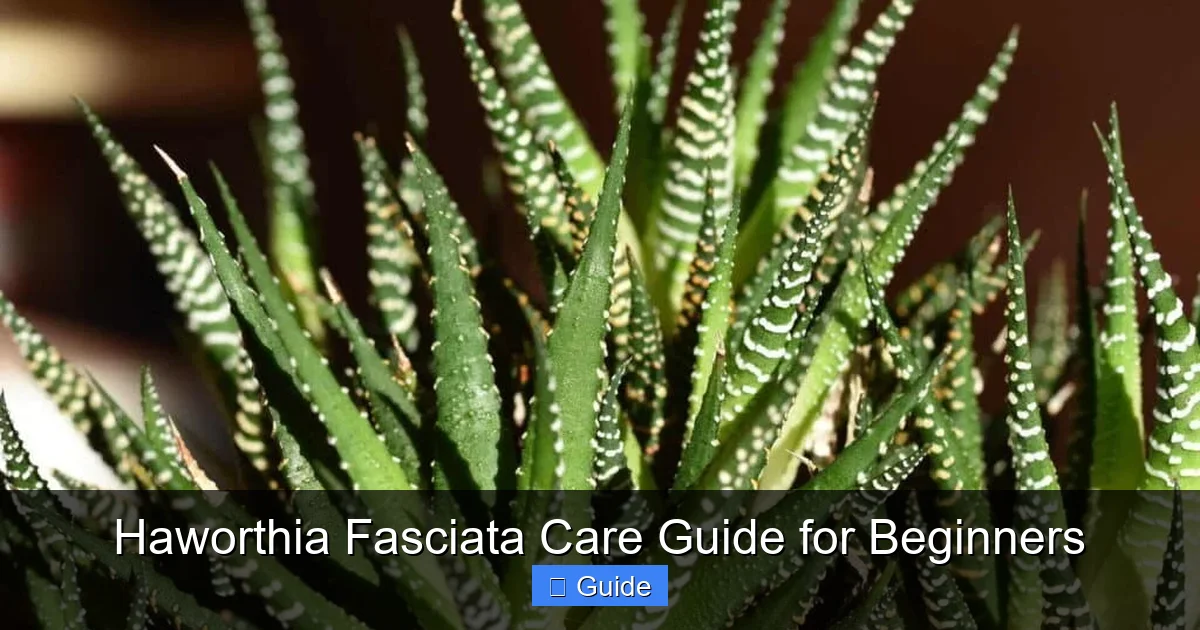
Haworthia fasciata is a small succulent that forms rosettes of thick, dark green leaves with white stripes. It is native to South Africa and grows in rocky crevices. Because of its compact size it fits on windowsills, desks, and shelves. With the right care it can live for many years.
In this article we break down each care step into clear sections. You can read straight through or jump to the part you need. Let’s get started.
Key Takeaways
- Light: Provide bright indirect light; avoid harsh direct sun.
- Water: Use the soak‑and‑dry method; let soil dry completely between drinks.
- Soil: Plant in a gritty, fast‑draining succulent mix.
- Temperature: Keep between 60‑85 °F (15‑29 °C); protect from frost.
- Propagation: Separate offsets or try leaf cuttings for new plants.
- Pests: Watch for mealybugs and treat early with neem oil.
- Common Issue: Overwatering leads to root rot; ensure good drainage.
Quick Answers to Common Questions
How often should I water Haworthia fasciata?
Water every two weeks in the growing season and once a month in winter, only when the soil is completely dry.
What type of light is best for a zebra plant?
Bright indirect light, such as a south‑facing window with a sheer curtain, keeps the stripes vivid without scorching.
Can I propagate Haworthia fasciata from a single leaf?
Yes, a healthy leaf can produce a new plant after it callouses and is placed on dry gritty soil.
Why are my Haworthia leaves turning mushy?
Mushy leaves usually mean overwatering; let the soil dry out completely and check for root rot.
What temperature range suits Haworthia fasciata?
It prefers 60‑85 °F (15‑29 °C) and should be protected from frost and cold drafts.
📑 Table of Contents
Light Requirements
Bright Indirect Light
Haworthia fasciata loves bright indirect light. Place the plant near a south‑facing window with a sheer curtain. Morning sun is gentle and beneficial. Too little light makes the leaves stretch and lose color. A well‑lit spot keeps the stripes vivid.
Avoid Direct Sun
Direct afternoon sun can scorch the leaves. Brown patches appear quickly on the white bands. If you see scorching, move the plant a few feet back. A light filter or shade cloth works well. The plant will recover in a few weeks.
Signs of Light Stress
Watch for pale or elongated leaves. This signals the plant needs more light. Conversely, bleached tips mean too much sun. Adjust the position gradually. Small changes prevent shock.
Watering Guidelines
Soak and Dry Method
Water deeply until water runs out of the drainage holes. Then let the soil dry completely before the next drink. This mimics the natural rain‑then‑dry cycle. Use a finger or a moisture meter to test dryness. The top two inches should feel dry.
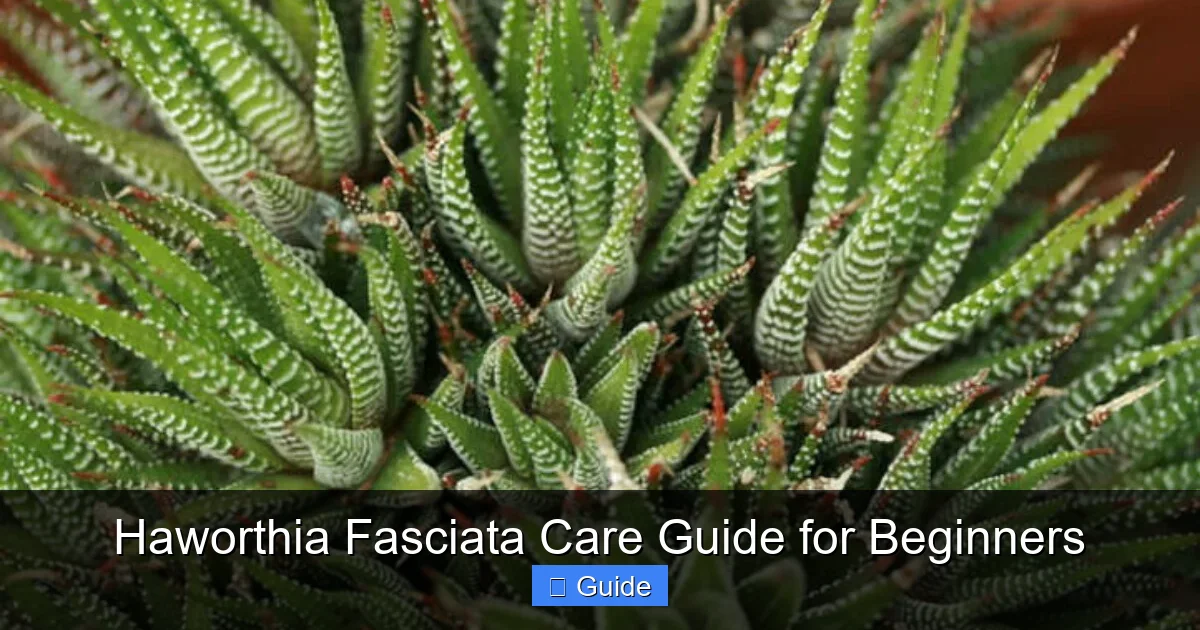
Visual guide about Haworthia Fasciata Care Guide for Beginners
Image source: epicgardening.com
How Often to Water
In spring and summer water roughly every two weeks. In fall and winter cut back to once a month. Temperature and humidity affect frequency. Always check the soil first. Overwatering is the most common mistake.
Signs of Overwatering
Soft, mushy leaves indicate excess moisture. Yellowing at the base is another clue. A foul smell from the pot means root rot. Remove the plant, trim rotten roots, and repot in fresh dry mix. Let it sit unwatered for a week.
Soil and Potting
Choosing a Gritty Mix
Use a commercial cactus mix or make your own. Combine one part potting soil, one part coarse sand, and one part perlite. The mix must drain fast. Avoid heavy garden soil. Good drainage prevents waterlogged roots.
Pot Size and Drainage
Choose a pot just slightly larger than the root ball. A pot that is too big holds excess moisture. Ensure the pot has drainage holes. Terra cotta pots breathe and help soil dry faster. Plastic pots work if holes are ample.
Repotting Tips
Repot every two to three years in spring. Gently loosen the root ball and shake off old soil. Place the plant in the new pot at the same depth. Fill with fresh gritty mix and tap to settle. Wait a few days before watering.
Temperature and Humidity
Ideal Temperature Range
Haworthia fasciata thrives between 60 and 85 degrees Fahrenheit. It tolerates brief dips to 50 degrees. Frost will kill the plant. Keep it away from cold drafts in winter. A stable indoor temperature is best.
Humidity Considerations
Average home humidity is fine. The plant does not need extra misting. High humidity can encourage fungal issues. If your air is very dry, a pebble tray adds a little moisture. Do not let water sit on the leaves.
Seasonal Adjustments
During hot summer days, provide a bit more shade. In winter, move the plant to the brightest spot. Reduce watering as growth slows. These small changes keep the plant healthy year round.
Propagation Methods
Offsets
Offsets are tiny clones that form at the base. Wait until they are at least one‑third the size of the mother. Gently twist or cut them away with a clean knife. Let the cut end callous for a day. Plant in dry gritty mix and water sparingly.
Leaf Cuttings
Select a healthy leaf and pull it cleanly from the stem. Allow the leaf to callous for two to three days. Lay the leaf on top of dry soil. Mist lightly every few days. Roots and a new rosette will appear in weeks.
Aftercare for New Plants
Keep new offsets and leaf babies in bright indirect light. Water only when the soil is bone dry. Avoid fertilizer for the first month. Gradually introduce a diluted succulent feed. Patience yields strong plants.
Common Issues and Solutions
Mealybugs
Mealybugs look like tiny cotton spots on leaves. Dab them with a cotton swab dipped in isopropyl alcohol. Repeat every few days until gone. Neem oil spray works as a preventive. Inspect new plants before adding them to your collection.
Root Rot
Root rot stems from soggy soil. Symptoms include black, mushy roots and a foul odor. Remove the plant, cut away all rot, and let the healthy roots air dry. Repot in fresh dry mix and withhold water for a week. Prevention is easier than cure.
Sunburn
Sunburn appears as white or brown patches on the leaf tops. Move the plant to a shadier spot immediately. Damaged tissue will not recover but new growth will be normal. Use a sheer curtain to filter harsh rays.
Congratulations! You now have a solid haworthia fasciata care guide for beginners to reference anytime. Remember the key points: bright indirect light, soak‑and‑dry watering, gritty soil, stable temperatures, and easy propagation. With a little attention your zebra plant will thrive for years. Happy growing!
Frequently Asked Questions
What is the best soil mix for Haworthia fasciata?
A gritty, fast‑draining mix works best. Combine one part potting soil, one part coarse sand, and one part perlite for optimal drainage.
How do I know when to repot my zebra plant?
Repot every two to three years or when roots fill the pot. Spring is the ideal time for minimal stress.
Can Haworthia fasciata tolerate low light?
It can survive low light but will become leggy and lose its striking stripes. Bright indirect light is recommended.
Is fertilizer necessary for Haworthia fasciata?
Fertilize sparingly with a diluted succulent feed during the active growing season. Too much fertilizer can burn the roots.
What pests commonly affect Haworthia fasciata?
Mealybugs and spider mites are the most common pests. Regular inspection and neem oil treatments keep them under control.
How can I prevent sunburn on my zebra plant?
Place the plant where it receives filtered light, such as behind a sheer curtain. Avoid direct afternoon sun, especially in summer.