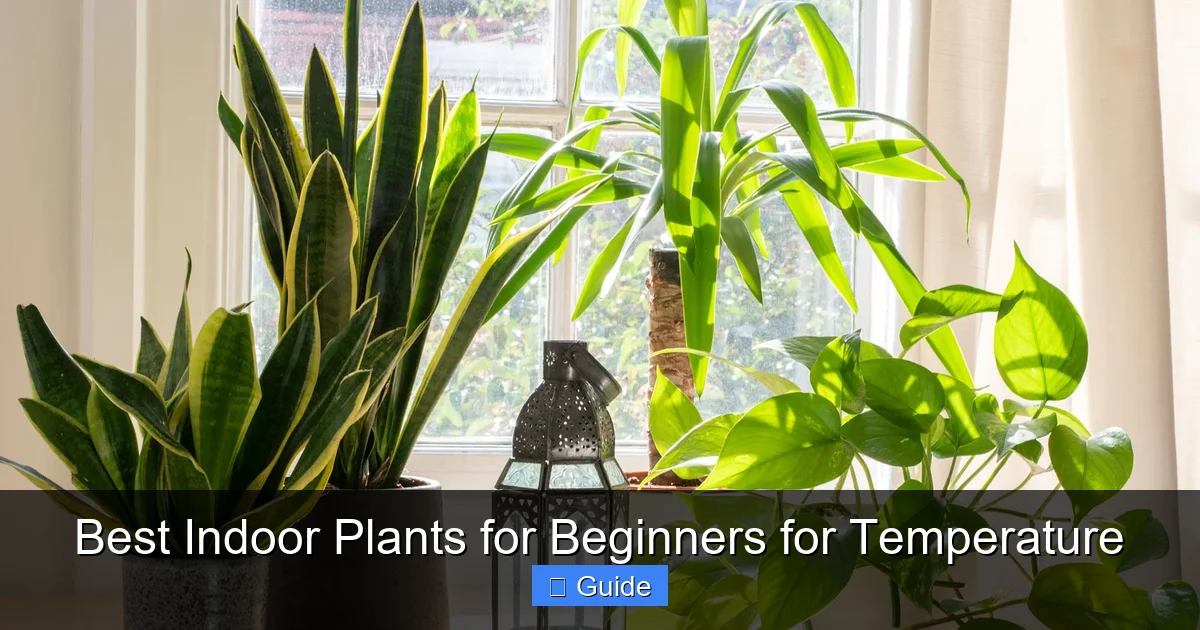
Best Indoor Plants for Beginners for Temperature
Choosing the best indoor plants for beginners for temperature tolerance makes indoor gardening simple. These plants survive temperature swings, need little water, and thrive in typical home conditions. Start with a few hardy varieties and enjoy a green space all year.
Key Takeaways
- Temperature tolerance: Pick plants that handle both warm and cool indoor spots.
- Low maintenance: The best indoor plants for beginners for temperature need minimal watering and feeding.
- Light flexibility: Many tolerant species grow well in low to bright indirect light.
- Air quality boost: These plants filter toxins while adding humidity.
- Easy propagation: You can expand your collection without extra cost.
- Seasonal resilience: They survive heating in winter and cooling in summer.
- Decor versatility: Their shapes and sizes fit any room style.
Quick Answers to Common Questions
What is the easiest indoor plant for temperature swings?
The snake plant handles the widest range and needs almost no attention.
How often should I water temperature‑tolerant plants?
Water only when the top inch of soil feels dry; usually every two to three weeks.
Can I keep these plants near a heater?
Keep at least three feet away from direct heat to avoid leaf scorch.
Do I need a humidifier for these plants?
Most tolerate average home humidity; a pebble tray can help in very dry rooms.
When should I repot my beginner plants?
Repot every one to two years in spring using fresh, well‑draining mix.
📑 Table of Contents
Why Temperature Matters for Indoor Plants
Indoor temperature swings can stress plants. Most homes range from 60°F at night to 80°F in the day. Plants that cannot handle this range may drop leaves or stop growing. Choosing the best indoor plants for beginners for temperature tolerance solves this problem. Temperature affects water uptake. Warm air pulls moisture from soil faster. Cold air slows root activity. A plant that tolerates both extremes keeps its roots healthy. This means less guesswork for you.
Humidity often follows temperature. Heating dries the air. Cooling can raise humidity near windows. Hardy plants adapt to these shifts. They keep their foliage looking fresh. When you pick temperature‑tolerant species, you reduce the need for humidifiers or heaters. You save money and time. Your indoor garden becomes a low‑maintenance joy.
In short, temperature resilience is the foundation of a successful beginner garden. It lets you focus on learning other care basics. The best indoor plants for beginners for temperature give you confidence from day one.
Top 10 Best Indoor Plants for Beginners for Temperature Tolerance
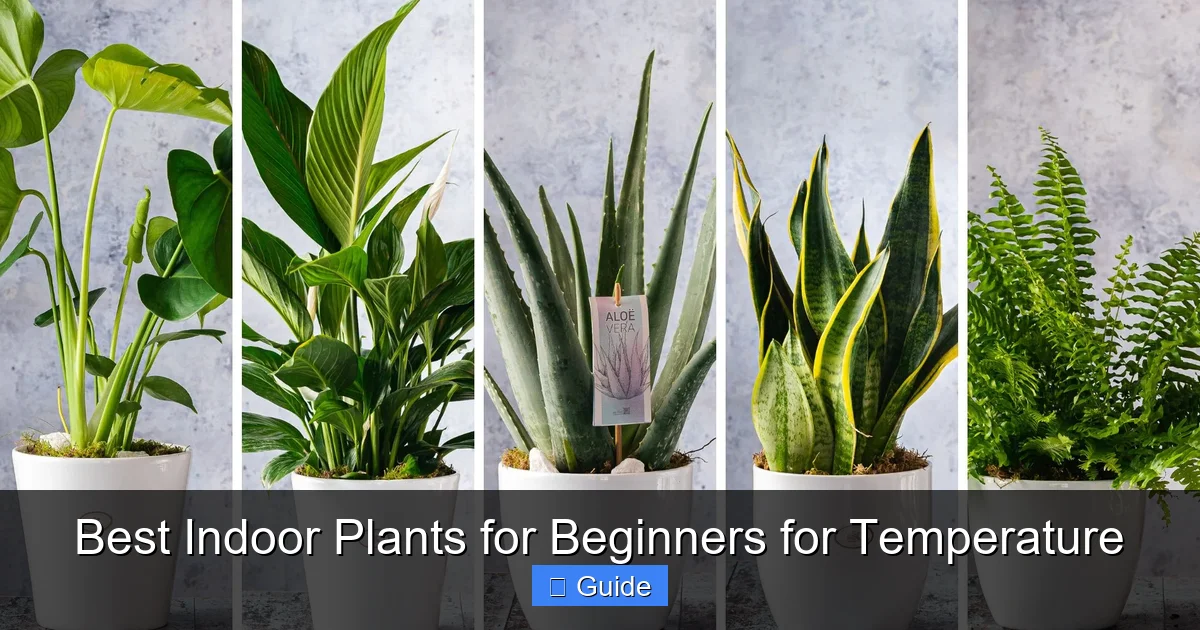
Here are ten reliable choices. Each one handles temperature swings, needs little water, and looks great. The best indoor plants for beginners for temperature list includes varieties that thrive in average home conditions.
Visual guide about Best Indoor Plants for Beginners for Temperature
Image source: cdn.mos.cms.futurecdn.net
Snake Plant (Sansevieria)
The snake plant is one of the best indoor plants for beginners for temperature tolerance. It survives 50°F to 90°F without complaint. Thick leaves store water for weeks. Water only when soil feels dry. It thrives in low light corners.
ZZ Plant (Zamioculcas zamiifolia)
The ZZ plant ranks high among the best indoor plants for beginners for temperature resilience. It tolerates 55°F to 85°F easily. Glossy leaves reflect light and reduce water loss. Water sparingly every two to three weeks. It grows well in dim offices.
Pothos (Epipremnum aureum)
Pothos is a classic pick for the best indoor plants for beginners for temperature flexibility. It handles 60°F to 85°F with ease. Vines grow fast in bright indirect light. Let the top inch of soil dry before watering. Trim to keep shape.
Spider Plant (Chlorophytum comosum)
The spider plant earns a spot on the best indoor plants for beginners for temperature list. It survives 55°F to 80°F. Arching leaves produce baby plantlets for easy propagation. Water when the top soil feels dry. Bright indirect light keeps variegation vivid.
Cast Iron Plant (Aspidistra elatior)
The cast iron plant lives up to its name as one of the best indoor plants for beginners for temperature hardiness. It endures 45°F to 85°F. Dark green leaves tolerate neglect. Water only when soil is completely dry. Low light is no problem.
Peace Lily (Spathiphyllum)
Peace lily appears on the best indoor plants for beginners for temperature guide because it tolerates 60°F to 85°F. White blooms appear with modest light. Keep soil evenly moist but not soggy. Mist leaves to raise humidity.
Chinese Evergreen (Aglaonema)
Chinese evergreen is a top choice for the best indoor plants for beginners for temperature adaptability. It thrives from 60°F to 80°F. Colorful foliage brightens dim rooms. Water when the top inch dries out. Avoid cold drafts.
Dracaena (Dracaena marginata)
Dracaena makes the best indoor plants for beginners for temperature roster with a range of 60°F to 80°F. Tall slender stems add height. Allow soil to dry halfway before watering. Filtered light prevents leaf scorch.
Rubber Plant (Ficus elastica)
The rubber plant qualifies as one of the best indoor plants for beginners for temperature stability. It prefers 60°F to 80°F. Large glossy leaves store moisture. Water when the top two inches dry. Bright indirect light encourages growth.
Parlor Palm (Chamaedorea elegans)
Parlor palm rounds out the best indoor plants for beginners for temperature collection. It tolerates 55°F to 75°F. Feathery fronds add tropical feel. Keep soil lightly moist. Low to medium light works well.
How to Assess Your Home’s Temperature Zones
Knowing your home’s microclimates helps you place the best indoor plants for beginners for temperature where they thrive. Start by observing daily temperature changes. Note which rooms feel warm in the afternoon and which stay cool at night.
Identify Hot Spots
Hot spots often appear near south‑facing windows, radiators, or electronics. These areas can reach 80°F or higher. Place heat‑loving varieties like rubber plant or dracaena there. Monitor with a simple thermometer.
Identify Cool Spots
Cool spots show up near north‑facing windows, exterior doors, or basements. Temperatures may dip to 55°F. Cast iron plant and snake plant tolerate these lows. Keep them away from cold drafts.
Use a Simple Thermometer
A cheap digital thermometer gives accurate readings. Record morning, afternoon, and evening numbers for a week. This data reveals patterns you might miss by feel alone. Match each plant’s preferred range to the recorded zone.
Map Your Zones
Draw a rough floor plan and label each zone with its average temperature range. Assign the best indoor plants for beginners for temperature to the matching zones. This visual guide makes future rearrangements easy.
Care Tips to Keep Temperature‑Sensitive Plants Happy
Even the best indoor plants for beginners for temperature benefit from a few consistent habits. Simple routines keep stress low and growth steady.
Watering Schedule
Water only when the top inch of soil feels dry. Overwatering is the fastest way to kill temperature‑tolerant plants. Use room‑temperature water to avoid shocking roots. Adjust frequency with seasonal temperature shifts.
Light Placement
Match light to each plant’s label. Most tolerant species accept low to bright indirect light. Rotate pots weekly so all sides receive equal exposure. This prevents leaning and promotes even growth.
Humidity Boosts
Group plants together to create a humid microclimate. A shallow tray of pebbles and water adds moisture without soggy soil. Mist leaves lightly in the morning if air feels very dry.
Fertilizing Lightly
Feed with a balanced liquid fertilizer at half strength once a month during spring and summer. Skip feeding in fall and winter when growth slows. Excess nutrients can burn roots in cooler temperatures.
Seasonal Adjustments
Move pots away from heaters in winter and away from air‑conditioning vents in summer. Small relocations keep the best indoor plants for beginners for temperature within their comfort zone. Watch for leaf curl or yellowing as early warning signs.
Common Mistakes and How to Avoid Them
Even experienced growers slip up with the best indoor plants for beginners for temperature. Recognizing these pitfalls saves time and plants.
Overwatering
Overwatering leads to root rot, especially when temperatures dip. Check soil moisture before each watering. Use pots with drainage holes. Empty saucers after watering.
Ignoring Drafts
Cold drafts from doors or windows shock sensitive foliage. Place plants a few feet away from direct airflow. Use a sheer curtain to diffuse cold blasts.
Placing Near Heaters
Direct heat dries leaves and soil rapidly. Keep a minimum distance of three feet from radiators or space heaters. A humidifier nearby can offset dryness.
Using Wrong Soil
Heavy garden soil retains too much water. Choose a well‑draining potting mix designed for houseplants. Add perlite or orchid bark for extra aeration.
Neglecting Repotting
Roots outgrow pots every one to two years. Repot in spring using a slightly larger container. Fresh soil restores nutrients and improves temperature buffering.
Building a Temperature‑Resilient Indoor Garden
Combine the best indoor plants for beginners for temperature with smart design for a thriving year‑round display.
Group Plants by Needs
Cluster species with similar temperature and humidity preferences. This creates natural microclimates and simplifies care routines. A tray of pebbles under the group raises humidity for all.
Create Microclimates
Use shelves, terrariums, or glass cloches to tailor conditions. A small glass dome over a peace lily keeps humidity high while the room stays cooler. Adjust covers as seasons change.
Rotate Pots
Turn each pot a quarter turn each week. Even light distribution prevents lopsided growth. Rotation also lets you spot early signs of temperature stress on all sides.
Add a Simple Monitor
A Bluetooth temperature and humidity sensor sends alerts to your phone. Set thresholds for each zone. This tech takes guesswork out of maintaining the best indoor plants for beginners for temperature.
Enjoy the Process
Gardening indoors is a learning journey. Celebrate new leaves, blooms, and successful propagations. Share cuttings with friends to spread the joy of resilient greenery.
With the right selections and a few mindful habits, anyone can grow a lush indoor garden that shrugs off temperature swings. Start with the best indoor plants for beginners for temperature, observe your home’s zones, and adjust care as seasons shift. Soon you’ll enjoy fresh air, natural beauty, and the confidence that comes from a thriving green space.
Frequently Asked Questions
Which indoor plants survive both hot and cold indoor temperatures?
Snake plant, ZZ plant, cast iron plant, and pothos all tolerate a wide temperature range from the 40s to the 90s Fahrenheit.
How do I know if my plant is too cold?
Leaves may turn yellow, develop brown edges, or drop. Move the plant to a warmer spot and avoid drafts.
What light conditions do temperature‑tolerant plants prefer?
Most thrive in low to bright indirect light; direct sun can scorch leaves of shade‑loving varieties.
Is fertilizing necessary in winter?
No, stop fertilizing in fall and winter when growth slows; resume at half strength in spring.
Can I propagate these plants easily?
Yes, spider plant, pothos, and snake plant produce offsets or cuttings that root quickly in water or soil.
What is the best way to monitor indoor temperature for plants?
Use a simple digital thermometer or a Bluetooth sensor to track daily highs and lows in each room.