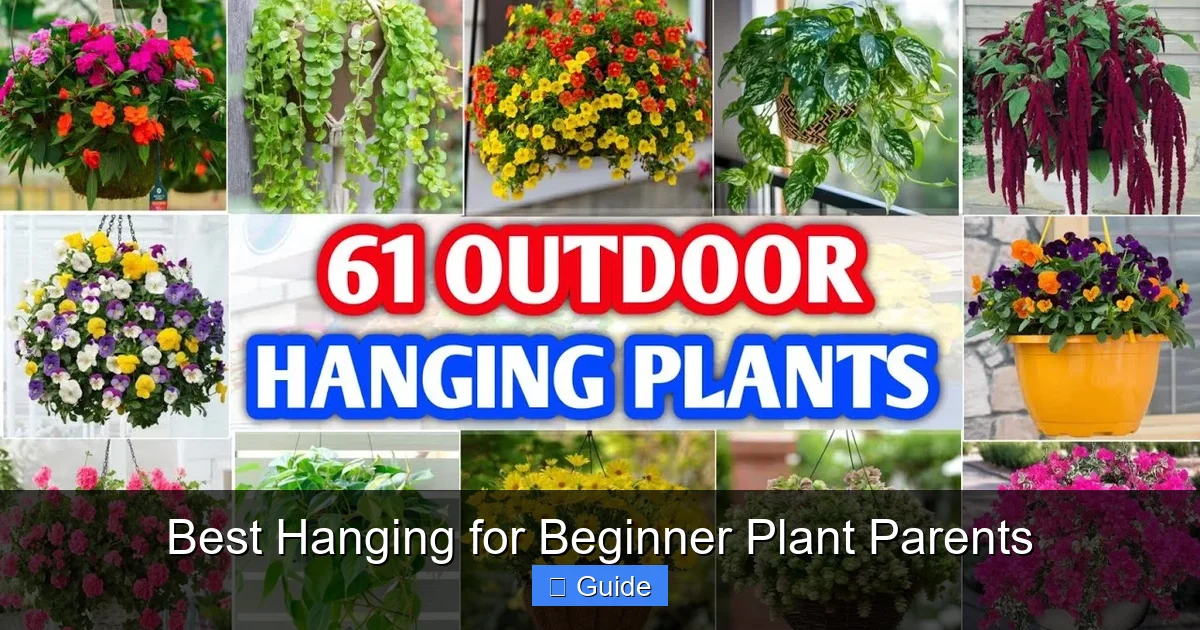
Best Hanging for Beginner Plant Parents
Starting a hanging garden is simple when you choose the right planter, pick forgiving plants, and follow a basic care routine. This guide walks you through the best hanging for beginner plant parents, from materials to watering schedules, so you can enjoy green decor without stress.
Welcome to the ultimate guide on the best hanging for beginner plant parents. If you have ever stared at a blank wall and imagined a cascade of green, you are in the right place. Hanging plants add life to any room, save floor space, and create a calming vibe that feels like a mini jungle.
Many new plant parents worry about choosing the right planter, picking plants that survive a little neglect, and installing everything safely. The good news is that the process is straightforward when you break it into small steps. This article covers everything from planter materials to watering routines, so you can start your hanging garden with confidence.
We will explore the best hanging for beginner plant parents by looking at planter types, plant selections, installation tips, care schedules, and common problems. Each section includes practical examples you can try today. Let’s dive in and turn those empty walls into living art.
Key Takeaways
- Pick lightweight, breathable planters: Materials like macramé, ceramic with hooks, or metal chains keep roots healthy.
- Choose low‑maintenance plants: Spider plant, pothos, string of pearls, and heartleaf philodendron thrive in hanging baskets.
- Secure mounting is essential: Use sturdy ceiling hooks, wall anchors, or tension rods rated for the planter weight.
- Water on a schedule, not a guess: Check soil moisture weekly; most hanging plants prefer the top inch to dry out.
- Fertilize lightly during growth season: A diluted liquid feed once a month keeps foliage vibrant.
- Prune regularly for shape and airflow: Trim leggy stems to encourage bushier growth and reduce pest risk.
- Troubleshoot early: Yellow leaves, mushy roots, or tiny insects signal watering or light issues that are easy to fix.
Quick Answers to Common Questions
What is the easiest hanging plant for a total beginner?
Pothos is the easiest because it tolerates low light, irregular watering, and grows quickly.
How do I know if my ceiling hook can hold a ceramic pot?
Check the hook’s weight rating; choose one rated for at least double the wet pot weight, typically 20 lb or more.
Can I use a macramé hanger outdoors?
Yes, but bring it inside during heavy rain or freeze; the rope can degrade with constant moisture.
How often should I fertilize hanging plants in winter?
Skip fertilizing in winter; resume at half strength monthly when growth restarts in spring.
What is the best way to water a high hanging basket?
Use a long‑spout watering can or a pulley system to lower the basket for thorough watering.
📑 Table of Contents
Choosing the Right Hanging Planters
Materials Matter
The first decision in the best hanging for beginner plant parents journey is the planter material. Macramé rope hangers are popular because they are lightweight, breathable, and add a boho touch. Ceramic wall pots with built‑in hooks look elegant and provide good insulation for roots. Metal chain baskets are sturdy and modern, but they can heat up in direct sun, so line them with a coconut coir liner. Plastic self‑watering planters are a budget‑friendly option that reduces watering frequency. Each material has pros and cons, so match the style to your space and the plant’s needs.
Size and Weight Considerations
Size matters more than you might think. A small 4‑inch pot works for a single spider plant, while a 10‑inch basket can hold a trailing pothos with room to grow. Always check the weight rating of your ceiling hook or wall anchor. A fully watered ceramic pot can weigh 5‑7 pounds, so use a hook rated for at least double that weight. Lightweight macramé or plastic planters keep the load low, making them ideal for renters who cannot drill heavy anchors.
Drainage and Airflow
Good drainage prevents root rot, a common issue in hanging setups. Look for planters with multiple drainage holes or a removable saucer. If your chosen pot lacks holes, drill a few yourself or add a layer of pebbles at the bottom. Airflow around the root zone is equally important; breathable materials like macramé or woven baskets naturally promote it. For solid ceramic or metal pots, elevate the pot slightly with a small stand or use a pot with a raised base.
Best Hanging for Beginner Plant Parents – Top Picks
Macramé Rope Hangers
Macramé hangers are a classic choice for the best hanging for beginner plant parents. They come in various lengths, colors, and knot patterns. Because the rope stretches a little, they accommodate plant growth without stressing the stems. Pair a macramé hanger with a lightweight plastic nursery pot for a quick setup. They are also easy to move; just unhook and re‑hang in a new spot.
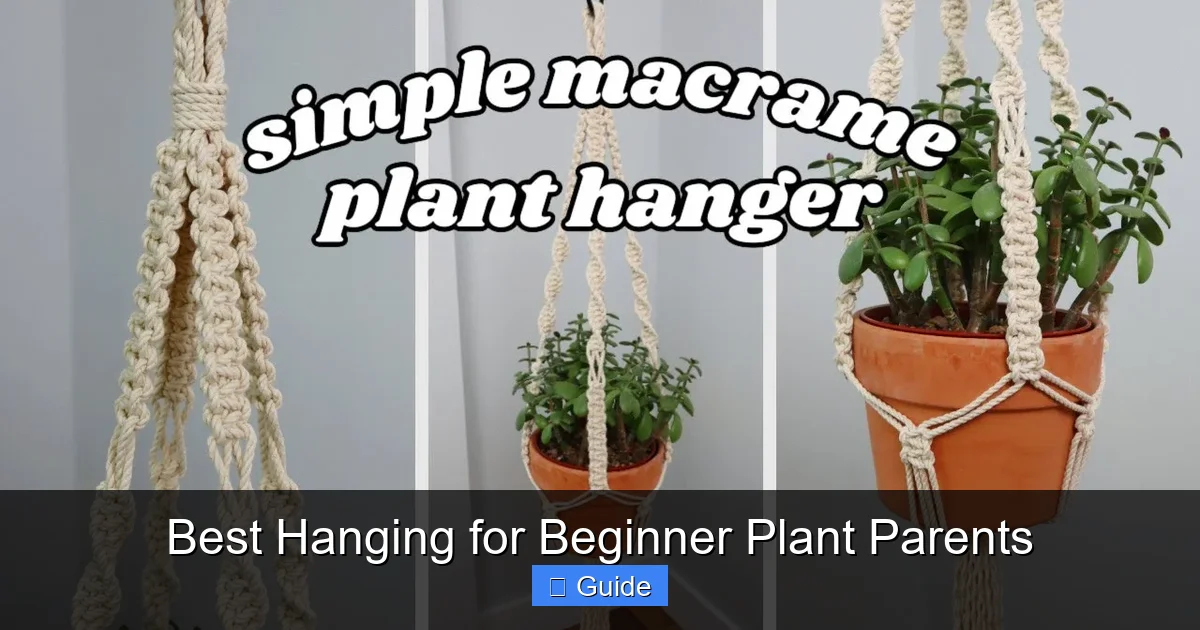
Visual guide about Best Hanging for Beginner Plant Parents
Image source: i.ytimg.com
Ceramic Wall Pots with Hooks
Ceramic wall pots bring a polished look and retain moisture longer than porous materials. Many models include a built‑in hook that screws into a wall stud. Choose a glazed interior to protect the ceramic from water stains. These pots work well for plants that prefer consistent moisture, such as heartleaf philodendron. Remember to use a sturdy anchor because ceramic adds weight.
Metal Chain Baskets
Metal chain baskets give an industrial vibe and are extremely durable. The open weave allows excellent airflow, which helps prevent fungal issues. Line the basket with a coconut coir or sphagnum moss liner to hold soil. This combo is perfect for trailing plants like string of pearls that need good drainage. Ensure the chain links are rust‑resistant if you hang them in a humid bathroom.
Self‑Watering Hanging Planters
Self‑watering planters have a reservoir at the bottom that feeds the soil through a wick. They are a lifesaver for busy beginners who may forget a watering day. Most models are made of lightweight plastic and include a clear water‑level indicator. They work well for pothos and spider plants that tolerate a steady moisture supply. Refill the reservoir every 1‑2 weeks depending on light and temperature.
Easy‑Care Plants That Thrive in Hanging Baskets
Spider Plant
Spider plant (Chlorophytum comosum) is a top pick for the best hanging for beginner plant parents. It produces arching leaves and baby “spiderettes” that dangle beautifully. It tolerates low to bright indirect light and only needs water when the top inch of soil feels dry. Spider plants also purify air, adding a health bonus to your decor.
Pothos
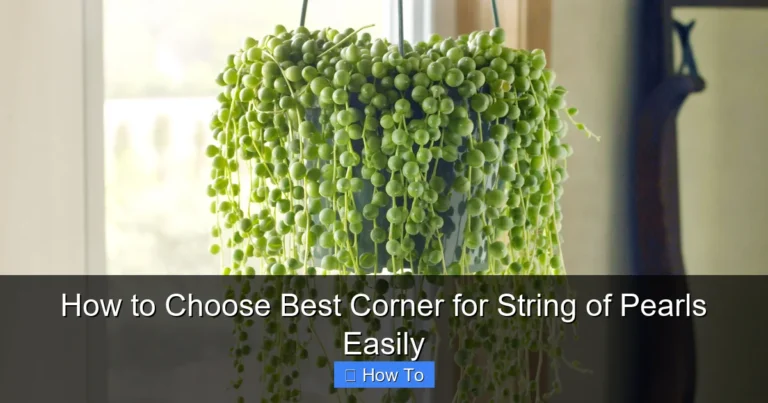
Pothos (Epipremnum aureum) is nearly indestructible. Its heart‑shaped leaves come in green, golden, or variegated forms. It grows fast in moderate light and can survive weeks without water. Trim the vines regularly to keep the plant bushy and prevent it from becoming too heavy for the hanger.
String of Pearls
String of pearls (Senecio rowleyanus) offers a unique bead‑like appearance. It prefers bright indirect light and a well‑draining mix. Water sparingly; the pearls store moisture. This succulent‑type plant is perfect for a metal chain basket with a coir liner that mimics its natural rocky habitat.
Heartleaf Philodendron
Heartleaf philodendron (Philodendron hederaceum) features glossy, heart‑shaped leaves that trail gracefully. It thrives in low to medium light and likes consistent moisture. A ceramic wall pot with a hook keeps the soil evenly moist, making this plant a reliable choice for the best hanging for beginner plant parents.
Hanging Installation Tips for New Plant Parents
Finding the Right Spot
Light is the biggest factor. Most hanging plants prefer bright indirect light near a window but not in direct sun that can scorch leaves. South‑facing windows work well for succulents like string of pearls, while north‑facing spots suit spider plants and pothos. Rotate the planter every few weeks for even growth.
Secure Mounting Hardware
Use a stud finder to locate ceiling joists or wall studs. Install a heavy‑duty ceiling hook rated for at least 20 pounds for ceramic pots. For lighter macramé or plastic planters, a simple toggle bolt or adhesive hook rated for 10 pounds may suffice. Always test the hook by gently pulling before hanging the full weight.
Adjustable Height Solutions
Adjustable pulley systems or extendable chains let you raise or lower the planter for watering and cleaning. This is especially helpful for high ceilings. A simple rope with a sliding knot can also work for macramé hangers. Keep the plant at eye level for easy inspection.
Watering and Maintenance Routines
How Often to Water
Check the soil moisture by inserting your finger up to the first knuckle. If it feels dry, water thoroughly until excess drains out. Most hanging plants need water once a week in summer and every 10‑14 days in winter. Self‑watering planters extend this interval. Avoid letting water sit in the saucer; empty it after each watering.
Fertilizing Lightly
During the growing season (spring to early fall), feed with a balanced liquid fertilizer diluted to half strength once a month. Skip fertilizing in winter when growth slows. Over‑fertilizing can cause salt buildup, leading to leaf tip burn.
Pruning for Shape
Trim leggy stems just above a node to encourage branching. Remove yellow or dead leaves promptly. Regular pruning keeps the plant compact, reduces weight on the hanger, and improves airflow, which helps prevent pests.
Troubleshooting Common Hanging Plant Problems
Yellow Leaves
Yellowing often signals overwatering or poor drainage. Let the soil dry out more between waterings and ensure the pot has adequate holes. If the problem persists, repot into a fresher, well‑draining mix.
Root Rot
Root rot appears as mushy, brown roots and a foul smell. Remove the plant, trim away rotten roots, and repot in dry, airy soil. Reduce watering frequency and improve airflow around the root zone.
Pests
Common pests include spider mites, mealybugs, and fungus gnats. Wipe leaves with a damp cloth, spray neem oil weekly, and let the top soil dry to discourage gnats. Early detection makes treatment easy.
Conclusion
Creating a thriving hanging garden is one of the most rewarding projects for new plant parents. By selecting the right planter material, choosing forgiving plants, installing secure hardware, and following a simple watering and feeding schedule, you set yourself up for success. The best hanging for beginner plant parents combines practicality with style, turning any blank wall into a living masterpiece. Start small, observe your plants, and adjust as you learn. Soon you will enjoy a cascade of green that brightens your home and your mood.
Frequently Asked Questions
Which planter material is best for humid bathrooms?
Metal chain baskets with rust‑resistant coating and a coir liner handle humidity well and provide excellent airflow.
Do hanging plants need direct sunlight?
Most prefer bright indirect light; direct sun can scorch leaves, especially for spider plant and pothos.
How do I prevent soil from spilling out of a macramé hanger?
Place a nursery pot inside the macramé sleeve; the pot contains the soil while the rope holds the pot.
Can I mix different plants in one hanging basket?
Yes, if they share similar light and water needs; combine pothos and heartleaf philodendron for a lush look.
What should I do if my hanging plant becomes too heavy?
Prune back excess growth, divide the plant into two pots, or upgrade to a stronger hook and chain.
Is a self‑watering planter worth the extra cost?
For busy beginners, a self‑watering planter reduces watering frequency and helps maintain consistent moisture.