How to Choose Best Galvanized for Gasteria
Choosing the right galvanized planter for your Gasteria ensures healthy growth and prevents root rot. Focus on proper drainage holes, high-quality zinc coating, appropriate sizing, and elevated feet for airflow. A well-selected container enhances both plant vitality and aesthetic appeal.
If you grow Gasteria, you already know these succulents are tough, beautiful, and surprisingly picky about their feet. Their thick, tongue-shaped leaves store water like tiny reservoirs, but their roots? Those hate sitting wet. That’s where the container comes in. Picking the right galvanized planter isn’t just about looks — it’s about survival. A bad pot means root rot. A good one means years of happy, architectural growth.
Galvanized steel has become a favorite for succulent lovers. It’s durable, modern, and develops a lovely patina over time. But not all galvanized pots are created equal. Some rust in a season. Some cook roots in summer sun. Some have zero drainage. This guide walks you through everything you need to know to choose the best galvanized planter for your Gasteria — so your plants thrive, not just survive.
Key Takeaways
- Drainage is critical: Gasteria roots rot easily in standing water, so multiple drainage holes are non-negotiable.
- Choose quality galvanization: Hot-dipped galvanized steel resists rust far longer than electroplated alternatives.
- Size matters: Select a pot only 1-2 inches wider than the root ball to prevent excess soil moisture.
- Elevate your planter: Pot feet or risers improve airflow underneath, reducing bottom rot risk.
- Consider inner liners: A plastic or coconut coir liner protects roots from direct metal contact and temperature swings.
- Match your aesthetic: Galvanized finishes range from shiny silver to matte gray — pick one that suits your decor style.
- Inspect before buying: Check for sharp edges, welding flaws, and coating consistency to ensure durability.
Quick Answers to Common Questions
Can I plant Gasteria directly in a galvanized bucket without drainage holes?
No. Gasteria roots rot quickly in standing water. You must drill multiple ¼-inch drainage holes or use the bucket as a cachepot for a nursery pot with holes.
Is hot-dip galvanized steel safe for succulents long-term?
Yes. High-quality hot-dip galvanization leaches minimal zinc in well-draining succulent soil (pH 6.0–7.0) and lasts 20+ years. Avoid electroplated or damaged coatings.
How do I prevent my galvanized planter from overheating in summer?
Choose light-colored or matte finishes, elevate the pot for airflow, add foam insulation inside walls, mulch with gravel, and place in morning sun only — not afternoon heat.
What size galvanized pot should I get for a 4-inch Gasteria?
A 5- to 6-inch wide, shallow (4–5 inch deep) pot is ideal. Only 1–2 inches wider than the root ball. Avoid deep pots — they retain too much moisture.
Do I need to seal or paint my galvanized planter?
Not required. The zinc patina protects the steel. If you want to preserve the shiny look, apply clear acrylic sealer yearly. Touch up any rust spots with zinc-rich cold-galvanizing paint.
📑 Table of Contents
- Why Gasteria Needs Special Container Considerations
- Types of Galvanization: What You’re Actually Buying
- Drainage Design: The Make-or-Break Feature
- Sizing Your Planter: Goldilocks Principles for Gasteria
- Protecting Roots: Liners, Insulation, and Microclimate Control
- Aesthetic Choices: Finishes, Shapes, and Styling
- Maintenance and Longevity: Keeping Your Investment Alive
- Common Mistakes to Avoid
- Top Galvanized Planter Recommendations by Use Case
- Conclusion
Why Gasteria Needs Special Container Considerations
Understanding Gasteria Root Biology
Gasteria roots are shallow, fibrous, and highly sensitive to moisture. Unlike deep-rooted plants, they spread horizontally just below the soil surface. In nature, they grow in rocky crevices with excellent drainage and constant airflow. When we pot them, we must mimic those conditions. A container that holds water — even for a day — invites fungal pathogens like Pythium and Phytophthora. These cause root rot fast. Once rot starts, it’s often fatal.
The Metal Factor: Heat and Conductivity
Metal conducts heat. A galvanized pot in full sun can reach root-damaging temperatures in hours. Gasteria prefers bright, indirect light — not a solar oven. Darker finishes absorb more heat. Thicker steel holds heat longer. This doesn’t mean avoid metal. It means choose wisely: lighter colors, thicker walls with air gaps, or placement in morning sun only. Your pot should protect roots, not roast them.
Chemical Safety: Zinc and Plant Health
Galvanization coats steel with zinc. Over time, tiny amounts can leach into soil, especially in acidic conditions. Gasteria prefers slightly acidic to neutral pH (6.0–7.0). In well-draining succulent mix, leaching is minimal. But cheap galvanization — thin, uneven, or electroplated — degrades faster. High-quality hot-dipped galvanization lasts decades. If you’re growing edible plants nearby, avoid direct soil contact. For ornamental Gasteria? Quality galvanized steel is perfectly safe.
Types of Galvanization: What You’re Actually Buying
Hot-Dipped Galvanizing: The Gold Standard
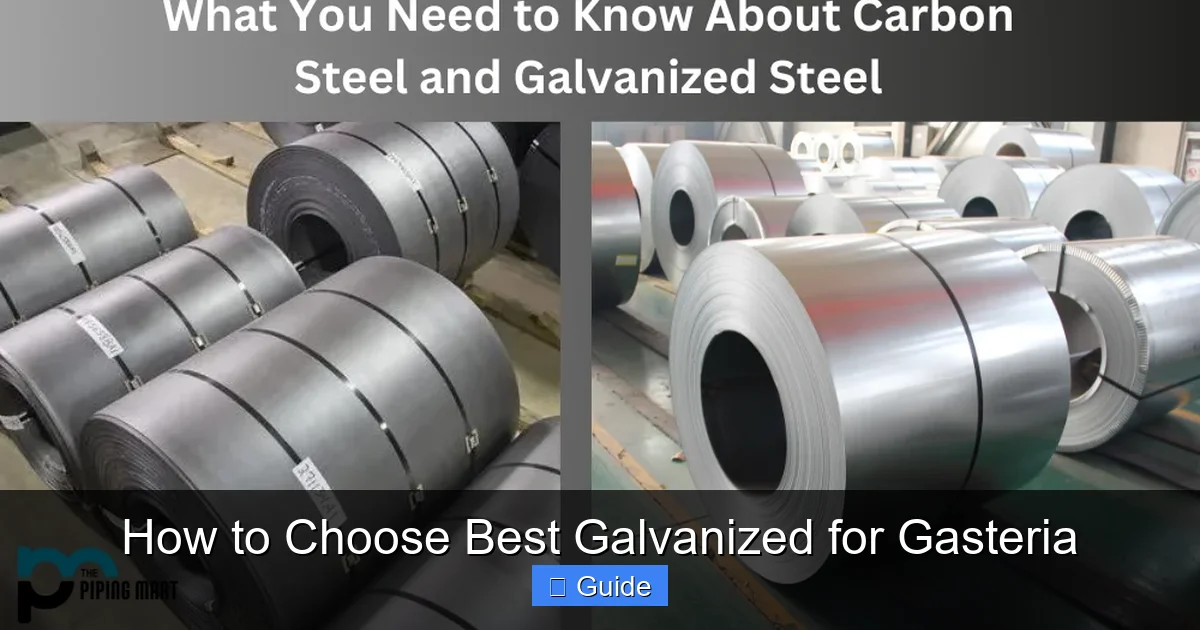
This process immerses clean steel in molten zinc at 840°F (450°C). The result? A thick, metallurgically bonded coating — typically 3.0 to 8.0 mils (75–200 microns). It’s tough, uniform, and self-healing: if scratched, surrounding zinc corrodes preferentially to protect the steel. Hot-dipped pots last 20–50 years outdoors. They cost more upfront but save money long-term. Look for labels like “hot-dip galvanized” or “ASTM A123 compliant.”
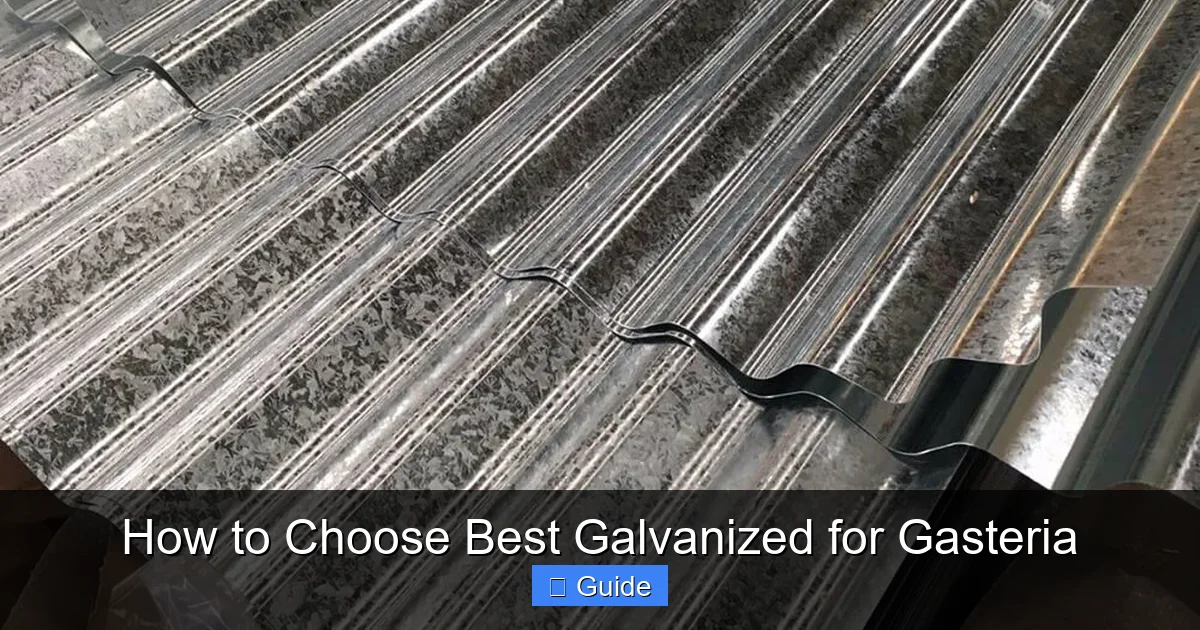
Visual guide about How to Choose Best Galvanized for Gasteria
Image source: s1.witopsteel.com
Electroplated (Electro-Galvanized): Thinner, Cheaper, Shorter Life
Electroplating uses electric current to deposit a thin zinc layer — usually 0.2 to 0.5 mils (5–12 microns). It looks shiny and smooth but offers minimal corrosion resistance. Scratches expose bare steel instantly. In damp soil, these pots rust in 1–3 years. They’re fine for indoor-only use with liners. Avoid for outdoor Gasteria. If the price seems too good, it’s probably electroplated.
Pre-Galvanized Steel: Coated Before Fabrication
Sheet steel is galvanized at the mill, then cut and welded into pots. The coating is consistent on flat surfaces — but cut edges and welds are bare steel. Those spots rust first. Manufacturers often paint or seal them, but seals fail. If you see a seamless, one-piece design, it’s likely pre-galvanized. Still better than electroplated, but not as durable as post-fabrication hot-dip.
How to Spot the Difference When Shopping
Check the product description. “Hot-dip galvanized” is a selling point — they’ll say it. “Galvanized finish” without details? Assume electroplated. Feel the surface: hot-dip has a slightly spangled, crystalline texture (zinc crystals). Electroplated feels smooth, almost plastic-like. Check edges: hot-dip coats everything, even inside welds. Pre-galvanized shows bare metal at cuts. Ask the seller. Reputable brands disclose the method.
Drainage Design: The Make-or-Break Feature
Why One Hole Isn’t Enough
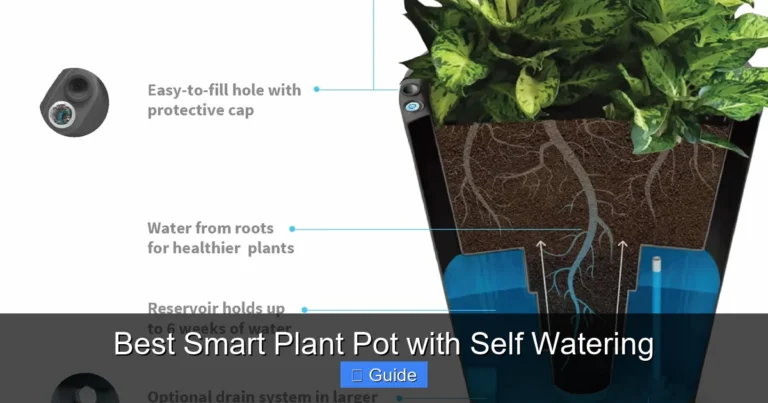
A single center hole clogs easily — soil, roots, mineral buildup. Gasteria needs multiple exit paths. Aim for at least four ¼-inch holes, evenly spaced. Better yet: a raised bottom with a grid of holes or a slotted base. This prevents water pooling at the center. If your favorite pot has one hole, drill more. Use a cobalt bit. Go slow. Wear safety glasses. It’s worth it.
Raised Bottoms and False Bottoms
Some galvanized planters have a built-in raised floor — a second metal layer ½ to 1 inch above the base, perforated with holes. This creates an air gap. Excess water drains into the void, away from roots. Air circulates underneath. This design dramatically reduces rot risk. If your pot lacks this, create a false bottom: add 1 inch of pumice, lava rock, or clay pebbles, then lay landscape fabric before soil. Works like a charm.
Pot Feet: Non-Negotiable for Outdoor Use
Never set a galvanized pot directly on soil, concrete, or wood. Trapped moisture underneath causes bottom rust and root suffocation. Use pot feet — ceramic, stone, rubber, or the planter’s own built-in nubs. Minimum ½ inch clearance. For heavy pots, use three or four adjustable feet to level on uneven ground. This simple step adds years to both pot and plant.
Testing Drainage Before Planting
Fill the empty pot with water. Watch how fast it drains. Should empty in under 30 seconds. If it pools, holes are too small or too few. Drill more. Then add your soil mix and test again. Water should flow through freely, not run down the sides (that means hydrophobic soil — fix with a wetting agent). Good drainage isn’t a guess. Test it.
Sizing Your Planter: Goldilocks Principles for Gasteria
The 1- to 2-Inch Rule
Gasteria likes tight quarters. Choose a pot 1–2 inches wider than the current root ball. Too large = excess soil = water retention = rot. Too small = root-bound = stunted growth. Measure the root mass, not the foliage. A 4-inch Gasteria in a 6-inch pot is perfect. In an 8-inch? Risky. When in doubt, go smaller. You can always repot in a year.
Depth Matters More Than Width
Gasteria roots grow shallow but wide. A wide, shallow bowl (4–5 inches deep) often beats a deep, narrow pot. Shallow depth means faster drying. Wide surface allows root spread. Look for “azalea pots” or “bulb pans” — low-profile shapes. If using a standard pot, fill the bottom third with drainage material to effectively reduce soil depth.
Grouping vs. Solo Planting
Gasteria looks stunning in clusters. But each plant needs its own root zone. In a shared galvanized trough, use dividers (plastic, slate, or mesh) or plant in individual nursery pots sunk into the trough. This lets you remove one for care without disturbing others. Shared soil = shared problems. Keep them separated underground, united above.
Weight and Mobility Considerations
Galvanized steel is lighter than ceramic or concrete — but a 16-inch trough wet with soil weighs 40+ pounds. Plan for movement. Built-in handles? Great. Otherwise, place on a plant caddy with locking casters before filling. You’ll thank yourself when rotating for even light or moving indoors for winter.
Protecting Roots: Liners, Insulation, and Microclimate Control
Why Use a Liner?
Direct root-to-metal contact risks three things: heat transfer, zinc exposure, and physical abrasion. A liner solves all three. Options: plastic nursery pots (cheap, effective), coconut coir liners (breathable, natural look), landscape fabric (custom-fit, reusable), or rigid plastic inserts (long-lasting). Cut drainage holes in the liner to match the pot. Simple. Essential.
Thermal Buffering for Extreme Climates
In zone 9b+, summer sun turns metal pots into griddles. In zone 5-, winter freezes turn them into ice blocks. Both kill roots. Insulate. Line the interior walls with ½-inch foam board (XPS or polyiso), cut to height. Or double-pot: place the galvanized planter inside a larger wooden or ceramic cachepot with an air gap. Mulch the soil surface with gravel or pumice — reflects heat, reduces evaporation.
Preventing Condensation Buildup
Metal sweats. Warm days, cool nights = condensation inside the pot walls. This drips into soil, keeping it wet. A liner creates a vapor barrier. Also, ensure the pot isn’t sealed at the top rim — some decorative pots have rolled rims that trap moisture. If yours does, drill tiny weep holes at the top inner edge. Let it breathe.
Soil Mix: The Partner to Your Pot
Even the best galvanized pot fails with bad soil. Gasteria needs: 50% inorganic (pumice, perlite, coarse sand, chicken grit), 30% organic (coconut coir, composted pine bark), 20% mineral (worm castings, crushed oyster shell for calcium). No peat-heavy mixes. No garden soil. The mix must drain in seconds, not minutes. Your pot and soil work as a system. Optimize both.
Aesthetic Choices: Finishes, Shapes, and Styling
Finish Types and Aging Behavior
New hot-dip galvanized steel is bright, spangled silver. Over months, it dulls to matte gray — the protective zinc patina. Some prefer the shiny look; others love the weathered vibe. You can accelerate aging with vinegar spray (diluted 1:4) for instant patina. Or seal with clear acrylic (reapply yearly) to preserve shine. Powder-coated galvanized comes in colors — black, white, sage — but chips expose steel. Touch up fast.
Shape Language: Modern, Rustic, Industrial
Rectangular troughs = modern, architectural. Round buckets = rustic, farmhouse. Oval washtubs = vintage industrial. Square cubes = minimalist. Match your pot shape to your design style. Gasteria’s geometric leaves complement all of them. Group three troughs of varying lengths for a living sculpture. One statement washtub as a focal point. Let the pot be part of the art.
Surface Details: Handles, Rivets, Branding
Functional details add character. Wire handles on buckets. Riveted corners on troughs. Embossed logos (classic “Galvanized” stamps). These aren’t just decoration — they signal quality construction. Welded seams should be smooth, not globby. Folded edges (hemmed) are stronger and safer than raw cuts. Run your finger along the rim. Smooth? Good. Sharp? Sand it or skip it.
Coordinating with Other Containers
Galvanized plays well with others. Pair with terracotta (warm contrast), glazed ceramic (color pop), concrete (texture harmony), or wood (organic warmth). Keep a consistent finish theme: all matte, all shiny, all weathered. Mix shapes, not sheens. A galvanized trough, two terracotta bowls, and a concrete cube — unified by gravel mulch and repeated plant forms — looks curated, not cluttered.
Maintenance and Longevity: Keeping Your Investment Alive
Seasonal Care Routine
Spring: Inspect for rust spots. Sand lightly, apply cold-galvanizing compound (zinc-rich paint) to any bare steel. Check drainage holes — clear debris. Refresh top inch of soil. Summer: Monitor soil temp. If pot feels hot, move to shadier spot or add shade cloth. Water early morning only. Fall: Reduce watering. Remove dead leaves. Elevate pots before freeze-thaw cycles. Winter: In zones below 7b, move indoors or to unheated garage. Keep dry. No fertilizer.
Cleaning Without Damaging the Coating
White mineral deposits (efflorescence) appear on the exterior. Don’t scrub with wire brushes — they strip zinc. Use a soft brush and 1:10 vinegar-water. Rinse well. For algae inside, empty pot, spray with 3% hydrogen peroxide, let sit 10 minutes, rinse. Never use bleach — it accelerates zinc corrosion. Gentle care preserves the galvanization.
Repotting Timeline for Gasteria
Gasteria grows slow. Repot every 2–3 years, or when roots circle the liner bottom. Spring is best. Gently remove. Shake off old mix. Trim dead roots (brown, mushy). Replant in fresh mix. Same pot or one size up. This refresh prevents salt buildup and renews aeration. Your galvanized pot will outlast dozens of repots.
When to Retire a Galvanized Planter
If rust covers >20% of interior surface, or holes enlarge from corrosion, or structural integrity fails (buckling, seam separation) — retire it. Don’t risk tetanus from sharp edges. Recycle the steel. Replace with a new hot-dip pot. A $40 planter protecting a $15 Gasteria? Good math. A rusted pot killing a prized cultivar? Bad math.
Common Mistakes to Avoid
Buying Decorative Buckets Without Drainage
Those cute galvanized pails at craft stores? No holes. They’re for cut flowers, not living plants. Drilling ¼-inch holes in thin electroplated steel often cracks the coating. Skip them. Buy from nursery or farm supply — they sell real planters.
Using Saucers Outdoors
Saucers trap water. Gasteria roots wick it up = rot. If you must protect a surface, use pot feet with a large drip tray under the feet — not touching the pot. Empty tray after rain. Better: place on gravel bed or pavers.
Overwatering Because “The Pot Is Big”
Large pot ≠ more water. It means slower drying. Water only when soil is bone-dry 2 inches down. Use a chopstick or moisture meter. Err on the side of dry. Gasteria survives drought. It doesn’t survive swamp.
Ignoring Microclimates on Your Property
South-facing concrete patio = heat sink. North-facing deck = cool, damp. Same pot, different outcome. Test with a thermometer. Move pots seasonally. Your Gasteria will tell you — plump leaves = happy. Wrinkled = thirsty. Mushy = dead.
Top Galvanized Planter Recommendations by Use Case
Best for Single Specimens: 6-Inch Round Azalea Pot
Shallow, wide, hot-dipped, four drainage holes, built-in feet. Fits one mature Gasteria perfectly. Ages beautifully. Look for brands like Bloem, HC Companies, or local farm co-op house brands.
Best for Group Display: 24-Inch Rectangular Trough
Holds 3–5 plants in individual liners. Seamless construction. Riveted ends. Powder-coated option in matte black or sage. Drill extra holes if needed. Elevated on rubber feet. Statement piece.
Best for Cold Climates: Double-Wall Insulated Planter
Air gap between inner and outer steel walls. Redases temperature swings 15–20°F. Pricey but worth it in zones 4–6. Brands: Crescent Garden, Lechuza (metal line).
Best Budget Option: Galvanized Stock Tank (Small)
10-gallon oval tank = $35 at farm store. Drill 12 holes. Add feet. Line with landscape fabric. Holds 6+ Gasteria. Industrial chic. Lasts 15+ years. Ugly to some — beautiful to others.
Best for Indoor Only: Electroplated Decorative Cachepot
Shiny, smooth, no holes. Use as outer sleeve for a plastic nursery pot. Never plant directly. Wipe condensation weekly. Pretty, cheap, temporary.
Conclusion
Choosing the best galvanized planter for your Gasteria isn’t rocket science — but it is plant science. Prioritize drainage. Demand hot-dip galvanization. Size for the roots, not the leaves. Elevate. Line. Insulate if needed. Match your style. Maintain yearly. Do this, and your galvanized pot becomes a decades-long partner in growing architectural, resilient, stunning Gasteria.
Your plants don’t care about trends. They care about air at their roots, stable temperatures, and a dry bed. A well-chosen galvanized planter delivers all three — with industrial good looks to boot. So next time you’re eyeing that shiny trough at the nursery, you’ll know exactly what to check, what to ask, and what to walk away from. Your Gasteria will thank you with new offsets, deeper color, and that quiet satisfaction only a happy succulent can give.
Now go pick a pot. Drill some holes. Plant something beautiful.
Frequently Asked Questions
How long does a hot-dip galvanized planter last outdoors?
A quality hot-dip galvanized planter lasts 20 to 50 years outdoors depending on climate, soil acidity, and maintenance. The zinc coating corrodes slowly, protecting the steel underneath. Regular inspection and touch-up of any scratches extends life significantly.
Can I use a galvanized stock tank as a Gasteria planter?
Yes, stock tanks make excellent planters if you drill 10–15 drainage holes in the bottom, elevate on feet or blocks, and line with landscape fabric. They’re affordable, durable, and hold multiple plants. Choose oval or round 10–20 gallon sizes for best proportions.
Why are my Gasteria leaves turning mushy in a galvanized pot?
Mushy leaves indicate root rot from excess moisture. Check: Are drainage holes clear? Is the pot elevated? Is soil well-draining (50% inorganic)? Are you watering only when soil is dry 2 inches down? Fix drainage first, then repot in fresh mix.
Should I put gravel at the bottom of my galvanized planter for drainage?
No. Gravel at the bottom creates a perched water table — water sits above the gravel, closer to roots. Instead, use a uniform well-draining soil mix throughout. For a false bottom, use pumice or lava rock with landscape fabric on top.
Can galvanized planters stay outside in freezing winters?
The steel won’t crack from freezing, but wet soil inside will expand and damage roots. In zones 6 and below, move planted pots to an unheated garage, cover with frost cloth, or insulate with bubble wrap. Keep soil dry during dormancy.
What’s the difference between galvanized and powder-coated steel planters?
Galvanized steel has a zinc coating bonded to the steel for rust protection. Powder-coated planters have painted color over steel (sometimes over galvanization). Powder coat chips easily; exposed steel rusts fast. Galvanized is more durable for planting. Powder-coated works only as a cachepot.