Essential Slow-release for Spider Plant Health
Slow-release fertilizer is the secret to vibrant, low-maintenance spider plants. This guide covers everything you need to know about selecting the right formula, proper application timing, and avoiding common mistakes. Your spider plants will reward you with lush growth and abundant babies.
Key Takeaways
- Slow-release fertilizer provides steady nutrition: Unlike liquid feeds, these granules break down gradually over months, preventing nutrient spikes and root burn.
- NPK ratio matters for spider plants: Look for balanced formulas like 10-10-10 or 14-14-14, or slightly higher nitrogen for foliage growth.
- Apply during active growing season: Spring through early fall is ideal. Reduce or stop feeding in winter when growth naturally slows.
- Less is more with slow-release products: Over-application causes salt buildup. Follow package rates and err on the side of caution.
- Water thoroughly after application: This activates the coating and helps distribute nutrients evenly through the soil profile.
- Monitor for signs of over or under-feeding: Yellow tips suggest excess; pale leaves indicate deficiency. Adjust accordingly.
- Combine with good cultural practices: Proper light, watering, and repotting amplify fertilizer benefits for optimal spider plant health.
Quick Answers to Common Questions
How often should I apply slow-release fertilizer to spider plants?
Apply once in early spring. A 6-month formula lasts through the growing season. Do not reapply in fall or winter.
Can I use slow-release fertilizer on newly propagated spider plant babies?
Wait 4-6 weeks until babies develop strong roots. Then use half the recommended rate for the first feeding.
What NPK ratio is best for spider plants?
Balanced ratios like 10-10-10 or 14-14-14 work well. Slightly higher nitrogen (18-6-12) promotes lush foliage growth.
Why are my spider plant leaf tips turning brown after fertilizing?
Brown crispy tips with yellow halos indicate fertilizer burn. Flush the soil thoroughly with water 3 times and pause feeding for 2-3 months.
Should I fertilize spider plants in winter?
No. Spider plants enter near-dormancy in winter. Fertilizing then causes weak growth and salt buildup. Resume in spring.
📑 Table of Contents
- Why Spider Plants Love Slow-Release Nutrition
- Understanding Slow-Release Fertilizer Basics
- Choosing the Right Product for Your Spider Plants
- Application Techniques for Maximum Benefit
- Troubleshooting Common Issues
- Seasonal Care Calendar
- Advanced Tips for Spectacular Results
- Common Myths Debunked
- Creating a Feeding Routine That Sticks
- Conclusion
Why Spider Plants Love Slow-Release Nutrition
Spider plants are famous for being tough. They survive neglect. They bounce back from underwatering. They even tolerate low light better than most houseplants. But there is a difference between surviving and thriving. If you want those arching leaves to shine with deep green color, if you want a constant stream of babies dangling from the mother plant, nutrition matters. This is where the essential slow-release for spider plant health comes into play.
Many plant parents reach for liquid fertilizer. It feels satisfying. You mix it. You pour it. You see results fast. But liquid feeds create a feast-or-famine cycle. Nutrients flood the soil all at once. The plant takes what it can. The rest leaches out the bottom or builds up as salts. Then you wait two weeks and do it again. Slow-release fertilizer works differently. Tiny coated granules sit in the soil. Each time you water, a little bit dissolves. The plant gets a steady trickle of nutrition. No spikes. No crashes. Just consistent feeding that matches how spider plants actually grow in nature.
Think about their native habitat. Spider plants come from tropical and southern Africa. They grow on forest floors. Leaf litter decomposes slowly. Rain washes nutrients down gradually. The roots absorb a little bit every day. Slow-release fertilizer mimics this natural process. It is not magic. It is just smart chemistry working with plant biology. When you understand this, you stop fighting your plants and start working with them.
Understanding Slow-Release Fertilizer Basics
How the Coating Technology Works
Most slow-release fertilizers look like tiny colored beads. Each bead contains nutrient salts inside a semi-permeable coating. This coating is usually made from polymer resin or sulfur. Water penetrates the coating slowly. It dissolves the nutrients inside. Then the solution diffuses back out into the surrounding soil. The rate depends on temperature. Warmer soil means faster release. Cooler soil means slower release. This is actually perfect. Plants grow faster in warmth and need more food. They slow down in cool weather and need less. The fertilizer self-regulates.
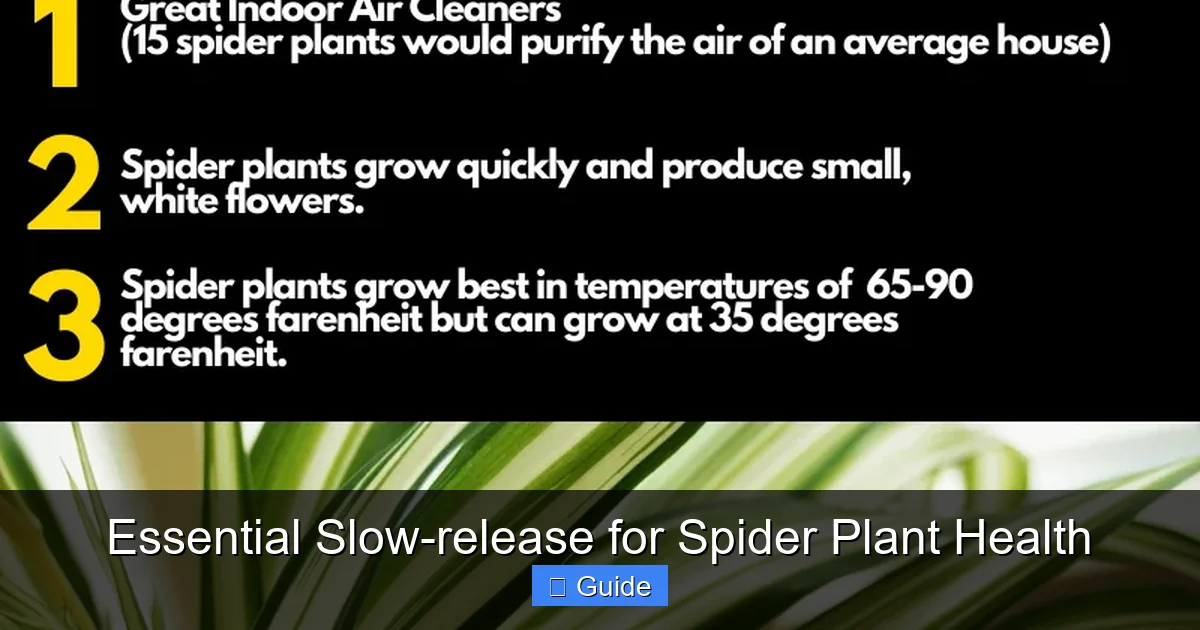
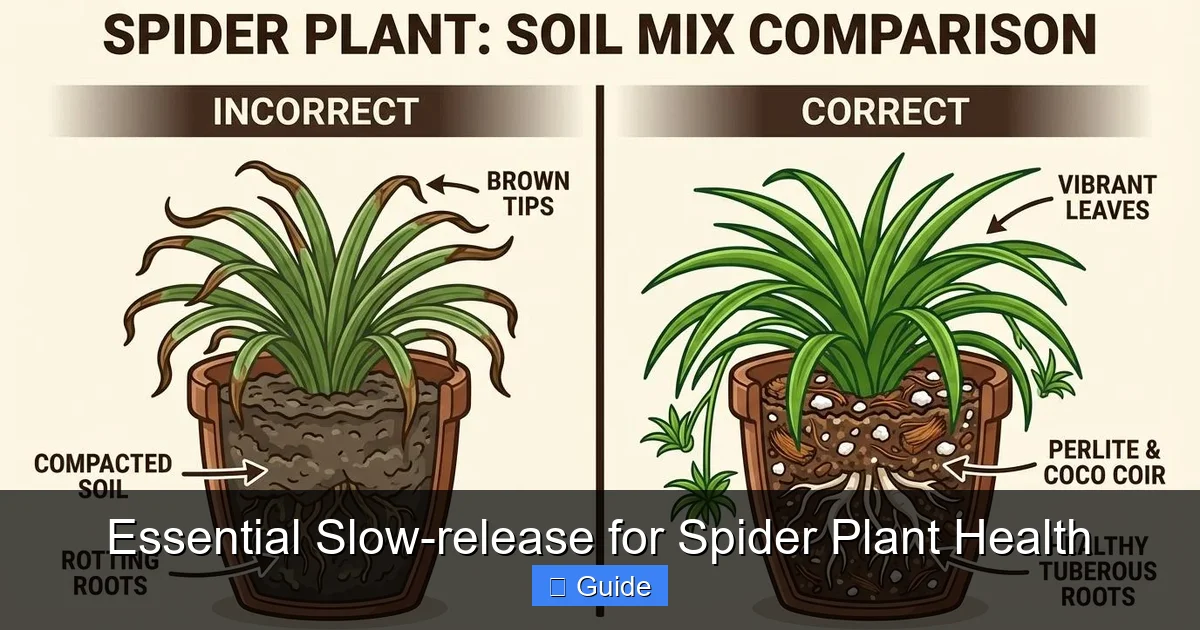
Visual guide about Essential Slow-release for Spider Plant Health
Image source: homenaturalcures.com
Some products use organic coatings instead. These rely on soil microbes to break them down. The microbes become active when conditions are right for plant growth. Again, the timing aligns naturally. You do not need to remember a schedule. The soil biology handles it for you.
Reading the NPK Numbers
Every fertilizer bag shows three numbers. Nitrogen (N), Phosphorus (P), Potassium (K). Spider plants are foliage plants. They make leaves. Lots of leaves. Nitrogen drives leaf growth. Phosphorus supports roots and flowers. Potassium helps overall vigor and stress resistance. For spider plants, you want balanced nutrition with a slight nitrogen edge. A 10-10-10 works fine. A 14-14-14 works fine. Some growers prefer 20-10-10 or 18-6-12 for heavier leaf production. Avoid high-phosphorus bloom boosters. Spider plants do not need flower power. They need leaf power.
Micronutrients matter too. Iron prevents yellowing between leaf veins. Magnesium keeps older leaves green. Calcium strengthens cell walls. Good slow-release formulas include these trace elements. Check the label. The best products list a full micronutrient package.
Duration Labels Explained
You will see terms like “3-month,” “6-month,” or “9-month” on packages. This indicates how long the fertilizer feeds at standard temperatures (usually 70°F or 21°C). In your home, actual duration varies. Warm sunny windowsills shorten it. Cool corners lengthen it. For spider plants, a 4-to-6-month formula applied in spring covers the entire growing season. You apply once. You forget it. You enjoy the results. Simple.
Choosing the Right Product for Your Spider Plants
Synthetic vs. Organic Slow-Release
Synthetic coated fertilizers (like Osmocote, Nutricote, or generic polymer-coated blends) offer precise control. You know exactly what is in each granule. Release rates are predictable. They are clean and odorless. Organic slow-release options (like composted manure pellets, feather meal, or bone meal blends) feed soil microbes first. The microbes then feed the plant. This builds long-term soil health. But release is less predictable. Odors can occur indoors. For houseplants, synthetic coated products usually work better. They are designed for container culture.
Top Product Recommendations
Osmocote Plus Indoor/Outdoor 15-9-12 is a classic choice. The 6-month formula feeds steadily. It includes micronutrients. The beige granules blend into soil. Nutricote Total 18-6-8 Type 180 offers 6-month feeding with a slightly higher nitrogen ratio. Great for foliage plants. For organic fans, Espoma Organic Indoor Plant Food 2-2-2 uses feather meal, bone meal, and kelp. It feeds for about 4 weeks per application, so you reapply more often. But it builds beautiful soil life. Jobe’s Organics All Purpose 4-4-4 spikes are easy. Push them in. Done. They last 2-3 months.
Whatever you choose, buy fresh. Fertilizer degrades in hot warehouses. Check for clumping or faded color. Store leftovers in airtight containers. Moisture ruins the coating.
Special Considerations for Variegated Varieties
Variegated spider plants (like ‘Vittatum’ or ‘Variegatum’) have less chlorophyll. They photosynthesize less efficiently. They grow slower. They need less fertilizer. Use half the recommended rate. Too much nitrogen encourages solid green reversion. The plant pushes out non-variegated leaves to capture more light. If you love the white stripes, feed lightly. The essential slow-release for spider plant health means matching the dose to the variety.
Application Techniques for Maximum Benefit
When to Apply
Timing is everything. Spider plants have a distinct growth cycle. Spring brings new shoots. Summer brings maximum growth and baby production. Fall brings slowing growth. Winter brings near-dormancy. Apply slow-release fertilizer in early spring. March or April in most climates. This feeds the spring flush. A 6-month product carries you through summer into early fall. Stop there. Do not reapply in late fall. The plant does not need it. Excess salts accumulate in dormant soil. Root damage follows.
If you repot in spring, mix the fertilizer into the new potting mix. This is the cleanest method. Granules distribute evenly. Roots find them naturally. If you are not repotting, you can top-dress. Scatter granules on the soil surface. Gently scratch them into the top inch. Water well. The coating activates. Nutrients move down with each watering.
How Much to Use
Follow the label. Seriously. More is not better. For a standard 6-inch pot, most 6-month formulas recommend 1 to 2 teaspoons. For an 8-inch pot, 2 to 3 teaspoons. For a 10-inch hanging basket, 1 tablespoon. These amounts seem tiny. They are. The coating makes them potent. Overdosing causes fertilizer burn. Leaf tips turn brown and crispy. Roots shrivel. The plant declines fast. If you are unsure, use half the label rate. You can always add more later. You cannot take it out.
For variegated varieties, use half rate regardless. For newly propagated babies, wait until they have established roots (4-6 weeks) before any fertilizer. Seedlings need even less.
Watering After Application
Water thoroughly immediately after applying. This does two things. First, it settles the granules into contact with soil. Second, it starts the release process. Water until it drains freely from the bottom. Empty the saucer. Do not let the pot sit in runoff. That water contains concentrated salts. You want them distributed through the soil profile, not wicked back up.
After that, water normally. Let the top inch dry between waterings. Spider plants hate soggy soil. The slow-release granules need moisture to work. But they do not need constant saturation. Your regular watering routine is perfect.
Combining with Liquid Fertilizer
Some growers like a boost during peak summer. You can supplement with half-strength liquid fertilizer once a month in June and July. Use a balanced formula. This is optional. The slow-release alone is usually enough. If you do supplement, reduce the slow-release amount next season. Watch the plant. It tells you what it needs.
Troubleshooting Common Issues
Signs of Over-Fertilization
Brown leaf tips are the classic symptom. But spider plants get brown tips from other things too. Dry air. Fluoride in tap water. Underwatering. Over-fertilization brown tips feel crispy and papery. They often have a yellow halo where green meets brown. The soil may have a white crust on top. That is salt buildup. If you see this, flush the pot. Run water through for several minutes. Let it drain completely. Repeat in an hour. Do this three times. This leaches excess salts. Hold off on fertilizer for 2-3 months. The plant will recover.
Other over-feeding signs: stunted new growth, dark green but brittle leaves, root tips turning brown or black. If you suspect root damage, unpot the plant. Healthy roots are white or cream-colored and firm. Fertilizer-burned roots are brown, mushy, or hollow. Trim damaged roots. Repot in fresh soil. No fertilizer for the rest of the season.
Signs of Under-Fertilization
Pale green or yellowish leaves. Slow growth. Small new leaves. Few or no babies. The plant looks tired. Spider plants are heavy feeders during active growth. If yours looks washed out in June, it is hungry. You can top-dress with a light sprinkle of slow-release. Or give a few doses of half-strength liquid. The plant will green up in 2-3 weeks.
Older leaves yellowing first suggests nitrogen deficiency. Yellowing between veins on newer leaves suggests iron deficiency. This happens in high-pH soil. Spider plants prefer slightly acidic conditions (pH 6.0-6.5). If your water is alkaline, the soil drifts up over time. Repotting annually with fresh mix prevents this.
Salt Buildup Management
Even with perfect dosing, salts accumulate. Tap water contains minerals. Fertilizer adds more. Every 3-4 months, flush the pot. Water heavily. Let it drain. Wait. Repeat. This is especially important for spider plants in hanging baskets. They get watered frequently. Evaporation concentrates salts at the surface. You might see white crust. Scrape off the top quarter-inch of soil. Replace with fresh mix. Then flush.
Using rainwater, distilled water, or filtered water reduces mineral input. Your slow-release fertilizer lasts longer. The plant stays healthier. If you have many plants, a simple RO system or distilled water jugs pay off fast.
Seasonal Care Calendar
Spring: The Wake-Up Call
March arrives. Days lengthen. Your spider plant pushes new growth from the center. This is go-time. If you repot, do it now. Mix slow-release fertilizer into the new soil. If not repotting, top-dress. Water well. Move to brighter light if possible. East or west windows are ideal. South works with sheer curtain. North is too dim for strong growth. Watch for flower stalks. They appear in spring. Tiny white flowers. Then come the babies. This is the show.
Check soil moisture every few days. Spring growth uses water fast. But do not overwater. The essential slow-release for spider plant health works best with consistent moisture, not wet feet.
Summer: Peak Performance
June through August. Your plant is a factory. Leaves expand. Runners extend. Babies form. Roots fill the pot. This is when the slow-release earns its keep. The warm soil activates steady feeding. The plant never waits for nutrients. You just water and admire.
If the plant gets huge, you might need to water daily in heat. That is fine. The fertilizer keeps pace. If you see any yellowing, consider a half-strength liquid boost. But usually unnecessary.
Summer is also propagation season. Snip babies with small roots. Pot them up. Use fresh mix with a pinch of slow-release. They establish fast.
Fall: Winding Down
September brings shorter days. Growth slows. The 6-month fertilizer is nearly spent. Perfect. Do not add more. Let the plant use what remains. Reduce watering frequency. The top inch should dry thoroughly. Move away from cold windows. Check for pests. Spider mites love dry indoor air in fall. Wipe leaves monthly with damp cloth.
If the plant looks crowded, you can still divide it. But do not fertilize the divisions. Wait until spring.
Winter: Rest Period
November through February. The plant rests. Growth is minimal. Water sparingly. Maybe every 2-3 weeks. No fertilizer at all. The essential slow-release for spider plant health means knowing when to stop. Winter feeding forces weak, leggy growth. It attracts pests. It wastes product. Just let the plant be.
Provide bright light. Cool temperatures (60-65°F) are fine. Spider plants tolerate chill better than most tropicals. But avoid freezing drafts.
Advanced Tips for Spectacular Results
Soil Mix Optimization
Slow-release fertilizer works best in quality potting mix. Cheap peat-heavy mixes compact. They repel water. Nutrients channel straight through without contacting roots. Make your own blend: 2 parts high-quality peat or coco coir, 1 part perlite, 1 part compost or worm castings. The compost adds microbial life. The microbes help break down organic coatings. They also cycle nutrients naturally. Your slow-release lasts longer. The soil stays loose. Roots breathe.
Add a handful of horticultural charcoal per gallon of mix. It absorbs excess salts. It sweetens the soil. It prevents anaerobic pockets. This is a pro trick for long-term container plants.
Pot Size and Fertilizer Relationship
Spider plants like being slightly root-bound. It encourages baby production. But a tight pot holds less soil. Less soil means less fertilizer capacity. If you keep a plant in the same pot for years, you must fertilize more carefully. Top-dress annually in spring. Scrape off the top inch of old soil. Replace with fresh mix plus slow-release. This refreshes the root zone without disturbing the plant.
When you finally repot (every 2-3 years), go up only one pot size. A huge pot stays wet too long. Root rot risks increase. The slow-release fertilizer in all that extra soil can overwhelm the limited roots.
Humidity and Fertilizer Efficiency
High humidity reduces transpiration. The plant pulls less water from soil. Slow-release granules release slower. This is self-regulating. But in very dry homes (winter heating), transpiration spikes. The plant drinks more. Fertilizer releases faster. You might see salt buildup sooner. Flush more often in dry conditions. A humidifier helps everything. The plant grows better. The fertilizer works better. You water less.
Using Slow-Release in Water Culture
Some growers root spider plant babies in water long-term. Can you use slow-release there? Not directly. The granules need soil microbes and moisture gradients. In plain water, they dump nutrients too fast. Algae blooms. Roots burn. Instead, use a very dilute hydroponic fertilizer. Change water weekly. When you eventually pot the plant, then start slow-release.
Common Myths Debunked
Myth: “Spider Plants Don’t Need Fertilizer”
They survive without it. They do not thrive. In nature, they get constant nutrition from decomposing matter. In a pot, the soil volume is tiny. Nutrients deplete in months. A starved spider plant looks pale, grows slow, produces few babies, and succumbs to pests easily. The essential slow-release for spider plant health is not optional for a show plant. It is basic care.
Myth: “Coffee Grounds Are Perfect Fertilizer”
Coffee grounds are organic matter. They improve soil structure. They feed microbes. But they are not a complete fertilizer. They are high in nitrogen but low in phosphorus and potassium. They acidify soil over time. Used occasionally, fine. As sole nutrition, no. Your plant will show deficiencies. Use them as a soil amendment, not a fertilizer substitute.
Myth: “More Fertilizer Means More Babies”
Babies come from maturity and light, not excess food. A well-fed mature plant in bright light makes babies. An over-fed plant makes brown tips and root rot. The energy for baby production comes from photosynthesis. Fertilizer just supports the machinery. Light drives the process. Give your plant 4-6 hours of bright indirect light. Feed moderately. Babies will come.
Myth: “All Slow-Release Fertilizers Are The Same”
Coating technology varies wildly. Cheap brands use thin coatings. They dump nutrients in weeks. Quality brands engineer precise release curves. They cost more per pound but less per month of feeding. They also include better micronutrient packages. For a few dollars difference per year, buy the good stuff. Your plants are worth it.
Creating a Feeding Routine That Sticks
Set It and Forget It System
Mark your calendar. Spring equinox (around March 20) = fertilize. Autumn equinox (around September 22) = stop. Two dates per year. That is it. Put a reminder in your phone. Write it on the pot with a paint pen. When you see the mark, you know. No guessing. No “did I feed this one?”
Keep a small container of fertilizer near your watering can. When the date arrives, you have everything ready. Measure. Apply. Water. Done. Five minutes per plant. The essential slow-release for spider plant health fits into busy lives.
Tracking Plant Response
Take a photo when you fertilize. Take another in 6 weeks. Compare leaf color. Leaf size. Number of runners. Baby count. This builds your intuition. You learn what “happy” looks like for your specific plant in your specific conditions. Next year, you adjust. Maybe a little more. Maybe a little less. You become the expert on your plants.
Teaching Others
Spider plants make perfect gifts. Include a small bag of slow-release fertilizer with the plant. Write the two dates on the pot. Tell the recipient: “Feed on these days. Water when dry. Enjoy the babies.” You spread success. You reduce plant guilt. Everyone wins.
Conclusion
Spider plants give so much. They clean air. They produce endless babies to share. They tolerate our mistakes. They ask for little. But when you give them the essential slow-release for spider plant health, they transform. Leaves deepen to emerald. Arching stems grow longer. Babies cascade like a green waterfall. The plant becomes a living sculpture.
It is not complicated. Choose a quality coated fertilizer. Apply once in spring at the right rate. Water well. Let nature do the rest. The coating technology handles the timing. The plant handles the growing. You handle the enjoying.
Start this spring. Mark your calendar. Buy the fertilizer. Watch what happens. In a few months, you will see the difference. Your spider plant will thank you in its own language: lush growth, abundant babies, and that unmistakable glow of a plant living its best life. That is the power of steady, smart nutrition. That is the essential slow-release for spider plant health.
Frequently Asked Questions
What is the best slow-release fertilizer for spider plants?
Osmocote Plus 15-9-12 (6-month formula) and Nutricote Total 18-6-8 are excellent choices. Both provide balanced nutrition with micronutrients and reliable release rates for container-grown spider plants.
Can I mix slow-release fertilizer into the potting soil when repotting?
Yes, this is the ideal method. Mix the recommended amount evenly throughout the new potting mix before planting. This ensures consistent nutrient distribution and prevents root contact with concentrated granules.
How do I know if my spider plant needs fertilizer?
Pale green leaves, slow growth, small new leaves, and lack of baby production indicate hunger. Healthy spider plants in active growth should be rich green with steady leaf expansion and regular runner formation.
Is organic or synthetic slow-release better for indoor spider plants?
Synthetic coated fertilizers (polymer or sulfur-coated) are better for indoor use. They are odorless, predictable, and designed for container culture. Organic options work but can smell and release less consistently indoors.
Can slow-release fertilizer burn spider plant roots?
Yes, if over-applied. Always follow label rates and err on the side of less. Water thoroughly after application to distribute salts. Flush the pot every 3-4 months to prevent buildup.
Do variegated spider plants need different fertilizer amounts?
Yes, use half the recommended rate for variegated varieties. They grow slower and have less chlorophyll. Excess nitrogen encourages reversion to solid green leaves, losing the variegation.