Slow-release Vs Slow-release for Rubber Plant
Choosing between slow-release and liquid fertilizer for your rubber plant depends on your care routine and plant needs. Slow-release pellets offer convenience with steady nutrition for months, while liquid fertilizers provide immediate control and faster results. This guide breaks down pros, cons, and application techniques to help your Ficus elastica thrive.
Key Takeaways
- Slow-release fertilizers feed your rubber plant steadily for 3-6 months with minimal effort, perfect for busy plant parents.
- Liquid fertilizers give you precise control over nutrient dosage and show faster results, ideal for active growers.
- Rubber plants prefer balanced NPK ratios like 10-10-10 or 20-20-20 during active growing seasons.
- Over-fertilizing causes leaf burn and root damage; always dilute liquids to half strength and follow slow-release package rates.
- Season matters – fertilize monthly in spring and summer, reduce or stop in fall and winter.
- Soil condition affects fertilizer choice – well-draining soil works best with both types to prevent salt buildup.
- Combination approach works well – use slow-release as baseline nutrition supplemented with occasional liquid feeds.
Quick Answers to Common Questions
Can I use both slow-release and liquid fertilizer on my rubber plant at the same time?
Yes, but use half the recommended rate of each. Apply slow-release in spring at half strength, then supplement with liquid fertilizer at quarter strength monthly during peak growth. This prevents over-fertilization while providing steady nutrition with flexibility.
How often should I fertilize my rubber plant in winter?
Stop fertilizing completely from November through February. Rubber plants enter semi-dormancy in low light conditions. Feeding during winter forces weak, leggy growth. Resume in March when days lengthen and new growth appears.
What NPK ratio is best for rubber plants?
Balanced ratios like 10-10-10, 20-20-20, or 3-3-3 work best. Rubber plants are foliage plants that need equal nitrogen, phosphorus, and potassium. Avoid high-phosphorus bloom boosters as rubber plants rarely flower indoors.
Why are my rubber plant leaves turning yellow after fertilizing?
Yellow leaves after fertilizing usually indicate over-fertilization or root burn. Flush the soil thoroughly with plain water for 10 minutes, let drain completely, and withhold fertilizer for 4-6 weeks. Resume at half the previous strength.
Is organic or synthetic fertilizer better for rubber plants?
Both work well. Organic fertilizers (fish emulsion, compost) build long-term soil health and microbial life. Synthetic fertilizers provide precise, immediately available nutrients. Choose based on your preference for soil building vs. precise control.
📑 Table of Contents
Introduction
You just brought home a gorgeous rubber plant. Its thick, glossy leaves make a statement in your living room. Now you want to keep it that way. You stand in the garden center aisle staring at fertilizer options. Slow-release granules. Liquid concentrates. Organic blends. Synthetic formulas. The choices feel overwhelming.
Here is the truth. Your rubber plant does not care about fancy packaging. It cares about consistent, appropriate nutrition. Both slow-release and liquid fertilizers work beautifully when used correctly. The real question is which one fits your lifestyle and your plant’s specific needs. Let us walk through everything you need to know to make the best choice for your Ficus elastica.
Understanding Rubber Plant Nutritional Needs
What Makes Rubber Plants Unique
Rubber plants belong to the fig family. In their native Southeast Asian habitats, they grow into massive trees. As houseplants, they stay manageable but retain their vigorous growth habit. They are moderate feeders. Not heavy like tomatoes. Not light like succulents. They sit comfortably in the middle.
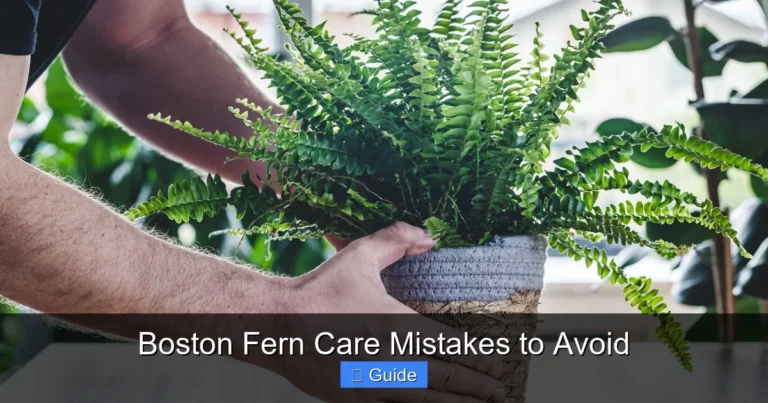
Visual guide about Slow-release Vs Slow-release for Rubber Plant
Image source: sodlawn.com
These plants push out new leaves primarily in spring and summer. Each large leaf requires significant energy and nutrients. Nitrogen drives that lush green color. Phosphorus supports root development. Potassium regulates water movement and disease resistance. A deficiency in any of these shows up quickly on those broad leaves.
Signs Your Rubber Plant Needs Fertilizer
Watch for these telltale signals. New leaves emerge smaller than previous ones. The vibrant deep green fades to pale yellow-green, especially on older leaves. Growth slows dramatically during prime growing season. Leaf drop increases beyond the occasional natural shedding. The plant looks generally lackluster despite proper light and water.
Conversely, over-fertilization creates its own problems. Brown crispy leaf edges. White crust on the soil surface. Stunted, deformed new growth. Root tips turning brown and mushy. These symptoms often mimic underwatering or pests, so check your feeding routine first.
The NPK Ratio Sweet Spot
Most rubber plants thrive with balanced fertilizers. Look for ratios like 10-10-10, 20-20-20, or 3-3-3. The numbers represent nitrogen, phosphorus, and potassium percentages. Balanced means equal parts of each. Some growers prefer slightly higher nitrogen like 10-5-5 during peak leaf production. Avoid high phosphorus bloom boosters. Your rubber plant rarely flowers indoors and does not need extra phosphorus.
Slow-Release Fertilizers Deep Dive
How Slow-Release Technology Works
Slow-release fertilizers use polymer coatings or chemical bonds that break down gradually. Water, temperature, and microbial activity control the release rate. Warmer temperatures speed up nutrient availability. This actually aligns well with plant growth cycles. More heat means more growth means more nutrient demand.
Most consumer products last three to six months. Professional formulations can extend to eight or nine months. The label specifies duration at a standard temperature, usually 70 degrees Fahrenheit. Your indoor conditions may alter this timeline slightly.
Types of Slow-Release Fertilizers
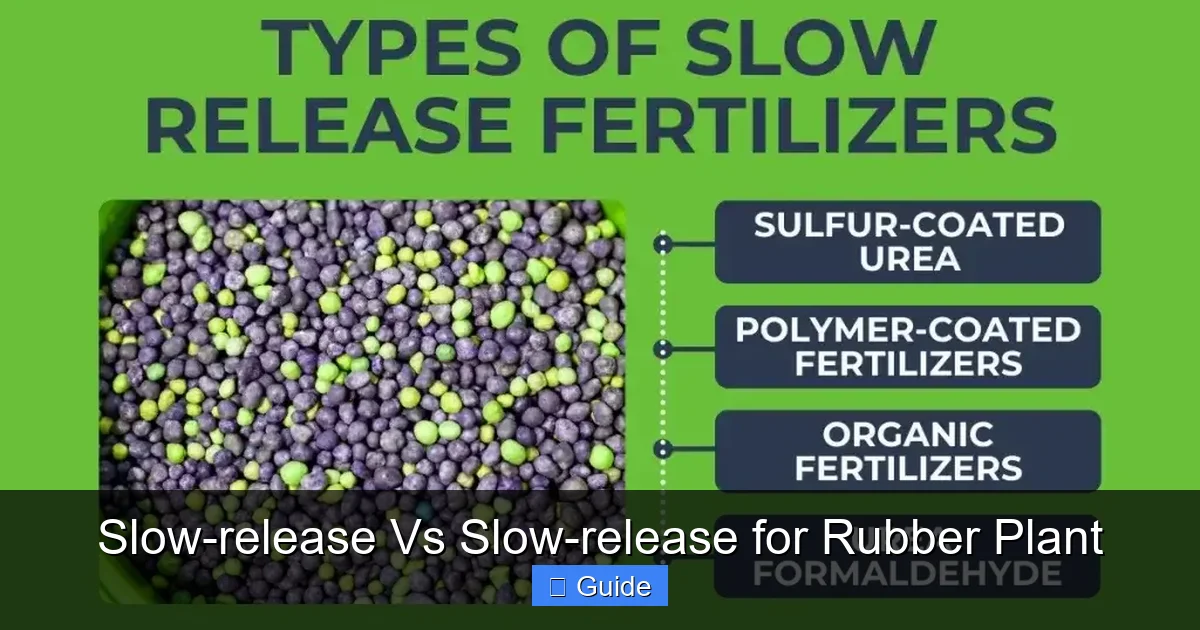
Coated granules dominate the market. Brands like Osmocote use resin coatings. Each prill contains complete nutrition. As water penetrates the coating, nutrients dissolve and diffuse outward. Sulfur-coated urea represents an older, cheaper technology. It releases less predictably. Organic slow-release options include composted manure, bone meal, and feather meal. These rely on soil microbes to break them down.
Advantages for Rubber Plant Care
Convenience tops the list. Apply once in spring. Forget about it until fall. No mixing. No measuring. No weekly reminders. This prevents the feast-or-famine cycle that stresses plants. Nutrient levels stay relatively stable. Root burn risk drops significantly compared to concentrated liquids. Salt buildup occurs more slowly, giving you wider safety margins.
Slow-release works beautifully for rubber plants in large pots. Repotting these heavy plants is a chore. Top-dressing with granules avoids disturbing roots. The steady feed supports the plant’s natural growth rhythm without spikes.
Potential Drawbacks to Consider
You lose precise control. Cannot adjust quickly if the plant shows deficiency or toxicity. Release rate depends on factors you cannot fully control indoors. Temperature fluctuations near vents or windows create uneven feeding. Once applied, you cannot remove excess. If you over-apply, the only fix is repotting or heavy leaching.
Cost per application runs higher than liquid concentrates. The upfront investment feels steep for a single plant. Organic slow-release options may attract fungus gnats if they contain uncomposted materials. Some coated fertilizers leave empty polymer shells in the soil long after nutrients deplete.
Best Practices for Application
Apply slow-release fertilizer at the start of the growing season. March or April works for most climates. Scatter granules evenly on the soil surface. Use the rate recommended for your pot size. A 10-inch pot typically needs 1-2 tablespoons. Lightly scratch into the top inch of soil. Water thoroughly to activate the coating.
Do not concentrate granules near the stem. Distribute them around the drip line where feeder roots concentrate. Mark your calendar for reapplication based on product duration. Set a reminder three months out to assess plant performance. Top-dress again only if growth remains vigorous and the season permits.
Liquid Fertilizers Deep Dive
How Liquid Nutrition Works
Liquid fertilizers deliver nutrients in immediately available form. Dissolved minerals enter the soil solution instantly. Roots absorb them within hours. You see response in days, not weeks. This makes liquids ideal for correcting deficiencies quickly. The trade-off is frequency. Most require application every two to four weeks during active growth.
Concentrates need dilution. Ready-to-use sprays offer convenience at higher cost. Both synthetic and organic liquids exist. Fish emulsion, kelp extract, and compost teas provide organic options. Synthetic blends offer precise NPK ratios and micronutrient packages.
Types of Liquid Fertilizers
Complete balanced formulas like 20-20-20 or 10-10-10 serve as all-purpose feeds. Specialty foliage formulas boost nitrogen slightly. Organic options include fish hydrolysate (less smelly than emulsion), seaweed extracts, and worm casting teas. These add beneficial microbes and hormones beyond basic NPK. Hydroponic nutrients work too but require careful dilution for soil use.
Advantages for Rubber Plant Care
Total control defines liquid feeding. Adjust strength based on plant response. Dilute to half or quarter strength for maintenance. Increase to full strength for push growth. Stop immediately if problems arise. This flexibility suits attentive plant parents who observe their plants weekly.
Liquid fertilizers distribute evenly throughout the root zone with each watering. No hot spots. No untreated zones. You can foliar feed for fastest uptake. Spray diluted solution on leaves early morning. Stomata absorb nutrients directly. This bypasses soil issues entirely.
Cost per application is pennies. A $15 bottle lasts a year for multiple plants. Organic liquids double as soil conditioners. They feed beneficial microbes that improve soil structure over time. This creates a healthier root environment long-term.
Potential Drawbacks to Consider
Discipline required. Missed applications create nutrient gaps. Inconsistent feeding stresses the plant more than steady low levels. Mixing errors happen. Too strong burns roots. Too weak wastes time. Salt buildup accelerates with frequent synthetic liquid use. Monthly flushing becomes necessary.
Organic liquids smell. Fish products linger for hours. Some attract pests. They can cloud the soil surface temporarily. Synthetic liquids offer no soil health benefits. They feed the plant, not the ecosystem. Both types require more frequent attention than slow-release.
Best Practices for Application
Always water your rubber plant first. Never apply fertilizer to dry soil. This prevents root shock and ensures even distribution. Mix at half the label rate for routine feeding. Full strength only for confirmed deficiencies. Apply every two weeks in spring and summer. Monthly in early fall. Stop completely in winter.
Use the drench method. Pour solution slowly until it drains from the bottom. This saturates the entire root ball. Discard excess water from the saucer. For foliar feeding, use quarter strength. Spray tops and bottoms of leaves. Do this monthly as a supplement, not replacement for soil feeding.
Head-to-Head Comparison
Convenience Factor
Slow-release wins hands down for busy people. One application covers months. Liquid demands a schedule. If you travel often or forget routine tasks, slow-release prevents neglect. If you enjoy weekly plant care rituals, liquid feeding becomes part of the pleasure.
Control and Precision
Liquid fertilizer gives you the steering wheel. Slow-release is cruise control. With liquids, you can taper feeding as seasons change. Boost nitrogen when new leaves emerge. Cut back when growth slows. Slow-release keeps releasing regardless of plant signals.
Cost Analysis
Per application, liquids cost less. Per season, the gap narrows. A $12 bottle of liquid concentrate feeds one rubber plant for a year. A $15 jar of slow-release granules lasts one season for the same plant. For multiple plants, liquid concentrate stretches further. For a single specimen, the difference is negligible.
Risk of Over-Fertilization
Slow-release poses lower acute risk. The coating buffers release. Liquid fertilizer burns fast at full strength. However, slow-release creates chronic risk. Excess accumulates silently. By the time you see symptoms, the soil holds months of excess nutrients. Liquid excess flushes out quickly with heavy watering.
Soil Health Impact
Organic liquids build soil life. Synthetic liquids do not. Coated slow-release fertilizers are mostly synthetic. Organic slow-release options like compost or manure improve soil structure. If you prioritize living soil, organic liquids or organic slow-release serve that goal better.
Performance in Different Conditions
In bright, warm conditions with rapid growth, liquid feeding keeps pace with demand. In lower light or cooler temps, slow-release matches reduced uptake better. Large pots benefit from slow-release because liquid distribution becomes uneven in deep soil. Small pots dry fast, making frequent liquid feeding easy to combine with watering.
Seasonal Feeding Strategies
Spring Awakening
March signals the start. Days lengthen. Light intensity increases. Your rubber plant wakes up. New growth points swell. This is fertilizer time. If using slow-release, apply now. If using liquid, begin bi-weekly feeds at half strength. Watch for the first new leaf. That is your confirmation the plant is ready.
Spring also means repotting season. If you repot, incorporate slow-release into the new soil mix. Or wait two weeks after repotting before starting liquid feeds. Fresh potting mix often contains starter charge. Adding more too soon risks burn.
Summer Maintenance
June through August brings peak growth. Your rubber plant may push a new leaf every few weeks. Maintain your chosen regimen. Slow-release applied in spring should still be active. Check label duration. Some three-month formulas need refreshing in June. Liquid feeders continue bi-weekly. Increase to weekly only if growth is explosive and leaves show pale color.
Summer heat accelerates slow-release breakdown. Monitor for salt crust on soil. Flush monthly with plain water. Run water through for several minutes. This prevents toxicity buildup from either fertilizer type.
Fall Transition
September brings change. Growth slows. Light decreases. Reduce liquid feeding to monthly at quarter strength. Stop slow-release applications. Do not top-dress after August. You want nutrients depleted by winter. Excess nitrogen in low light creates weak, leggy growth susceptible to pests.
If you used a six-month slow-release in March, it still releases in fall. That is fine. The plant uses what it needs. The rest remains for spring. Just do not add more.
Winter Rest
November through February. Stop fertilizing entirely. Your rubber plant enters semi-dormancy. It may not push a single leaf. Feeding now forces unnatural growth. Weak stems. Small leaves. Pest magnets. Let the plant rest. Resume in March.
Exception: Grow lights running 12+ hours daily. If you maintain summer conditions artificially, continue summer feeding. But most home growers should pause.
Special Situations and Troubleshooting
Newly Purchased Plants
That gorgeous nursery plant arrives pre-fertilized. Growers load them up for shelf appeal. Do not fertilize for at least two months. Let the plant use existing nutrients. Adjust to your light. Recover from transport stress. Then begin your chosen regimen.
Repotting and Fertilizer Timing
Fresh potting mix changes everything. Most quality mixes contain slow-release starter charge. Read the bag. It feeds for 30-60 days. Adding more fertilizer on top doubles the dose. Wait. Mark your calendar. Begin feeding after the starter charge depletes.
If you mix your own soil with compost, that provides slow-release nutrition. Compost feeds for months. Supplement with liquid only if growth stalls.
Correcting Nutrient Deficiencies
Yellowing older leaves with green veins? Magnesium deficiency. Epsom salts fix this fast. One teaspoon per gallon, applied once. Yellowing new leaves? Iron deficiency. Chelated iron liquid works in days. Slow-release cannot correct deficiencies quickly. Keep a liquid micronutrient supplement on hand for emergencies.
Pale new growth with normal older leaves? Nitrogen deficiency. Liquid high-nitrogen feed shows results in a week. Slow-release takes a month. Choose based on urgency.
Dealing with Fertilizer Burn
Brown crispy edges. White soil crust. Stunted growth. Act fast. Remove visible crust. Flush the pot thoroughly. Run water through for ten minutes. Let drain completely. Repeat in two days. Withhold fertilizer for a month. Resume at half previous strength. Slow-release burn requires repotting to remove granules.
Combining Both Methods
Many experienced growers use a hybrid approach. Slow-release as baseline. Liquid as supplement. Apply half-rate slow-release in spring. Supplement with monthly liquid feeds at quarter strength. This provides steady background nutrition with flexibility to boost during growth spurts.
This works especially well for large specimen plants. The slow-release ensures no gaps. The liquid allows precision during peak demand. Just track total nitrogen input. Do not double up full rates.
Choosing the Right Product
Top Slow-Release Picks
Osmocote Plus Indoor/Outdoor 15-9-12. Six-month release. Includes micronutrients. Reliable coating technology. Widely available. Jobe’s Organics All Purpose 4-4-4. Organic option. Four-month feed. Microbe-rich. Good for soil health. Nutricote 18-6-8. Professional grade. Precise temperature-controlled release. Expensive but consistent.
Top Liquid Picks
Dyna-Gro Foliage Pro 9-3-6. Complete with all micronutrients. Urea-free nitrogen. Low salt index. Professional favorite. Jack’s Classic 20-20-20. Balanced. Affordable. Dissolves completely. Good for beginners. Neptune’s Harvest Fish & Seaweed 2-3-1. Organic. Builds soil life. Smells but works wonders. Espoma Organic Indoor! 2-2-2. Mild. Hard to overdo. Great for maintenance.
Reading Labels Like a Pro
Check the guaranteed analysis. That is the NPK numbers. Look for micronutrients listed. Iron, manganese, zinc, copper, boron, molybdenum. Rubber plants need these in trace amounts. Check the derivation statement. It tells you the nutrient sources. Nitrate nitrogen vs urea nitrogen vs ammonium nitrogen. Nitrate is safest for indoor use. Urea can volatilize as gas in high pH soil.
Note the application rate. Usually per gallon for liquid. Per square foot or per pot size for granular. Follow indoor rates, not outdoor. Indoor plants grow slower. They need less.
Common Myths Debunked
Myth: More Fertilizer Means Faster Growth
False. Plants uptake nutrients at genetically determined rates. Excess sits in soil. Creates toxicity. Burns roots. Attracts pests. Weakens cell walls. Proper nutrition optimizes natural growth rate. It does not accelerate it beyond genetic potential.
Myth: Organic Fertilizers Cannot Burn
False. Fresh manure burns badly. Concentrated fish emulsion burns. Any nutrient source in excess damages roots. Organic means carbon-based, not harmless. Always dilute. Always follow rates.
Myth: Slow-Release Means Zero Maintenance
False. You still monitor. You still water properly. You still flush salts. You still adjust for seasons. Slow-release reduces frequency, not responsibility.
Myth: Liquid Fertilizer Must Be Applied Weekly
False. Labels often suggest weekly at full strength. That is for optimal greenhouse production. Home plants thrive on bi-weekly at half strength. Less work. Better results. Less risk.
Myth: Rubber Plants Need Special Fertilizer
False. They need balanced nutrition. No magic formula. Any complete fertilizer with micronutrients works. Ficus-specific products exist but offer no advantage over quality general-purpose feeds.
Conclusion
Your rubber plant will thrive with either slow-release or liquid fertilizer. The best choice matches your personality. Are you a set-it-and-forget-it gardener? Slow-release granules deliver reliable nutrition with minimal effort. Do you enjoy the weekly ritual of plant care? Liquid feeding gives you connection and control.
Consider a hybrid approach. Half-rate slow-release in spring. Monthly liquid supplements. This captures the best of both worlds. Steady baseline. Flexible boosts. Maximum safety margin.
Remember the fundamentals trump fertilizer type. Bright indirect light. Well-draining soil. Proper watering. Humidity. Fertilizer amplifies good conditions. It cannot fix bad ones. Master the basics. Then choose your feeding style. Your rubber plant will reward you with those magnificent glossy leaves that made you fall in love in the first place.
Start this spring. Pick your method. Mark your calendar. Watch your plant respond. Adjust as needed. That is the whole secret. Happy growing.
Frequently Asked Questions
How do I know if my slow-release fertilizer is still working?
Check the product label for duration (typically 3-6 months at 70°F). If your plant shows vigorous growth and deep green leaves during that period, it’s working. Slow growth or pale leaves after the stated duration means it’s depleted and needs reapplication.
Can I put slow-release fertilizer spikes in my rubber plant pot?
Fertilizer spikes create concentrated nutrient zones that can burn roots. They distribute unevenly in container soil. Granular slow-release scattered on the surface and lightly scratched in provides much more even distribution and safer results.
Should I fertilize my rubber plant after repotting?
Wait 4-6 weeks after repotting before fertilizing. Fresh potting mix usually contains starter fertilizer that feeds for 30-60 days. Adding more too soon causes nutrient overload. Check your potting mix bag for specific duration information.
What’s the best way to flush fertilizer salts from rubber plant soil?
Take the plant to a sink or bathtub. Run lukewarm water through the soil for 5-10 minutes until it drains freely from the bottom. Let it drain completely. Repeat in 48 hours. This removes excess salts from both slow-release and liquid fertilizer buildup.
Can I use orchid fertilizer on my rubber plant?
Orchid fertilizers (typically 20-20-20 or 30-10-10) work fine for rubber plants at half strength. They’re complete fertilizers with micronutrients. Just avoid orchid bloom formulas high in phosphorus. Any balanced, complete fertilizer suits rubber plants.
Why does my rubber plant have brown leaf tips after using liquid fertilizer?
Brown tips usually indicate fertilizer burn from too-strong concentration or applying to dry soil. Always water first, then apply fertilizer at half label strength. Flush the soil monthly to prevent salt accumulation that causes tip burn.