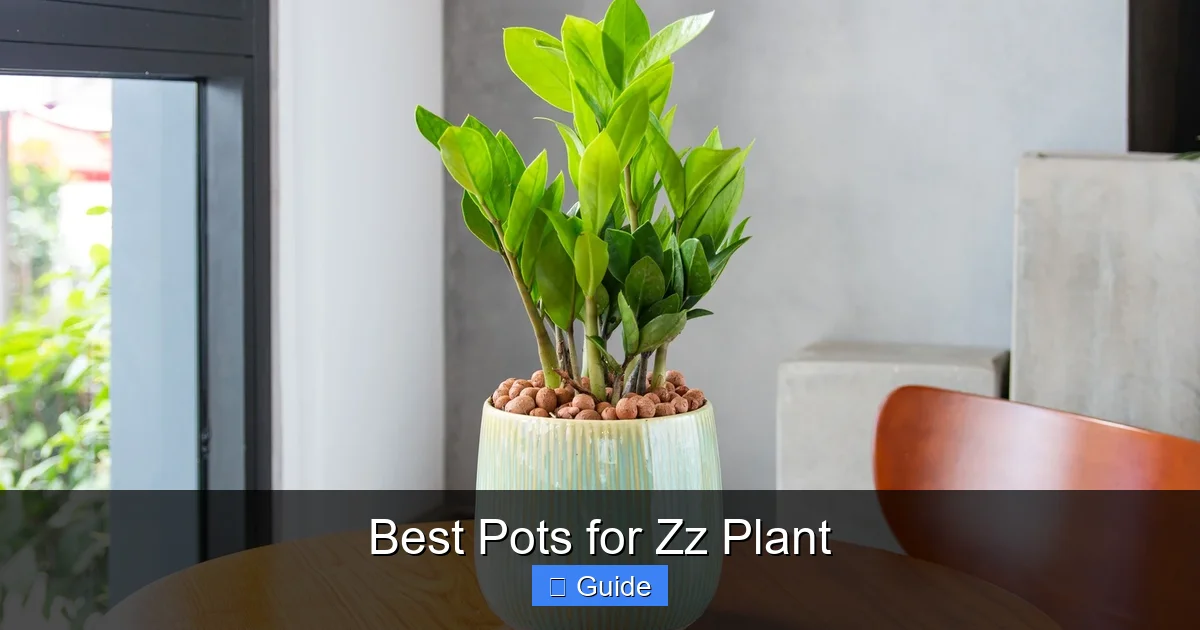
Best Pots for Zz Plant
The best pots for ZZ plant provide excellent drainage, a snug fit, and a breathable material like terracotta or ceramic. Choosing the right size prevents root rot and encourages steady growth.
When you bring a ZZ plant home, the first thing you think about is light and water. But the container you choose plays a huge role in how well the plant thrives. The right pot gives the roots room to breathe, prevents soggy soil, and even adds a decorative touch to your room. In this guide we walk through everything you need to know about the best pots for ZZ plant so you can make a confident choice.
We’ll cover why pot choice matters, the key features to look for, a comparison of popular materials and shapes, a step‑by‑step repotting guide, common mistakes, styling tips, and seasonal adjustments. By the end you’ll know exactly which container will keep your ZZ plant happy for years.
Key Takeaways
- Drainage is essential: holes at the bottom stop water from pooling.
- Breathable material helps: terracotta and unglazed ceramic let roots breathe.
- Size matters: a pot only 1‑2 inches larger than the root ball is ideal.
- Weight adds stability: heavier pots keep tall ZZ plants upright.
- Style can match décor: choose colors and shapes that fit your space.
- Repot every 2‑3 years: fresh soil and a slightly bigger pot keep the plant healthy.
- Avoid common mistakes: no drainage, over‑potting, and ignoring saucers.
Quick Answers to Common Questions
What size pot is best for a young ZZ plant?
A pot 1‑2 inches wider than the root ball gives enough room without holding excess water.
Can I use a decorative pot without drainage holes?
Only if you place a nursery pot with holes inside it; otherwise water will pool and cause rot.
Which material dries out fastest?
Terracotta and fabric pots dry out the quickest because they are highly porous.
How often should I repot my ZZ plant?
Every 2‑3 years or when roots start circling the bottom of the container.
Do self‑watering pots work for ZZ plants?
They can, but keep the reservoir low and let the soil dry between refills to match the plant’s preference.
📑 Table of Contents
- Why Pot Choice Matters for the Best Pots for ZZ Plant
- Key Features to Look For in the Best Pots for ZZ Plant
- Materials and Shapes Compared for the Best Pots for ZZ Plant
- Step‑by‑Step Repotting Guide for the Best Pots for ZZ Plant
- Common Mistakes, Styling Tips, and Seasonal Adjustments for the Best Pots for ZZ Plant
- Conclusion
Why Pot Choice Matters for the Best Pots for ZZ Plant
Root Health and Drainage
ZZ plants store water in thick rhizomes. If the pot holds too much moisture, those rhizomes rot. A container with good drainage holes lets excess water escape quickly. This simple feature is the single most important factor for root health.
Preventing Overwatering
Even careful waterers can overwater if the pot traps water. A breathable pot material pulls moisture away from the soil surface. That extra airflow reduces the chance of fungal problems and keeps the rhizomes firm.
Aesthetic Considerations
Your ZZ plant is also a design element. The pot’s color, texture, and shape can complement modern, boho, or minimalist interiors. Picking a pot you love makes plant care more enjoyable.
Key Features to Look For in the Best Pots for ZZ Plant
Drainage Holes
Always choose a pot with at least one hole. Multiple holes are even better because they spread water flow evenly. If you fall in love with a decorative pot without holes, drill them yourself or use it as a cachepot.
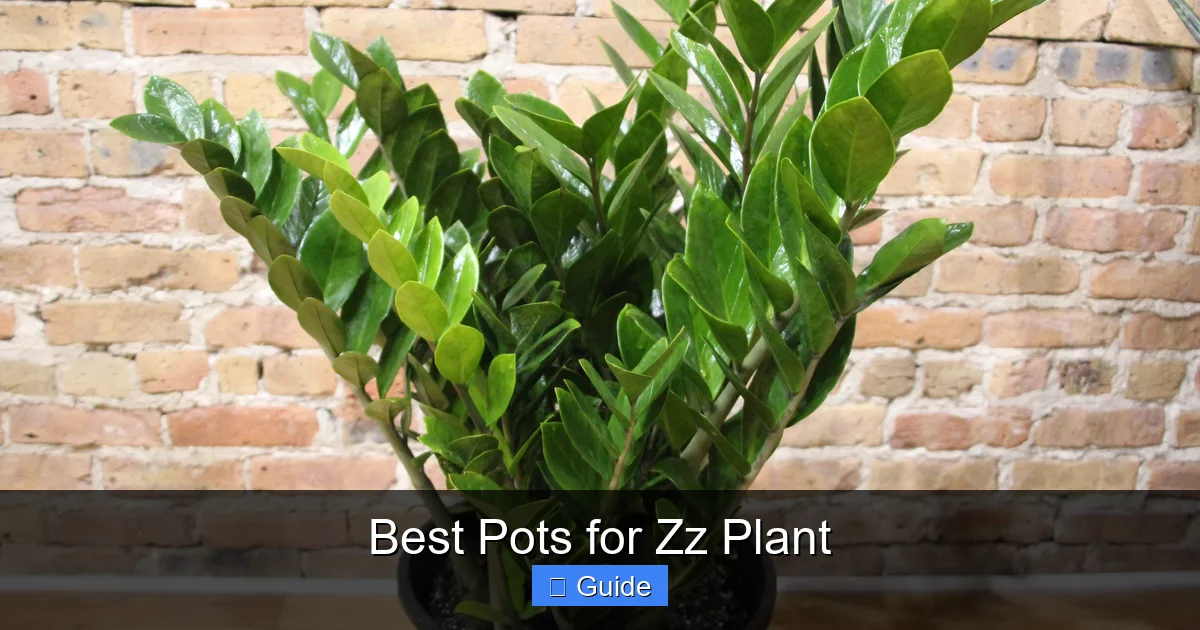
Visual guide about Best Pots for Zz Plant
Image source: chicago-plants.com
Material Breathability
Terracotta, unglazed ceramic, and fabric pots let air move through the walls. Plastic and glazed ceramic hold moisture longer. For a ZZ plant, a breathable material reduces the risk of root rot.
Size and Depth
Pick a pot that is only 1 to 2 inches wider than the current root ball. Too much extra soil stays wet for too long. Depth should match the root system; ZZ plants have shallow roots, so a shallow pot works fine.
Weight and Stability
Large ZZ plants can become top‑heavy. A heavier pot—like concrete, stone, or thick ceramic—keeps the plant from tipping over. If you prefer a lightweight plastic pot, add a decorative stone base for stability.
Materials and Shapes Compared for the Best Pots for ZZ Plant
Terracotta
Terracotta is classic, porous, and inexpensive. It wicks moisture away fast, which is great for ZZ plants. The downside is it can dry out quickly in hot, dry homes, so you may need to water a bit more often.
Glazed Ceramic
Glazed ceramic looks polished and comes in many colors. The glaze seals the pores, so it holds water longer than terracotta. Choose a glazed pot with drainage holes and monitor soil moisture closely.
Plastic
Plastic pots are lightweight, cheap, and virtually unbreakable. They retain moisture well, which can be a plus in very dry climates. However, they offer little airflow, so pair them with a well‑draining soil mix.
Fabric Pots
Fabric (or “smart”) pots are made from breathable felt. They promote air pruning of roots, leading to a denser root system. They’re lightweight and fold flat for storage, but they can look less formal.
Concrete and Stone
Concrete and natural stone pots are heavy, stable, and very stylish. They are usually sealed on the inside, so they act like glazed ceramic regarding moisture. Their weight makes them perfect for large, mature ZZ plants.
Round vs. Square Shapes
Round pots distribute soil evenly around the root ball and are easy to find in any material. Square or rectangular pots fit neatly on shelves and give a modern look; just ensure the corners still have drainage.
Self‑Watering Options
Self‑watering pots have a reservoir at the bottom. They can be convenient, but ZZ plants prefer to dry out between waterings. If you use one, keep the reservoir low and check the soil before refilling.
Step‑by‑Step Repotting Guide for the Best Pots for ZZ Plant
When to Repot
Repot every 2 to 3 years or when roots circle the bottom of the pot. Spring is the best season because the plant is entering active growth.
Preparing the New Pot
Clean the new container, add a layer of coarse gravel or broken pottery over the drainage holes, then fill about one‑third with fresh, well‑draining potting mix.
Removing the Plant
Turn the old pot upside down, support the base of the plant, and gently tap the sides. The root ball should slide out. If it’s stuck, run a knife around the inner edge.
Adding Fresh Soil
Place the plant in the new pot at the same depth it was before. Fill around the roots with more potting mix, pressing lightly to remove air pockets.
Watering After Repotting
Water thoroughly until it drains out the bottom. Then let the top inch of soil dry before the next watering. This helps the plant settle without shock.
Common Mistakes, Styling Tips, and Seasonal Adjustments for the Best Pots for ZZ Plant
Using Pots Without Drainage
A decorative cachepot without holes traps water. Always drill holes or use a nursery pot inside the decorative one.
Over‑potting
Choosing a pot that’s too large leaves excess soil that stays wet. Stick to the 1‑2 inch rule for a snug fit.
Ignoring Material Porosity
Plastic or fully glazed pots hold moisture longer. If you use them, adjust your watering schedule and use a gritty soil mix.
Skipping the Saucer
A saucer catches runoff and protects furniture. Empty it after each watering so the pot doesn’t sit in standing water.
Styling Your ZZ Plant
A well‑chosen pot turns a healthy ZZ plant into a focal point. For a minimalist look, pick a matte white ceramic cylinder. For boho vibes, a terracotta pot with a woven macramé hanger works beautifully. If you love industrial style, a concrete cube adds weight and texture. Mix and match pot colors with your throw pillows or rug for a cohesive room design.
Seasonal Care Adjustments
In winter, ZZ plants grow slower and need less water. A breathable terracotta pot helps the soil dry faster during cold months. In summer, you might prefer a glazed ceramic pot that holds moisture a bit longer during heat waves. Adjust pot choice or watering frequency with the seasons for optimal health.
Conclusion
Finding the best pots for ZZ plant comes down to drainage, breathable material, proper size, and a style you love. Terracotta and unglazed ceramic are top picks for most homes, while concrete works great for large specimens. Remember to repot every few years, avoid over‑potting, and always use a saucer. With the right container your ZZ plant will stay glossy, upright, and low‑maintenance for a long time.
Frequently Asked Questions
What are the best pots for ZZ plant drainage?
Pots with multiple drainage holes made from terracotta, unglazed ceramic, or fabric provide the best drainage for ZZ plants.
Can I grow a ZZ plant in a plastic pot?
Yes, plastic pots work if you use a well‑draining soil mix and water less frequently to avoid soggy roots.
Do ZZ plants need deep pots?
No, ZZ plants have shallow rhizomes, so a shallow to medium depth pot is sufficient.
How do I prevent my ZZ plant from tipping over?
Choose a heavier pot like concrete or stone, or add a decorative stone base to a lighter pot for stability.
Is it okay to use a cachepot without holes?
Only if you keep a nursery pot with drainage inside; otherwise water will collect and cause root rot.
When is the best time to repot a ZZ plant?
Spring is ideal because the plant enters active growth and recovers quickly from repotting stress.