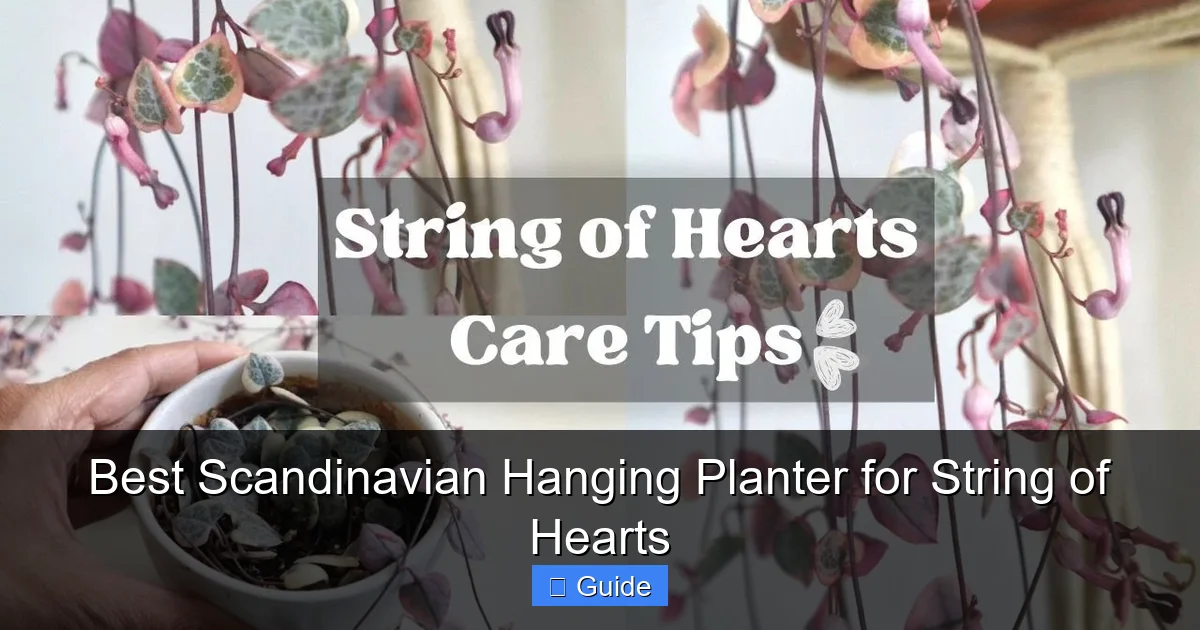
Best Scandinavian Hanging Planter for String of Hearts
Finding the best Scandinavian hanging planter for string of hearts means balancing minimalist design with proper drainage and airflow. This guide covers top materials like ceramic, terracotta, and macrame, plus sizing tips to keep your Ceropegia woodii thriving. Learn how to style these trailing beauties in true Nordic fashion.
If you have ever owned a string of hearts, you know the struggle. Those delicate vines spill over everything. They crave light. They hate soggy roots. And they look absolutely stunning when suspended in a clean, minimal planter. That is where Scandinavian design shines. The best Scandinavian hanging planter for string of hearts combines form and function. It lets the plant breathe. It drains well. And it looks like a piece of art on your wall.
I have tested dozens of hanging planters over the years. Some were beautiful but killed my plants. Others kept roots healthy but clashed with my decor. The sweet spot exists. It sits at the intersection of breathable materials, smart drainage, and that unmistakable Nordic simplicity. In this guide, I walk you through everything you need to know. From material choices to sizing, from hanger styles to placement tips. By the end, you will know exactly which planter deserves your string of hearts.
Key Takeaways
- Drainage is non-negotiable: String of hearts hates wet feet. Always choose planters with drainage holes or use a nursery pot insert.
- Terracotta and ceramic lead the pack: These breathable materials prevent root rot and match Scandinavian aesthetics perfectly.
- Size matters more than you think: A 4 to 6 inch diameter pot gives roots room without holding excess moisture.
- Macrame hangers add texture: Natural cotton or jute hangers bring warmth to minimalist spaces while keeping plants at eye level.
- Light placement drives growth: Hang near bright indirect light. North or east facing windows work best for vibrant variegation.
- Water sparingly: Let soil dry completely between waterings. The succulent-like leaves store moisture efficiently.
- Group for impact: Cluster three planters at varying heights to create a living Nordic focal point.
Quick Answers to Common Questions
What size planter does a string of hearts need?
A 4 to 6 inch diameter planter is ideal. Choose based on the current root ball size, adding only 1 to 2 inches of extra space.
Can I use a planter without drainage holes?
Only if you use it as a cachepot with a nursery pot inside. Never plant directly in a container without drainage holes.
Which material is best for string of hearts?
Terracotta is the top choice for its breathability. Glazed ceramic works well as a cachepot. Concrete and bamboo are good alternatives.
How high should I hang my planter?
Hang it so the crown sits at eye level, around 5 to 6 feet high. This ensures the top gets light and you can easily check moisture.
How often should I water string of hearts in a hanging planter?
Water only when the soil is completely dry. Check with a chopstick. Typically every 10 to 14 days in summer, every 3 to 4 weeks in winter.
📑 Table of Contents
- Why Your String of Hearts Needs a Special Planter
- Top Materials for Scandinavian Hanging Planters
- Sizing Your Planter for Healthy Growth
- Drainage Solutions That Save Plants
- Styling Your String of Hearts in Scandinavian Spaces
- Top Scandinavian Brands and Where to Buy
- Care Routine for Hanging String of Hearts
- Common Mistakes and How to Avoid Them
- Conclusion
Why Your String of Hearts Needs a Special Planter
Understanding the Plant’s Unique Needs
String of hearts, or Ceropegia woodii, is not your average trailing plant. It behaves more like a succulent. Those heart shaped leaves store water. The stems are thin and wiry. The root system stays relatively shallow. This means the plant is highly prone to root rot. Standard deep pots hold too much moisture. Wide shallow containers work better. Hanging planters add another layer of complexity. They dry out faster. They expose roots to more airflow. Both are good things for this plant.
The best Scandinavian hanging planter for string of hearts respects these quirks. It offers excellent drainage. It uses breathable materials. It provides enough width for the tuberous roots to spread. And it positions the plant where light hits the top of the soil, not just the trailing ends. Many people hang their plants too high. The crown sits in shadow. The vines get leggy. A well designed planter solves this by sitting at the right height.
The Scandinavian Design Advantage
Scandinavian design is not just about looks. It follows a philosophy. Function comes first. Natural materials take center stage. Clutter is eliminated. Light is maximized. These principles align perfectly with plant care. Terracotta breathes. Ceramic glazes protect surfaces. Wood and macrame add warmth. Neutral colors let the green pop. When you choose a Nordic style planter, you are not just buying decor. You are buying a tool that helps your plant thrive.
I have seen too many trendy planters fail. Metal pots with no drainage. Glass orbs that cook roots. Plastic macrame that degrades in sunlight. Scandinavian brands tend to avoid these pitfalls. They design for real life. For real plants. For homes with varying light and humidity. That reliability is worth every penny.
Top Materials for Scandinavian Hanging Planters
Terracotta: The Breathable Classic
Terracotta remains the gold standard for string of hearts. The unglazed clay pulls moisture from the soil. Roots get air. Excess water evaporates through the walls. This mimics the rocky, well drained habitats this plant loves. In a Scandinavian context, terracotta brings warm earth tones. It pairs beautifully with white walls and light wood. The patina that develops over time adds character. Each planter tells a story.
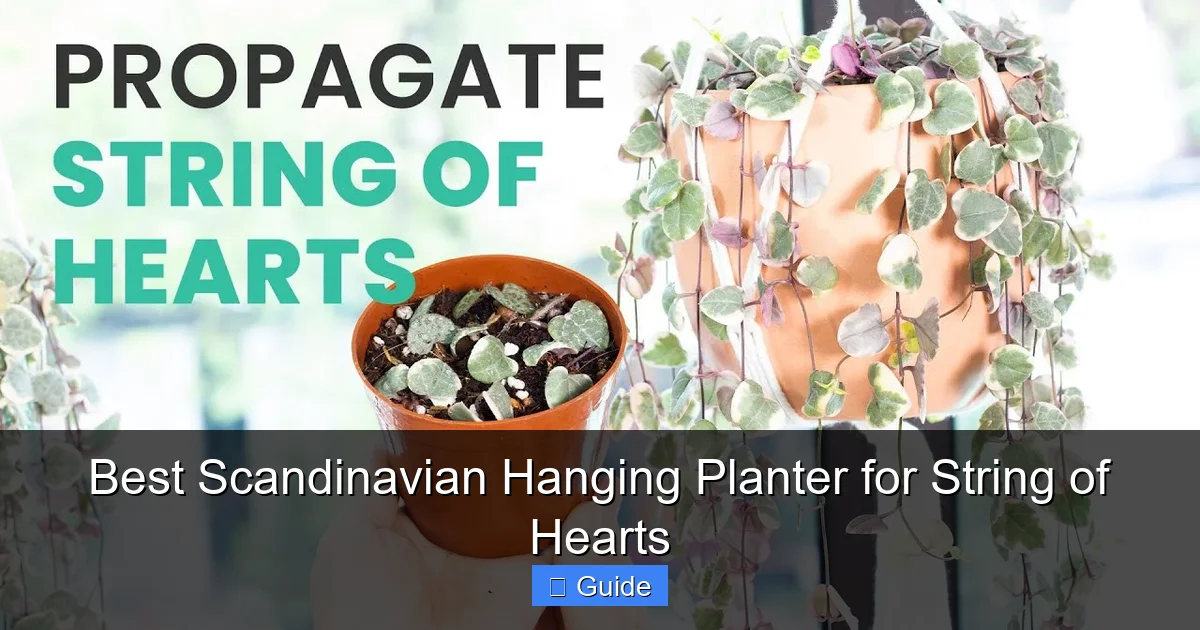
Visual guide about Best Scandinavian Hanging Planter for String of Hearts
Image source: i.ytimg.com
Look for terracotta planters with thick walls. Thin ones crack in temperature shifts. Ensure the drainage hole is large enough. Some budget terracotta pots have tiny holes that clog easily. A single hole works if it is at least half an inch wide. Better yet, choose planters with multiple holes. Brands like Bergs Potter and Elho offer excellent Nordic designed terracotta options. Their hanging versions include sturdy jute or cotton cords.
Ceramic: Style Meets Function
Glazed ceramic planters bring color and sheen. Matte white, soft gray, muted sage, warm sand. These colors define Scandinavian palettes. The glaze seals the clay. This slows evaporation. For string of hearts, this can be good or bad. In humid climates, glazed ceramic prevents over drying. In dry homes, it may hold moisture too long. The solution is simple. Use a nursery pot inside. Slip the plastic grow pot into the ceramic cachepot. Remove it for watering. Let it drain fully. Return it to the hanger.
Many Scandinavian ceramic planters come with matching saucers. Some have built in reservoirs. Avoid self watering features for this plant. They keep soil consistently moist. That is a death sentence for string of hearts. Instead, choose simple glazed cylinders or rounded bowls with drainage holes. The best Scandinavian hanging planter for string of hearts in ceramic will have a clean silhouette. No ornate rims. No busy patterns. Just smooth curves and honest materials.
Concrete and Stone Composite: Modern Weight
Concrete planters have surged in Nordic design circles. They feel substantial. Grounded. Their porous nature mimics terracotta but with a cooler aesthetic. Stone composite blends crushed stone with resin. It is lighter than solid concrete. Both materials offer excellent stability. Wind will not knock them around. This matters for balcony or porch hanging.
The downside is weight. Wet soil plus concrete plus plant equals heavy. Ensure your ceiling hook and anchor can handle the load. Use a stud finder. Install into a joist. Not drywall. For renters, lighter materials may be smarter. But if you own your space and want that brutalist Nordic vibe, concrete delivers. Look for planters with integrated drainage channels. Some have feet that elevate the base. This prevents water rings on floors when you take them down for watering.
Macrame and Textile Hangers: Soft Structure
The planter is only half the equation. The hanger matters just as much. Scandinavian macrame uses natural fibers. Cotton. Jute. Hemp. Linen. These materials age gracefully. They do not stretch like synthetic cords. They support weight evenly. A well knotted macrame hanger distributes load across multiple strands. This prevents the planter from tilting.
Choose hangers with a wide cage design. Four or eight strand patterns cradle the pot securely. Avoid single loop hangers. They swing wildly. They stress the attachment point. The best Scandinavian hanging planter for string of hearts often comes as a set. Pot plus hanger. Designed together. Brands like House Doctor, Ferm Living, and Bloomingville excel here. Their hangers feature clean knots. Minimal fringe. Neutral tones. They disappear visually, letting the plant take center stage.
Wood and Bamboo: Warmth and Lightness
Wooden planters bring undeniable warmth. Light oak. Ash. Birch. Bamboo. These woods dominate Scandinavian interiors. For hanging planters, wood must be treated. Linseed oil. Beeswax. Natural sealants. Untreated wood rots fast. Even treated wood needs a liner. Use a plastic nursery pot inside. Never put soil directly against wood.
Bamboo is a standout. It is technically a grass. It grows fast. It is naturally water resistant. Bamboo hanging baskets often feature open weave designs. This maximizes airflow. Roots love it. The aesthetic is light and airy. Perfect for small spaces. Just ensure the hanger cords are strong. Bamboo can be brittle. Reinforced stitching or metal rings at attachment points add safety.
Sizing Your Planter for Healthy Growth
Diameter Guidelines
String of hearts prefers to be slightly root bound. A pot that is too large holds excess soil. Excess soil holds excess water. Root rot follows. For a young plant in a 2 inch nursery pot, move to a 4 inch hanging planter. For a mature plant in a 4 inch pot, go to 6 inches. Rarely go larger than 6 inches in diameter. The root system simply does not need it.
Measure the widest part of the root ball. Add one to two inches. That is your target diameter. The best Scandinavian hanging planter for string of hearts will list internal diameter. Not external. External includes wall thickness. Terracotta walls can be an inch thick. A 6 inch external pot may only have 4 inches of soil space. Check specs carefully.
Depth Considerations
Shallow is better. String of hearts roots spread horizontally. They do not dive deep. A planter 4 to 5 inches deep is ideal. Deeper pots create a perched water table. The bottom stays wet. The top dries out. Roots in the wet zone rot. If you find a beautiful deep planter, fill the bottom third with lightweight filler. Pumice. Leca. Styrofoam packing peanuts. Cover with landscape fabric. Then add soil. This creates a false bottom. It improves drainage dramatically.
Weight and Hanging Hardware
A 6 inch terracotta pot with wet soil weighs 3 to 5 pounds. Add a macrame hanger. Add the plant. You are looking at 5 to 7 pounds total. Ceramic and concrete weigh more. Plastic and bamboo weigh less. Always check your ceiling hardware rating. Standard swag hooks hold 20 to 30 pounds. That is plenty. But only if installed correctly. Into a joist. With a lag bolt. Not a screw anchor in drywall.
For renters, consider tension rods between window frames. Or adhesive hooks rated for 10 pounds. Command makes ceiling hooks now. They work surprisingly well. Test with a water bottle first. Hang it for 24 hours. If it holds, your planter will too. The best Scandinavian hanging planter for string of hearts deserves secure mounting. A fallen planter breaks pots. Damages plants. Ruins floors. Take five minutes to install it right.
Drainage Solutions That Save Plants
The Non Negotiable: Drainage Holes
I cannot stress this enough. No drainage holes means dead string of hearts. Period. The best Scandinavian hanging planter for string of hearts always has holes. One large hole works. Multiple small holes work better. They prevent soil clogging. They allow even water exit. If you fall in love with a hole less planter, drill your own. A masonry bit for ceramic. A standard bit for plastic or wood. Go slow. Use water to cool the bit. Wear safety glasses.
Saucers and Cachepot Systems
Hanging planters drip. After watering, water escapes. It lands on your floor. Your rug. Your furniture. Scandinavian design solves this elegantly. Many planters include matching saucers. These attach to the pot bottom. They catch runoff. They detach for emptying. Some hangers have built in drip trays. These are brilliant. They move with the planter. No separate saucer to knock off.
The cachepot method remains my favorite. Keep the plant in its plastic nursery pot. Slip it into the decorative planter. The nursery pot has excellent drainage. The decorative pot catches water. When watering, lift the nursery pot out. Water in the sink. Let drain fully. Return to the hanger. Zero mess. Zero risk of standing water. This works with any planter. With or without holes. It is the ultimate safety net.
Soil Mix for Optimal Drainage
The planter does its job. The soil must do its part. Standard potting soil retains too much water. Mix your own. Two parts succulent soil. One part perlite. One part orchid bark or pumice. This creates a fast draining, airy mix. Roots get oxygen. Water flows through. The best Scandinavian hanging planter for string of hearts paired with this mix is nearly foolproof.
Top dress with fine gravel or crushed terracotta. This prevents soil splash when watering. It keeps the crown dry. It looks clean and Nordic. Replenish the top dressing annually. It breaks down over time. Fresh mix every two years keeps the plant vigorous. String of hearts grows fast. It depletes nutrients. Fresh soil feeds new growth.
Styling Your String of Hearts in Scandinavian Spaces
Single Statement vs. Clustered Groups
One large planter makes a bold statement. A 6 inch terracotta pot with a full, mature string of hearts is a sculpture. Hang it near a window. Let the vines cascade 3 to 4 feet. It becomes living art. This works in minimal spaces. One plant. One planter. Maximum impact.
Clusters create depth. Three planters at staggered heights. Vary the materials. One terracotta. One matte white ceramic. One natural macrame with a simple pot. Keep the color palette tight. Warm neutrals. Cool neutrals. Not both. The best Scandinavian hanging planter for string of hearts shines in repetition. Odd numbers look natural. Three. Five. Seven. Space them 12 to 18 inches apart horizontally. Stagger vertically by 6 to 12 inches.
Window Placement for Light and Shadow
String of hearts needs bright indirect light. Direct sun scorches leaves. Deep shade causes leggy growth. The sweet spot is 3 to 6 feet from a south or west window. Or directly in a north or east window. Hang the planter so the crown sits at window height. Not below. The top of the plant needs light most. The vines can trail into shadier zones.
Consider the shadow play. A macrame hanger casts beautiful lace shadows on walls. Terracotta glows in golden hour light. Ceramic reflects soft highlights. Position planters where you will enjoy these moments. Morning coffee. Evening wine. The best Scandinavian hanging planter for string of hearts enhances your daily rituals. Not just your decor.
Complementary Plant Pairings
String of hearts plays well with others. Pair it with upright plants for contrast. Snake plant. ZZ plant. Chinese money plant. Their vertical stems rise while hearts trail. Hang the hearts above a shelf of succulents. The vines drape over echeveria and haworthia. Create a living wall. Mix hanging and shelf mounted planters. Keep pots in the same material family. All terracotta. All matte ceramic. Cohesion reads as intentional design.
Avoid pairing with moisture loving plants. Ferns. Calathea. Peace lily. They need different watering schedules. Different soil. Different humidity. Group plants by care needs. Not just looks. Your watering routine will thank you. The best Scandinavian hanging planter for string of hearts sits in a zone with other drought tolerant trailing plants. String of pearls. String of bananas. Burro’s tail. They share the same rhythm.
Top Scandinavian Brands and Where to Buy
Danish Design Leaders
Denmark produces some of the most thoughtful plant accessories. Bergs Potter stands out. Their terracotta pots are handmade in Italy to Danish specs. The hanging versions feature leather straps or jute cords. They age beautifully. The leather darkens. The terracotta patinas. Price range: $45 to $120. Worth every cent for longevity.
Ferm Living offers ceramic planters in muted tones. Their “Plant Box” series includes hanging options. Powder coated steel frames hold ceramic inserts. The look is mid century modern meets Nordic minimal. Price range: $60 to $150. House Doctor brings playful shapes. Rounded bells. Elongated drops. All in matte glazes. Their macrame hangers are sold separately. Mix and match. Price range: $30 to $90.
Swedish Simplicity
IKEA surprises with quality hanging planters. The BITTERGURKA series uses water hyacinth. Handwoven. Lightweight. Breathable. Under $20. The SOCKER series offers galvanized steel with a clean silhouette. Indoor outdoor rated. Under $15. For ceramic, check the KRYDDVÄXTER line. Matte glazes. Drainage holes included. Saucer integrated. Unbeatable value.
Bloomingville blends Danish and Swedish aesthetics. Their stoneware planters feel substantial. Reactive glazes create unique variations. No two are identical. Hanging versions include jute hangers. Price range: $40 to $110. Design House Stockholm collaborates with top designers. Their “Flowerpot” pendant by Matti Klenell is iconic. Ceramic shade. Textile cord. It is a light fixture and planter in one. Price: $180. A splurge. A statement.
Finnish Functionality
Artek needs no introduction. Their “Plant Pot” by Ilmari Tapiovaara is mid century royalty. Bent wood frame. Ceramic insert. It sits on the floor but hangs beautifully with added hardware. Price: $350. Investment piece. For accessible Finnish design, look at Pentik. Ceramic planters with woven hangers. Nature inspired glazes. Forest green. Lake blue. Sand beige. Price range: $35 to $85.
Norwegian Natural Materials
Norway excels in wood and textile. Northern Lighting offers the “Planter” series. Oak or walnut frames. Glass or ceramic inserts. Clean lines. Hidden hardware. Price: $200 to $400. For macrame, Norwegian artisans on Etsy create custom hangers. Local wool. Traditional knots. Support small makers. Get exactly the length and color you need. Price: $25 to $60.
Where to Shop Online
Scandinavian Design Center ships globally. Curated selection. Free shipping over $100. Finnish Design Shop carries all major brands. Excellent customer service. Tax free for non EU customers. Amara.com stocks premium brands. Frequent sales. 20% off first order with newsletter signup. HAY official site for the Danish brand’s own planters. Restocks sell out fast. Sign up for notifications.
For budget options, IKEA online delivers in many markets. Wayfair carries Scandinavian inspired brands. Filter by “Scandinavian” style. Read reviews for drainage confirmation. Etsy for handmade macrame and ceramic. Search “Scandinavian hanging planter terracotta” or “Nordic macrame hitter.” Message sellers about drainage holes. Most accommodate custom requests.
Care Routine for Hanging String of Hearts
Watering Schedule and Technique
Water only when soil is completely dry. Check with a chopstick. Insert to the bottom. Pull out. No soil clinging means it is time. In summer, this may be every 10 to 14 days. In winter, every 3 to 4 weeks. The best Scandinavian hanging planter for string of hearts makes watering easy. Remove the planter. Take it to the sink. Water thoroughly until it streams from drainage holes. Let drain 10 minutes. Rehang. Never water in place. Water pools in the hanger. Drips later. Makes a mess.
Bottom watering works too. Fill a basin with 2 inches of water. Set the nursery pot in it. Wait 15 minutes. Soil wicks moisture up. Top stays dry. Crown stays safe. This method prevents fungus gnats. It encourages deep roots. Do this monthly. Top water in between. Flushes salts. Keeps soil structure open.
Fertilizing for Full Vines
String of hearts is a light feeder. Dilute succulent fertilizer to quarter strength. Apply monthly during active growth. Spring through early fall. Skip winter. The best Scandinavian hanging planter for string of hearts with fresh soil needs less fertilizer. Repot annually in spring. Fresh mix provides nutrients. If you skip repotting, fertilize every 6 weeks. Watch for salt buildup. White crust on terracotta. Flush with heavy watering quarterly.
Pruning and Propagation
Long vines get tangled. Prune in spring. Cut just above a node. The plant branches there. Fuller growth follows. Save the cuttings. They root easily. Lay them on moist succulent mix. Nodes touch soil. Mist daily. Roots appear in 2 to 3 weeks. Pot up in 2 inch pots. Gift them. Swap them. Fill more Scandinavian planters. The best Scandinavian hanging planter for string of hearts multiplies your collection effortlessly.
Remove yellow leaves promptly. They signal overwatering or age. Check the tubers at soil level. Firm and pale means healthy. Soft and dark means rot. If rot appears, unpot immediately. Cut away affected areas. Dust with cinnamon. Repot in fresh dry mix. Wait a week before watering. The plant usually recovers. It is resilient when caught early.
Seasonal Adjustments
Winter changes everything. Light drops. Growth slows. Water less. Move planters closer to windows. Clean glass maximizes light. Rotate weekly for even exposure. The best Scandinavian hanging planter for string of hearts may need a temporary relocation. A south window in winter equals an east window in summer. Observe your plant. It tells you what it needs.
Spring brings renewal. Resume fertilizing. Check for root bound plants. Repot if roots circle the bottom. Increase watering frequency gradually. Summer heat may demand weekly checks. Terracotta dries fast. Monitor closely. Autumn signals wind down. Reduce water. Stop fertilizing. Prepare for winter rest. The cycle continues. Your planter witnesses it all.
Common Mistakes and How to Avoid Them
Choosing Style Over Substance
That glass orb looks magical. The geometric metal frame is Instagram gold. But neither drains. Neither breathes. Your string of hearts will decline slowly. Yellow leaves. Mushy stems. Eventual death. The best Scandinavian hanging planter for string of hearts prioritizes plant health. Aesthetics follow function. Always. If a planter lacks drainage, walk away. Or drill it. Or use it as a cachepot. Never plant directly in a sealed container.
Hanging Too High or Too Low
High hanging hides the plant. You cannot see the crown. You cannot check soil moisture. Pests go unnoticed. Watering becomes a ladder event. Low hanging invites cats. Toddlers. Clumsy elbows. Vines get damaged. The sweet spot is eye level when standing. Crown at 5 to 6 feet. Vines trail to 3 feet. Accessible for care. Safe from hazards. Visible for joy.
Ignoring Weight Limits
Wet soil is heavy. A 6 inch ceramic planter can exceed 10 pounds. Drywall anchors fail. Plaster cracks. Planters crash. Install into studs. Use lag bolts. Weight rated hooks. Test before hanging the plant. Hang a bucket with 15 pounds of water. Wait an hour. Secure? Good. Now hang your planter. The best Scandinavian hanging planter for string of hearts deserves a secure home.
Overwatering from Guilt
The soil looks dry. The leaves feel thin. You water. Three days later, yellow leaves appear. You water more. The cycle accelerates. String of hearts stores water in leaves. Thin leaves often mean the plant is using reserves. Not that it needs water now. Check the soil. Not the leaves. The chopstick test never lies. The best Scandinavian hanging planter for string of hearts with fast draining soil makes overwatering harder. But not impossible. Discipline wins.
Neglecting Airflow
Stagnant air breeds fungus. Mealybugs. Spider mites. Hanging planters in corners suffer. Near curtains suffer. Behind doors suffer. Give your plant breathing room. 6 inches from walls. Away from fabric. A gentle fan on low helps. Open windows when weather permits. The best Scandinavian hanging planter for string of hearts in a breezy spot stays pest free. Healthy leaves. Strong growth.
Conclusion
Finding the best Scandinavian hanging planter for string of hearts is a journey. It starts with understanding your plant. Its shallow roots. Its water storage. Its light hunger. It continues with material choices. Terracotta for breathability. Ceramic for style. Concrete for presence. Macrame for texture. Wood for warmth. Each has a place. Each serves a purpose.
Sizing keeps roots happy. Drainage keeps them alive. Styling brings joy. Brands offer quality at every price point. Care routines sustain beauty. Mistakes teach lessons. Through it all, the Scandinavian philosophy guides us. Simplicity. Function. Nature. Light. These are not just design principles. They are plant care principles. They are life principles.
Your string of hearts deserves a planter that honors its elegance. That supports its growth. That fits your home like it was made for it. Because it was. The best Scandinavian hanging planter for string of hearts is out there. Waiting. Maybe it is a $15 IKEA find. Maybe a $120 Bergs Potter heirloom. Maybe a handmade macrame from a Norwegian artisan. The price does not define the best. The fit does. The health of your plant defines the best. Your smile when you walk past it defines the best.
Choose with care. Hang with confidence. Water with restraint. Watch with wonder. Those hearts will keep trailing. Keep growing. Keep reminding you that simple things bring the deepest satisfaction. That is the Scandinavian way. That is the plant parent way. That is the way.
Frequently Asked Questions
Do string of hearts like to be root bound?
Yes, string of hearts prefers to be slightly root bound. A snug pot prevents excess soil from holding moisture and reduces the risk of root rot. Repot only when roots circle the bottom densely.
Can I hang string of hearts outdoors?
Yes, in temperatures above 50°F (10°C). Choose a sheltered spot with bright indirect light. Bring indoors before frost. Acclimate gradually to prevent sunburn.
Why are my string of hearts leaves turning yellow?
Yellow leaves usually indicate overwatering. Check soil moisture and ensure your planter has drainage. Let soil dry completely before watering again. Remove yellow leaves to prevent fungal issues.
What type of hanger is best for heavy ceramic planters?
Use a four or eight strand macrame hanger made from cotton or jute. Ensure the ceiling hook is rated for at least 20 pounds and installed into a joist. Avoid single loop hangers.
How do I propagate string of hearts from my hanging planter?
Snip vines just above a node. Lay cuttings on moist succulent mix with nodes touching soil. Mist daily. Roots form in 2 to 3 weeks. Pot up once roots are an inch long.
Should I mist my string of hearts?
No, string of hearts does not need misting. It prefers dry air. Misting can encourage fungal issues on the leaves. Water the soil only, and keep foliage dry.