Best Winter Indoor Garden Setup
Build a thriving indoor garden this winter with the right lights, containers, and plant choices. Our step-by-step guide covers everything from lighting to harvest so you can enjoy fresh produce all season.
Winter does not mean your gardening season has to end. With the right setup you can grow fresh herbs vegetables and even flowers right inside your home. A best winter indoor garden setup lets you enjoy homegrown flavor all year long. You do not need a green thumb or a huge budget to get started. You just need a plan.
This guide walks you through every step of creating a thriving indoor garden. We cover lighting choices plant selection containers soil watering and more. By the end you will have a clear roadmap to grow food indoors all winter. Let us dig in.
Key Takeaways
- Light is everything: Invest in quality LED grow lights with full spectrum output for 12 to 16 hours daily.
- Choose the right plants: Leafy greens, herbs, and microgreens thrive in winter indoor conditions.
- Control temperature and humidity: Keep temps between 65 and 75 degrees F and humidity around 40 to 60 percent.
- Use proper containers: Select pots with drainage holes and use high quality potting mix designed for containers.
- Water wisely: Check soil moisture before watering and avoid letting plants sit in standing water.
- Feed regularly: Apply diluted liquid fertilizer every two weeks during active growth periods.
- Monitor for pests: Inspect leaves weekly and treat issues early with neem oil or insecticidal soap.
Quick Answers to Common Questions
What is the minimum light needed for indoor winter greens?
Leafy greens need at least 200 micromoles of PPFD for 12 to 14 hours daily. A 100 watt full spectrum LED over a 2×2 foot area meets this.
Can I grow tomatoes indoors in winter?
Yes choose dwarf determinate varieties like Patio or Micro Tom. Provide 600+ PPFD light 14 hours daily and hand pollinate flowers.
How often should I water indoor plants in winter?
Check soil daily. Water when top inch feels dry. Frequency depends on pot size plant type and humidity. Usually every 3 to 5 days.
What is the cheapest way to start an indoor garden?
Use shop lights with LED tubes repurposed containers and a basic potting mix. Start with microgreens and herbs for fastest return.
Do I need a humidifier for my indoor garden?
If your home humidity drops below 40 percent a humidifier helps. Grouping plants and using pebble trays can raise humidity enough for many crops.
📑 Table of Contents
- Why Grow an Indoor Garden in Winter
- Choosing the Right Location
- Lighting The Heart of Your Setup
- Selecting Containers and Growing Media
- Choosing Plants for Winter Indoor Growing
- Temperature Humidity and Air Flow
- Watering and Feeding Your Indoor Garden
- Pest and Disease Management
- Setting Up a Simple System Step by Step
- Advanced Tips for Better Yields
- Harvesting and Enjoying Your Bounty
- Troubleshooting Common Problems
- Budget Friendly Options
- Scaling Up Your Indoor Garden
- Conclusion
Why Grow an Indoor Garden in Winter
Winter gardening indoors offers more than just fresh food. It brings life into your home when the world outside is gray. Plants clean the air boost mood and give you a rewarding hobby during short days. You also save money on grocery bills. A packet of seeds costs far less than store bought produce.
Indoor gardens let you control the environment. No frost no pests no weeds. You decide the light the temperature and the water. This control means faster growth and higher yields. Many gardeners find winter harvests taste better because plants grow in stable conditions.
Choosing the Right Location
Find the Best Spot in Your Home
Start by picking a space with stable temperatures. Avoid drafty windows exterior doors and heating vents. A spare room basement or even a corner of the kitchen works well. You need access to electricity for lights and fans. A nearby water source makes care easier.
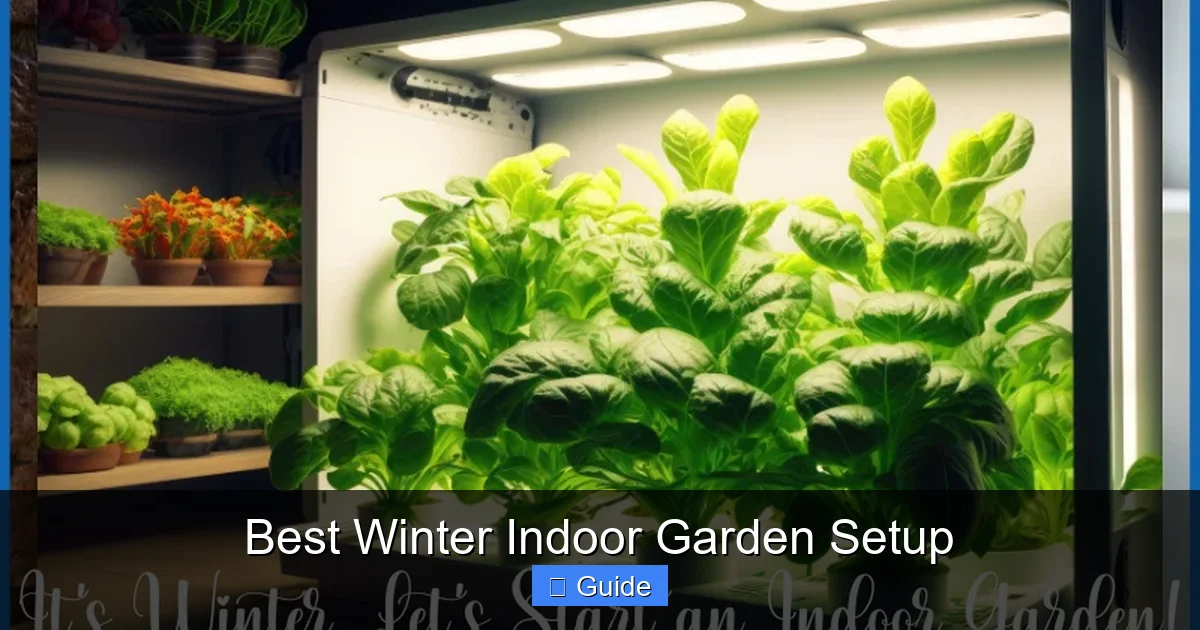
Visual guide about Best Winter Indoor Garden Setup
Image source: farminghydroponics.com
Measure Your Space
Measure the floor area and ceiling height. This determines how many shelves or lights you can fit. Vertical growing maximizes small spaces. Shelving units let you stack trays of microgreens or herbs. Leave room to walk around and tend plants.
Consider Floor Protection
Water spills happen. Put down a waterproof mat or heavy plastic sheeting. This protects floors and makes cleanup simple. A boot tray works great under small setups.
Lighting The Heart of Your Setup
Why Natural Light Is Not Enough
Winter days are short and sun angles are low. Most windows give only a few hours of weak light. Plants stretch and become leggy without strong light. You need supplemental lighting for a best winter indoor garden setup.
Types of Grow Lights
LED lights are the top choice today. They run cool use little power and last years. Look for full spectrum lights that mimic sunlight. Fluorescent T5 tubes work for seedlings but lack power for fruiting plants. Avoid incandescent bulbs they run hot and waste energy.
Light Intensity and Coverage
Match light power to your growing area. A 100 watt LED covers about two by two feet for leafy greens. Fruiting plants need more intensity. Check the PPFD rating. Aim for 200 to 400 micromoles for greens and 600 plus for tomatoes peppers.
Light Schedule and Timers
Plants need rest. Run lights 12 to 16 hours daily. Use a timer so you never forget. Consistent light cycles prevent stress. Most greens do well with 14 hours on 10 hours off.
Hanging and Adjusting Lights
Hang lights on adjustable chains or ratchet hangers. Keep lights 6 to 12 inches above plant tops. Raise lights as plants grow. Watch for light burn. Leaves turning white or crisp at tips mean lights are too close.
Selecting Containers and Growing Media
Container Types and Sizes
Use pots with drainage holes. Fabric pots air prune roots and prevent circling. Plastic pots hold moisture longer. Match pot size to plant. Herbs need 6 inch pots. Tomatoes need 5 gallon containers. Microgreens grow in shallow trays.
Best Potting Mix for Indoor Gardens
Never use garden soil indoors. It compacts and brings pests. Buy a quality soilless mix. Look for peat or coconut coir perlite and vermiculite. Add worm castings or compost for nutrients. A good mix drains well but holds moisture.
Hydroponic Options
Hydroponics grows plants in water with nutrients. Deep water culture nutrient film technique and ebb and flow systems work indoors. They grow faster and use less water. Start with a simple kit if you are new. The learning curve is worth it.
Choosing Plants for Winter Indoor Growing
Easy Wins Leafy Greens and Herbs
Start with fast growing crops. Lettuce spinach kale arugula and swiss chard mature in 30 to 45 days. Herbs like basil parsley cilantro mint and chives thrive indoors. Harvest outer leaves and plants keep producing.
Microgreens Quick Nutrition
Microgreens are seedlings harvested at first true leaf. They grow in 7 to 14 days. Sunflower pea radish broccoli and mustard are popular. Packed with nutrients they add flavor to any meal. Grow in shallow trays on shelves.
Fruiting Plants More Challenge More Reward
Cherry tomatoes peppers and strawberries fruit indoors with strong light. Choose dwarf or determinate varieties. Patio tomatoes and lunchbox peppers stay compact. Hand pollinate flowers with a small brush. Expect longer time to harvest.
Root Vegetables Limited but Possible
Radishes carrots and beets grow in deep containers. Choose short varieties like Paris Market carrots. They need loose soil and consistent moisture. Harvest baby roots for best texture.
Flowers for Beauty and Pollinators
Add nasturtiums calendula or African violets. They brighten the space and some are edible. Flowers attract beneficial insects if you vent windows occasionally.
Temperature Humidity and Air Flow
Ideal Temperature Range
Most indoor crops prefer 65 to 75 degrees F. Cool season crops like lettuce tolerate 60 degrees. Warm season crops like tomatoes want 70 to 80 degrees. Avoid swings over 10 degrees. Use a digital thermometer to monitor.
Managing Humidity
Winter air is dry. Heating drops humidity below 30 percent. Plants prefer 40 to 60 percent. Group plants together to create a microclimate. Use a humidifier or pebble trays with water. Mist leaves occasionally but not late in day.
Air Circulation Prevents Disease
Still air breeds mold and weak stems. Run a small fan on low near plants. Oscillating fans work best. Move air gently across leaves not directly at them. This strengthens stems and prevents fungal issues.
Watering and Feeding Your Indoor Garden
How to Water Correctly
Overwatering kills more plants than underwatering. Check soil with your finger. Water when top inch feels dry. Water deeply until it drains out bottom. Empty saucers after 30 minutes. Use room temperature water. Cold water shocks roots.
Bottom Watering Method
Set pots in a tray of water. Let soil wick moisture up. Remove after 20 minutes. This prevents fungus gnats and ensures even moisture. Great for seedlings and sensitive plants.
Fertilizer Basics
Container plants need regular feeding. Nutrients wash out with watering. Use a balanced liquid fertilizer at half strength every two weeks. Switch to high potassium when plants flower. Organic options like fish emulsion work well but smell indoors.
Signs of Nutrient Problems
Yellow lower leaves mean nitrogen deficiency. Purple stems signal phosphorus lack. Brown leaf edges suggest potassium shortage or salt buildup. Flush pots monthly with plain water to remove excess salts.
Pest and Disease Management
Common Indoor Pests
Fungus gnats aphids spider mites and whiteflies appear indoors. Inspect new plants before adding to your garden. Quarantine for two weeks. Yellow sticky traps catch flying adults. They also monitor population levels.
Natural Treatment Options
Neem oil works on most soft bodied insects. Spray weekly as prevention. Insecticidal soap kills on contact. Diatomaceous earth on soil surface stops fungus gnats. Beneficial nematodes in soil control larvae.
Disease Prevention
Good airflow proper watering and clean tools prevent most issues. Remove dead leaves promptly. Sterilize scissors between plants. Rotate crops if reusing containers. Copper fungicide treats early fungal spots.
Setting Up a Simple System Step by Step
Week One Plan and Purchase
Measure your space. Decide on crops. Order lights shelves containers and seeds. Buy potting mix and fertilizer. Set a budget. A basic 4 shelf setup with LED lights costs 200 to 400 dollars.
Week Two Assemble and Test
Build shelves. Hang lights. Plug into timers. Test light height with a ruler. Fill containers with moistened mix. Label everything. Run system for 24 hours before planting.
Week Three Plant and Monitor
Sow seeds at proper depth. Cover trays with humidity domes. Check daily. Remove domes when sprouts appear. Adjust lights. Start fan. Begin fertilizing at two weeks.
Ongoing Care Routine
Daily check moisture and growth. Weekly inspect for pests fertilize and adjust lights. Monthly flush pots clean trays and rotate crops. Keep a garden journal. Note dates varieties and yields.
Advanced Tips for Better Yields
Succession Planting
Sow new seeds every two weeks. This gives continuous harvest. As you pull one crop start the next. Works great for lettuce radishes and herbs.
Companion Planting Indoors
Plant basil with tomatoes. Chives deter aphids. Marigolds repel nematodes. Even in containers companions help. They maximize space and reduce pests.
CO2 Enrichment
Plants use CO2 for photosynthesis. Indoor air can run low. A simple CO2 bag or fermentation bucket boosts growth. Not essential but helps in sealed rooms.
Reflective Walls
Line walls with Mylar or white paint. This bounces light back to lower leaves. Increases effective light by 20 percent. Cheap and easy upgrade.
Harvesting and Enjoying Your Bounty
Harvest Techniques
Cut and come again for greens. Snip outer leaves leave center. Herbs pinch above a node. Microgreens cut at soil line. Fruiting crops pick when ripe. Regular harvest encourages more production.
Storage Tips
Wash greens spin dry store in bags with paper towel. Herbs in water like flowers in fridge. Tomatoes on counter never fridge. Use within days for peak flavor.
Cooking with Your Harvest
Simple preparations shine. Salad with fresh lettuce herbs and microgreens. Pesto from indoor basil. Sauteed greens with garlic. The flavor difference from store bought is remarkable.
Troubleshooting Common Problems
Leggy Seedlings
Not enough light. Lower lights increase hours or upgrade fixture. Brush tops gently to strengthen stems. Add a fan for air movement.
Yellow Leaves
Check watering first. Then nutrients. Then pests. Old leaves yellow naturally. Remove them. New growth yellow means problem.
Slow Growth
Cold temps low light or root bound. Check each factor. Repot if roots circle. Increase fertilizer slightly. Be patient winter growth is slower.
Mold on Soil Surface
Too wet poor airflow. Scrape off mold. Reduce watering. Increase fan speed. Sprinkle cinnamon on soil natural antifungal.
Budget Friendly Options
DIY Light Fixtures
Shop lights with LED tubes cost less than grow panels. Use 4000K to 6500K tubes. Hang on chains from shelves. Works well for greens.
Repurposed Containers
Yogurt cups milk jugs takeout containers. Poke drainage holes. Free and functional. Just clean well first.
Seed Saving and Swaps
Save seeds from best plants. Join local seed swaps. Online communities trade varieties. Cuts cost to nearly zero over time.
Scaling Up Your Indoor Garden
Add More Shelves
Wire shelving units hold four to five levels. Each level can hold two standard trays. That is 8 to 10 trays per unit. Multiply your harvest without more floor space.
Automate Watering
Drip irrigation with a timer saves daily work. Run tubing to each pot. Set for 5 minutes every 2 days. Adjust as needed. Great for vacations.
Environmental Controllers
Smart controllers monitor temp humidity CO2 and light. They adjust fans heaters humidifiers and lights automatically. Pricey but precise. Good for serious growers.
Conclusion
Creating a best winter indoor garden setup is one of the most rewarding projects you can tackle. You gain fresh food cleaner air and a green sanctuary during cold months. Start small learn as you go and expand when ready. Every gardener kills plants. The difference is they keep planting.
Remember the core principles. Light drives growth. Water with care. Feed regularly. Watch for problems. Harvest often. Your first homegrown winter salad will taste like victory. Happy growing.
Frequently Asked Questions
What are the easiest plants for a beginner winter indoor garden?
Lettuce spinach kale basil parsley cilantro and microgreens are the easiest. They grow fast tolerate lower light and harvest in weeks.
How much does a basic indoor garden setup cost?
A simple 4 shelf system with LED lights costs 200 to 400 dollars. Seeds soil and containers add 50 to 100 dollars. DIY options can cut this in half.
Can I use regular potting soil from outside?
No garden soil compacts in containers and brings pests and diseases. Always use a sterile soilless mix designed for containers.
Why are my indoor plants stretching and falling over?
This is etiolation caused by insufficient light. Lower your grow lights increase daily light hours or upgrade to a stronger fixture.
How do I pollinate indoor tomatoes and peppers?
Gently shake plants daily or use a small brush to transfer pollen between flowers. Do this midday when pollen is most viable.
What causes fungus gnats and how do I get rid of them?
Overwatering creates moist soil where gnats breed. Let soil dry more between waterings use yellow sticky traps and apply beneficial nematodes or mosquito bits to soil.