How to Get Rid of Root Aphids on Plants
Root aphids are tiny pests that feed on plant roots and can cause serious damage. This guide shows you how to spot them early and choose the best treatment for your garden. Follow the steps and keep your plants healthy.
Key Takeaways
- Identify early: Look for yellowing leaves and sticky residue on soil.
- Use beneficial insects: Nematodes and predatory mites attack root aphids naturally.
- Apply neem oil: Neem oil disrupts the life cycle of root aphids without harming plants.
- Rotate crops: Changing plant families each season reduces root aphid buildup.
- Monitor soil moisture: Overwatering creates a perfect home for root aphids.
- Consider systemic insecticides: Use only as a last resort and follow label directions.
- Keep tools clean: Sanitize pots and tools to stop spread of root aphids.
Quick Answers to Common Questions
What are root aphids?
Root aphids are tiny, soft‑bodied insects that live in soil and feed on plant roots.
How can I tell if my plant has root aphids?
Look for yellowing leaves, stunted growth, a white waxy coating near the soil, and sticky honeydew on the soil surface.
Are beneficial nematodes safe for pets?
Yes, beneficial nematodes are harmless to pets, humans, and beneficial insects when used as directed.
Can neem oil be used on edible plants?
Neem oil is approved for use on many edible crops; always check the label for pre‑harvest intervals.
When should I consider chemical insecticides?
Use chemical insecticides only after organic methods fail and the infestation is severe.
📑 Table of Contents
Introduction
Root aphids are small insects that live in the soil and feed on plant roots. They are often hidden from view until the plant shows signs of stress. If you notice wilting leaves or slow growth, root aphids might be the cause. This guide will walk you through identification, prevention, and treatment options.
Dealing with root aphids can feel overwhelming, but you have many tools at your disposal. From natural predators to organic sprays, you can choose a method that fits your gardening style. The key is to act quickly and monitor your plants regularly.
How to Identify Root Aphids
Visual Signs on Leaves
Yellow leaves are a common clue. The leaves may also curl or drop early. Stunted growth is another sign. You might see a white, cottony coating on the stems near the soil line. This coating is a protective wax produced by root aphids.
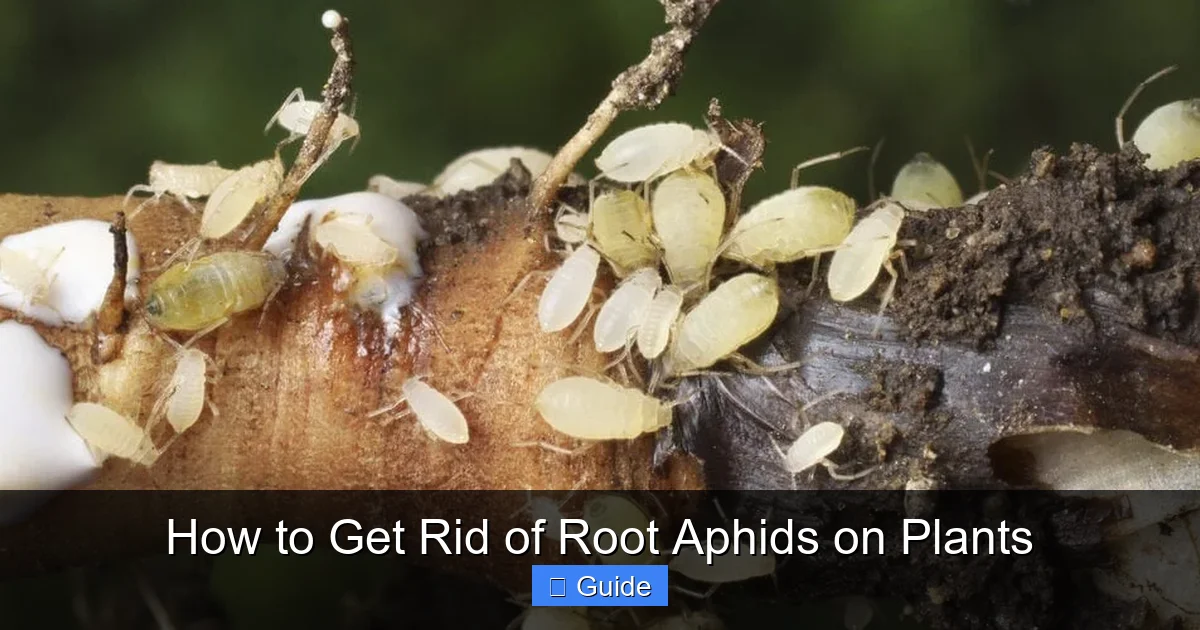
Visual guide about How to Get Rid of Root Aphids on Plants
Image source: hobbyplants.com
Soil Inspection
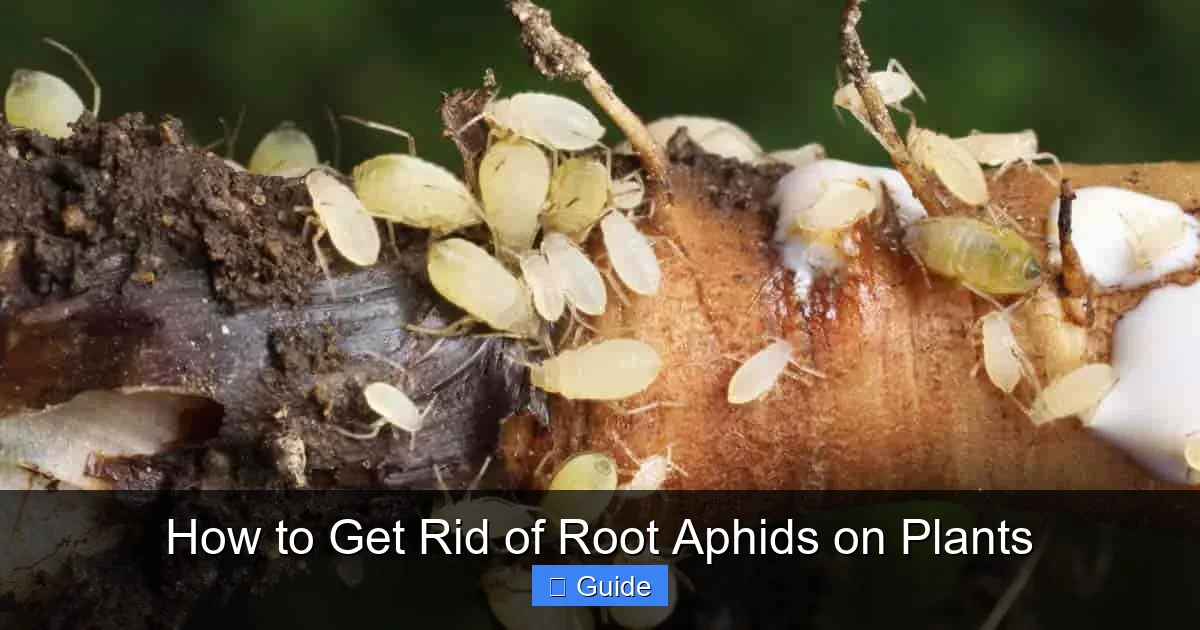
Gently dig around the base of the plant. Look for tiny, pear‑shaped insects clustered on the roots. They are usually pale green, yellow, or brown. A magnifying glass helps you see them clearly. If you see many insects, you have a root aphid infestation.
Sticky Traps and Honeydew
Root aphids excrete a sweet liquid called honeydew. This liquid can attract ants. You may notice a shiny, sticky film on the soil surface. Yellow sticky traps placed near the plant can catch flying adults. The traps confirm the presence of root aphids.
Preventing Root Aphids Before They Appear
Crop Rotation
Changing the plant family each season breaks the life cycle of root aphids. Avoid planting the same crop in the same spot year after year. Rotate legumes, brassicas, and nightshades. This simple practice reduces the chance of a root aphid buildup.
Soil Health and Drainage
Healthy soil supports strong roots. Add compost to improve texture and nutrient content. Good drainage prevents waterlogged conditions. Root aphids thrive in overly wet soil. Use raised beds or add sand to heavy clay soils.
Sanitation Practices
Clean pots, trays, and tools before reuse. Remove plant debris at the end of each season. Dispose of infested soil away from the garden. Sanitizing reduces the chance that root aphids survive from one year to the next.
Natural and Organic Controls for Root Aphids
Beneficial Nematodes
Beneficial nematodes are microscopic worms that hunt root aphids in the soil. Apply them according to package directions. Water the soil before and after application. Nematodes work best when soil temperature is between 60 and 85 degrees Fahrenheit.
Predatory Mites
Predatory mites such as Stratiolaelaps scimitus feed on root aphids. Release them in the early evening. Keep the soil moist for a few days after release. These mites establish a population that keeps root aphids in check.
Neem Oil Applications
Neem oil disrupts the growth and reproduction of root aphids. Mix neem oil with water and a few drops of dish soap. Spray the soil surface thoroughly. Repeat every seven to ten days until you see improvement. Neem oil is safe for most beneficial insects when used correctly.
Insecticidal Soap
Insecticidal soap kills root aphids on contact. Apply a ready‑to‑use spray to the soil and lower stems. Cover all surfaces. Reapply after rain or watering. Insecticidal soap breaks down quickly, so it poses little risk to non‑target organisms.
Chemical Options When Needed
Systemic Insecticides
Systemic insecticides are absorbed by the plant and move to the roots. They kill root aphids when the insects feed. Use products containing imidacloprid or dinotefuran only as a last resort. Follow label rates exactly. Avoid application during bloom to protect pollinators.
Contact Sprays
Contact sprays such as pyrethrin can knock down root aphids quickly. Spray the soil surface and lower plant parts. Wear gloves and a mask. Do not apply on windy days. Reapply according to the product schedule.
Safety Precautions
Always read the label before using any chemical. Store products out of reach of children and pets. Dispose of empty containers according to local regulations. Rotate chemical classes to prevent resistance in root aphids.
Monitoring and Ongoing Management
Regular Root Checks
Inspect roots every two weeks during the growing season. Gently lift a small section of soil. Look for clusters of root aphids. Early detection makes treatment easier and more effective.
Record Keeping
Keep a garden journal. Note the date, plant type, and any signs of root aphids. Record treatments used and results. This history helps you spot patterns and adjust your strategy.
Adjusting Watering Habits
Water deeply but infrequently. Allow the top inch of soil to dry between waterings. Overwatering creates a moist environment that root aphids love. Mulch helps retain moisture without saturating the soil.
Conclusion
Root aphids can damage a wide range of plants, but they are manageable with the right approach. Start by learning the signs and checking your soil regularly. Use cultural practices like crop rotation and good drainage to keep root aphids away. When an infestation appears, try beneficial nematodes, predatory mites, neem oil, or insecticidal soap first. Reserve chemical treatments for severe cases and always follow safety guidelines. Consistent monitoring and record keeping will help you stay ahead of future outbreaks. With patience and the methods outlined here, you can protect your garden and enjoy healthy, thriving plants.
Frequently Asked Questions
How long does it take for beneficial nematodes to work?
Beneficial nematodes usually start reducing root aphid numbers within a few days, with full effect seen in one to two weeks.
Do root aphids spread to other plants quickly?
Root aphids can move through soil water and on contaminated tools, so they can spread if sanitation is poor.
Is it necessary to treat the entire garden if only one plant is infested?
Treat the infested plant and its immediate neighbors; monitor the rest of the garden for early signs.
Can I use diatomaceous earth against root aphids?
Diatomaceous earth is less effective on soil‑dwelling root aphids because it works best on dry surfaces.
What soil temperature is best for nematode application?
Apply nematodes when soil temperature is between 60 and 85 degrees Fahrenheit for optimal activity.
How often should I rotate crops to prevent root aphids?
Rotate crops each growing season, avoiding the same plant family in the same spot for at least three years.