Best Treatment for Mold on Soil
Learn the best treatment for mold on soil quickly. This guide covers identification, natural fixes, chemical options, and long‑term prevention so your plants stay healthy.
Key Takeaways
- Identify mold early: Spot white, green, or black fuzzy growth on the surface.
- Remove affected soil: Scoop out the top layer to stop spores spreading.
- Use natural remedies: Cinnamon, neem oil, and hydrogen peroxide work well.
- Apply chemical fungicides only if needed: Follow label rates to avoid plant damage.
- Improve drainage and airflow: Prevent future outbreaks by keeping soil dry and air moving.
- Rotate crops and sterilize pots: Reduce reinfection risk each season.
- Monitor moisture levels: Use a meter or finger test to keep soil just moist.
Quick Answers to Common Questions
What causes mold on soil?
Excess moisture, poor drainage, and limited airflow create ideal conditions for mold spores to grow.
Can I use cinnamon to treat mold on soil?
Yes, cinnamon is a natural antifungal that stops spore germination when sprinkled on the surface.
When should I apply a chemical fungicide?
Only after natural methods fail and the infection is severe; always follow label directions.
How often should I check soil moisture?
Check daily with a finger or moisture meter; water only when the top inch feels dry.
Does rotating plants help prevent mold?
Rotating crops reduces pathogen buildup and breaks disease cycles, lowering mold risk.
📑 Table of Contents
- Understanding Mold on Soil: The Best Treatment for Mold on Soil
- Identifying the Type of Mold: The Best Treatment for Mold on Soil
- Natural Remedies for Mold on Soil: The Best Treatment for Mold on Soil
- Chemical Treatments When Necessary: The Best Treatment for Mold on Soil
- Preventing Mold Recurrence: The Best Treatment for Mold on Soil
- Long Term Soil Health Practices: The Best Treatment for Mold on Soil
Understanding Mold on Soil: The Best Treatment for Mold on Soil
Mold on soil is a common problem for gardeners. It appears as a fuzzy layer on the surface. The best treatment for mold on soil begins with knowing what you see. Mold thrives in damp stagnant conditions. Overwatering is the main cause. Poor drainage makes it worse. Low light also helps mold grow. When you spot mold act fast. Early action stops spores from spreading.
The best treatment for mold on soil also requires understanding the soil environment. Healthy soil has a balance of microbes. Mold disrupts that balance. It can compete with plant roots for nutrients. Some molds are harmless. Others can cause root rot. Knowing the difference helps you choose the right fix. The best treatment for mold on soil always starts with observation.
What Is Mold
Mold is a type of fungus. It reproduces by tiny spores. Spores float in the air. They land on moist surfaces. Soil provides food and moisture. The best treatment for mold on soil targets the spores. Removing the top layer removes many spores. This reduces future growth.
Why Does Mold Appear
Excess water is the primary trigger. Waterlogged soil lacks oxygen. Anaerobic conditions favor mold. Overcrowded plants block airflow. Shade keeps soil wet longer. The best treatment for mold on soil includes fixing these issues. Improve drainage. Space plants. Increase light exposure.
Signs of Mold
Look for white green or black fuzz. A musty smell often accompanies mold. Soil may feel soggy. Plant leaves may yellow. The best treatment for mold on soil begins when you see these signs. Act quickly to protect roots.
Identifying the Type of Mold: The Best Treatment for Mold on Soil
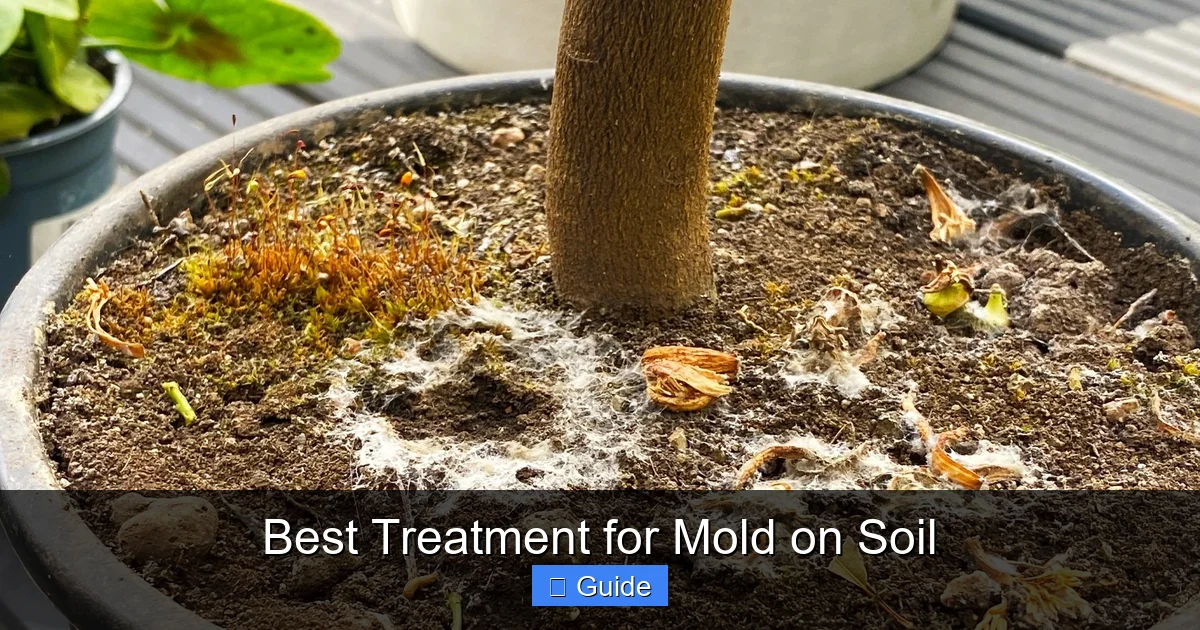
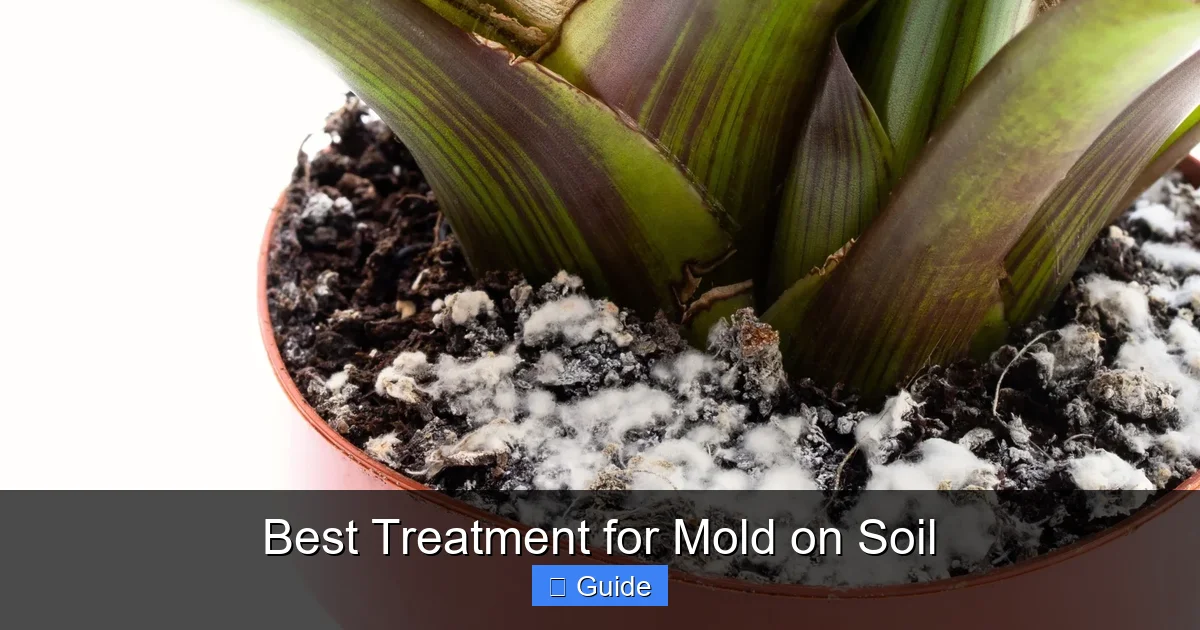
Not all mold is the same. White mold is often saprophytic. It feeds on dead organic matter. Green mold can be algae or certain fungi. Black mold may be more aggressive. The best treatment for mold on soil depends on the type. Identify before you treat.
Visual guide about Best Treatment for Mold on Soil
Image source: epicgardening.com
White Mold
White mold looks like cotton. It usually stays on the surface. It rarely harms healthy plants. The best treatment for mold on soil for white mold is simple removal. Scrape off the top inch. Replace with fresh dry mix.
Green Mold
Green mold often appears in very wet pots. It can indicate algae growth. Algae compete for light. The best treatment for mold on soil for green mold includes reducing moisture. Add a layer of coarse sand. This improves drainage.
Black Mold
Black mold can produce toxins. It may cause root damage. The best treatment for mold on soil for black mold is more aggressive. Remove affected soil. Apply a natural fungicide. Monitor closely.
Harmless Versus Harmful
Harmless mold stays on the surface. Harmful mold penetrates the root zone. The best treatment for mold on soil always matches the severity. When in doubt treat as harmful.
Natural Remedies for Mold on Soil: The Best Treatment for Mold on Soil
Many gardeners prefer natural options. They are safe for pets and kids. The best treatment for mold on soil using nature works well for mild cases. Consistency is key. Apply remedies weekly until mold disappears.
Cinnamon Powder
Cinnamon is a natural antifungal. Sprinkle a thin layer on the soil surface. Water lightly to settle. The best treatment for mold on soil with cinnamon stops spore germination. Reapply after each watering.
Neem Oil Spray
Mix one teaspoon neem oil with one quart water. Add a few drops dish soap. Spray the soil surface. The best treatment for mold on soil with neem oil disrupts fungal cell walls. Use in the evening to avoid leaf burn.
Hydrogen Peroxide Solution
Combine one part 3% hydrogen peroxide with four parts water. Pour onto the soil. The best treatment for mold on soil with peroxide oxygenates the medium. It kills spores on contact. Allow soil to dry before next watering.
Baking Soda Mix
Dissolve one tablespoon baking soda in one gallon water. Add a teaspoon horticultural oil. Spray the soil. The best treatment for mold on soil with baking soda raises pH temporarily. This inhibits fungal growth.
Beneficial Microbes
Add compost tea or a commercial mycorrhizal inoculant. The best treatment for mold on soil with beneficial microbes outcompetes pathogens. They create a protective barrier around roots. Apply monthly for best results.
Chemical Treatments When Necessary: The Best Treatment for Mold on Soil
Severe infestations may need fungicides. Choose products labeled for soil use. The best treatment for mold on soil with chemicals should be a last resort. Follow all label instructions.
Choosing a Fungicide
Look for active ingredients like copper sulfate or thiophanate-methyl. The best treatment for mold on soil with copper works on many fungi. Rotate modes of action to prevent resistance.
Application Tips
Apply early morning or late afternoon. Wet the soil thoroughly. The best treatment for mold on soil requires contact with spores. Do not oversaturate. Excess runoff wastes product.
Safety Precautions
Wear gloves and a mask. Keep pets away until dry. The best treatment for mold on soil with chemicals protects you and the environment. Store products out of reach of children.
Preventing Mold Recurrence: The Best Treatment for Mold on Soil
Prevention is easier than cure. The best treatment for mold on soil includes habits that keep soil dry and airy. Consistent care stops mold before it starts.
Improve Drainage
Use pots with drainage holes. Add perlite or coarse sand to the mix. The best treatment for mold on soil relies on fast water exit. Standing water invites mold.
Increase Airflow
Space plants so leaves do not touch. Use a small fan indoors. The best treatment for mold on soil benefits from moving air. Air movement dries the surface quickly.
Water Wisely
Water at the base of plants. Avoid wetting the soil surface. The best treatment for mold on soil uses a moisture meter. Water only when the top inch feels dry.
Use Sterile Potting Mix
Buy pasteurized mix or sterilize your own. The best treatment for mold on soil starts with clean media. Heat soil at 180°F for 30 minutes to kill spores.
Rotate Plants
Change plant locations each season. The best treatment for mold on soil reduces pathogen buildup. Crop rotation breaks disease cycles.
Long Term Soil Health Practices: The Best Treatment for Mold on Soil
Healthy soil resists mold naturally. The best treatment for mold on soil is a long term strategy. Build organic matter. Feed beneficial life. Monitor conditions regularly.
Add Organic Matter
Incorporate compost annually. The best treatment for mold on soil with compost improves structure. Good structure drains well and holds nutrients.
Test pH Regularly
Most plants prefer pH 6.0 to 7.0. The best treatment for mold on soil includes pH checks. Adjust with lime or sulfur as needed.
Mulch Correctly
Apply a thin mulch layer. Keep mulch away from stems. The best treatment for mold on soil with mulch conserves moisture without creating a wet blanket.
Encourage Beneficial Insects
Ladybugs and predatory mites eat pest insects. The best treatment for mold on soil benefits from a balanced ecosystem. Avoid broad spectrum pesticides.
Keep a Garden Journal
Record watering dates, weather, and mold observations. The best treatment for mold on soil improves with data. Patterns reveal hidden problems.
In summary the best treatment for mold on soil combines quick action natural remedies and smart prevention. Start by removing the visible mold. Apply a natural antifungal like cinnamon or neem oil. Fix drainage and airflow issues. Use chemicals only when necessary. Maintain healthy soil with compost and regular monitoring. Your plants will thrive in a clean balanced environment.
Frequently Asked Questions
What is the fastest way to remove surface mold?
Scrape off the top inch of soil and replace it with fresh, dry mix. This removes most spores instantly.
Is hydrogen peroxide safe for all plants?
Diluted 3% hydrogen peroxide (1:4 with water) is generally safe, but test on a small area first.
Can mold on soil harm my vegetables?
Some molds are harmless, but aggressive types can cause root rot and reduce yields.
How do I improve drainage in heavy clay soil?
Amend with coarse sand, perlite, or compost to create larger pore spaces for water to escape.
What role do beneficial microbes play?
They outcompete pathogenic fungi, colonize root zones, and create a protective barrier against mold.
Should I sterilize pots each season?
Yes, cleaning pots with a 10% bleach solution or heat sterilization eliminates lingering spores.