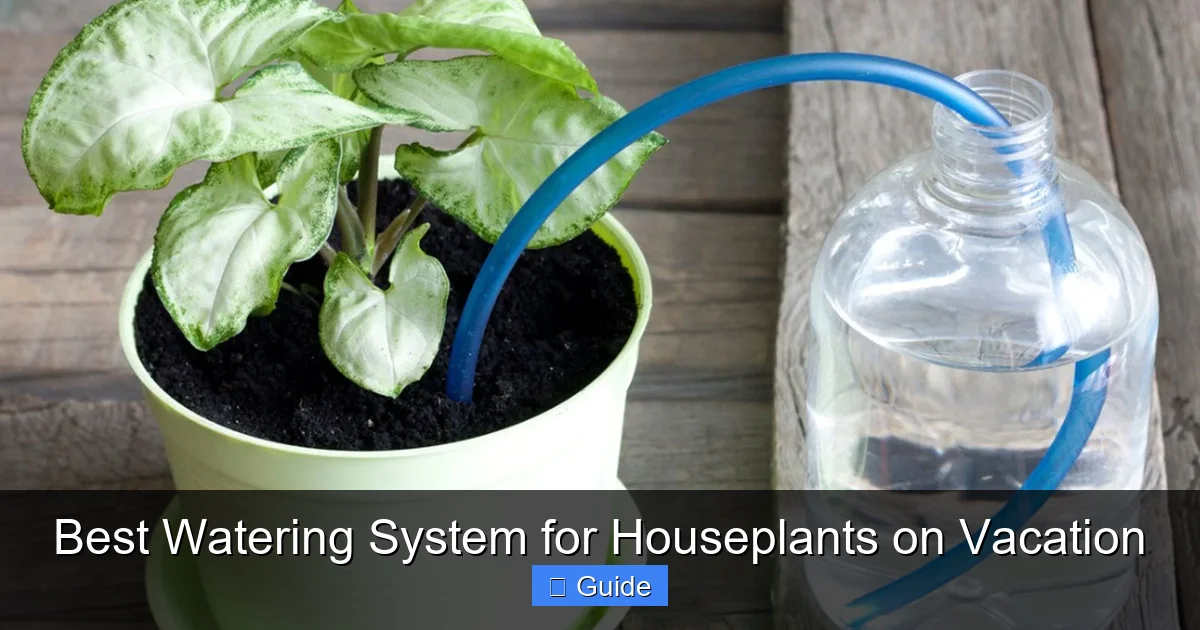
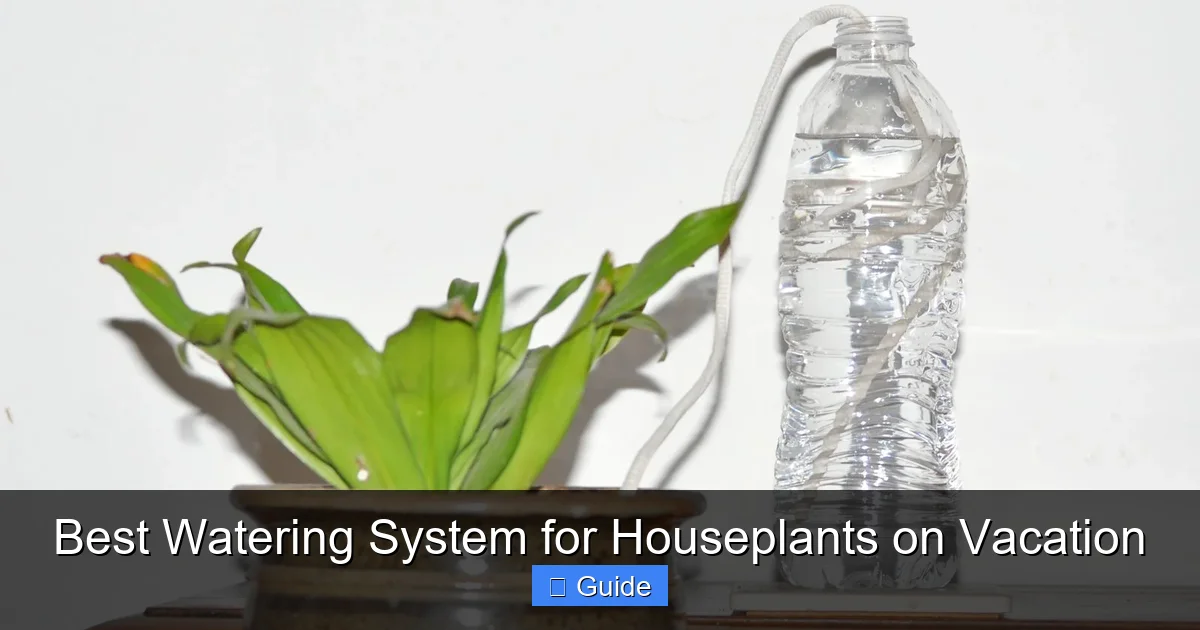
Best Watering System for Houseplants on Vacation
Going on vacation doesn’t mean your houseplants have to suffer. The best watering system for houseplants on vacation delivers consistent moisture automatically, so you return to healthy, happy greenery. Choose a system that matches your plant types, trip length, and budget for worry‑free travel.
Planning a getaway is exciting, but the thought of returning to wilted leaves can dampen the fun. Houseplants rely on a steady supply of moisture, and a few days without water can cause irreversible stress. That’s why finding the best watering system for houseplants on vacation is a smart move for any plant parent.
In this guide we’ll walk through the most reliable options, show you how to pick the right one for your collection, and share practical tips so you can travel with confidence. Whether you have a single succulent or a jungle of tropicals, there’s a solution that fits your needs and budget.
Key Takeaways
- Automatic timers simplify care: Set it once and forget it while you’re gone.
- Self‑watering spikes suit short trips: They release water slowly for up to two weeks.
- Drip irrigation kits handle many plants: Ideal for larger collections or mixed‑size pots.
- Smart Wi‑Fi controllers let you monitor remotely: Adjust flow from your phone.
- Match reservoir capacity to trip length: Bigger tanks mean longer coverage.
- Test the system before you leave: A quick run‑through catches leaks early.
Quick Answers to Common Questions
What is the simplest watering system for a short weekend trip?
Self‑watering spikes or globes are the simplest choice for a weekend. They require no electricity and can keep a single pot moist for up to 14 days.
Can I use a smart controller without Wi‑Fi?
Most smart controllers need Wi‑Fi for remote access, but many store schedules locally so they continue watering even if the network goes down.
How do I prevent tubing kinks in a drip kit?
Secure tubing with stakes or adhesive clips, and avoid sharp bends. Lay the tubing in gentle curves and use the supplied stakes to hold it in place.
What reservoir size do I need for a two‑week vacation?
A 10‑liter reservoir typically supports 8‑12 medium pots for two weeks, but calculate based on each plant’s daily water use.
Is it necessary to test the system before leaving?
Yes. A 48‑hour test run reveals leaks, uneven flow, or timer errors, giving you time to fix problems before you depart.
📑 Table of Contents
Why You Need a Vacation Watering System
The risk of dry soil
When soil dries out completely, roots can shrink and lose their ability to absorb water even after you return. This leads to brown tips, leaf drop, and in severe cases plant death. A vacation watering system prevents that cycle by keeping the root zone consistently moist.
Dry soil also creates air pockets that make it harder for water to penetrate later. Even a thorough soak after you get home may not fully rehydrate the root ball. Consistent moisture avoids this problem entirely.
Benefits of automation
Automation removes the guesswork. You set the schedule once, and the device delivers water at the right intervals. This consistency mimics natural rainfall and reduces the chance of over‑watering, which is just as harmful as drought. Plus, you free up mental space to enjoy your trip.
Automated systems also protect against human error. A forgotten watering day or a mis‑read moisture meter can spell disaster for sensitive species. With a timer or smart controller, the schedule runs on its own.
Types of Watering Systems for Houseplants
Self‑watering spikes and globes
These simple devices insert into the potting mix and release water through a porous tip. They work well for individual pots and short trips up to 14 days. Brands like Plant Nanny and Hydrofarm offer affordable spikes that you fill with water before you leave.
Visual guide about Best Watering System for Houseplants on Vacation
Image source: thespruce.com
Globes function similarly but hold a larger volume, often 300‑500 ml. They are decorative and can double as a design element on a windowsill. Both spikes and globes require no electricity, making them a low‑maintenance choice.
Capillary mats and wicking systems
A capillary mat sits under a group of pots and draws water from a reservoir via a wick. The mat distributes moisture evenly across the bottom of each container. This method is great for shelves of similar‑sized plants and can last two to three weeks depending on reservoir size.
Wicking systems use a cotton or nylon rope that runs from a water jar into each pot. They are inexpensive and easy to DIY. However, they work best when all plants have similar water needs.
Drip irrigation kits
Drip kits use tubing, emitters, and a timer to deliver precise amounts of water to each pot. They scale easily from a few plants to dozens. The Raindrip Automatic Drip Irrigation Kit is a popular choice because it includes a programmable timer and pressure regulator.
Emitters can be adjusted for flow rate, letting you customize water delivery for thirsty tropicals versus drought‑tolerant succulents. Kits often come with stakes to keep tubing tidy and prevent kinks.
Smart Wi‑Fi enabled controllers
Smart controllers connect to your home network and let you adjust watering schedules from a phone app. The Xiaomi Mi Smart Plant Monitor paired with a small pump can sense soil moisture and trigger watering only when needed. This reduces waste and gives you real‑time alerts.
Many smart devices integrate with voice assistants like Alexa or Google Assistant. You can ask for a status update while you’re on the beach. Battery backup options keep the schedule running during power outages.
Gravity‑fed reservoir systems
Gravity systems rely on a raised water tank that feeds tubing to each plant. They need no electricity, making them reliable during power outages. The Blumat Classic uses ceramic cones that self‑regulate flow based on soil tension, offering a hands‑off experience for up to three weeks.
These systems are especially useful for large collections where running power cords would be impractical. The reservoir can be a simple food‑grade bucket placed on a shelf above the plants.
How to Choose the Best Watering System for Houseplants on Vacation
Trip length and plant water needs
Short trips (3‑5 days) may only need a spike or globe. Longer vacations (2‑3 weeks) call for a reservoir‑based drip or gravity system. Match the system’s maximum run time to your longest planned absence.
Consider the specific water requirements of each species. Ferns and calatheas prefer consistently moist soil, while cacti and succulents tolerate longer dry periods. Group plants with similar needs to simplify the setup.
Number of plants and layout
Count every pot you want to water. If they’re clustered on a single shelf, a capillary mat or a single drip line with multiple emitters works well. Scattered rooms may require separate kits or a smart controller with multiple zones.
Measure the distance from the water source to the farthest plant. Long tubing runs can reduce pressure, so choose a pump or timer that compensates for friction loss.
Budget considerations
Spikes and globes cost under $20 each. Drip kits range from $40 to $120 depending on length and timer features. Smart controllers start around $80 but can save water and prevent plant loss, which pays off over time.
Factor in the cost of replacement parts such as emitters, wicks, or batteries. A slightly higher upfront investment may lower long‑term expenses.
Ease of setup and maintenance
Look for systems with clear instructions, quick‑connect fittings, and minimal tools. A system you can assemble in 15 minutes is ideal. Also consider how easy it is to clean emitters or replace wicks after the trip.
Modular designs let you expand later without re‑wiring the whole network. Check whether the manufacturer offers video tutorials or a responsive support line.
Reliability and backup options
Battery‑operated timers keep working if the power fails. Some smart devices store schedules locally, so a Wi‑Fi outage won’t stop watering. Always read reviews for real‑world reliability before buying.
Consider a secondary water source, such as a gravity reservoir, as a fail‑safe for critical plants. Redundancy adds peace of mind for valuable specimens.
Top Picks – Detailed Reviews
1. Blumat Classic Automatic Watering System
The Blumat Classic uses ceramic cones that sense soil moisture and release water only when the soil gets dry. It connects to a 10‑liter reservoir and can serve up to 12 pots. Users love its set‑and‑forget nature and the fact it needs no electricity. The main drawback is the initial calibration, which takes a few hours.
Calibration involves burying the cone, filling the reservoir, and adjusting the flow screw until the soil stays evenly moist. Once set, the system self‑regulates for weeks. Replacement cones are inexpensive and widely available.
2. Raindrip Automatic Drip Irrigation Kit
This kit includes 100 feet of tubing, 10 adjustable emitters, a digital timer, and a pressure regulator. It covers a medium‑sized indoor garden and runs on two AA batteries. The timer offers multiple daily start times, making it flexible for different plant groups. Some users note the tubing can kink if not secured.
The pressure regulator prevents emitter blow‑out on high‑pressure taps. Emitters are color‑coded for flow rate, simplifying customization. The timer’s LCD screen is easy to read even in low light.
3. Plant Nanny Self‑Watering Spikes
Plant Nanny spikes are inexpensive, easy to insert, and work for up to 14 days per fill. They’re perfect for a handful of pots on a windowsill. The clear reservoir lets you see the water level at a glance. However, they’re not ideal for large collections because each spike serves only one pot.
Spikes come in two sizes: standard for 4‑inch pots and large for 6‑inch pots. The ceramic tip is replaceable, extending the product’s lifespan. They are a great entry‑level option for beginners.
4. Xiaomi Mi Smart Plant Monitor + Pump
The monitor measures soil moisture, light, temperature, and fertility. When moisture drops below a threshold, it signals the attached pump to water the plant. You control everything from the Mi Home app. It’s a premium option (around $120) but gives peace of mind with real‑time data.
The app sends push notifications if the reservoir runs low or if the sensor detects an anomaly. Historical charts help you fine‑tune watering schedules over time. The pump is quiet and fits discreetly behind the pot.
5. Hydrofarm Self‑Watering Globes
Hydrofarm globes hold 500 ml and release water slowly through a ceramic tip. They’re decorative, fit most standard pots, and last up to two weeks. They’re a low‑cost, low‑tech solution for short vacations. The only downside is the limited capacity for thirsty tropicals.
Globes are available in clear, amber, and green glass to match décor. The ceramic tip can be cleaned with a vinegar soak to remove mineral buildup. They work best for plants that prefer a steady, gentle moisture supply.
Installation Tips and Common Mistakes
Test run before departure
Set up the system at least 48 hours before you leave. Run a full cycle and check each emitter or spike for consistent flow. Adjust timer settings if any plant looks too wet or too dry.
During the test, note the exact time each zone runs. This helps you verify the schedule later via the app or timer display. A successful test run builds confidence that the system will perform while you’re away.
Positioning for even coverage
Place emitters near the root zone, not on the foliage. For drip lines, use stakes to keep tubing in place. With capillary mats, ensure the mat contacts the bottom of every pot.
Avoid routing tubing across walkways where it could be tripped over. Secure loose sections with zip ties or adhesive clips. Proper positioning prevents dry spots and water pooling.
Avoiding over‑watering
Over‑watering is a common error, especially with timers set to daily runs. Start with a conservative schedule (every 2‑3 days) and increase only if the soil feels dry during the test run.
Use a moisture meter to verify soil conditions before adjusting the timer. Many smart controllers have a “rain delay” feature that skips watering if humidity is high.
Power and connectivity checks
If you use a smart controller, verify Wi‑Fi signal strength at the device location. Plug the timer into a surge protector and consider a battery backup for the router.
Test the app connection from a remote network (e.g., your phone’s cellular data) to ensure you can monitor the system while traveling. A quick remote check can catch a disconnected device early.
Maintaining Plant Health While You’re Away
Pre‑vacation watering routine
Water all plants thoroughly a day before you install the system. This saturates the soil and gives the automatic system a stable starting point.
Allow excess water to drain completely before attaching any device. Soggy soil at the start can mask a malfunctioning emitter.
Humidity hacks
Group humidity‑loving plants together and place a shallow tray of water with pebbles nearby. The evaporating water raises ambient humidity without extra equipment.
Misting the foliage lightly before you leave can also help, but avoid leaving standing water on leaves to prevent fungal issues.
Light management
Close sheer curtains or move plants a few feet back from intense south‑facing windows. This reduces transpiration and extends the time between waterings.
If you have grow lights, set them on a timer to mimic a natural day/night cycle. Consistent light reduces stress during your absence.
Post‑vacation check‑up
When you return, inspect each pot for standing water, yellowing leaves, or fungal growth. Flush the system with fresh water to clear any salt buildup, then resume your normal care routine.
Take notes on any plants that looked stressed. Adjust the watering schedule or emitter flow for the next trip based on those observations.
Conclusion
Choosing the best watering system for houseplants on vacation comes down to matching the technology to your plant collection, trip length, and comfort level with gadgets. Simple spikes work for a quick weekend, while a smart drip kit or gravity‑fed Blumat can handle a three‑week adventure with ease. Test whatever you pick, make a few adjustments, and then enjoy your time away knowing your green friends are in good hands. Happy travels and happy growing!
Frequently Asked Questions
How long can a self‑watering globe keep a plant hydrated?
A standard 500 ml globe usually lasts 10‑14 days, depending on plant size, soil type, and ambient temperature.
Do drip irrigation kits work for hanging baskets?
Yes. Use micro‑emitters with flexible tubing that can be routed to the basket’s drainage holes. Secure the tubing to prevent sway.
Can I combine different watering schedules for different plant groups?
Smart controllers and multi‑zone timers let you program separate start times and durations for each zone.
What happens if the power goes out while I’m away?
Battery‑operated timers and gravity‑fed systems continue working. For smart devices, choose models with local schedule storage.
How do I clean mineral buildup from emitters?
Soak emitters in a 1:1 vinegar‑water solution for 30 minutes, then rinse thoroughly before reinstalling.
Are there any watering systems that also fertilize?
Some advanced drip kits include a fertilizer injector that mixes a diluted nutrient solution into the water line.