Snake Plant Care for Loft
Snake plant care for loft is simple when you match the plant’s needs to the airy, bright environment. Follow these practical tips for light, watering, soil, and temperature to enjoy a healthy, low‑maintenance green companion.
Key Takeaways
- Bright, indirect light: Loft windows provide ideal filtered sunlight for snake plants.
- Infrequent watering: Allow soil to dry completely between waterings to prevent rot.
- Well‑draining soil mix: Use a cactus or succulent blend with added perlite.
- Stable temperatures: Keep the loft between 60‑85°F (15‑29°C) for optimal growth.
- Good airflow: High ceilings improve air circulation, reducing pest risk.
- Minimal fertilizing: Feed once in spring and summer with a diluted balanced fertilizer.
- Easy propagation: Cut leaf sections or divide rhizomes to expand your collection.
Quick Answers to Common Questions
How often should I water a snake plant in a loft?
Water every two to three weeks during the growing season and once a month or less in winter, allowing the soil to dry completely between waterings.
Can snake plants tolerate direct sunlight from large loft windows?
Direct midday sun can scorch leaves; place the plant a few feet back or use a sheer curtain for filtered light.
What soil mix works best for snake plant care for loft environments?
A cactus or succulent mix amended with 30 % perlite or pumice provides excellent drainage.
Do snake plants need fertilizer in a loft?
Feed once in spring and once in summer with a half‑strength balanced fertilizer; skip feeding in fall and winter.
How can I propagate my snake plant in a loft?
Use leaf cuttings, division during repotting, or water propagation; all methods root well in bright, indirect light.
📑 Table of Contents
- Why Snake Plants Thrive in Loft Spaces
- Light Requirements for Loft Environments
- Watering Strategies for High Ceilings
- Soil, Potting, and Drainage Tips
- Temperature, Humidity, and Airflow Considerations
- Common Problems and Quick Fixes
- Propagation: Expand Your Loft Garden
- Seasonal Care Adjustments
- Design Tips: Showcasing Snake Plants in Loft Interiors
- Final Thoughts on Snake Plant Care for Loft Living
Why Snake Plants Thrive in Loft Spaces
Loft apartments often feature tall windows, open floor plans, and plenty of natural light. These conditions match the native habitat of the snake plant, which prefers bright, indirect light and good air movement. The high ceilings also mean the plant enjoys a larger volume of air, reducing humidity buildup around the leaves. When you practice snake plant care for loft environments, you leverage these natural advantages.
Snake plants are famous for tolerating neglect. They store water in thick, upright leaves, making them perfect for busy city dwellers. In a loft, the plant can become a striking vertical accent near a stairwell or a sleek floor‑standing piece beside a modern sofa. Understanding the basics of snake plant care for loft settings helps you keep the foliage glossy and the roots healthy.
Light Requirements for Loft Environments
Ideal Window Placement
Place your snake plant a few feet back from south‑ or west‑facing windows. Direct midday sun can scorch the leaves, especially when amplified by large glass panes. A sheer curtain diffuses the light, giving the plant the bright, indirect exposure it loves.
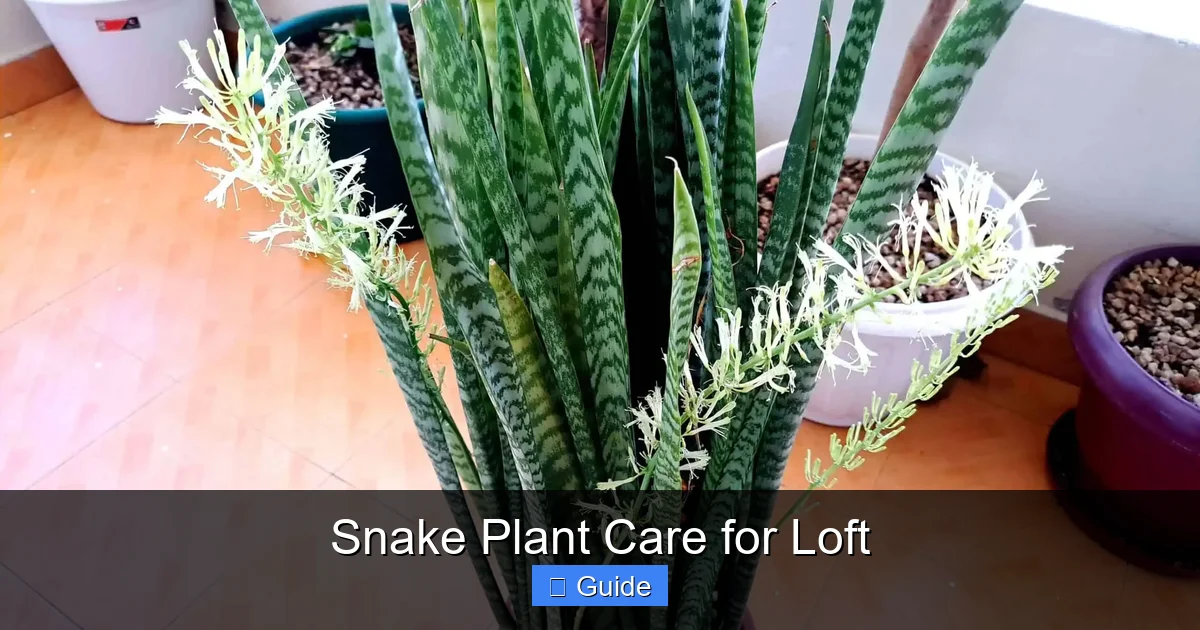
Visual guide about Snake Plant Care for Loft
Image source: hortzone.com
Supplemental Lighting
If your loft has limited natural light during winter, a full‑spectrum LED grow light works well. Position the light 12‑18 inches above the plant and run it for 10‑12 hours daily. This mimics the long daylight hours of the plant’s native regions and supports steady growth.
Signs of Light Stress
Yellowing leaf tips often indicate too much direct sun. Conversely, stretched, pale leaves signal insufficient light. Adjust the plant’s position gradually, moving it a few inches each week until the foliage regains its deep green color.
Watering Strategies for High Ceilings
Check Soil Moisture First
Before watering, insert your finger two inches into the soil. If it feels dry, it’s time to water. In a loft, the air can be drier, so the soil may dry faster than in a basement apartment. However, the plant’s succulent nature means it still prefers a thorough soak followed by a complete dry‑out.
Watering Frequency
During the growing season (spring through early fall), water roughly every two to three weeks. In winter, cut back to once a month or less. Overwatering is the most common cause of root rot, especially when pots sit in decorative trays that trap excess moisture.
Proper Drainage
Choose pots with drainage holes and add a layer of coarse gravel or broken pottery at the bottom. This prevents water from pooling around the roots. If you use a decorative cachepot, remove the inner pot after watering and let it drain fully before returning it.
Soil, Potting, and Drainage Tips
Best Soil Mix
A commercial cactus or succulent mix works well. For extra drainage, blend in 30 % perlite or pumice. This airy mixture replicates the gritty soils of the snake plant’s native African habitats and supports healthy root development.
Repotting Schedule
Repot every two to three years, or when roots emerge from the drainage holes. Spring is the ideal time because the plant enters active growth. Select a pot only one size larger; too much extra soil holds moisture and invites rot.
Pot Material Choices
Terracotta pots wick moisture away, which is beneficial in humid lofts. Glazed ceramic or plastic pots retain water longer, so they suit drier loft climates. Match the pot material to your loft’s typical humidity level for balanced snake plant care for loft conditions.
Temperature, Humidity, and Airflow Considerations
Optimal Temperature Range
Snake plants thrive between 60 °F and 85 °F (15 °C–29 °C). Loft spaces often stay within this range year‑round, but avoid placing the plant near heating vents, radiators, or drafty windows. Sudden temperature swings can cause leaf curling.
Humidity Tolerance
These plants tolerate low humidity well, making them perfect for lofts with central heating. If your loft becomes extremely dry in winter, a occasional misting or a pebble tray with water can raise local humidity without risking fungal issues.
Air Circulation Benefits
High ceilings promote natural convection currents. Good airflow reduces the chance of pests like spider mites and prevents stagnant, humid pockets around the foliage. A low‑speed ceiling fan set on a gentle setting can enhance this effect without drying the plant excessively.
Common Problems and Quick Fixes
Root Rot
Symptoms include mushy, blackened roots and a foul smell. Remove the plant from its pot, trim away affected roots, and repot in fresh, dry soil. Hold off watering for a week to let the remaining roots callous.
Leaf Spot and Fungal Issues
Brown, water‑soaked spots often stem from splashing water on leaves. Water at the soil level only, and improve airflow. If spots spread, apply a copper‑based fungicide following label directions.
Pest Infestations
Mealybugs and spider mites occasionally appear. Wipe leaves with a cotton swab dipped in isopropyl alcohol for mealybugs. For spider mites, increase humidity slightly and spray with neem oil every seven days until the infestation clears.
Slow Growth or Leggy Stems
Insufficient light causes elongated, weak leaves. Move the plant to a brighter spot or add a grow light. Prune any excessively tall leaves at the base to encourage a more compact form.
Propagation: Expand Your Loft Garden
Leaf Cuttings
Cut a healthy leaf into 3‑inch sections. Let the cut ends callous for a day, then place them upright in moist perlite. Keep the medium slightly damp and provide bright, indirect light. Roots and new shoots appear in four to six weeks.
Division
During repotting, gently separate the rhizome clumps. Each division should have at least one leaf fan and a portion of root system. Plant divisions in individual pots with the same well‑draining mix.
Water Propagation
Place leaf sections in a jar of water, ensuring only the bottom inch is submerged. Change water weekly. Once roots reach an inch, transfer to soil. This method lets you watch root development, a fun project for loft dwellers with limited outdoor space.
Seasonal Care Adjustments
Spring Awakening
As daylight lengthens, increase watering frequency slightly and begin a monthly feeding with a half‑strength balanced fertilizer. This fuels new leaf production.
Summer Maintenance
Monitor for heat spikes near large windows. If temperatures exceed 90 °F (32 °C), move the plant a few feet back or add a sheer shade. Continue regular watering but avoid waterlogging.
Fall Transition
Reduce fertilizing and start tapering watering as growth slows. Check for pests before the plant enters its semi‑dormant phase.
Winter Rest
Water sparingly, only when the soil is bone dry. Keep the plant away from cold drafts. No fertilizer is needed until spring returns.
Design Tips: Showcasing Snake Plants in Loft Interiors
Vertical Groupings
Cluster three to five snake plants of varying heights in a row along a exposed brick wall. The architectural foliage echoes the loft’s industrial lines.
Statement Floor Pots
Choose a large, matte‑black or concrete planter for a single mature specimen. The pot becomes a sculptural element, and the plant’s upright leaves add green contrast.
Hanging Planters
While snake plants prefer to sit upright, you can suspend a shallow basket with a young plant near a skylight. Ensure the basket has drainage and the plant receives enough light.
Mixed Succulent Displays
Combine snake plants with other low‑water succulents like haworthia or echeveria in a wide, shallow tray. The varied textures create visual interest without increasing care complexity.
Final Thoughts on Snake Plant Care for Loft Living
Caring for a snake plant in a loft is rewarding and straightforward. The abundant natural light, high ceilings, and open airflow give you a head start. By following the light, water, soil, and temperature guidelines outlined above, you’ll keep your plant healthy for years. Remember to observe your plant regularly, adjust care with the seasons, and enjoy the clean‑air benefits and modern aesthetic this resilient green brings to your loft home.
Frequently Asked Questions
What is the ideal temperature range for a snake plant in a loft?
Snake plants thrive between 60 °F and 85 °F (15 °C–29 °C). Avoid placing them near heating vents or cold drafts.
How do I prevent root rot in a loft setting?
Use pots with drainage holes, a well‑draining soil mix, and water only when the top two inches of soil are dry.
Can snake plants improve air quality in a loft?
Yes, snake plants filter toxins like formaldehyde and benzene, contributing to cleaner indoor air.
Why are my snake plant leaves turning yellow?
Yellowing often signals overwatering or too much direct sun. Check soil moisture and adjust light exposure.
Is misting necessary for snake plants in a dry loft?
Misting is not required; snake plants tolerate low humidity. A pebble tray can help if the air is extremely dry.
When should I repot my snake plant?
Repot every two to three years in spring, or when roots emerge from drainage holes.