Ultimate Guide How to Choose Best Metal for Prayer Plant
Choosing the right metal for your prayer plant ensures healthy growth and lasting beauty. This guide walks you through metal types, key properties, and practical tips so you can pick the best metal for prayer plant containers and supports with confidence.
Quick Answers to Common Questions
Which metal is safest for direct soil contact?
Stainless steel and aluminum with a food‑grade liner are the safest choices for direct soil contact.
Can I use a copper pot for my prayer plant?
Copper can leach ions into acidic soil, so it is not recommended for direct planting. Use copper only as a decorative accent.
How do I prevent a metal pot from overheating?
Place the pot in indirect light, add an insulating liner, or double‑pot with a ceramic inner container.
What maintenance does a galvanized steel stand need?
Inspect the zinc coating yearly, touch up any worn spots with rust‑inhibiting paint, and keep the stand dry.
Is cast iron too heavy for a hanging planter?
Yes, cast iron is very heavy. Choose lightweight aluminum or stainless steel for hanging applications.
Introduction
Welcome to the ultimate guide on how to choose the best metal for prayer plant projects. Whether you need a new pot, a decorative stand, or a trellis, the metal you select affects plant health, longevity, and style. In this guide you will learn the properties of common metals, how to match them to your prayer plant’s needs, and practical steps to make the right choice. By the end you will feel confident picking the best metal for prayer plant applications.
Step 1: Understand Prayer Plant Requirements
Prayer plants thrive in bright indirect light, high humidity, and well‑draining soil. They dislike standing water and extreme temperature swings. The metal container or support must not trap excess moisture or conduct too much heat. Knowing these needs helps you narrow down metal options.
Visual guide about Ultimate Guide How to Choose Best Metal for Prayer Plant
Image source: cdn.shopaccino.com
Moisture Sensitivity
Prayer plant roots rot quickly in soggy conditions. Metals that rust or corrode can release particles into the soil. Choose metals with high corrosion resistance for any part that contacts soil or water.
Temperature Stability
Metal conducts heat. A metal pot in direct sun can overheat roots. Pick metals with lower thermal conductivity or add an insulating liner.
Weight Considerations
Large prayer plants become heavy. A sturdy metal stand prevents tipping. Light metals work for hanging planters but may need extra support.
Step 2: Explore Common Metal Options
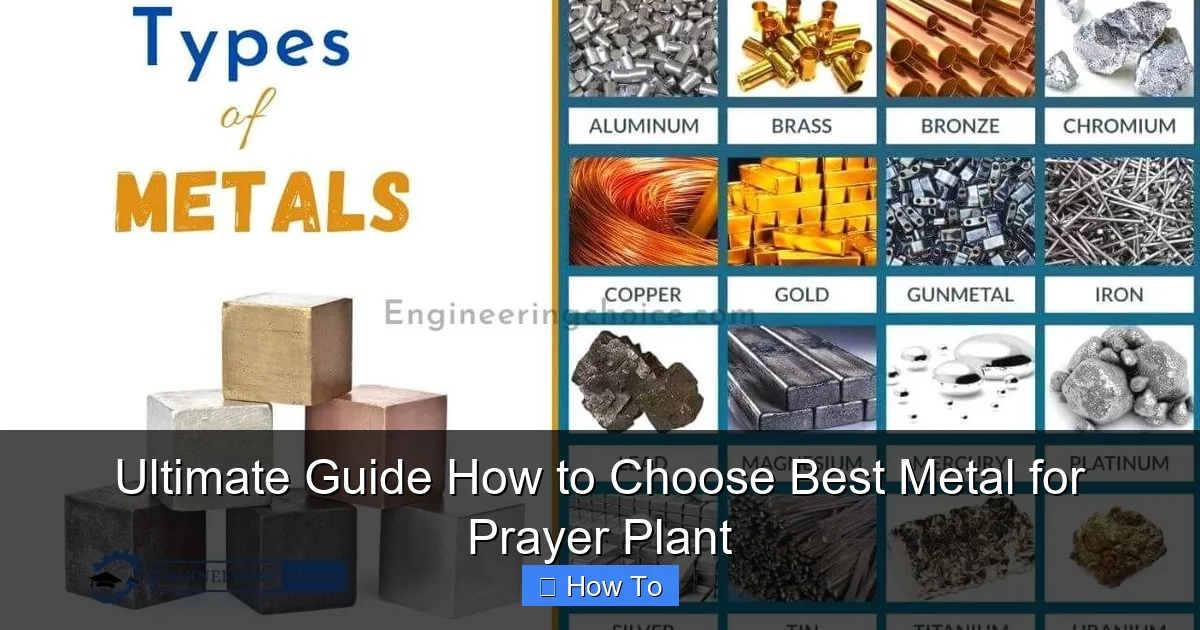
Below are the most popular metals used for plant containers and supports. Each has pros and cons for prayer plant care.
Visual guide about Ultimate Guide How to Choose Best Metal for Prayer Plant
Image source: i.pinimg.com
Stainless Steel
Stainless steel resists rust, does not leach chemicals, and looks modern. It is heavier than aluminum but lighter than cast iron. It is a top candidate for the best metal for prayer plant pots and stands.
Aluminum
Aluminum is lightweight, corrosion‑resistant, and affordable. It conducts heat quickly, so use a liner in sunny spots. It works well for hanging baskets and decorative trellises.
Copper
Copper has antimicrobial properties and a warm patina. However, copper can leach ions into acidic soil, which may harm sensitive roots. Use copper only for decorative accents, not direct soil contact.
Brass
Brass (copper‑zinc alloy) looks elegant but shares copper’s leaching risk. It also tarnishes over time. Best for non‑contact decorative elements.
Galvanized Steel
Galvanized steel has a zinc coating that resists rust. The coating can wear off, exposing steel to moisture. It is strong and inexpensive, good for heavy stands if inspected regularly.
Cast Iron
Cast iron is extremely durable and heavy. It holds heat, which can be a problem in warm rooms. Use cast iron for stationary floor stands where weight adds stability.
Step 3: Evaluate Metal Properties for Prayer Plant Use
Compare each metal against the criteria below. This checklist helps you identify the best metal for prayer plant containers and supports.
Corrosion Resistance
High resistance prevents rust particles in soil. Stainless steel and aluminum score highest. Galvanized steel is moderate; cast iron is low unless coated.
Toxicity and Leaching
Metals that leach ions (copper, brass) risk root damage. Stainless steel, aluminum, and properly coated galvanized steel are safe.
Thermal Conductivity
Low conductivity keeps root zone stable. Stainless steel and cast iron conduct less heat than aluminum or copper.
Weight
Heavy metals (cast iron, stainless steel) add stability. Light metals (aluminum) suit hanging planters.
Aesthetic Appeal
Choose a finish that matches your interior. Brushed stainless steel fits modern spaces. Polished copper adds warmth. Powder‑coated aluminum offers color variety.
Cost
Aluminum and galvanized steel are budget‑friendly. Stainless steel is mid‑range. Copper, brass, and cast iron are premium.
Step 4: Match Metal to Specific Application
Different prayer plant setups need different metals. Use the guide below to pair metal with function.
Pots and Planters
For direct soil contact, pick stainless steel or aluminum with a food‑grade liner. Both are safe, durable, and resist corrosion. They are often cited as the best metal for prayer plant pots.
Plant Stands
Stands bear weight and may sit on damp floors. Stainless steel or powder‑coated galvanized steel provide strength and rust protection. Cast iron works for permanent, heavy stands.
Trellises and Supports
Lightweight aluminum trellises are easy to install and move. Stainless steel trellises last longer outdoors. Avoid copper or brass for climbing stems.
Decorative Accents
Use copper or brass for decorative bands, labels, or artistic frames. Keep them away from soil and water.
Step 5: Consider Budget and Long‑Term Value
Initial cost is only part of the equation. Maintenance, lifespan, and replacement frequency affect total value.
Upfront Cost
Aluminum and galvanized steel cost less per pound. Stainless steel costs more but lasts decades.
Maintenance Expense
Stainless steel needs occasional wiping. Aluminum may need re‑coating if scratched. Galvanized steel requires inspection for zinc wear.
Replacement Frequency
A cheap metal that rusts in two years costs more over time than a pricier metal that lasts ten years. Factor this into your decision for the best metal for prayer plant investment.
Step 6: Plan for Installation and Safety
Proper installation protects both plant and metal.
Use Liners
Place a plastic or coconut coir liner inside metal pots. This stops direct metal‑soil contact and reduces heat transfer.
Ensure Drainage
Drill drainage holes if the metal pot lacks them. Add a layer of gravel before soil to improve flow.
Secure Stands
Anchor tall stands to the wall or use a wide base. This prevents tipping when the prayer plant grows.
Protect Floors
Add felt pads or rubber feet to metal stands. This avoids scratches and reduces moisture trapping.
Step 7: Maintenance Routine
Regular care extends metal life and keeps your prayer plant healthy.
Cleaning
Wipe metal surfaces with a damp cloth monthly. Use mild soap for stainless steel; avoid abrasive cleaners on aluminum.
Inspect for Rust
Check galvanized steel and cast iron every season. Touch up any exposed spots with rust‑inhibiting paint.
Monitor Soil pH
If you use copper or brass accents, test soil pH quarterly. Acidic soil increases leaching risk.
Re‑apply Protective Coatings
Powder‑coated aluminum may chip. Re‑coat chipped areas to maintain corrosion resistance.
Troubleshooting Common Issues
Even with the right metal, problems can arise. Here are quick fixes.
Rust Spots on Pot
Scrub rust with a wire brush, apply a metal primer, then repaint with a plant‑safe coating. Consider switching to stainless steel for a permanent solution.
Overheating Roots
Move metal pot out of direct afternoon sun. Add an insulating sleeve or double‑pot with a ceramic inner pot.
Metal Leaching Symptoms
Yellowing leaves, stunted growth, or burnt leaf tips may indicate metal toxicity. Repot into a non‑metallic container and flush soil with distilled water.
Stand Wobbling
Tighten bolts, add weight to base, or install wall brackets. A stable stand protects the prayer plant from falls.
Conclusion
Choosing the best metal for prayer plant containers, stands, and supports is a balance of plant health, durability, aesthetics, and budget. Stainless steel and aluminum consistently rank highest for safety and longevity. Galvanized steel and cast iron serve well for heavy‑duty stands when maintained. Copper and brass add beauty but should stay decorative. Follow the steps in this guide, match the metal to your specific use, and maintain it regularly. Your prayer plant will thrive in a stylish, secure metal home for years to come.