How to Get Rid of Mold on Potting Soil
Mold on potting soil is common but fixable. This guide shows you how to identify the fuzzy growth, remove it safely, and adjust care habits so it never comes back. Your plants will thank you for the fresh start.
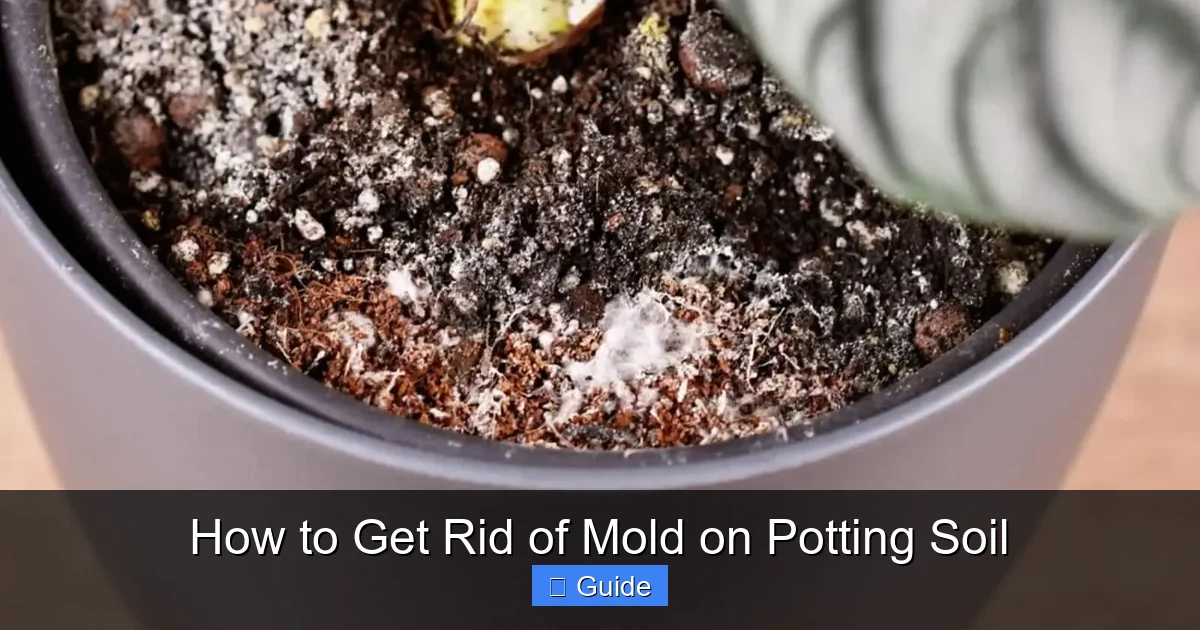
You walk over to your favorite fiddle leaf fig and notice something odd. A white, fuzzy blanket covers the soil surface. Maybe it looks like tiny spider webs. Maybe it has yellow or green patches. Your stomach drops. Is your plant dying? Did you do something wrong?
Take a deep breath. That fuzzy stuff is almost certainly mold on potting soil, and it is one of the most common issues indoor gardeners face. It looks alarming, but it is rarely a death sentence for your plant. In fact, it is usually just a sign that the environment is a little too cozy for fungus. The good news? Learning how to get rid of mold on potting soil is straightforward. You do not need harsh chemicals or a degree in botany. You just need to understand why it happened and take a few practical steps to fix it.
Key Takeaways
- White fuzzy mold is usually harmless saprophytic fungus: It feeds on organic matter, not living plant tissue, but signals excess moisture.
- Scrape off the top layer: Physically removing the moldy soil is the fastest first step to get rid of mold on potting soil.
- Improve drainage and airflow: Wet, stagnant conditions are the root cause; fix these to stop recurrence.
- Use cinnamon as a natural fungicide: A light dusting on the soil surface helps suppress fungal spores.
- Repot with fresh, sterile mix if needed: Heavy infestations or root rot require a complete soil change.
- Water only when the top inch is dry: Overwatering is the number one trigger for mold growth on houseplants.
- Increase light exposure: Brighter locations help soil dry faster and discourage fungus.
Quick Answers to Common Questions
What causes white mold on potting soil?
White mold is caused by saprophytic fungi feeding on organic matter in consistently damp, poorly ventilated, low-light conditions.
Is mold on potting soil harmful to my plant?
The mold itself rarely harms the plant directly, but it indicates overwatering and poor airflow which lead to root rot.
Can I just scrape the mold off the top?
Yes, scraping off the top inch of soil and replacing it with fresh mix is the first step, but you must fix the moisture issue or it will return.
Does cinnamon really kill mold on soil?
Cinnamon is a natural fungicide; a light dusting on the soil surface helps suppress surface mold growth effectively.
How often should I water to prevent mold?
Water only when the top 1-2 inches of soil feel dry to the touch, not on a fixed schedule.
📑 Table of Contents
- What Exactly Is That Fuzzy Stuff?
- Immediate Action: Remove the Visible Mold
- Natural Treatments to Suppress Regrowth
- Fix the Environment: The Real Cure
- When to Repot Completely
- Special Cases: Seedlings, Terrariums, and Outdoor Pots
- Preventing Mold Long Term: Build Better Habits
- Common Myths About Mold on Potting Soil
- Troubleshooting: It Keeps Coming Back
- Conclusion: You’ve Got This
What Exactly Is That Fuzzy Stuff?
Before you panic, let us identify the culprit. Most of the time, the white fuzz on your soil is a saprophytic fungus. That is a fancy way of saying it eats dead organic material. It breaks down bark, peat, and compost in your potting mix. It does not attack healthy plant roots or leaves. Think of it as nature cleanup crew showing up uninvited.
You might also see yellow mold, often called dog vomit slime mold, or greenish patches which could be algae or different fungal species. While they look different, the cause and the cure are largely the same. They all thrive in damp, still, low-light conditions. If you see black sooty mold on the leaves themselves, that is a different issue usually linked to pests like aphids or scale. But mold on potting soil? That is a moisture management problem.
Is It Dangerous to Humans or Pets?
Generally, no. The spores can irritate allergies or asthma in sensitive people if disturbed in large quantities. If you have a compromised immune system, wear a mask and gloves when handling it. For the vast majority of us, it is just unsightly. It is not toxic to touch. However, you do not want to breathe in a cloud of spores. Work in a ventilated area or take the plant outside when you clean it up.
Why Your Plant Does Not Like It Either
Even if the fungus is not parasitic, its presence tells you the soil stays too wet for too long. Constantly soggy soil pushes out oxygen. Roots need oxygen to survive. Without it, they suffocate and rot. So while the mold itself is not eating your plant, the conditions that grew the mold are slowly killing the roots. That is why you must act.
Immediate Action: Remove the Visible Mold
The first step in how to get rid of mold on potting soil is physical removal. You want to get that spore factory off the surface before it spreads further.
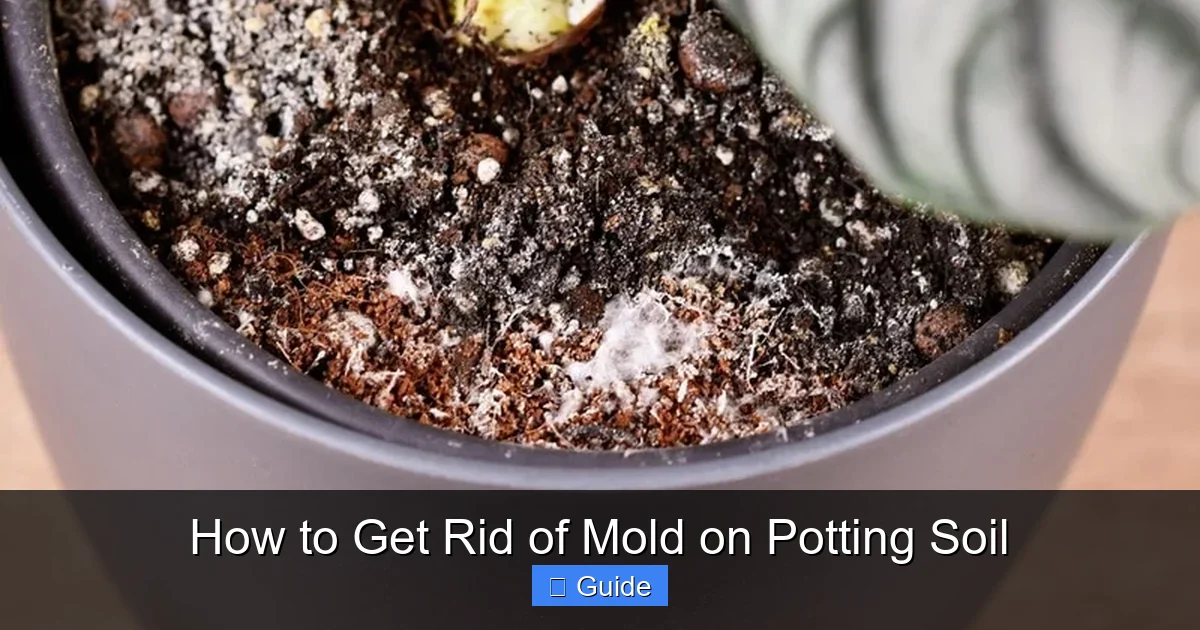
Visual guide about How to Get Rid of Mold on Potting Soil
Image source: housegrail.com
Scrape It Off
Take a spoon, a small trowel, or even a fork. Gently scrape the top half-inch to inch of soil into a bag. Do not just stir it in. That buries the spores deeper where they can keep growing and potentially reach the roots. Seal the bag and toss it in the trash. Do not compost it unless your pile runs very hot. Most home compost bins do not get hot enough to kill fungal spores.
Replace With Fresh Mix
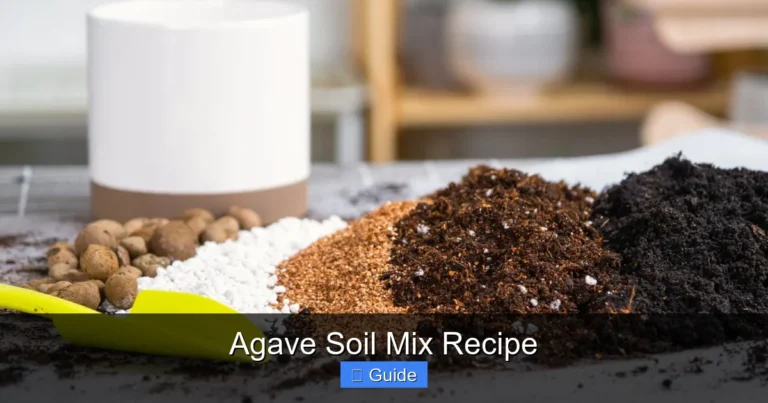
Top off the pot with fresh, sterile potting mix. This gives you a clean surface. It also improves the structure of the top layer, helping it dry faster. Choose a mix with good drainage. Look for ingredients like perlite, pumice, or orchid bark. Avoid heavy, peat-heavy mixes that hold water like a sponge.
Clean the Pot Rim
Spores love to hide on the lip of the pot and the saucer underneath. Wipe them down with a solution of one part bleach to nine parts water, or use hydrogen peroxide straight from the bottle. Let it air dry. This simple step stops immediate re-inoculation.
Natural Treatments to Suppress Regrowth
Once the visible mold is gone, you can apply a natural suppressant. These are gentle, safe for pets and kids, and use things you likely have in your kitchen.
Cinnamon Powder
Cinnamon is a natural fungicide. It smells great and works surprisingly well. After scraping and topping off, sprinkle a thin, even layer of ground cinnamon over the soil surface. Do not cake it on. A light dusting is enough. Reapply after watering if you see fuzz trying to return. This is a favorite trick for a reason. It is cheap, easy, and effective for surface mold.
Baking Soda Spray
Mix one teaspoon of baking soda into one quart of water. Add a few drops of liquid castile soap or dish soap to help it stick. Spray the soil surface lightly. The alkaline pH inhibits fungal growth. Test on a small area first. Some sensitive plants dislike the sodium. Use sparingly.
Apple Cider Vinegar
Mix one tablespoon of apple cider vinegar (with the mother) per gallon of water. Water the plant with this once a month. The acidity helps create an environment less friendly to fungus. Again, go easy. Too much acidity hurts roots.
Hydrogen Peroxide Drench
For a deeper clean, mix one part 3% hydrogen peroxide with four parts water. Water the plant thoroughly with this solution. It fizzes as it releases oxygen. That oxygen kills anaerobic bacteria and fungus in the root zone. It also aerates the soil. Do this once. Wait a week. See how the plant responds. It can stress a plant if done too often.
Fix the Environment: The Real Cure
You can scrape and spray all day, but if you do not change the conditions, the mold will come back. This is the most important part of how to get rid of mold on potting soil permanently. You must make the soil surface an unhappy place for fungus.
Water Less Often
This is the number one fix. Most people water on a schedule. Plants do not run on schedules. They run on moisture levels. Stick your finger into the soil up to the second knuckle. If it feels moist, do not water. Wait until the top inch or two is dry. For succulents and cacti, wait until the pot feels light and the soil is bone dry. Overwatering is the silent killer of houseplants. It invites mold, fungus gnats, and root rot.
Improve Drainage Immediately
Check the bottom of your pot. Does it have drainage holes? If not, drill some or repot into a pot that does. A pot without holes is a swamp waiting to happen. Even with holes, water can pool in the saucer. Empty the saucer within thirty minutes of watering. Never let a plant sit in standing water. Add a layer of coarse gravel or LECA (clay pebbles) at the bottom of the pot to create a drainage reservoir. Mix extra perlite or pumice into your potting soil. Aim for a mix that drains freely but holds some moisture.
Increase Air Circulation
Stagnant air holds humidity against the soil surface. A gentle breeze dries the top layer fast. Run a small fan on low near your plants for a few hours a day. Space your plants out so leaves do not touch. Open a window when weather permits. Good airflow mimics the outdoors. It strengthens stems and discourages mold and pests.
Give More Light
Low light slows photosynthesis. The plant drinks less water. The soil stays wet longer. Move your plant closer to a window. South or west facing is best for most tropicals. If you lack natural light, add a grow light. Even a simple LED bulb in a desk lamp helps. Brighter light means faster growth and faster soil drying. It is a win-win.
Remove Organic Debris
Dead leaves, flower petals, and shed bark on the soil surface are fungus food. Pick them off regularly. Keep the soil surface clean. This removes the fuel for the fire. It also looks nicer.
When to Repot Completely
Sometimes scraping the top is not enough. If the mold goes deep, if you smell a sour, swampy odor, or if the plant looks yellow and wilted despite wet soil, you likely have root rot. The fungus has moved from the surface to the roots. You need a full reset.
Signs You Need to Repot
- Mold returns quickly after scraping.
- Soil stays wet for more than a week.
- Plant is wilting but soil is wet.
- Rooms are brown, black, or mushy when you check.
- Fungus gnats are flying around (they breed in wet, fungus-rich soil).
- The potting mix has broken down into mud.
How to Repot the Right Way
Gently remove the plant from its pot. Shake off as much old soil as you can. Rinse the roots with lukewarm water if they are coated in muck. Inspect the roots. Healthy roots are firm and white or tan. Rotten roots are brown, black, mushy, and smell bad. Snip off all rotten roots with sterilized scissors. Clean the pot with bleach solution or use a new one. Repot into fresh, well-draining mix. Water lightly with the hydrogen peroxide mix mentioned earlier. Place in bright, indirect light. Do not fertilize for a month. Let the plant recover.
Choosing the Best Potting Mix to Prevent Mold
Not all bagged soil is created equal. Cheap mixes are often mostly fine peat moss. They compact, hold too much water, and break down fast. Look for mixes labeled for indoor plants, aroids, or succulents. Better yet, make your own. A classic recipe: two parts high-quality peat or coco coir, one part perlite, one part orchid bark or pumice. Add a handful of horticultural charcoal. Charcoal absorbs impurities and keeps the mix sweet. This mix drains fast, holds air, and resists compaction. Mold hates it. Roots love it.
Special Cases: Seedlings, Terrariums, and Outdoor Pots
The advice above works for most houseplants. But some situations need a tweak.
Seed Starting Trays
Seedlings need constant moisture to germinate. That is a mold paradise. Use a sterile seed starting mix, not potting soil. Bottom water only. Remove humidity domes for an hour a day to vent. Run a fan on low once seeds sprout. Sprinkle cinnamon on the surface at sowing time. If mold appears, scrape it, increase air, and let the surface dry slightly between waterings.
Closed Terrariums
By design, these are humid. Some mold is normal during establishment. Springtails and isopods (cleanup crew bugs) eat mold and keep it in check. If mold takes over, open the lid for a few hours daily. Remove affected leaves or wood. Wipe the glass. Reduce watering. A balanced bioactive terrarium handles its own mold.
Outdoor Container Gardens
Rain and humidity make outdoor pots prone to mold. Ensure pots have large drainage holes. Use feet or pot risers so water escapes freely. Mulch the surface with gravel or bark nuggets. This shades the soil, reduces splash, and dries fast. In rainy seasons, move pots under cover if possible.
Preventing Mold Long Term: Build Better Habits
You have cleaned the pot. You fixed the drainage. You moved the plant to a brighter spot. Now, keep it that way. Prevention is easier than cure.
Adopt the Finger Test
Make it a ritual. Every few days, stick your finger in the soil. Only water when dry. No exceptions. No calendar reminders. The plant tells you when it is thirsty. Listen to it.
Use a Moisture Meter If You Must
If you hate dirty fingers or have many plants, a cheap moisture meter helps. Probe the root zone. Water when the meter reads dry or low. Calibrate it by testing a known dry pot and a known wet pot first. They are not perfect, but they are better than guessing.
Top Dress With Inorganic Mulch
A half-inch layer of pea gravel, lava rock, or expanded clay pebbles on the soil surface works wonders. It lets water through but blocks light from the soil. It dries instantly. It looks clean. Fungus gnats cannot lay eggs in it. It is a physical barrier against mold.
Quarantine New Plants
Every new plant from the store comes with hitchhikers. Fungus gnats, spider mites, and yes, mold spores. Keep new plants isolated for two weeks. Inspect daily. Treat proactively with neem oil or insecticidal soap if you see pests. Repot into your own trusted mix if the nursery soil looks dense or stays wet.
Seasonal Adjustments
Plants drink less in winter. Light is lower. Growth slows. Cut watering frequency by half or more. Do not fertilize in winter. Keep plants away from cold drafts and heating vents. Both stress the plant and mess with soil moisture. In summer, they may need water twice as often. Adjust constantly.
Common Myths About Mold on Potting Soil
Let us clear up some bad advice floating around the internet.
Myth: You Must Sterilize Soil in the Oven
Baking soil at 180°F for 30 minutes kills everything. Good and bad. It destroys beneficial microbes that protect roots. It can release toxins from organic matter. It smells terrible. It is unnecessary for houseplants. Just buy fresh, quality mix.
Myth: Sprinkle Cinnamon Heavily Like Frosting
A thick cake of cinnamon repels water. The soil underneath stays bone dry while the surface molds anyway. Light dusting. That is the way.
Myth: Mold Means The Soil Is Bad
Mold means the conditions are wet. Even the best soil molds if you overwater. Even cheap soil stays clean if you manage moisture well. Focus on your habits, not just the bag.
Myth: Hydrogen Peroxide Kills All Good Bacteria
A dilute drench (1:4) is safe for beneficial microbes. It targets anaerobic pathogens. It adds oxygen. Used occasionally, it is a tool, not a nuke.
Myth: You Should Water From The Bottom Only
Bottom watering is great for preventing wet leaves and fungus gnats. But it can leave the top inch bone dry while the bottom is soaked. Roots follow water. You get shallow roots. Top water occasionally to flush salts and wet the full profile. Let the top dry.
Troubleshooting: It Keeps Coming Back
You tried everything. Scraped. Cinnamon. Fan. Less water. Brighter light. And there it is again. The white fuzz mocks you. Do not give up. Check these hidden culprits.
Check the Saucer and Cache Pot
Is the decorative outer pot holding water? Does the saucer never fully dry? That humidity wicks up into the soil. Empty them religiously. Use pot feet inside cache pots so the inner pot does not sit in drainage water.
Check the Soil Depth
Is the plant in a huge pot with a tiny root ball? That excess soil stays wet because there are no roots to drink it. Downsize the pot. Roots should fill the container. A snug pot dries evenly. A massive pot stays swampy in the bottom.
Check for Hydrophobic Soil
Peat-based mixes can become hydrophobic. They repel water. You water, it runs down the sides, the center stays dry, the bottom stays wet. The surface molds from the runoff moisture. If water beads on top or runs straight through, submerge the pot in a bucket of water for 20 minutes. Let it soak up. Then drain fully. Add a wetting agent or repot with coir-based mix.
Check Your Water Quality
Softened water adds sodium. It destroys soil structure. It makes soil seal over and stay wet. Use rainwater, distilled, or filtered water. Let tap water sit overnight to off-gas chlorine. Your soil structure will thank you.
Conclusion: You’ve Got This
Mold on potting soil is a nuisance, not a catastrophe. It is a message from your plant’s environment. Too wet. Too still. Too dark. You now know exactly how to get rid of mold on potting soil and, more importantly, how to keep it gone. Scrape the surface. Apply a little cinnamon. Fix the drainage. Water less. Add air and light. Build the habit of checking before you pour.
Your plants want to thrive. They are resilient. Give them the right conditions, and they will reward you with new growth, glossy leaves, and clean, fresh-smelling soil. The fuzzy white blanket? It will become a distant memory. You are not just a plant owner. You are a habitat manager. And you just leveled up.
Frequently Asked Questions
Can I reuse potting soil that had mold?
Yes, you can reuse it if you sterilize it first. Spread the soil on a tarp in full sun for several days, turning it often, or bake small batches at 180°F for 30 minutes. Mix in fresh compost and perlite afterward to restore structure.
Why does my soil get moldy even though I water correctly?
Your potting mix may be too dense or broken down, preventing drainage. Repot with a chunkier mix containing more perlite, bark, or pumice. Also check that your pot has adequate drainage holes and isn’t sitting in a water-filled saucer.
Will a fan help get rid of mold on potting soil?
Yes, a small fan on low setting placed near your plants increases air circulation. This helps the soil surface dry faster between waterings, creating an environment where mold spores cannot easily germinate.
Are the tiny flies coming from my moldy soil?
Those are likely fungus gnats. Their larvae feed on fungus and organic matter in wet soil. Let the soil dry out more between waterings, use yellow sticky traps for adults, and apply mosquito bits (Bti) to the soil to kill larvae.
Can I use vinegar to kill mold on plant soil?
Diluted apple cider vinegar (1 tablespoon per gallon of water) can help acidify the surface and deter mold. Use it sparingly, as too much acidity can harm plant roots and beneficial soil microbes over time.
Should I repot a plant if the mold keeps coming back?
If mold returns quickly after scraping and environmental changes, or if you notice a sour smell and mushy roots, a full repot is necessary. Remove all old soil, trim rotten roots, disinfect the pot, and plant in fresh, well-draining mix.