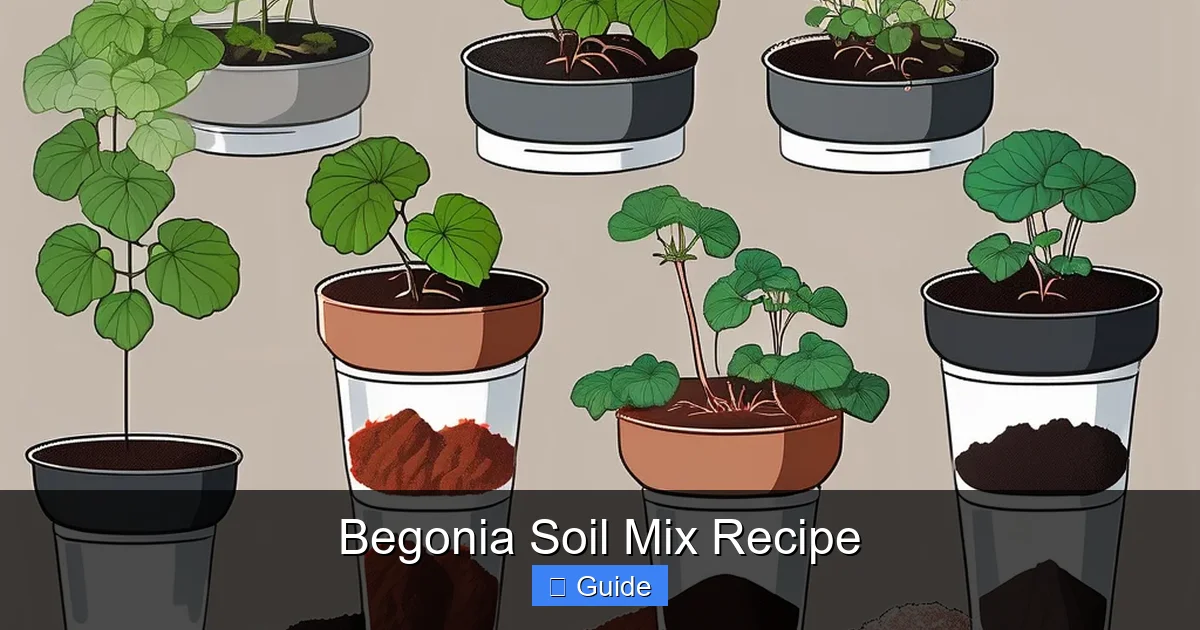
Begonia Soil Mix Recipe
Creating the right begonia soil mix recipe ensures your plants get the drainage, aeration, and nutrients they need. Follow this simple guide to blend peat, perlite, and compost for a thriving begonia garden.
Welcome to the ultimate guide on the begonia soil mix recipe. This guide walks you through every step. You will learn why the mix matters. You will discover the best ingredients. You will see how to blend them. You will also get tips for different begonia types. Let’s get started.
Key Takeaways
- Use a well‑draining base: Peat moss or coconut coir holds moisture without soggy roots.
- Add perlite or pumice: These lightweight minerals create air pockets for healthy root growth.
- Incorporate compost or worm castings: Organic matter supplies steady nutrition.
- Adjust pH to slightly acidic: Aim for 5.5‑6.5 for optimal begonia uptake.
- Test moisture before watering: Prevent overwatering by feeling the top inch of mix.
- Refresh the mix annually: Replace old media to avoid salt buildup and compaction.
Quick Answers to Common Questions
What is the best base for a begonia soil mix recipe?
Peat moss or coconut coir works best as a moisture‑holding base.
How much perlite should I add?
Use roughly one part perlite to two parts base for good aeration.
Can I use garden soil in the mix?
Garden soil alone compacts; blend it with perlite and peat for drainage.
When should I refresh the mix?
Replace or refresh the begonia soil mix recipe once a year in spring.
What pH do begonias prefer?
A slightly acidic pH of 5.5 to 6.5 is ideal for begonias.
📑 Table of Contents
Why Soil Mix Matters for Begonias
Root Health
A good begonia soil mix recipe gives roots room to breathe. Compact soil blocks air. Roots need oxygen to grow. When air flows roots stay strong. Strong roots take up water fast. Healthy roots mean bright leaves. A loose begonia soil mix recipe encourages deep root penetration. Deep roots anchor the plant. Anchored plants resist wind. Wind can topple weak pots. A stable begonia soil mix recipe keeps the pot upright.
Water Management
The right begonia soil mix recipe holds just enough moisture. Too much water causes rot. Too little water causes wilt. A balanced mix keeps the soil damp but not soggy. Check the top inch before you water. This simple test saves plants. A well‑drained begonia soil mix recipe prevents standing water. Standing water invites fungus. Fungus spreads quickly. Quick action stops damage.
Nutrient Availability
Nutrients move through a well‑structured begonia soil mix recipe. Organic matter releases food slowly. Minerals stay available longer. Plants get steady nutrition. Steady nutrition supports blooms. Blooms last longer when fed well. A nutrient‑rich begonia soil mix recipe reduces the need for frequent fertilizing. Less fertilizing means less salt buildup. Salt buildup harms roots. Healthy roots absorb more.
Disease Prevention
Clean begonia soil mix recipe reduces fungal risk. Sterile components stop pathogens. Good drainage stops standing water. Standing water invites mold. Mold harms leaves and stems. A clean mix keeps disease away. Regularly inspect the begonia soil mix recipe for signs of trouble. Early detection saves the plant.
Core Ingredients of a Winning Begonia Soil Mix Recipe
Peat Moss or Coconut Coir
Peat moss is a classic base for a begonia soil mix recipe. It holds water well. It stays light. Coconut coir works the same way. Coir is renewable. Choose one that fits your budget. Both give a soft texture. A soft base cushions delicate roots. Cushioned roots grow faster. Faster growth leads to earlier blooms.
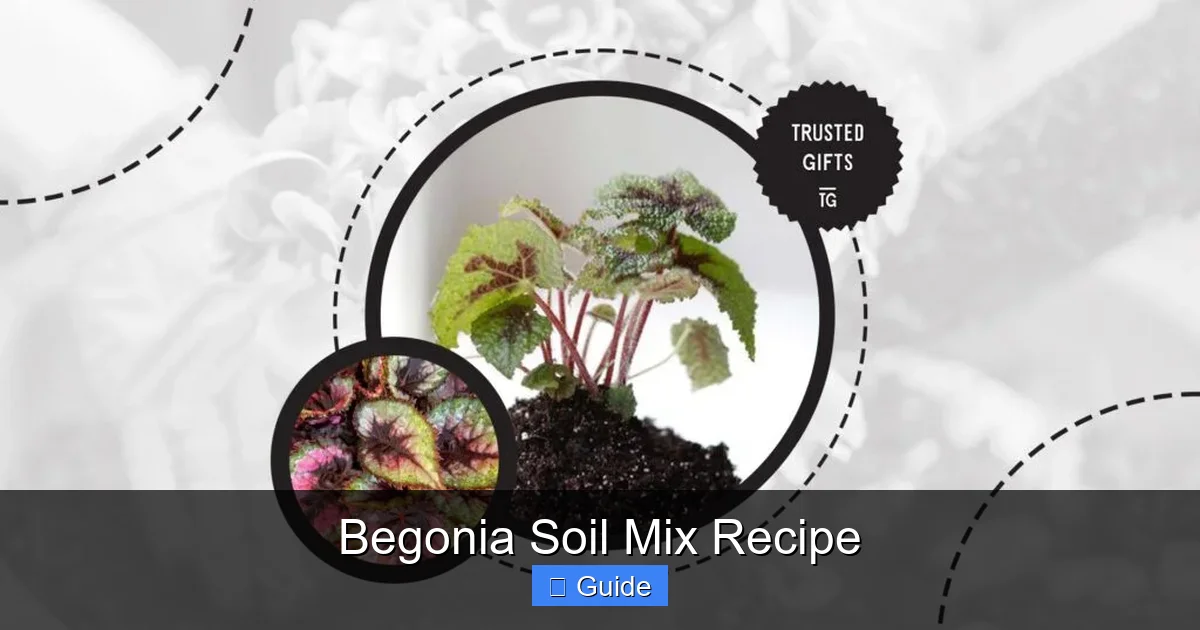
Visual guide about Begonia Soil Mix Recipe
Image source: trustedgiftreviews.com
Perlite or Pumice
Perlite adds white granules to a begonia soil mix recipe. It creates air pockets. Pumice does the same job. Both are lightweight. They do not break down fast. They keep the mix loose for years. Loose mix improves drainage. Good drainage prevents root rot. Root rot kills begonias quickly.
Compost or Worm Castings
Compost feeds a begonia soil mix recipe with natural nutrients. Worm castings are even richer. They add beneficial microbes. Microbes break down organic matter. This process releases nitrogen. Nitrogen fuels leaf growth. Leaf growth drives photosynthesis. Photosynthesis powers the whole plant.
Fine Bark or Orchid Mix
Fine bark improves structure in a begonia soil mix recipe. It adds larger particles. Larger particles increase drainage. Orchid mix often contains bark and charcoal. Charcoal absorbs excess salts. This keeps the mix fresh. Fresh mix supports steady growth. Steady growth yields more flowers.
Limestone for pH Balance
Begonias prefer slightly acidic soil. A begonia soil mix recipe often needs a pinch of limestone. Limestone raises pH gently. Test pH after mixing. Aim for 5.5 to 6.5. Correct pH helps nutrient uptake. Nutrient uptake drives vigor. Vigor shows in glossy leaves.
Step‑by‑Step Mixing Instructions
Gather Your Materials
Collect peat moss perlite compost limestone and a clean container. Measure each part with a scoop. A simple ratio works well. Use two parts peat one part perlite one part compost. Add a teaspoon of limestone per gallon. This ratio creates a balanced begonia soil mix recipe. Balanced mixes perform reliably.
Moisten the Base
Lightly dampen peat before mixing. Dry peat repels water. A moist base blends easier. Use a spray bottle. Stop when the peat feels damp not wet. This step prevents dust. Dust can irritate lungs. Clean air keeps you healthy.
Combine Dry Ingredients
Pour peat perlite and compost into the container. Stir with a trowel. Mix until color looks even. No clumps should remain. Even distribution ensures consistent performance. Consistent performance means predictable results.
Add Limestone
Sprinkle limestone over the blend. Stir again. Limestone disperses slowly. It will adjust pH over time. Do not add too much. A little goes a long way. Too much limestone raises pH too high. High pH locks nutrients.
Test Moisture
Grab a handful of the mix. Squeeze gently. It should hold shape then crumble. If it stays tight add more perlite. If it falls apart add a touch more peat. This test confirms texture. Good texture supports healthy roots.
Store or Use Immediately
Transfer the finished begonia soil mix recipe to a sealed bag. Label the bag with date. Store in a cool dry place. Use within six months for best results. Fresh mix gives the best start. Old mix loses structure. Structure loss leads to compaction.
Customizing the Mix for Different Begonia Types
Rhizomatous Begonias
Rhizomatous types like a richer begonia soil mix recipe. Add extra compost. Increase organic matter to twenty percent. This feeds the thick rhizomes. Keep drainage high with perlite. High drainage prevents rot. Rot kills rhizomes fast.
Fibrous‑Rooted Begonias
Fibrous rooted varieties prefer a lighter begonia soil mix recipe. Reduce compost to ten percent. Increase perlite to thirty percent. This gives quick drainage. Roots stay airy and healthy. Airy roots absorb nutrients fast.
Trailing Begonias
Trailing forms need a stable begonia soil mix recipe. Add fine bark for structure. Bark holds the plant in place. Keep moisture moderate. Avoid soggy bottom. Soggy bottom causes stem rot.
Indoor vs Outdoor
Indoor plants benefit from a sterile begonia soil mix recipe. Bake peat at low heat to kill pests. Outdoor mixes can include garden loam. Loam adds weight for wind resistance. Weight keeps pots from tipping.
Seasonal Adjustments
In winter lower watering frequency. Add a bit more perlite to the begonia soil mix recipe. This prevents cold wet roots. In summer increase compost for extra nutrition. Extra nutrition fuels blooming.
Common Mistakes and How to Fix Them
Using Garden Soil Alone
Garden soil compacts in a pot. It lacks the aeration of a begonia soil mix recipe. Fix by blending garden soil with perlite and peat. This restores drainage. Restored drainage saves roots.
Overwatering
Too much water drowns roots. A proper begonia soil mix recipe drains fast. Check moisture before each watering. Let the top inch dry. This simple habit saves plants. Saved plants thrive.
Ignoring pH
Wrong pH locks nutrients. Test pH after mixing a begonia soil mix recipe. Adjust with limestone or sulfur. Correct pH unlocks food for the plant. Unlocked food drives growth.
Skipping Refresh
Old mix builds salts. Salts burn roots. Replace the begonia soil mix recipe each year. Fresh mix restores balance. Your begonias will thank you. Thank you means more blooms.
Using Too Much Fertilizer
Heavy feeding burns tender roots. A balanced begonia soil mix recipe supplies slow release food. Add liquid fertilizer at half strength. Feed only during active growth. Active growth needs steady fuel.
Maintaining and Refreshing Your Mix Over Time
Annual Repotting
Repot begonias each spring. Shake off old begonia soil mix recipe. Inspect roots for rot. Trim dead roots. Place plant in fresh mix. Water lightly after repotting. Light watering settles the mix.
Top‑Dressing
Between repotting add a thin layer of compost. This refreshes nutrients without disturbing roots. Top‑dressing extends the life of the begonia soil mix recipe. Extended life saves effort.
Monitoring Salt Buildup
White crust on the surface signals salts. Flush the pot with clear water. Let excess drain. Repeat monthly. This keeps the begonia soil mix recipe healthy. Healthy mix means happy plants.
Checking Aeration
Press a finger into the mix. It should spring back. If it feels dense add perlite. Good aeration is key for a thriving begonia soil mix recipe. Thriving plants bloom more.
Record Keeping
Write down the date you mixed each batch. Note any amendments. Records help you replicate success. A simple log improves future begonia soil mix recipe results. Better results equal more joy.
Conclusion
You now have a complete blueprint for a perfect begonia soil mix recipe. Choose quality ingredients. Follow the step‑by‑step guide. Customize for your begonia type. Avoid common pitfalls. Refresh the mix each year. Your begonias will reward you with lush foliage and bright blooms. Happy planting.
Frequently Asked Questions
How do I test the pH of my begonia soil mix recipe?
Use a simple soil pH meter or test kit. Insert the probe into the moist mix and read the value. Adjust with limestone or sulfur as needed.
Can I make a begonia soil mix recipe without peat?
Yes, coconut coir or a blend of compost and perlite can replace peat. The goal is a light, moisture‑retentive base.
What is the ideal ratio for a begonia soil mix recipe?
A common ratio is two parts peat, one part perlite, one part compost, plus a pinch of limestone. Adjust ratios for specific begonia types.
How often should I water begonias in this mix?
Water when the top inch of the begonia soil mix recipe feels dry. Frequency depends on temperature and humidity.
Do I need to sterilize the ingredients?
Sterilizing peat or compost reduces pests and diseases. Bake peat at 180°F for 30 minutes or buy pre‑sterilized products.
Can I reuse old begonia soil mix recipe?
Reusing is possible if you refresh it with new compost and perlite. Remove salts by flushing and test pH before reuse.