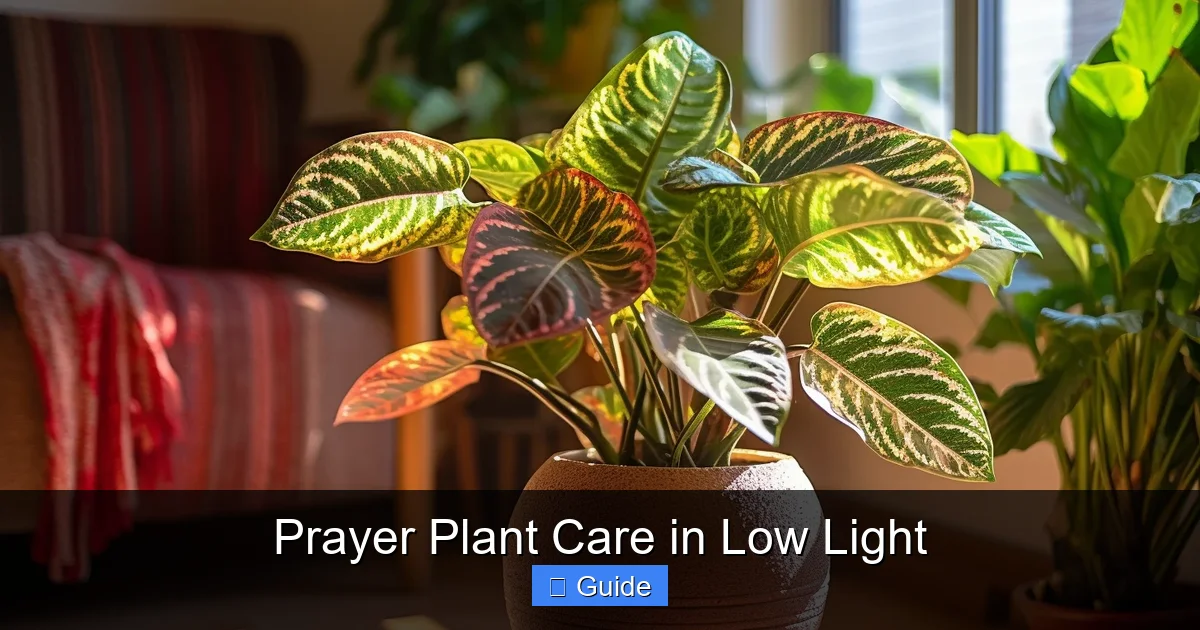
Prayer Plant Care in Low Light
Prayer plants can survive in low light with the right adjustments to watering, humidity, and care routines. This guide shares proven strategies to keep your Maranta healthy and vibrant even in dim corners of your home.
You bought a beautiful prayer plant. You found the perfect spot on a bookshelf in your living room. It looks stunning there. But wait. That corner gets almost no direct sun. You start to worry. Will your new plant survive? Will those gorgeous leaves keep their pattern? Will it stop praying at night?
Here is the good news. Prayer plants are more adaptable than most people think. They originate from the floor of Brazilian rainforests. There they grow under a thick canopy. Very little direct light reaches them. This means they have evolved to handle lower light conditions. But survival is not the same as thriving. To keep your prayer plant happy in a dim spot you need to adjust your care routine. This guide covers everything you need to know about prayer plant care in low light.
Key Takeaways
- Prayer plants tolerate low light but grow slower: They survive in dim conditions but need bright indirect light for optimal growth and vibrant leaf patterns.
- Water less frequently in low light: Reduced photosynthesis means the soil stays wet longer. Always check the top inch before watering.
- High humidity becomes critical: Low light areas often have dry air. Use a humidifier or pebble tray to maintain 50-60% humidity.
- Rotate the plant weekly: This ensures even growth and prevents the plant from leaning toward the light source.
- Watch for leggy growth and faded colors: These are signs your prayer plant needs more light. Consider a grow light if natural light is insufficient.
- Fertilize sparingly in winter: Low light reduces nutrient needs. Feed at half strength monthly during growing season only.
- Clean leaves regularly: Dust blocks precious light. Wipe leaves with a damp cloth monthly to maximize photosynthesis.
Quick Answers to Common Questions
Can prayer plants survive in low light?
Yes, prayer plants can survive in low light conditions, but they will grow slower, produce smaller leaves, and may lose some of their vibrant leaf patterns. They need at least enough light to read a book comfortably during the day.
How often should I water a prayer plant in low light?
Water only when the top 1-2 inches of soil feel dry. In low light, this typically means every 10-14 days in summer and every 3-4 weeks in winter. Always check the soil before watering rather than following a fixed schedule.
Do prayer plants need a humidifier in low light?
Yes, a humidifier is highly recommended. Low light areas often have dry air, and prayer plants need 50-60% humidity to prevent crispy leaf edges and curling. Misting is not an effective substitute for a humidifier.
Should I fertilize my prayer plant in low light?
Fertilize at quarter strength once a month during spring and summer only. Stop completely in fall and winter. Low light reduces the plant’s ability to use nutrients, so excess fertilizer causes salt buildup and root burn.
What are signs my prayer plant needs more light?
Leggy stretched stems, fading leaf patterns, very slow or no new growth, smaller new leaves, loss of the nightly prayer movement, and root rot despite careful watering all indicate insufficient light.
📑 Table of Contents
- Understanding Your Prayer Plant’s Light Needs
- Signs Your Prayer Plant Isn’t Getting Enough Light
- Best Low Light Locations for Prayer Plants
- Watering and Humidity in Low Light Conditions
- Soil and Fertilizer Adjustments for Low Light
- Troubleshooting Common Low Light Problems
- Using Grow Lights for Prayer Plants
- Seasonal Care Adjustments
- Propagation in Low Light
- Design Tips for Low Light Prayer Plants
- Common Myths About Prayer Plant Care in Low Light
- Conclusion
Understanding Your Prayer Plant’s Light Needs
Before we dive into care tips let’s talk about what low light actually means. Many plant owners confuse low light with no light. There is a big difference.
What Counts as Low Light
Low light does not mean a dark closet. It means a spot where you could comfortably read a book during the day without turning on a lamp. It is usually several feet away from a north-facing window. Or it might be near an east-facing window but blocked by a sheer curtain. It could be in the center of a room with windows on one side only.
If you cannot read a book in that spot without a light on it is too dark. No plant can photosynthesize in true darkness. Your prayer plant needs some light to make food. Without it the plant will slowly starve.
How Prayer Plants Adapt to Shade
In their native habitat prayer plants grow on the forest floor. Tall trees block most sunlight. The plants receive dappled filtered light. This is bright indirect light not deep shade. They have large thin leaves to capture every photon. Their leaves move throughout the day. This movement is called nyctinasty. The leaves fold up at night like praying hands. During the day they lay flat to catch light. This adaptation helps them survive in dim conditions.
But there is a limit. In very low light the plant cannot produce enough energy. It will stop growing new leaves. Existing leaves may lose their vibrant patterns. The plant becomes leggy as it stretches toward any light source. Understanding this helps you set realistic expectations.
Varieties That Handle Low Light Best
Not all prayer plants are equal. Some varieties tolerate lower light better than others. The classic Maranta leuconeura ‘Erythroneura’ (red prayer plant) is quite adaptable. The ‘Kerchoveana’ (green prayer plant) also does well. Maranta leuconeura ‘Massangeana’ (black prayer plant) handles shade reasonably well. Calathea species are often grouped with prayer plants but they are more demanding. They generally need brighter light to maintain their patterns. If you know you have a dim spot choose a green variety. They have more chlorophyll and photosynthesize more efficiently in low light.
Signs Your Prayer Plant Isn’t Getting Enough Light
Your plant will tell you if it is unhappy. You just need to know the language. Here are the clear signals that your prayer plant needs more light.
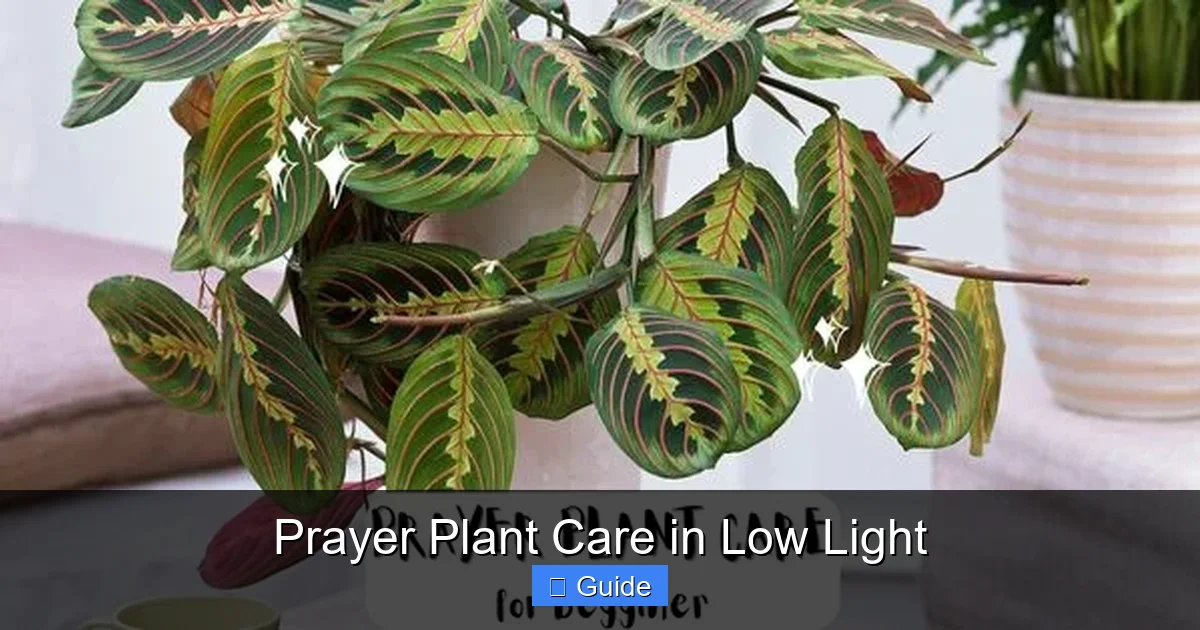
Visual guide about Prayer Plant Care in Low Light
Image source: homegardenfirst.com
Leggy Stretched Growth
This is the most obvious sign. The stems become long and thin. The spaces between leaves (internodes) grow wider. The plant looks sparse and scraggly. It is literally reaching for light. In nature this helps the plant find a gap in the canopy. In your home it just looks unhealthy. Once a stem grows leggy it will not shrink back. You would need to prune it and hope for bushier new growth.
Fading Leaf Patterns
Prayer plants are prized for their stunning leaf patterns. Red veins. Dark green spots. Silvery stripes. These patterns need light to develop. In low light the plant produces more chlorophyll to compensate. The leaves turn a deeper solid green. The beautiful contrast fades. The plant is not dying. It is just prioritizing survival over beauty. If you bought the plant for its pattern this is disappointing.
Slow or No New Growth
During growing season (spring and summer) a healthy prayer plant puts out new leaves regularly. In low light growth slows dramatically. You might go months without a single new leaf. The plant is conserving energy. It is in survival mode. This is not necessarily bad if you are happy with the current size. But it means the plant will not fill out or become bushier.
Smaller New Leaves
When new leaves do appear they may be smaller than usual. They might also be thinner and more delicate. The plant does not have the energy reserves to produce full-size foliage. Compare new leaves to older ones. A noticeable size reduction is a clear low light indicator.
Loss of Prayer Movement
The signature folding movement requires energy. In very low light the plant may stop praying. The leaves stay flat day and night. Or they may only fold partially. This is a late-stage sign. It means the plant is severely energy-deprived. If you see this consider moving the plant immediately or adding a grow light.
Root Rot Despite Careful Watering
This surprises many owners. In low light the plant uses less water. The soil stays wet longer. Even if you water on your usual schedule the roots may sit in moisture too long. This leads to root rot. If you are experiencing root rot but you swear you are not overwatering low light might be the culprit. The plant simply cannot drink fast enough.
Best Low Light Locations for Prayer Plants
Location is everything. A few feet can make a huge difference. Let’s explore the best spots in a typical home.
North-Facing Windows
North windows provide consistent gentle light all day. They never get direct sun. This is actually ideal for prayer plants. Place the plant 2-3 feet from the window. Right on the sill might be too intense in summer. A few feet back gives perfect bright indirect light. If the window is large the plant can be further back. Small window? Keep it closer.
East-Facing Windows with Sheer Curtains
East windows get gentle morning sun. This is usually fine for prayer plants. But in summer the morning sun can be strong. A sheer curtain diffuses it beautifully. The plant gets bright filtered light for several hours. Then it enjoys shade for the rest of the day. This mimics the forest floor perfectly.
Several Feet from South or West Windows
South and west windows are intense. Direct sun will scorch prayer plant leaves in minutes. But the area 5-8 feet back from these windows can be lovely. The light is bright but indirect. Use a light meter app on your phone if you are unsure. Aim for 100-200 foot-candles for low light tolerance. 200-400 is better for growth.
Bathrooms with Frosted Windows
Bathrooms are often recommended for prayer plants. The humidity is high. But many bathrooms have small frosted windows. The light level can be very low. If your bathroom has a decent sized frosted window it might work. If the window is tiny or the bathroom is windowless skip it. The humidity boost is not worth the light sacrifice. You can add humidity elsewhere.
Under Skylights
Skylights provide excellent overhead light. This mimics the forest canopy gaps. The light comes from above so the plant grows upright and even. No rotation needed. Just make sure the skylight has a UV filter or the glass is tinted. Direct overhead sun through clear glass can burn leaves.
What to Avoid
Avoid corners far from any window. Avoid windowless hallways. Avoid spots blocked by large furniture. Avoid the top of tall bookshelves unless there is a window nearby. The top of a fridge is a classic bad spot. It is dark and the heat from the compressor dries the air. Just because a spot looks decorative does not mean it works for a living plant.
Watering and Humidity in Low Light Conditions
This is where most people go wrong. They keep watering on the same schedule. But low light changes everything.
The Golden Rule: Check Before You Water
Throw away your watering schedule. In low light the soil dries much slower. The plant transpires less. Photosynthesis is slower. Water uptake drops. Stick your finger in the soil. Check the top inch or two. Only water when it feels dry. This might mean watering every 10-14 days instead of weekly. In winter it could be three weeks. The schedule changes with seasons and weather. The finger test never lies.
Bottom Watering for Consistency
Bottom watering is excellent for low light prayer plants. Place the pot in a basin of water. Let it soak for 15-20 minutes. The soil wicks up exactly what it needs. No soggy top layer. No dry pockets. Remove the pot and let it drain thoroughly. This method prevents the chronic overwatering that kills low light plants. It also keeps water off the leaves which prevents fungal spots.
Water Quality Matters More in Low Light
Prayer plants are sensitive to tap water chemicals. Chlorine fluoride and salts build up in soil. In bright light the plant grows fast and tolerates some buildup. In low light growth is slow. The plant sits in the same soil longer. Toxins accumulate. Use filtered water rainwater or distilled water. If you must use tap water let it sit out overnight. This dissipates chlorine but not fluoride. A simple carbon filter pitcher works well.
Humidity: The Non-Negotiable
Low light areas often have low humidity. Especially in winter with heating on. Prayer plants need 50-60% humidity minimum. Below 40% you get crispy leaf edges. Brown tips. Curling leaves. The plant cannot replace lost moisture fast enough in low light. A humidifier is the best solution. Run it near the plant. Group plants together to create a microclimate. A pebble tray helps but only raises humidity a few percent. Misting is ineffective and promotes fungal issues. Invest in a $30 humidifier. Your plant will thank you.
Temperature Stability
Low light spots are often near windows. Windows get cold at night. Drafts stress the plant. Keep temperatures between 65-80°F (18-27°C). Avoid placing the plant right against cold glass. Avoid heating vents. Avoid AC drafts. Consistent temperature reduces stress. A stressed plant in low light declines fast.
Soil and Fertilizer Adjustments for Low Light
The right soil mix prevents root rot. The right fertilizer schedule prevents salt buildup. Both are critical in low light.
Fast-Draining Soil Mix
Standard potting soil holds too much water. In low light this is a death sentence. Make your own mix. Two parts high-quality potting soil. One part perlite. One part orchid bark. One part coconut coir or peat moss. This drains fast but retains some moisture. The bark creates air pockets. Roots need oxygen. Wet soil pushes out oxygen. Anaerobic conditions kill roots. This mix mimics the loose forest floor.
Repotting Considerations
Low light plants grow slower. They need repotting less often. Every 2-3 years is fine. Only go up one pot size. A too-large pot holds excess wet soil. This causes root rot. Terracotta pots are great. They wick moisture away. Plastic pots retain water. If you use plastic add extra perlite. Always use pots with drainage holes. No exceptions. Cache pots are fine if you remove the inner pot to water and drain.
Fertilizer: Less Is More
In low light the plant cannot use much fertilizer. Excess salts burn roots. Fertilize at quarter strength. Once a month during spring and summer only. Stop completely in fall and winter. Use a balanced liquid fertilizer (10-10-10 or 20-20-20). Or use a fertilizer formulated for foliage plants. Organic options like fish emulsion work well but smell strong. Flush the soil every few months. Run water through for several minutes. This removes salt buildup.
Signs of Over-Fertilizing
Brown leaf tips and edges. White crust on soil surface. Stunted new growth. Root damage. If you see these stop fertilizing. Flush the soil thoroughly. Wait a month before resuming at half the previous strength. In low light it is always better to under-fertilize.
Troubleshooting Common Low Light Problems
Even with perfect care issues arise. Here is how to fix the most common problems.
Yellowing Lower Leaves
One or two yellow leaves at the bottom is normal. The plant sheds old leaves. But many yellow leaves signal trouble. Check soil moisture. Too wet? Let it dry out more. Too dry? Water more consistently. Check for root rot. Gently remove the pot. Brown mushy roots? Trim them. Repot in fresh mix. Yellow leaves can also mean nutrient deficiency. But in low light it is usually water-related.
Crispy Brown Leaf Edges
This is almost always humidity. Or underwatering. Or both. Increase humidity immediately. Check your watering. The soil should never bone dry. Prayer plants are not succulents. They like consistent moisture. Not soggy. Not bone dry. Just moist. A moisture meter helps if you struggle with this.
Curling Leaves
Leaves curl inward when thirsty. They also curl when too cold. Or when humidity is very low. Or when roots are damaged. Check temperature first. Then humidity. Then soil moisture. Then roots. Address the most likely cause. The leaves should uncurl within a day or two if you fix it.
Spider Mites
Low light weakens the plant. Dry air encourages spider mites. They love stressed plants. Look for tiny webs. Speckled leaves. Tiny moving dots. Treat immediately. Shower the plant with lukewarm water. Wipe every leaf. Apply neem oil or insecticidal soap. Repeat weekly for a month. Increase humidity. Mites hate humidity. A healthy plant in good humidity rarely gets mites.
Fungus Gnats
Wet soil breeds fungus gnats. Low light means soil stays wet. You see tiny flies around the plant. Let the top inch dry completely. Use yellow sticky traps. Add a layer of sand or gravel on top of soil. This prevents egg-laying. Bottom watering helps too. The top stays dry. Mosquito bits (BTi) in the water kills larvae. Safe for plants.
Leggy Growth That Won’t Stop
If the plant keeps stretching the light is simply insufficient. You have three options. Move it to a brighter spot. Add a grow light. Or accept the leggy look and prune regularly. Pruning encourages bushier growth. Cut just above a node. New growth will emerge there. But without more light the new growth will also be leggy. A grow light is the best fix if you cannot move the plant.
Using Grow Lights for Prayer Plants
Sometimes natural light is just not enough. A grow light solves this beautifully. Modern LED grow lights are affordable cool and attractive.
Choosing the Right Light
Look for full spectrum white light. Not purple blurple lights. White light looks normal in your home. It shows the plant’s true colors. Aim for 20-30 watts for a small plant. 30-50 watts for a larger one. Color temperature around 4000K-6500K (daylight). CRI above 90 for accurate color rendering. Many brands make sleek clip-on or pendant lights now. They look like regular desk lamps.
Placement and Duration
Place the light 12-18 inches above the plant. Run it 12-14 hours a day. Use a timer. Consistency matters. The plant needs a dark period too. Do not run it 24/7. Adjust height if leaves show stress. Bleaching or curling means too close. Stretching means too far. Start at 18 inches and watch the plant.
Signs the Grow Light Is Working
New growth appears. Leaves are larger. Patterns intensify. Stems thicken. Internodes shorten. The plant looks perky. Prayer movement returns. These changes take weeks. Be patient. The plant is rebuilding energy reserves.
Budget-Friendly Options
A simple LED clip light with a full spectrum bulb costs $20-30. A two-head gooseneck light covers more area. $40-50. High-end pendant lights run $100+. For one prayer plant a clip light is plenty. You can always upgrade later.
Seasonal Care Adjustments
Low light care changes with seasons. What works in July fails in January.
Spring: The Wake Up
Days lengthen. Light intensity increases even in low light spots. The plant wakes up. You may see new growth. Resume fertilizing at quarter strength. Increase watering frequency slightly. Watch for pests. Spring is when they appear. Repot if needed. This is the best time.
Summer: Vigilance
Even low light spots get brighter. Watch for leaf scorch if the sun angle changes. A spot that was safe in winter might get direct sun in summer. Increase humidity. AC dries the air. Water more often. But still check first. Fertilize monthly. This is peak growing season.
Fall: The Slow Down
Light drops. Growth slows. Reduce fertilizing. Stop by October. Water less often. The soil stays wet longer. Move the plant closer to the window if possible. A few feet makes a difference. Clean the leaves. Dust reduces light capture. Maximize every photon.
Winter: Survival Mode
This is the danger zone. Short days. Weak light. Dry heated air. Cold drafts. The plant is stressed. Do not fertilize. Water sparingly. Maybe every 3-4 weeks. Run a humidifier constantly. Keep away from heating vents. Move to the brightest spot you have. Even a normally too-bright spot might be fine in winter. The sun is weak. Watch for pests. Spider mites explode in dry heated homes. Check weekly.
Propagation in Low Light
Can you propagate in low light? Yes but it is slower. Here is how to improve your odds.
Water Propagation
Take a cutting below a node. Include 2-3 leaves. Place in filtered water. Change water weekly. Keep in your low light spot. Roots may take 4-8 weeks instead of 2-3. Warmth helps. A heat mat speeds it up. Once roots are 2 inches long pot in soil. Keep soil extra moist for first month. High humidity is critical. Use a clear plastic bag as a humidity dome. Vent daily.
Soil Propagation
Plant cutting directly in moist perlite or sphagnum moss. Cover with humidity dome. Keep in low light. Check for roots in 6-10 weeks. Less shock when potting up. But higher rot risk. Perlite is safer than soil.
Division
Best done during spring repotting. Gently separate root ball. Each division needs roots and leaves. Pot up. Keep humid. Low light divisions take longer to establish. Be patient. Do not fertilize for 3 months.
Design Tips for Low Light Prayer Plants
Your plant can still look amazing in a dim corner. Here are styling ideas.
Group for Impact
Cluster 3-5 low light plants together. Different heights. Different textures. Snake plant. ZZ plant. Pothos. Peace lily. Your prayer plant adds movement and pattern. The group creates a humid microclimate. It looks intentional not like a plant struggling in a corner.
Use Reflective Surfaces
Place a mirror behind the plant. Or use a metallic tray. Light colors on walls. These bounce light back to the plant. Every bit helps. It also brightens the space visually.
Elevate for Light
A plant stand raises the plant closer to the window. Even 12 inches higher catches more light. Tiered stands let you display multiple plants at window level. Just ensure stability.
Accept the Aesthetic
A low light prayer plant has a different vibe. More architectural. Less bushy. Longer stems. Fewer leaves. It can look elegant and sculptural. Lean into it. Choose a beautiful pot. Let the stems trail. It becomes a design feature not a compromise.
Common Myths About Prayer Plant Care in Low Light
Let’s bust some myths that lead to dead plants.
Myth: Prayer Plants Need Bright Light to Survive
False. They survive in low light. They just do not thrive. Survival means staying alive. Thriving means growing and looking vibrant. Adjust your expectations. A surviving plant is still a living plant.
Myth: Misting Replaces Humidity
False. Misting raises humidity for minutes. It wets leaves promoting fungus. It does not raise ambient humidity. Use a humidifier. Or a pebble tray. Or group plants. Misting is a waste of time.
Myth: Fertilizer Fixes Low Light Problems
False. Fertilizer is not energy. Light is energy. Fertilizer provides building blocks. Without energy the plant cannot use them. Excess fertilizer harms. Never fertilize a struggling low light plant.
Myth: Prayer Plants Are Impossible in Low Light
False. They are adaptable. With adjusted care they live for years in low light. They may not be showstoppers. But they add life to dark corners. Many plant parents successfully grow them this way.
Myth: You Can’t Propagate in Low Light
False. It just takes longer. Cuttings root slower. Divisions establish slower. But they work. Patience is the only extra requirement.
Conclusion
Prayer plant care in low light is absolutely possible. It requires understanding. It requires adjusted habits. But the reward is a living plant in a space that would otherwise be plantless. You now know the signs of light stress. You know how to water correctly. You know humidity is non-negotiable. You know soil and fertilizer need changes. You know grow lights are an option. You know seasonal adjustments matter.
Start with one change. Maybe it is checking soil before watering. Maybe it is buying a humidifier. Maybe it is moving the plant three feet closer to the window. Small changes compound. Your prayer plant will respond. Those leaves will keep praying. Those patterns will stay visible. New growth will appear. Slowly perhaps. But it will come.
Remember. A plant in low light is not a failed plant. It is a plant adapting. You are helping it adapt. That is what plant care is. Not perfection. Partnership. Enjoy your prayer plant. Enjoy the calm it brings to that dim corner. You are doing a great job.
Frequently Asked Questions
Can a prayer plant live in a windowless bathroom?
No, a prayer plant cannot live in a truly windowless bathroom. While bathrooms offer high humidity, plants need light for photosynthesis. Without any natural light, the plant will slowly decline. You would need to add a grow light running 12-14 hours daily for it to survive long-term.
Why are my prayer plant leaves curling in low light?
Leaf curling in low light usually indicates low humidity, underwatering, cold drafts, or root damage from overwatering. Check humidity first (aim for 50-60%), then soil moisture, temperature stability, and finally root health. Address the most likely cause and leaves should uncurl within 24-48 hours.
How do I make my prayer plant bushier in low light?
Prune leggy stems just above a node to encourage branching. Rotate the plant weekly for even growth. Add a grow light 12-18 inches above the plant for 12-14 hours daily. Ensure optimal humidity (50-60%) and consistent moisture. Accept that growth will be slower than in bright light.
What is the best soil mix for prayer plants in low light?
Use a fast-draining mix: 2 parts quality potting soil, 1 part perlite, 1 part orchid bark, and 1 part coconut coir or peat moss. This prevents the waterlogged conditions that cause root rot in low light where soil dries slowly. Terracotta pots further improve drainage.
Do prayer plants lose their color in low light?
Yes, prayer plants often lose their vibrant patterns in low light. The plant produces more chlorophyll (green pigment) to maximize light absorption, causing red veins, pink stripes, or silver markings to fade. Green varieties like ‘Kerchoveana’ maintain their appearance better than colorful varieties in dim conditions.
Can I use tap water for my prayer plant in low light?
Tap water is not ideal for prayer plants, especially in low light. Chemicals like chlorine, fluoride, and salts accumulate in soil since the plant grows slowly and uses less water. Use filtered, rain, or distilled water. If using tap water, let it sit 24 hours to dissipate chlorine, though this doesn’t remove fluoride.