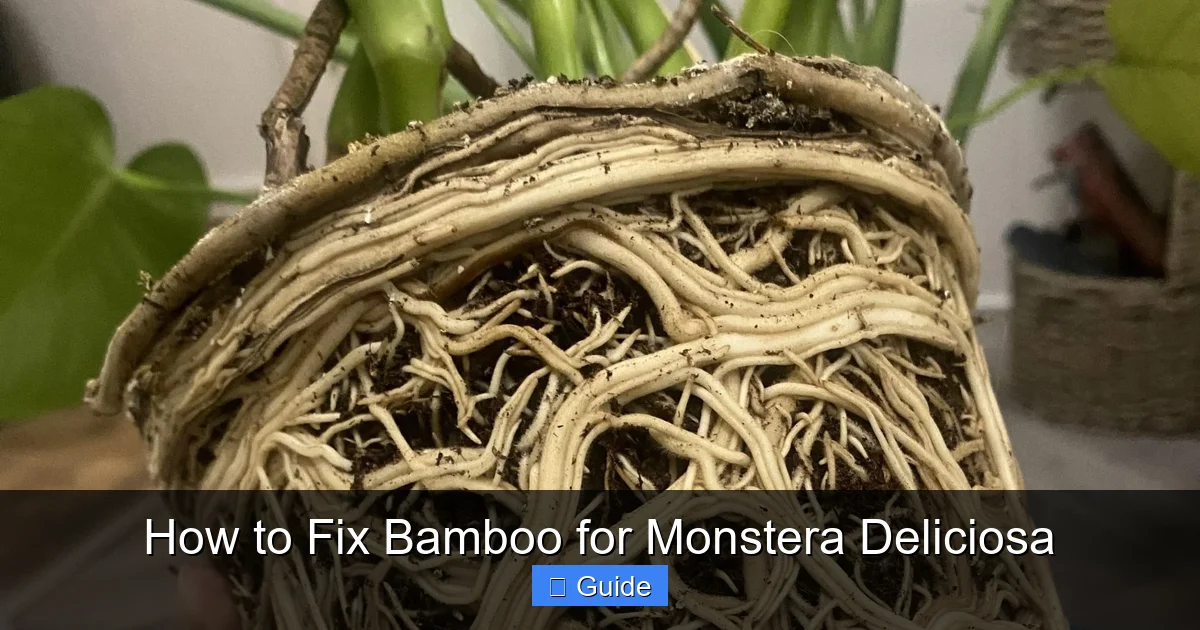
How to Fix Bamboo for Monstera Deliciosa
Fixing bamboo for Monstera Deliciosa gives your plant the sturdy support it needs to climb and thrive. This guide covers everything from choosing the right bamboo stakes to securing stems without damage. Follow our simple steps to help your Monstera grow tall, healthy, and beautiful.
Key Takeaways
- Choose mature bamboo stakes: Select thick, dried bamboo poles that can support heavy Monstera stems without bending or rotting.
- Install stakes early: Place bamboo supports when repotting or before the plant gets too large to avoid damaging roots.
- Use soft, adjustable ties: Secure stems with garden velcro, twine, or fabric strips that won’t cut into growing vines.
- Mimic natural climbing: Position stakes to match the plant’s growth direction and attach aerial roots to encourage attachment.
- Check and adjust regularly: Inspect ties monthly and loosen or reposition as stems thicken and grow taller.
- Combine multiple stakes: Use a tripod or grid arrangement for large Monstera plants to provide 360-degree support.
- Treat bamboo for longevity: Seal or char bamboo ends to prevent moisture damage and extend stake life in humid conditions.
Quick Answers to Common Questions
What diameter bamboo stake is best for Monstera Deliciosa?
Choose bamboo stakes at least one inch in diameter for young plants and up to two inches for mature Monsteras. Thicker stakes prevent bending under the weight of heavy stems and large leaves.
When is the best time to install bamboo supports?
The ideal time is during spring repotting when the plant enters active growth. However, you can install stakes anytime with careful root handling — just create pilot holes to avoid damaging roots.
What type of ties should I use to attach Monstera to bamboo?
Use soft, wide, adjustable ties like garden velcro straps, fabric strips from old t-shirts, or three-ply jute twine in a figure-eight pattern. Never use wire, thin string, or twist ties that cut into stems.
How do I prevent bamboo stakes from rotting in the soil?
Treat the bottom twelve inches of each stake with melted beeswax, raw linseed oil, or char them lightly with a propane torch (shou sugi ban technique) to create a moisture-resistant barrier.
How often should I check and adjust ties on my Monstera?
Check ties monthly during slow growth and every two weeks during spring and summer growth spurts. Stems thicken rapidly and tight ties cause permanent girdling damage.
📑 Table of Contents
- Why Your Monstera Deliciosa Needs Bamboo Support
- Choosing the Right Bamboo for Your Monstera
- Preparing Your Bamboo Stakes for Installation
- Step-by-Step Installation Guide
- Attaching Your Monstera to Bamboo Supports
- Ongoing Care and Maintenance
- Troubleshooting Common Issues
- Advanced Techniques for Spectacular Results
- Conclusion
Why Your Monstera Deliciosa Needs Bamboo Support
Monstera Deliciosa is a natural climber. In the wild, these plants scale massive trees using their aerial roots. They reach for light high above the forest floor. When we bring them indoors, they still have that climbing instinct. Without support, your Monstera will sprawl sideways. It will take up precious floor space. The stems may snap under their own weight. Large leaves can tear. A bamboo stake solves all these problems. It gives your plant a tree-like structure to climb. This encourages upward growth. It produces larger leaves. It triggers fenestration — those iconic splits and holes. Learning how to fix bamboo for Monstera Deliciosa is one of the best skills a plant parent can master. Your plant will thank you with vigorous, stunning growth.
Bamboo is the ideal support material. It is strong yet lightweight. It looks natural and beautiful. It blends perfectly with the tropical aesthetic. Bamboo stakes are affordable and widely available. They last for years with proper care. Unlike metal stakes, bamboo won’t rust. Unlike plastic, it won’t degrade in sunlight. The rough texture helps aerial roots grip naturally. This mimics the bark of trees in the wild. Your Monstera will attach itself more readily to bamboo than to smooth moss poles. Many plant enthusiasts prefer bamboo for this reason. It creates a more authentic climbing experience. The result is a healthier, happier plant that shows off its full potential.
Choosing the Right Bamboo for Your Monstera
Selecting Bamboo Thickness and Height
Not all bamboo stakes are created equal. For a Monstera Deliciosa, you need substantial thickness. Thin garden stakes will bend under the weight of mature stems. Look for bamboo poles at least one inch in diameter. For large plants, choose poles up to two inches thick. Height matters too. Your stake should be taller than your plant’s current height. Add at least twelve to eighteen inches extra. This gives room for future growth. You do not want to replace stakes every few months. A six-foot pole works well for most indoor Monsteras. If you have high ceilings and a mature plant, consider eight-foot poles. Remember, the stake goes deep into the pot. Factor in twelve inches of burial depth when calculating usable height.
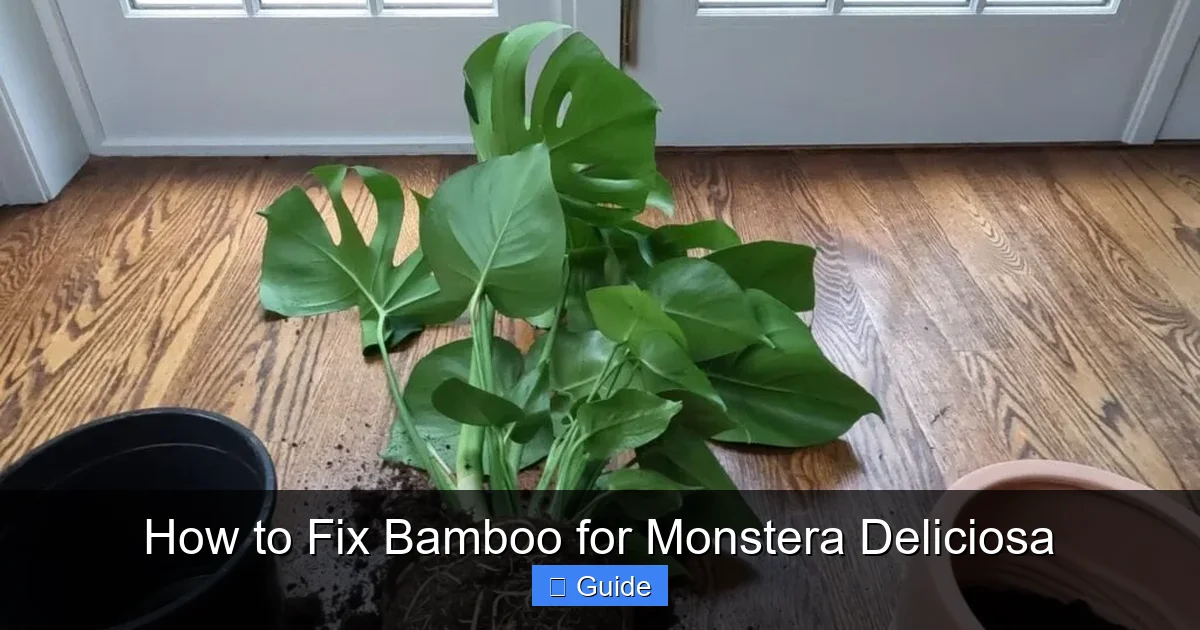
Visual guide about How to Fix Bamboo for Monstera Deliciosa
Image source: planting101.com
Quality Matters: Dried vs. Fresh Bamboo
Always choose properly dried, cured bamboo. Fresh or green bamboo will rot in moist soil. It can also sprout unwanted shoots. Cured bamboo has a tan or golden color. It feels light and hollow. Tap it — it should sound resonant, not dull. Avoid bamboo with cracks, splits, or mold spots. These indicate poor curing or storage. Some stakes come heat-treated or carbonized. These have a darker, caramel color. The heat treatment increases durability. It also prevents pest infestations. This is worth the small extra cost. Quality bamboo stakes last three to five years indoors. Cheap, poorly dried stakes may fail in one season. Invest in good stakes from the start. Your Monstera’s stability depends on it.
Where to Source Quality Bamboo Stakes
Garden centers carry bamboo stakes in spring and summer. Home improvement stores stock them year-round. Online retailers offer the widest selection. Look for “Tonkin cane” or “Japanese timber bamboo.” These species are exceptionally strong. Specialty bamboo suppliers sell premium poles. They often ship in bundles of five or ten. This is economical if you have multiple plants. Local bamboo growers may sell cured poles directly. This supports local agriculture. You can inspect quality before buying. Some plant shops sell decorative bamboo stakes. These work well but cost more. For pure function, basic horticultural bamboo is perfect. Save the decorative stakes for visible areas. Your Monstera cares about strength, not aesthetics.
Preparing Your Bamboo Stakes for Installation
Cleaning and Inspecting New Stakes
Before installing, inspect each stake carefully. Run your hands along the full length. Feel for rough splinters or sharp nodes. Sand any rough spots with medium-grit sandpaper. Wipe stakes with a damp cloth to remove dust. Check for tiny holes — these may indicate borer insects. If you find any, treat the stake or choose another. A quick soak in diluted neem oil prevents pests. Mix one teaspoon neem oil per quart of water. Submerge stakes for ten minutes. Let them dry completely in the sun. This step is especially important for outdoor-sourced bamboo. Clean stakes prevent introducing problems to your potting mix. They also look better in your living space.
Treating Bamboo Ends for Longevity
The bottom end of your stake sits in damp soil. This invites rot over time. Protect it with a simple treatment. Dip the bottom twelve inches in melted beeswax. Or brush on several coats of raw linseed oil. Both create a moisture barrier. Another traditional method is charring. Use a propane torch to lightly burn the bottom end. The carbonized layer resists decay beautifully. This technique is called “shou sugi ban” in Japanese woodworking. It adds a lovely darkened look too. Let treated ends dry for twenty-four hours before installation. This preparation adds years to your stake’s life. It is a small effort for big rewards. When learning how to fix bamboo for Monstera Deliciosa, this step separates novice from expert results.
Creating a Stable Base Configuration
Single stakes work for young plants. Mature Monsteras need more stability. Consider a tripod arrangement. Use three stakes spaced evenly around the pot. Tie them together at the top with strong twine. This creates a pyramid shape. The plant can climb any or all stakes. It provides 360-degree support. For very large plants, use four stakes in a square. Connect them with horizontal crosspieces. This builds a sturdy cage. The Monstera grows through the center. Stems attach to multiple vertical supports. This distributes weight evenly. It prevents the whole structure from tipping. Plan your configuration before repotting. It is much easier to place stakes in empty pots.
Step-by-Step Installation Guide
Timing: When to Install Bamboo Supports
The best time to install stakes is during repotting. Spring is ideal. The plant is entering active growth. Roots recover quickly from disturbance. You can position stakes perfectly in fresh soil. If you are not repotting, you can still add stakes. Do it carefully to avoid root damage. Use a thin metal rod to create pilot holes. Slide stakes into these holes gently. Never force a stake through resistance. You may sever major roots. Late winter works too, before the growth surge. Avoid installing during extreme heat or cold. The plant is stressed enough then. If your Monstera is already toppling, install stakes immediately. Emergency support outweighs timing concerns. Just be extra gentle with the root zone.
Positioning Stakes for Optimal Growth
Place stakes close to the main stem. But not touching it. Leave a one-inch gap. This allows stem thickening. Position stakes where aerial roots already exist. Or where new growth points emerge. The plant will naturally reach for the stake. For tripod setups, space stakes evenly. Form a triangle around the plant center. Angle stakes slightly outward at the bottom. This increases stability. The tops should converge near the center. Leave the very top open for new growth. If using a single stake, place it behind the main vine. This keeps the stake hidden as the plant covers it. Consider the viewing angle. Hide stakes behind foliage where possible. The goal is invisible support that lets the plant shine.
Securing Stakes Firmly in the Pot
Push stakes deep into the soil. At least twelve inches for stability. Eighteen inches is better for tall stakes. If the pot is shallow, use the tripod method. The wide base compensates for less depth. Pack soil firmly around each stake. Use a tamping tool or your hands. Eliminate air pockets. Water thoroughly after installation. This settles the soil further. Check stake wobble after watering. Push deeper if needed. For extra security, anchor stakes to the pot. Drill small holes in plastic pot rims. Thread zip ties through holes and around stakes. This prevents any shifting. In decorative cache pots, use bricks or stones at the bottom. They weigh down the inner nursery pot. Stable stakes mean confident climbing for your Monstera.
Attaching Your Monstera to Bamboo Supports
Choosing the Right Ties and Materials
Tie material is critical. Never use wire, twist ties, or thin string. These cut into growing stems. They cause permanent damage. Use soft, wide, adjustable ties. Garden velcro straps are excellent. They come in rolls. Cut custom lengths. They grip securely but release easily. Soft fabric strips work well too. Cut old t-shirts into one-inch strips. They are gentle and free. Natural jute twine is acceptable. Use three-ply thickness. Wrap it loosely in a figure-eight pattern. The figure-eight prevents stem-to-stake rubbing. Specialized plant clips are another option. They snap onto stakes and hold stems gently. Whatever you choose, test it on your finger first. If it feels tight or rough, do not use it. Your Monstera’s stems expand rapidly in growing season. Ties must accommodate this.
Proper Tying Techniques for Healthy Stems
Attach stems at nodes — the bump where leaves emerge. Nodes are the strongest attachment points. Aerial roots also grow from nodes. Wrap the tie around the stake first. Then around the stem. Cross between them in a figure-eight. This creates a buffer zone. The stem does not rub directly on bamboo. Leave slack for growth. You should fit two fingers under the tie. Secure the tie to itself, not the stem. Velcro sticks to itself. Twine gets tied in a bow. Clips snap shut. Attach every twelve to eighteen inches along the vine. Support heavy leaves individually if needed. Large leaves act like sails in air currents. They pull on stems surprisingly hard. Check ties weekly during growing season. Loosen any that feel snug. This attention prevents girdling damage.
Encouraging Aerial Root Attachment
Monstera aerial roots want to climb. Help them find the bamboo. Gently press aerial roots against the stake. Secure them with a tiny piece of velcro. Or tuck them into bamboo node grooves. Mist the stake daily for two weeks. High humidity encourages root attachment. You can wrap the stake in sphagnum moss. Hold it with fishing line or mesh. This creates a moss-pole-bamboo hybrid. The best of both worlds. Aerial roots penetrate the moss. They anchor the plant firmly. Once roots attach, the plant pulls itself up. You need fewer manual ties. The plant becomes self-supporting. This is the ultimate goal of how to fix bamboo for Monstera Deliciosa — a plant that climbs on its own. Patience pays off. Root attachment takes weeks to months.
Ongoing Care and Maintenance
Monthly Inspection Routine
Set a monthly calendar reminder. Check every tie. Feel for tightness. Look for stem indentation marks. These indicate past tightness. Loosen or replace problem ties immediately. Check stake stability. Wiggle each stake gently. It should not move in the soil. Tighten soil or anchors if needed. Inspect bamboo condition. Look for soft spots, mold, or insect damage. Caught early, these are fixable. Rotate the pot a quarter turn monthly. This ensures even light exposure. The plant grows straight instead of leaning. Remove any dead or yellowing leaves. They drain energy. Prune wayward stems that refuse to climb. Redirect them to stakes. This routine takes ten minutes. It prevents major issues later. Consistency is the secret to a spectacular Monstera.
Adjusting for Seasonal Growth Spurts
Monstera growth explodes in spring and summer. Check ties every two weeks during peak season. Stems can thicken noticeably in days. What was loose becomes tight quickly. Add new ties for new growth. Guide emerging stems to stakes early. Young stems are flexible. Old stems become rigid. Train them while pliable. You may need to add stake extensions. Bamboo poles can be joined with metal connectors. Or lash a new pole above the old one. Overlap by twelve inches for strength. Summer heat may dry bamboo faster. Mist stakes during heat waves. This maintains humidity for aerial roots. Fall brings slower growth. Reduce inspection to monthly. Winter is rest time. Minimal checks needed. Match your care rhythm to the plant’s rhythm.
Replacing and Upgrading Supports Over Time
Bamboo stakes eventually degrade. Expect three to five years indoors. Signs of failure: softening, darkening, crumbling. Replace stakes proactively. Do not wait for collapse. The best time is spring repotting. Remove old stakes carefully. Cut ties rather than pulling. Pulling damages attached roots. Install fresh, treated stakes. You may need taller stakes now. Your plant has grown. Consider upgrading to a larger configuration. Single stake becomes tripod. Tripod becomes cage. Match support to current plant size. Reuse old bamboo for smaller plants. Or compost it. Bamboo is biodegradable. It returns to the earth. The cycle continues. Each upgrade teaches you more about how to fix bamboo for Monstera Deliciosa effectively. Experience builds intuition.
Troubleshooting Common Issues
Stakes Wobbling or Leaning
Wobbling stakes mean insufficient depth. Or soil has settled unevenly. Push stakes deeper if possible. Add soil around the base. Tamp firmly. Water to settle. If the pot is too small, the plant is top-heavy. Repot into a wider, heavier container. Ceramic or terracotta pots add stability. Their weight counters the plant’s leverage. For immediate fix, guy-wire the stakes. Run strong twine from stake tops to pot handles. Or to weights on the floor. This is temporary. Address the root cause soon. A falling Monstera roots are powerful. They can push stakes sideways over time. Regular repotting every two years prevents this. Fresh soil compacts better. It holds stakes firmly. Do not ignore a lean. It only worsens.
Stem Damage from Ties
Constricted stems show grooves or discoloration. They may swell above and below the tie. This is girdling. It cuts off nutrient flow. The stem above may die. Act immediately. Remove the damaging tie. Replace with a looser, wider tie. Position it at a different node. Give the damaged area space to heal. Do not tie directly on the injury. Apply cinnamon powder to the wound. It is a natural antifungal. Monitor for rot signs. Soft, black, mushy tissue means rot. Cut above the rot with sterile shears. The plant will branch from the next node. Prevention is easier than cure. Check ties religiously. Use calendar alerts. Set phone reminders. Your Monstera cannot tell you it hurts. You must look for it.
Bamboo Rot and Mold Problems
White fuzzy mold on bamboo is common. It is usually harmless saprophytic fungus. Wipe it off with diluted hydrogen peroxide. One part peroxide to four parts water. Increase air circulation. A small fan helps. Soft, dark, mushy bamboo is rot. This is serious. The stake is failing. Remove it immediately. Rot spreads to healthy tissue. It can infect plant roots. Replace with a fresh, treated stake. Improve drainage in the pot. Add more perlite or orchid bark. Ensure the pot has drainage holes. Never let water sit in the saucer. Empty it after watering. Consider a moisture meter. Water only when the top two inches are dry. Dry conditions prevent bamboo rot. They also prevent root rot. Good habits protect everything.
Plant Refusing to Climb
Some Monsteras are stubborn. They grow sideways despite stakes. Check light direction. Plants grow toward light. If light comes from the side, the plant leans that way. Rotate the pot weekly. Or add a grow light above. Top lighting encourages upward growth. Ensure stakes are textured enough. Smooth bamboo may need roughing up. Scrape it lightly with a wire brush. Add sphagnum moss wrapping. This gives roots something to grip. Mist the stake daily. Humidity triggers root attachment. Be patient. Some plants take months to commit. Once one aerial root attaches, others follow. You can also gently bend stems toward stakes. Use soft ties to hold the curve. Never force a sharp bend. Stems snap. Gradual persuasion works. The plant will climb when ready.
Advanced Techniques for Spectacular Results
Creating a Bamboo Trellis Wall
For the ultimate Monstera display, build a bamboo trellis. Mount it on a wall behind the plant. Use half-inch bamboo poles in a grid pattern. Secure with strong zip ties or wire. Leave six-inch squares. Attach the trellis to wall studs. It must hold significant weight. Guide your Monstera to cover the grid. This creates a living wall. The leaves flatten against the surface. They develop maximum fenestration. The plant becomes art. Water and fertilize generously. Wall-mounted plants dry faster. Monitor moisture closely. This technique works best with mature plants. Young plants need time to fill the space. But the result is breathtaking. Visitors will ask about your secret. The secret is simply proper support.
Combining Bamboo with Moss Poles
Hybrid supports offer the best of both worlds. Use bamboo for structural strength. Wrap the upper portion in sphagnum moss. Secure moss with monofilament line or mesh. The bamboo core prevents bending. The moss surface invites root attachment. This is ideal for very tall plants. The bottom bamboo section stays dry in soil. The top moss section stays moist from misting. You get durability and biological function. Many commercial moss poles have weak centers. They bend under heavy Monstera weight. Bamboo core solves this completely. Make your own for a fraction of the cost. Buy a strong bamboo pole. Wrap the top three feet in moss. Install as usual. This advanced method shows deep understanding of how to fix bamboo for Monstera Deliciosa for maximum benefit.
Training Multiple Stems for Fuller Growth
Mature Monsteras often have multiple main stems. Do not force them onto one stake. Use your tripod or cage configuration. Assign each main stem its own stake. This creates a fuller, more natural shape. The plant looks like a cluster of vines. Which is exactly what it is in nature. Space stems evenly around the pot. Fill gaps with smaller stakes for side shoots. Every stem gets support. Every leaf gets light. The plant photosynthesizes efficiently. It produces more energy. It grows faster and larger. Prune stems that cross or rub. Crossing stems cause wounds. Wounds invite disease. Clean structure means healthy plant. Take time to plan stem placement. It is living architecture. You are the architect.
Conclusion
Learning how to fix bamboo for Monstera Deliciosa transforms your plant parent journey. You move from hoping for the best to engineering success. Bamboo provides the perfect blend of strength, beauty, and natural function. Your Monstera recognizes it instinctively. Those aerial roots reach out with purpose. They find purchase on the textured surface. The plant pulls itself upward. Leaves grow larger. Fenestrations deepen. The iconic Monstera silhouette emerges. All because you gave it a proper tree to climb.
The steps are simple but powerful. Choose quality cured bamboo. Treat ends for longevity. Install deeply and stably. Tie gently with soft materials. Encourage root attachment with humidity. Inspect and adjust monthly. Upgrade as the plant grows. Troubleshoot issues early. These habits create a thriving, spectacular Monstera. One that stops traffic. One that produces the massive, holey leaves of your dreams. Start this weekend. Assess your current supports. Plan your bamboo upgrade. Your Monstera has been waiting for this. The climb begins now.
Frequently Asked Questions
Can I use fresh bamboo from my garden for Monstera stakes?
No, fresh or green bamboo will rot quickly in moist potting soil and may sprout unwanted shoots. Always use properly dried, cured bamboo that sounds hollow when tapped and has a tan or golden color.
How deep should bamboo stakes go in the pot?
Push stakes at least twelve inches deep for stability, with eighteen inches being ideal for taller stakes. If your pot is shallow, use a tripod configuration with three stakes angled outward for a wider, more stable base.
My Monstera won’t attach to the bamboo stake. What should I do?
Mist the stake daily for two weeks to increase humidity, wrap the stake in sphagnum moss secured with fishing line, gently press aerial roots against the bamboo, and ensure the plant receives overhead light to encourage upward growth.
Can I add bamboo stakes without repotting my Monstera?
Yes, use a thin metal rod to create pilot holes in the soil, then slide stakes in gently. Never force stakes through resistance — you may sever major roots. Water thoroughly afterward to settle the soil around stakes.
How long do bamboo stakes last for Monstera support?
Quality cured and treated bamboo stakes last three to five years indoors. Replace them proactively during spring repotting when you notice softening, darkening, or crumbling — don’t wait for catastrophic failure.
Should I use a single stake or multiple stakes for my Monstera?
Single stakes work for young plants, but mature Monsteras need tripod (three stakes) or cage (four stakes with crosspieces) configurations for 360-degree support that prevents tipping and accommodates multiple main stems.