Professional Perlite for Echeveria
Professional perlite for echeveria is essential for creating well-draining soil that prevents root rot and mimics the plant’s natural arid habitat. This guide covers everything from choosing the right grade to mixing perfect ratios for healthy, vibrant succulents.
If you have ever lost an echeveria to mushy leaves or a blackened stem, you know the heartbreak of root rot. These stunning rosette succulents come from dry, rocky regions of Mexico and Central America. Their roots need air as much as they need water. That is where professional perlite for echeveria changes everything. This lightweight volcanic glass transforms heavy potting soil into a fast-draining, breathable mix that mimics the plant’s native habitat.
I learned this lesson the hard way after watching three beautiful echeveria elegans turn to mush in standard potting soil. The soil stayed wet for days. The roots suffocated. Once I switched to a gritty mix with professional perlite, my collection exploded with new growth and vibrant colors. This guide shares everything I wish I knew from the start. You will learn what professional perlite is, why grade matters, how to mix it, and the mistakes that kill succulents.
Key Takeaways
- Professional perlite improves drainage: It creates air pockets in soil that allow excess water to escape quickly, protecting echeveria roots from rot.
- Choose horticultural grade perlite: Professional grades are screened for consistent particle size and free from dust, salts, and contaminants that harm succulents.
- Mix at 30 to 50 percent ratio: Combine perlite with potting soil or coconut coir for optimal moisture retention and aeration balance.
- Rinse before use: Washing perlite removes fine dust that can compact soil and reduce drainage effectiveness over time.
- Replace annually: Perlite breaks down slowly but should be refreshed during repotting to maintain soil structure and porosity.
- Avoid construction perlite: Building-grade perlite often contains additives and inconsistent sizing unsuitable for sensitive echeveria roots.
- Pair with gritty amendments: Adding coarse sand or pumice alongside perlite creates the ultimate fast-draining mix for demanding echeveria varieties.
Quick Answers to Common Questions
What is the best perlite to soil ratio for echeveria?
A fifty percent professional perlite to fifty percent organic potting mix ratio works best for most echeveria varieties and climates.
Can I use construction perlite for succulents?
No, construction perlite has inconsistent sizing, dust, and potential chemical additives that harm sensitive echeveria roots.
Do I need to rinse professional perlite before mixing?
Yes, rinsing removes fine dust that can compact and block drainage holes over time, even with professional grades.
How often should I repot echeveria in perlite mix?
Repot every twelve to eighteen months to refresh broken down organic matter and maintain optimal drainage structure.
Why does perlite float to the top when I water?
Perlite is naturally buoyant. Top dress with gravel and water gently or bottom water to keep perlite in place.
📑 Table of Contents
- What Is Professional Perlite and Why It Matters
- Choosing the Right Professional Perlite for Your Echeveria
- Creating the Perfect Echeveria Soil Mix
- Step by Step Mixing and Potting Guide
- Common Mistakes That Kill Echeveria
- Seasonal Care Adjustments With Perlite Mixes
- Troubleshooting Perlite Mix Problems
- Professional Perlite for Specific Echeveria Types
- Cost Analysis and Long Term Value
- Environmental Considerations
- Conclusion
What Is Professional Perlite and Why It Matters
Volcanic Origins and Unique Properties
Perlite starts as obsidian, a natural volcanic glass formed when lava cools rapidly. This raw material contains trapped water molecules. When heated to around 1600 degrees Fahrenheit, the water vaporizes explosively. The glass expands like popcorn into white, lightweight spheres. These spheres are sterile, pH neutral, and incredibly porous.
Each tiny perlite particle is covered in microscopic cavities. These cavities hold air and water on their surfaces but do not absorb moisture into their core. This distinction matters. Organic materials like peat moss act like sponges. They soak up water and stay wet. Perlite creates pathways for water to drain while keeping air pockets open around roots.
Professional Grade Versus Standard Grade
Not all perlite is created equal. The bag at a big box hardware store often contains construction grade perlite. This grade is made for lightweight concrete and insulation. It varies wildly in particle size. It can contain fine dust that compacts into a cement-like layer. It may have residual salts or chemical additives from processing.
Professional perlite for echeveria is different. It is screened to a consistent horticultural grade, usually between one eighth and one quarter inch. It is washed to remove dust and fines. It is tested for pH neutrality and salt content. Reputable brands label it as horticultural or professional grade. This consistency means your soil mix behaves predictably every time you repot.
Why Echeveria Specifically Needs Professional Perlite
Echeveria roots are shallow and fibrous. They spread horizontally just below the soil surface. In nature, they grow in rock crevices where water flashes through and air circulates freely. Standard potting soil collapses around these delicate roots. It eliminates air pockets. It creates a perched water table at the bottom of the pot.
Professional perlite prevents this collapse. Its rigid structure maintains pore space even after months of watering. The consistent particle size creates uniform drainage channels. The sterile nature means no fungus gnats or damping off pathogens. For echeveria, this is not optional. It is the difference between a plant that survives and one that thrives.
Choosing the Right Professional Perlite for Your Echeveria
Particle Size Grades Explained
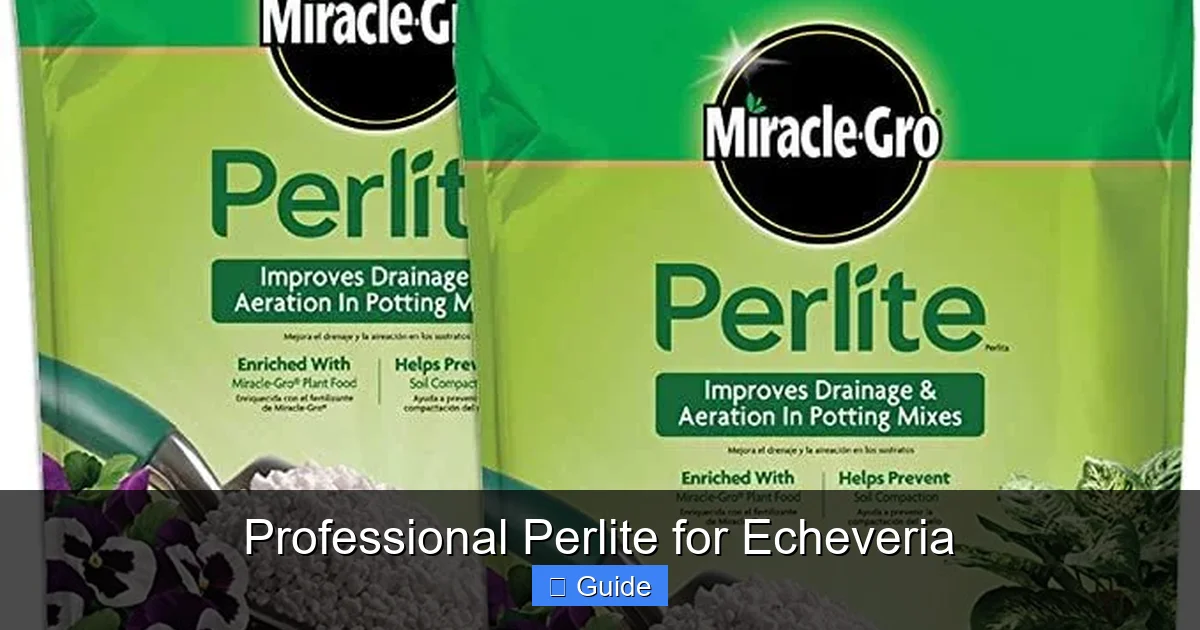
Professional perlite comes in several grades based on particle size. Fine grade particles are smaller than one eighth inch. Medium grade ranges from one eighth to one quarter inch. Coarse grade exceeds one quarter inch. For echeveria, medium grade is the sweet spot.
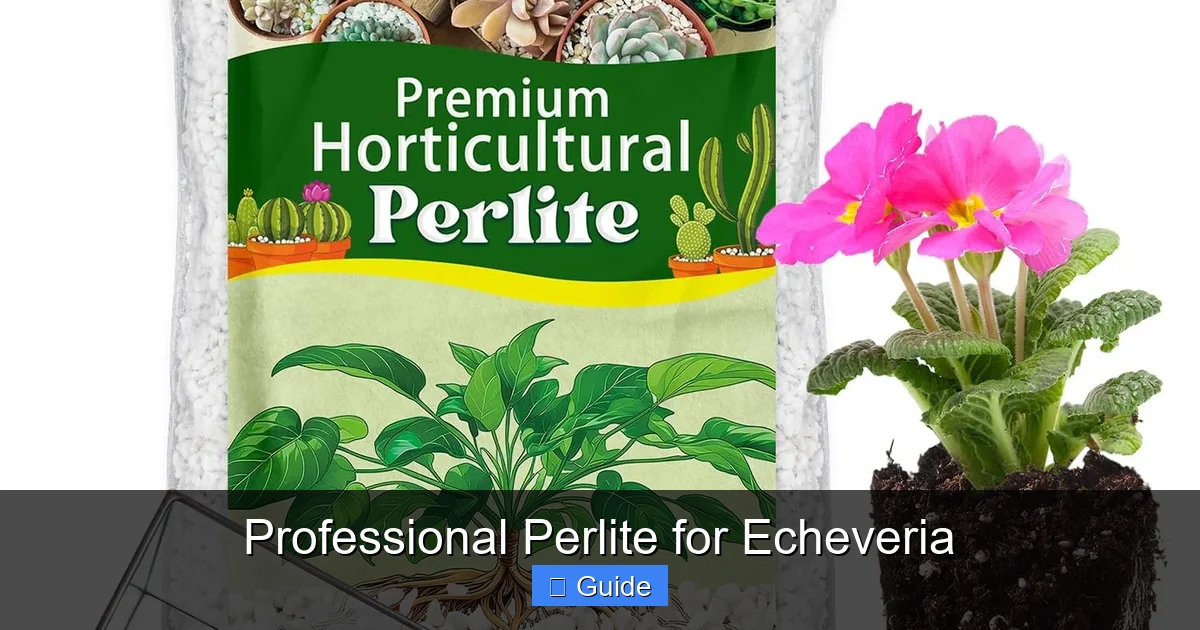
Visual guide about Professional Perlite for Echeveria
Image source: m.media-amazon.com
Fine grade perlite works well for seed starting but compacts too easily in succulent pots. Coarse grade creates excellent drainage but can leave large air gaps around tiny echeveria roots. Medium grade balances drainage with root contact. Some growers mix medium and coarse for larger specimens in bigger pots.
Trusted Brands and What to Look For
Several brands dominate the professional perlite market. Perlite Industries, Supreme Perlite, and Hess Perlite are known for consistent horticultural grades. Espoma and FoxFarm offer bagged perlite specifically marketed for plants. Look for labels that say horticultural grade, screened, washed, or dust free.
Avoid bags labeled for construction, masonry, or insulation. These are not screened for plant use. Check the bag for a particle size specification. If it is not listed, assume it is inconsistent. Price is a clue too. Professional perlite costs more per cubic foot because of the extra screening and washing steps.
Organic Certification and Additives
Some professional perlite carries OMRI listing for organic gardening. This means it meets standards for organic production. Pure perlite is naturally inorganic and sterile. The certification mainly verifies no synthetic chemicals were used in processing. For most home growers, standard professional grade is perfectly fine.
Watch out for perlite blended with fertilizer or wetting agents. These additives defeat the purpose of a controlled succulent mix. You want to control exactly what nutrients and moisture retention your echeveria receives. Plain professional perlite gives you that control.
Creating the Perfect Echeveria Soil Mix
The Classic 50 50 Ratio
The most reliable starting mix for echeveria is fifty percent professional perlite and fifty percent organic base. The organic base can be a quality cactus potting soil, coconut coir, or composted pine bark. This ratio provides enough moisture retention for growth while draining fast enough to prevent rot.
Measure by volume, not weight. Perlite is incredibly light. A fifty-fifty mix by volume looks like mostly perlite. That is correct. Do not compact the mix when potting. Gently tap the pot to settle it. Leave the top half inch free for watering.
Advanced Gritty Mix Recipes
For prized specimens or humid climates, many growers use a gritty mix. This reduces organic matter to twenty percent or less. A popular recipe uses one part professional perlite, one part coarse sand or poultry grit, one part pumice, and one part pine bark fines. This mix dries in hours, not days.
Gritty mixes require more frequent watering. They also require regular fertilizing since they hold almost no nutrients. The reward is explosive root growth and virtually zero rot risk. This is how professional nurseries grow show-quality echeveria.
Adjusting for Climate and Pot Type
Your local climate changes the ideal ratio. In humid Florida or the Pacific Northwest, increase perlite to sixty or seventy percent. In arid Arizona, you might drop to forty percent. Terracotta pots breathe and dry faster. You can use slightly more organic matter. Plastic and glazed pots trap moisture. Increase perlite accordingly.
Pot size matters too. Small pots dry faster. A two inch pot might need more organic matter to prevent desiccation. Large pots stay wet longer at the bottom. They need maximum perlite and a drainage layer of pure pumice or lava rock at the base.
Step by Step Mixing and Potting Guide
Preparing Your Workspace and Materials
Gather your professional perlite, organic base, a clean bucket or wheelbarrow, a trowel, and a dust mask. Perlite dust is a nuisance irritant. Wear the mask while pouring dry perlite. Work outdoors or in a well ventilated area. Have your pots, mesh screens for drainage holes, and top dressing ready.
If your organic base is bone dry, lightly moisten it first. Dusty peat or coir repels water initially. A slight dampness helps it blend evenly with perlite. Do not soak it. You want damp, not wet.
Rinsing Professional Perlite
Even professional grade perlite benefits from a quick rinse. Place perlite in a large sieve or colander. Run water through until it runs clear. This removes any remaining fines that could migrate downward and clog drainage holes. Spread rinsed perlite on a tarp to surface dry for an hour. It does not need to be bone dry, just not dripping.
Some growers skip this step with premium brands. I rinse every batch. It takes five minutes and eliminates a variable. The dust you wash away is the same dust that eventually forms a impermeable layer at the bottom of your pot.
Mixing Techniques for Consistency
Add your measured organic base to the mixing vessel. Add the measured perlite. Use your trowel to fold the materials together. Lift from the bottom and turn over. Avoid stirring in circles which can separate particles by size. Mix until no streaks of either component remain. The blend should look uniform.
Test the mix. Grab a handful and squeeze. It should crumble apart immediately when you open your hand. If it forms a clump, add more perlite. If it feels like dry sand with no cohesion, add a touch more organic matter. This squeeze test is your quality control.
Potting Your Echeveria Correctly
Place a mesh screen over the drainage hole. Add a half inch layer of pure pumice or coarse perlite. This prevents the mix from washing out and creates a drainage reservoir. Fill the pot one third with your mix. Center the echeveria. Spread roots gently. Backfill with mix. Tap the pot sides to settle. Do not press down with your fingers.
Leave the crown slightly above the soil line. Top with a quarter inch of decorative gravel or chicken grit. This keeps perlite from floating during watering and prevents soil splash on leaves. Wait three to five days before watering. This allows any damaged roots to callous.
Common Mistakes That Kill Echeveria
Using Construction Grade Perlite
This is the number one mistake. Construction perlite saves a few dollars per bag but costs you plants. The inconsistent sizing creates compaction zones. The dust forms a water barrier. Chemical residues can burn sensitive roots. I have seen entire collections lost to a bad bag of builder perlite. Spend the extra money. Your echeveria are worth it.
Overwatering Even With Good Mix
Professional perlite for echeveria allows fast drainage. It does not fix overwatering. Water only when the mix is completely dry to the bottom of the pot. Use a wooden skewer or moisture meter. In winter, many echeveria need water once a month or less. The mix enables proper care. It does not replace it.
Neglecting to Repot Annually
Perlite does not decompose, but organic matter does. As peat or bark breaks down, it fills the air pores perlite created. The mix becomes denser. Drainage slows. Roots suffocate. Repot every twelve to eighteen months. Refresh the mix completely. Inspect roots. Trim dead ones. This reset keeps plants vigorous for decades.
Fertilizing Into Dry Perlite Mix
Applying liquid fertilizer to bone dry gritty mix can shock roots. The salts concentrate in the tiny moisture films on perlite surfaces. Always water lightly with plain water first. Wait ten minutes. Then apply diluted fertilizer. This distributes salts evenly and protects the root tips.
Seasonal Care Adjustments With Perlite Mixes
Spring Growth Season
As days lengthen, echeveria wake up. Roots expand rapidly in the airy perlite mix. Increase watering frequency. Begin fertilizing at quarter strength every other watering. Watch for offsets forming at the base. The loose mix makes it easy to separate pups without root damage.
Spring is also the ideal repotting window. Plants recover fast. The professional perlite in fresh mix accelerates new root growth. You will often see a growth spurt within weeks of a spring repot.
Summer Heat Management
In intense heat, even perlite mixes can dry in a single day. Check small pots daily. Consider moving plants to morning sun only. Top dress with extra gravel to reduce evaporation. Some growers add a touch more organic matter in summer for moisture buffer. Do not exceed thirty percent organic or you lose the drainage benefit.
Fall Transition and Hardening
Reduce watering as growth slows. Stop fertilizing by early fall. The perlite mix will dry faster in cooler temperatures. This is good. It signals the plant to harden off for winter. Clean up dead lower leaves. They trap moisture against the stem in the loose mix.
Winter Dormancy Care
Most echeveria rest in winter. Water sparingly. Once a month is often enough. The professional perlite ensures the little water you give drains instantly. No wet feet during cold nights. Keep plants bright but cool. Avoid freezing. The loose mix offers zero insulation. Roots freeze faster than in heavy soil.
Troubleshooting Perlite Mix Problems
Mix Dries Too Fast
If your mix is bone dry twenty four hours after watering, you have several options. Increase organic matter to forty percent. Add a water retention crystal polymer at label rate. Double pot by placing the perlite mix pot inside a slightly larger cache pot with damp sphagnum moss in the gap. Move to a shadier spot. Mulch heavily with gravel.
Mix Stays Wet Too Long
This usually means too much organic matter or too fine a perlite grade. Repot with more perlite. Ensure your pot has adequate drainage holes. One hole is rarely enough. Drill extra holes in plastic pots. Elevate pots on feet or gravel trays. Never let pots sit in saucers of water.
Perlite Floating to Surface
Perlite is buoyant. Vigorous watering floats it up. Always top dress with gravel. Water gently with a narrow spout. Bottom water by placing the pot in a tray of water for ten minutes. This pulls moisture up without disturbing the surface.
White Crust on Perlite Surface
Mineral buildup from tap water and fertilizer accumulates on perlite. It is unsightly but usually harmless. Scrape off the top quarter inch annually during repot. Use rainwater or distilled water to prevent recurrence. Flush pots monthly with heavy watering to leach salts.
Professional Perlite for Specific Echeveria Types
Echeveria Elegans and Similar Rosettes
These classic hens and chicks have tight rosettes and shallow roots. They thrive in the standard fifty-fifty mix. They offset prolifically. The loose perlite mix makes harvesting offsets easy. Just brush away mix and snip the stolon.
Echeveria Agavoides and Thick Leaf Varieties
These store more water in leaves. They tolerate drier mixes. Use sixty percent perlite. They are prone to mealybugs in leaf axils. The open mix improves air circulation, discouraging pests. Watch for root mealies when repotting. The white perlite makes them easy to spot.
Echeveria Laui and Powdery Farina Types
These have delicate waxy coatings. Avoid overhead watering. The perlite mix supports bottom watering perfectly. The gravel top dress keeps water off leaves. Handle as little as possible. The loose mix means less root disturbance during necessary repots.
Large Specimens Like Echeveria Gibbiflora
Big plants in big pots need structural stability. Pure perlite mix can be too light. Add thirty percent coarse sand or fine gravel for weight. Stake tall stems. The professional perlite still provides drainage. The sand anchors the pot against wind.
Cost Analysis and Long Term Value
Price Per Pot Calculation
A four cubic foot bag of professional perlite costs twenty to thirty dollars. It fills roughly fifty one gallon pots at fifty percent ratio. That is forty to sixty cents per pot. Compare that to the cost of replacing a rare echeveria. The math is obvious. Professional perlite is insurance, not expense.
Bulk Buying and Storage
If you have a large collection, buy by the pallet. Four cubic foot bags stack easily. Store dry and covered. Perlite does not degrade. It lasts indefinitely. Split a pallet with local succulent club members. Everyone saves.
Reusing Perlite
When repotting, you can recover perlite. Shake old mix through a half inch hardware cloth screen. The perlite stays on top. Organic matter falls through. Rinse recovered perlite. Sterilize with a ten percent bleach soak if disease was present. Reuse with fresh organic base. This cuts perlite cost by half or more.
Environmental Considerations
Mining and Processing Impact
Perlite is mined from open pits. The expansion process uses significant energy. However, perlite is abundant. Reserves are vast. The industry has improved reclamation practices. Compared to peat moss which destroys wetlands, perlite has a lower long term ecological footprint.
Alternatives and Complements
Pumice is a volcanic rock alternative. It is heavier, does not float, and lasts forever. It costs more. Many growers use both. Coconut coir is a renewable organic base. It rewets easier than peat. Rice hulls and biochar are emerging amendments. Professional perlite remains the gold standard for drainage.
Disposal and Recycling
Old perlite mix can be spread in garden beds. It improves clay soil drainage permanently. It is inert and safe. Do not dump in waterways. The white particles are visible pollution. Reuse in landscape is the best end of life.
Conclusion
Professional perlite for echeveria is not a luxury. It is the foundation of successful succulent growing. The difference between a struggling plant and a show specimen often comes down to the air space around the roots. Professional grade perlite creates that space reliably, consistently, and safely.
Start with a quality brand. Mix at fifty percent. Rinse before use. Pot gently. Water wisely. Repot annually. These habits, built on professional perlite, will reward you with echeveria that glow with health, offset generously, and survive the mistakes every grower makes.
Your succulents depend on you for their environment. Give them the volcanic breathability they evolved for. Watch them thank you with colors you never knew they could show. The bag of professional perlite on your shelf is the most powerful tool in your succulent kit. Use it well.
Frequently Asked Questions
Is professional perlite worth the extra cost over regular perlite?
Yes, professional perlite is screened for consistent particle size, washed free of dust, and tested for pH neutrality. This consistency prevents compaction and ensures reliable drainage that protects valuable echeveria from root rot.
Can I grow echeveria in pure professional perlite?
Pure perlite lacks nutrient retention and stability for long term growth. Echeveria need some organic matter to hold minimal moisture and nutrients. A fifty percent perlite mix balances drainage with root support.
Does professional perlite break down over time?
Perlite is volcanic glass and does not decompose. However, it can crush slightly under pressure over years. The main reason to refresh mix is organic matter breakdown, not perlite degradation.
What is the difference between perlite and pumice for echeveria?
Perlite is expanded volcanic glass, lighter and more porous. Pumice is natural volcanic rock, heavier and more durable. Both provide excellent drainage. Perlite floats; pumice stays put. Many growers combine them.
Can I reuse professional perlite from old pots?
Yes, shake old mix through a half inch screen to separate perlite. Rinse thoroughly and sterilize with dilute bleach if disease was present. Mix with fresh organic base for reuse.
Why are my echeveria leaves turning mushy even with perlite mix?
Mushy leaves indicate overwatering or insufficient light, not a perlite failure. Ensure the mix dries completely between waterings. Check that the pot has multiple drainage holes and is not sitting in water.