Troubleshooting Perlite for Kentia Palm
Troubleshooting perlite for Kentia palm helps you fix common soil problems fast. This guide covers drainage issues, root rot signs, and the right perlite ratios for healthy growth.
You love your Kentia palm. It sits in the corner, fronds arching like green feathers. But lately, something feels off. The soil stays wet too long. The tips turn brown. You wonder if the perlite you added is helping or hurting. You are not alone. Many plant parents struggle with troubleshooting perlite for Kentia palm issues. The good news? Most problems have simple fixes. This guide walks you through every common perlite problem. You will learn the right ratios, the warning signs, and the exact steps to fix your soil. Let us get your palm back to thriving.
Kentia palms come from Lord Howe Island. They grow in volcanic soil that drains fast. In pots, they need that same quick drainage. Perlite is a volcanic glass that pops like popcorn when heated. It becomes light, white, and full of tiny holes. Those holes hold air. Roots need air as much as water. Without perlite, soil compacts. Water sits. Roots suffocate. But too much perlite causes problems too. The soil dries too fast. Nutrients wash away. The palm stresses. Balance is everything. We will find that balance together.
Key Takeaways
- Perlite improves drainage: It creates air pockets that prevent water from pooling around roots.
- Ratio matters: Use 20 to 30 percent perlite in your Kentia palm soil mix for best results.
- White crust signals buildup: Mineral deposits on soil surface mean you need to flush the pot.
- Root rot shows as mushy roots: Black, soft roots mean too much water and not enough perlite.
- Repot every two years: Fresh perlite mix restores aeration and prevents compaction.
- Dust is harmful: Always wet perlite before mixing to avoid breathing in fine particles.
- Combine with bark: Orchid bark plus perlite creates ideal structure for Kentia palms.
Quick Answers to Common Questions
What is the ideal perlite ratio for Kentia palms?
Use 20 to 30 percent perlite by volume in your potting mix for optimal drainage and aeration.
Why is my Kentia palm soil staying wet even with perlite?
Check that you have enough perlite (at least 20%), use coarse grade, and ensure your pot has drainage holes.
How do I stop perlite from floating to the surface?
Pre-wet perlite before mixing and add a half-inch top dressing of orchid bark or pebbles to weigh it down.
Can I reuse perlite from an old pot?
Yes, sift it out, wash thoroughly until water runs clear, dry in the sun, and it is ready to use again.
What causes white crust on the soil surface?
Mineral buildup from tap water and fertilizer; flush the pot monthly with five minutes of running water to prevent it.
📑 Table of Contents
- Why Perlite Matters for Kentia Palms
- Common Perlite Problems and Fixes
- Perfect Perlite Ratios for Every Situation
- How to Mix and Apply Perlite Correctly
- Troubleshooting Specific Symptoms
- Maintaining Perlite Performance Over Time
- Advanced Tips for Perlite Success
- Frequently Asked Questions About Perlite and Kentia Palms
Why Perlite Matters for Kentia Palms
The Natural Habitat Clue
Kentia palms grow on an island in the Pacific. The soil there is porous. Rain passes through fast. Roots never sit in muck. When we pot them, we must copy that. Regular potting soil holds too much water. It turns dense over time. Perlite keeps the mix open. It mimics the island soil. That is why it is the top amendment for these palms.
What Perlite Actually Does
Perlite does three jobs. First, it creates macropores. Those are large air channels. Oxygen flows through them to roots. Second, it reduces soil weight. Heavy soil compacts under its own weight. Perlite lightens the load. Third, it holds a little moisture on its surface. Not inside pores. On the surface. That gives roots a sip between waterings. It does not break down. It does not rot. It lasts for years in the pot.
Signs Your Palm Needs Perlite
Watch for these clues. Water pools on top after watering. The pot feels heavy days later. Leaves yellow from the bottom up. New growth is small or pale. You see fungus gnats flying around. The soil smells sour. All these mean poor aeration. Your palm is crying for perlite. Add it now and you can reverse the damage.
Common Perlite Problems and Fixes
Problem: Soil Still Stays Wet
You added perlite. But the soil stays soggy. Why? First, check your ratio. One handful in a big pot does nothing. You need 20 to 30 percent by volume. That looks like one part perlite to three or four parts soil. Second, check the perlite size. Fine perlite dust clogs pores. Use coarse or medium grade. Third, check your pot. No drainage hole? Perlite cannot fix that. Water has nowhere to go. Drill holes or use a cache pot system.
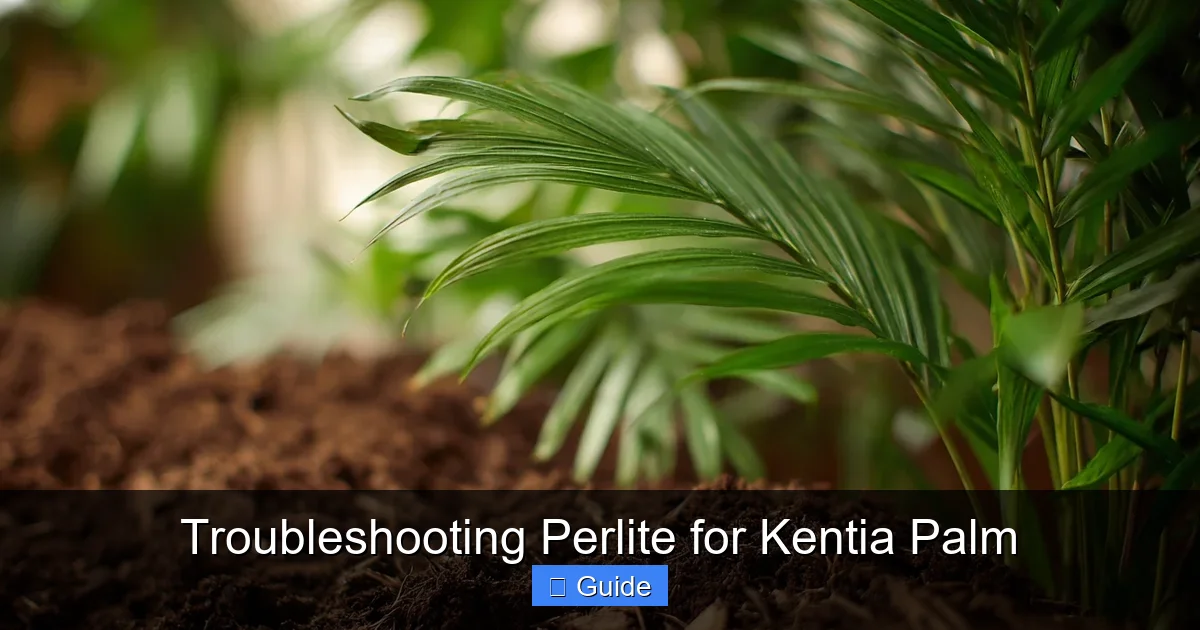
Visual guide about Troubleshooting Perlite for Kentia Palm
Image source: gardentabs.com
Problem: Soil Dries Too Fast
You went heavy on perlite. Now the soil is bone dry in a day. The palm wilts. Brown tips appear. You water constantly. Fix this by reducing perlite to 15 percent. Add coconut coir or peat moss. These hold water longer. Mix one part coir, one part perlite, two parts soil. Mulch the top with bark. That slows evaporation. Your palm will thank you.
Problem: White Crust on Soil Surface
You see a white ring around the pot rim. On the soil surface. That is mineral buildup. Perlite does not cause it. But perlite makes it visible. Fast drainage means more water passes through. More water means more minerals left behind. Tap water has calcium and magnesium. Fertilizer adds salts. Flush the pot monthly. Run water through for five minutes. Let it drain fully. Repeat. The crust will stop forming.
Problem: Perlite Floats to Top
You water and white bits rise. They gather at the surface. They blow away in drafts. This happens with very coarse perlite. Or when you top water hard. Fix it by wetting perlite before mixing. Damp perlite stays put. Or use a top dressing. Half inch of bark or pebbles holds perlite down. It also looks nice.
Problem: Dust Inhalation Risk
Perlite dust is silica. Breathing it irritates lungs. Always wet the bag before opening. Spray water inside. Mix outdoors or in a ventilated area. Wear a mask. Once wet, dust is gone. Never pour dry perlite near your face. Safety first. Your lungs matter more than perfect soil.
Perfect Perlite Ratios for Every Situation
Standard Indoor Mix
This works for most homes. Two parts quality potting soil. One part perlite. One part orchid bark. The bark adds structure. It breaks down slowly. It feeds microbes. The perlite keeps air flowing. The soil holds nutrients. Mix in a wheelbarrow or big tub. Wet it slightly. It should clump then crumble. That is the texture you want.
High Humidity Climate Mix
You live in Florida or a tropical zone. Air is wet. Soil stays damp. Increase perlite to 40 percent. Reduce soil to 40 percent. Keep bark at 20 percent. Add a handful of charcoal. Charcoal absorbs excess moisture. It prevents fungal growth. Your palm roots will stay oxygenated even in muggy weather.
Low Humidity Climate Mix
You live in Arizona or heat with forced air. Air is dry. Soil bakes. Drop perlite to 15 percent. Increase soil to 50 percent. Add 20 percent coconut coir. Coir holds water like a sponge. Keep bark at 15 percent. Top dress with moss. Mist the moss daily. This creates a humidity buffer around roots.
Large Specimen Palm Mix
Your Kentia is five feet tall. Pot is 14 inches or more. Big pots stay wet at the bottom. Use 30 percent perlite. 30 percent pumice. 20 percent bark. 20 percent soil. Pumice is heavier than perlite. It does not float. It creates permanent structure. This mix will not break down for years. Repot less often. Roots stay happy.
Recovery Mix for Root Rot
You found mushy roots. Cut them off. Now repot in sterile mix. 50 percent perlite. 50 percent coarse sphagnum moss. No soil. No fertilizer. This mix is ultra airy. It forces new roots to grow strong. Water only when top inch is dry. No saucer. Let it drain free. In eight weeks, you will see white root tips. Then move to standard mix.
How to Mix and Apply Perlite Correctly
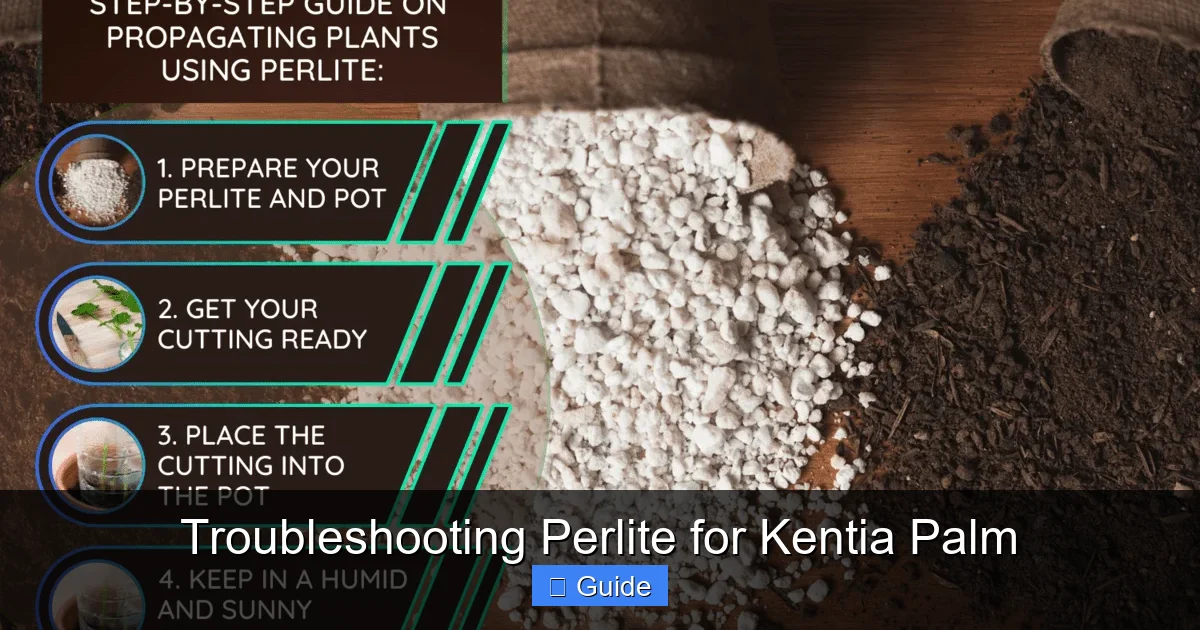
Pre Wet Your Perlite
Open the bag. Spray water inside. Shake it. Let sit ten minutes. Dust settles. Perlite dampens. It mixes easier. It stays in place. Your lungs stay clean. Do this every time. No exceptions. Keep a spray bottle by your potting station.
Mix in Batches
Do not mix in the pot. Roots get damaged. Mix in a tub. Measure by volume. Use a bucket or pot as your measure. One bucket soil. One bucket perlite. One bucket bark. Dump in tub. Toss with hands or trowel. Break clumps. Wet lightly. Mix until uniform. No streaks of white. No dry pockets.
Pot Up Properly
New pot. Two inches wider. Drainage holes a must. Add mesh or coffee filter over holes. Keeps mix in. Lets water out. Add one inch of mix. Place palm. Fill sides. Tap pot to settle. Do not pack. Press lightly. Water until it runs out. Let drain. Done.
Top Dress Annually
Each spring, scrape off top inch. Replace with fresh mix. Add slow release fertilizer. Water in. This refreshes perlite near surface. Roots there get new air. It extends time between full repots. Your palm grows steady.
Troubleshooting Specific Symptoms
Brown Leaf Tips
Classic sign. Usually low humidity or salt buildup. Check perlite ratio. If over 30 percent, soil dries fast. Tips crisp. Reduce perlite. Increase coir. Flush salts monthly. Mist daily. Use distilled water if tap is hard. Tips will not heal. But new growth stays green.
Yellowing Lower Fronds
Old fronds yellow naturally. But many at once means trouble. Check soil moisture. Stick finger three inches deep. Wet? Too much water. Not enough perlite. Or no drainage. Repot with 30 percent perlite. Remove saucer. Let pot breathe. New fronds will stay green.
Stunted New Growth
New spear opens small. Pale. Slow. Roots have no air. Or no nutrients. Perlite helps air. But too much leaches nutrients. Check ratio. Fertilize monthly at half strength. Use balanced 10-10-10. Or palm specific. Growth resumes in weeks.
Fungus Gnats
Tiny flies. Larvae eat roots. They love wet soil. Perlite reduces wetness. But you need 30 percent minimum. Top dress with half inch sand. Gnats cannot lay eggs in sand. Yellow sticky traps catch adults. Let soil dry top two inches. Cycle breaks in two weeks.
Root Rot
Black roots. Mushy. Smell bad. Emergency. Unpot. Wash roots. Cut all rot. Sterilize scissors between cuts. Repot in 50 percent perlite recovery mix. No water three days. Then water sparingly. Fungicide drench helps. Hydrogen peroxide 3 percent, one teaspoon per cup water. Pour through. Repeat weekly. Save the palm.
Maintaining Perlite Performance Over Time
Perlite Does Not Expire
Good news. Perlite lasts forever. It does not decompose. It does not compact. Ten years from now, those white bits still work. But soil around it breaks down. Peat turns to mud. Bark becomes dust. That is why you repot. Not for perlite. For the other stuff.
When to Refresh
Every two years. Spring best. Roots fill pot. Soil exhausted. Perlite still there. But ratio shifted. Soil volume dropped. Perlite percentage rose. Soil dries fast. Refresh restores balance. Or repot fully. Your call.
Signs It Is Time
Water runs straight through. Pot feels light instantly. Roots circle bottom. Growth slowed. Salt crust thick. You fertilize but no response. These mean the organic matter is gone. Perlite dominates. Refresh now.
How to Refresh Without Full Repot
Remove top three inches. Vacuum loose perlite. Save it. Add fresh soil blend. Mix saved perlite back in. Top dress. Water. Done in twenty minutes. Palm barely notices. You bought two more years.
Advanced Tips for Perlite Success
Combine with Pumice
Pumice is perlite’s heavier cousin. It holds more water. It adds minerals. Mix half perlite half pumice. You get air and moisture buffer. Great for forgetful waterers. Roots get steady supply. No extremes.
Use Rice Hulls as Alternative
Rice hulls are agricultural waste. They aerate like perlite. They break down in two years. They feed soil life. Use 20 percent hulls, 10 percent perlite. Best of both. Sustainable too. Find at feed stores cheap.
Layer for Drainage
Old advice says gravel at bottom. Wrong. Creates perched water table. Water sits above gravel. Roots rot. Instead, use same mix top to bottom. Uniform drainage. No layers. Physics wins.
Test Your Mix
Grab handful. Squeeze. Open hand. Mix should hold shape then crumble slowly. If it stays in a ball, too wet. Add perlite. If it falls apart instantly, too dry. Add coir. This squeeze test tells all. Do it monthly.
Monitor with Chopstick
Wooden chopstick. Push to bottom. Pull out. Look at tip. Wet? Wait. Dry? Water. Soil clinging? Good moisture. Clean? Too dry. Mud? Too wet. Simple. Free. Accurate. Better than meters.
Frequently Asked Questions About Perlite and Kentia Palms
Can I Use Vermiculite Instead?
No. Vermiculite holds water. Perlite releases it. Kentia palms need release. Vermiculite makes soup. Roots drown. Use perlite. Or pumice. Or rice hulls. Never vermiculite for palms.
Is Perlite Organic?
It is mined mineral. Heated to expand. No chemicals added. OMRI listed for organic gardening. Safe for food crops. Safe for palms. It is inert. Does not change pH. Does not add nutrients. Just structure.
How Much Perlite Per Gallon of Soil?
One quart perlite per gallon soil. That is 25 percent. Easy measure. Use a quart container. Fill with perlite. Dump in. Mix. Done. No math needed.
Can I Reuse Perlite From Old Pots?
Yes. Sift it out. Wash in bucket. Rinse until water clear. Dry in sun. Sterile and ready. Free perlite forever. Just remove roots and debris first.
Does Perlite Float Away When Watering?
Only if dry and coarse. Pre wet it. Top dress with bark. Water gently. Use watering can with rose. Not hose jet. Problem solved.
What Brand Is Best?
Any horticultural grade. Espoma. Miracle Gro. Black Gold. Local nursery brand. All work. Avoid construction perlite. It has additives. Not for plants. Read label. Horticultural only.
Your Kentia palm deserves the best. Perlite gives it the air roots crave. The right ratio prevents most problems. Watch your plant. It tells you what it needs. Brown tips? Adjust water. Yellow fronds? Check drainage. Slow growth? Feed lightly. You have the knowledge now. Go fix that soil. Watch your palm thrive. Green fronds. Strong roots. Peace in the corner. That is the goal. You got this.
Frequently Asked Questions
How often should I repot my Kentia palm with fresh perlite mix?
Repot every two years in spring to refresh the organic matter that breaks down over time. Perlite itself lasts indefinitely but the soil and bark components decompose, changing your ratios.
Can I use fine perlite or should I only use coarse grade?
Use coarse or medium grade perlite only. Fine perlite dust clogs soil pores and reduces aeration, defeating the purpose of adding it.
Is it normal for perlite to rise to the top after watering?
It happens with dry, coarse perlite but is easily fixed. Pre-wet perlite before mixing and apply a bark top dressing to keep it in place.
What should I do if I suspect root rot in my Kentia palm?
Unpot immediately, wash roots, cut away all black mushy sections with sterilized tools, and repot in a 50/50 perlite and sphagnum moss recovery mix.
Can I substitute vermiculite for perlite in my Kentia palm soil?
No, vermiculite retains water while perlite improves drainage. Kentia palms need fast drainage, so vermiculite will increase root rot risk.
How do I know if my perlite ratio is correct without measuring?
Do the squeeze test: moistened mix should hold shape when squeezed then crumble slowly. If it stays balled, add perlite. If it falls apart instantly, add more soil or coir.