Best Peat-based for Snake Plant Review
Finding the best peat-based for snake plant soil doesn’t have to be complicated. This comprehensive guide reviews top-rated peat-based mixes, explains what makes a quality blend, and shares expert tips for repotting success. Whether you’re a beginner or seasoned plant parent, you’ll learn exactly what to look for to keep your snake plant thriving.
If you’ve ever stood in the garden center staring at bags of soil wondering which one your snake plant actually needs, you’re not alone. I’ve been there too. The labels all sound promising: “premium blend,” “indoor plant mix,” “succulent soil.” But when it comes to the best peat-based for snake plant care, not all bags are created equal.
Snake plants, or Sansevieria if you want to get fancy, are famous for being nearly indestructible. They tolerate low light, irregular watering, and general neglect better than almost any houseplant. But give them the wrong soil, and even these tough cookies will struggle. The right peat-based mix makes the difference between a plant that merely survives and one that puts out gorgeous new growth year after year.
Key Takeaways
- Peat-based mixes retain moisture well: Snake plants need well-draining soil, so choose peat blends with added perlite or sand
- Look for pH balance: The best peat-based for snake plant options maintain a slightly acidic to neutral pH between 6.0 and 7.0
- Avoid pure peat moss: Straight peat compacts over time and holds too much water for succulent roots
- Added nutrients matter: Quality mixes include slow-release fertilizer or compost for sustained feeding
- Repot every 2-3 years: Fresh peat-based soil prevents compaction and replenishes nutrients
- DIY blends work great: Mixing your own gives you control over drainage and nutrient content
- Watch for pests: Sterilized peat-based mixes reduce fungus gnat and root rot risks
Quick Answers to Common Questions
Can I use pure peat moss for my snake plant?
No, pure peat moss holds too much water and compacts over time, leading to root rot. Always mix it with perlite, sand, or pumice for drainage.
How often should I replace the soil in my snake plant pot?
Repot with fresh soil every 2-3 years, or sooner if the soil becomes compacted, water runs straight through, or growth stalls.
What’s the ideal pH for snake plant soil?
Snake plants prefer slightly acidic to neutral soil, with a pH between 6.0 and 7.0. Most quality peat-based mixes are pH-adjusted to this range.
Can I use cactus soil for my snake plant?
Yes, cactus and succulent mixes work well for snake plants because they prioritize drainage. You may need to water slightly more often.
Why is my snake plant soil growing mold on top?
Surface mold usually means the soil stays too wet and lacks airflow. Scrape off the mold, let the top 2 inches dry completely, and add a layer of sand or increase ventilation.
📑 Table of Contents
- Why Peat-Based Soil Works for Snake Plants
- Top Commercial Peat-Based Mixes Reviewed
- Creating Your Own Custom Blend
- Repotting Your Snake Plant: Step by Step
- Common Problems and Solutions
- Seasonal Care Adjustments
- Special Considerations for Different Varieties
- Sustainability and Peat Alternatives
- Budget-Friendly Tips
- Conclusion
Why Peat-Based Soil Works for Snake Plants
Let’s start with the basics. Peat moss comes from decomposed sphagnum moss harvested from bogs. It’s lightweight, holds moisture beautifully, and has a naturally acidic pH. These qualities make it a popular base for many commercial potting mixes. But here’s the thing: snake plants are succulents. They store water in their thick leaves and rhizomes. Their roots need air as much as they need water.
The Moisture Balance Challenge
Pure peat moss holds up to 20 times its weight in water. That’s great for ferns and tropical plants. For snake plants? Not so much. When peat stays wet too long, it creates the perfect environment for root rot, the number one killer of these plants. The best peat-based for snake plant mixes solve this by combining peat with materials that improve drainage.
Think of it like a sponge versus a colander. Pure peat is the sponge. A well-formulated peat-based mix is the colander: it holds enough moisture for roots to drink, but excess water flows right through. This balance is everything.
pH Considerations for Healthy Growth
Peat moss naturally sits around pH 3.5 to 4.5, quite acidic. Snake plants prefer slightly acidic to neutral soil, roughly pH 6.0 to 7.0. Quality manufacturers add limestone or dolomite to raise the pH into the sweet spot. When you’re evaluating the best peat-based for snake plant options, check the label for pH information or look for “pH balanced” on the bag.
Top Commercial Peat-Based Mixes Reviewed
I’ve tested dozens of soils over the years. Some were gifts from fellow plant parents, others I bought myself after reading glowing reviews. Here are the standouts that consistently deliver results.
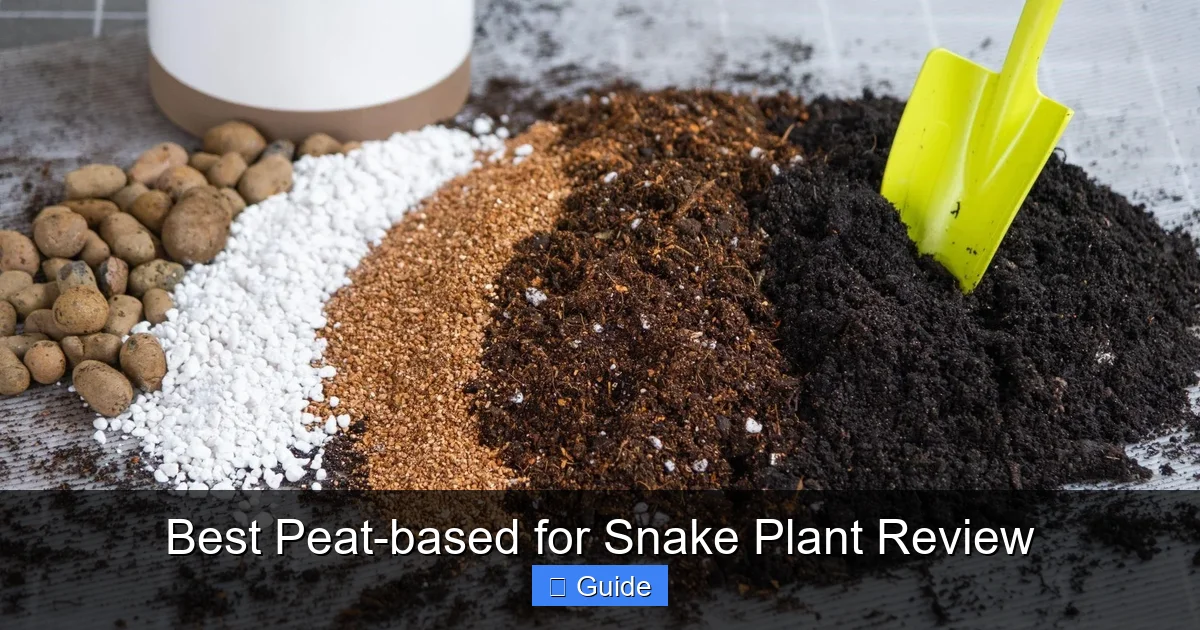
Visual guide about Best Peat-based for Snake Plant Review
Image source: atami.com
Miracle-Gro Indoor Potting Mix
This is the one you’ll find at every big-box store, and for good reason. It’s affordable, widely available, and formulated specifically for container plants. The mix contains peat moss, perlite, and coconut coir, plus a wetting agent that helps peat absorb water evenly after it dries out.
What I like: The perlite content is generous, creating good airflow around roots. The added fertilizer feeds for up to six months. For beginners asking about the best peat-based for snake plant starter soil, this is my go-to recommendation.
What to watch: Some bags run wetter than others. If yours feels heavy and damp, mix in extra perlite at a 1:4 ratio before using.
FoxFarm Ocean Forest Potting Soil
Plant enthusiasts swear by this stuff. It’s a premium blend with peat moss, forest humus, sandy loam, bat guano, worm castings, and fish emulsion. The ingredient list reads like a gourmet meal for plants.
What I like: Incredible nutrient density. Plants often don’t need supplemental fertilizer for months. The texture is light and fluffy right out of the bag. The pH is adjusted to 6.3 to 6.8, perfect for snake plants.
What to watch: It’s pricey. A 12-quart bag costs three to four times more than basic mixes. Also, the rich organic content can attract fungus gnats if you overwater. Let the top two inches dry completely between waterings.
Espoma Organic Potting Mix
Espoma has built a loyal following with their organic approach. This mix features peat moss, perlite, and their proprietary Myco-tone blend of beneficial mycorrhizal fungi.
What I like: The mycorrhizae form symbiotic relationships with roots, improving water and nutrient uptake. It’s OMRI listed for organic gardening. The texture stays light and doesn’t compact easily.
What to watch: Some users report inconsistent moisture retention between bags. It’s also on the pricier side, though not as steep as FoxFarm.
Hoffman Organic Cactus and Succulent Soil Mix
Don’t let the name fool you. While marketed for cacti, this mix works beautifully for snake plants too. It’s primarily peat moss with coarse sand, perlite, and limestone.
What I like: Excellent drainage right out of the bag. The sand creates a gritty texture that mimics the snake plant’s native African habitat. Very affordable for a specialty mix.
What to watch: Low nutrient content. You’ll need to fertilize within a month or two. Some bags contain larger bark chunks that you may want to screen out.
Black Gold All Organic Potting Soil
A workhorse mix from a respected brand. Peat moss, compost, pumice, and earthworm castings create a balanced, nutrient-rich medium.
What I like: The pumice provides superior aeration compared to perlite and doesn’t float to the surface when watering. Good value for the quality. Consistent batch to batch.
What to watch: Can be difficult to find in some regions. Heavier than peat-perlite-only mixes due to the compost content.
Creating Your Own Custom Blend
Here’s a secret: many experienced growers mix their own soil. It’s cheaper, you control every ingredient, and you can tweak the recipe based on your specific conditions. If you tend to overwater, add more drainage. If your air is dry, increase moisture retention.
The Classic 50-50 Recipe
This is my default mix for snake plants:
- 50% peat-based potting soil (any basic brand)
- 50% perlite or coarse sand
That’s it. Two ingredients. The peat holds moisture and nutrients. The perlite or sand creates air pockets and prevents compaction. This simple blend outperforms many expensive specialty soils.
The Premium Three-Part Mix
When I want to spoil my plants, I use this ratio:
- 40% peat moss or coconut coir
- 30% perlite or pumice
- 30% compost or worm castings
The compost adds slow-release nutrients and beneficial microbes. Pumice is heavier than perlite so it stays mixed instead of floating. Coconut coir is a sustainable alternative to peat with similar properties but a more neutral pH.
The Gritty Mix for Chronic Overwaterers
If you love your plants a little too much with the watering can, try this:
- 30% peat-based soil
- 30% coarse sand (not play sand, builder’s sand)
- 20% perlite
- 20% small orchid bark or pumice
This mix drains so fast you almost can’t overwater it. The tradeoff is you’ll water more frequently. But for snake plants in low light or cool temperatures, this safety margin prevents root rot.
Repotting Your Snake Plant: Step by Step
You’ve got your soil. Now what? Repotting is straightforward, but a few key steps make all the difference.
When to Repot
Snake plants actually like being slightly root-bound. They’ll often bloom when their roots fill the pot. But eventually, the soil breaks down, nutrients deplete, and roots circle endlessly. Signs it’s time:
- Roots emerging from drainage holes
- Water runs straight through without absorbing
- Plant is top-heavy and tips over
- Growth has stalled despite good care
- It’s been 2-3 years since the last repot
Spring is ideal timing, as the plant enters active growth. But if roots are rotting, repot immediately regardless of season.
Pot Selection Matters
Choose a pot only 1-2 inches larger in diameter than the current one. Snake plants have shallow root systems. A too-large pot holds excess soil that stays wet too long. Terracotta is excellent because it wicks moisture away from roots. Plastic works fine if you’re careful with watering. Always ensure drainage holes.
The Repotting Process
- Water the plant lightly a day before. Moist soil holds together better.
- Gently remove the plant. Squeeze plastic pots or run a knife around terracotta edges.
- Loosen the root ball. Tease apart circling roots. Trim any black, mushy roots with clean scissors.
- Add a layer of fresh mix to the new pot. Position the plant at the same depth it was growing.
- Fill around roots with your chosen best peat-based for snake plant mix. Tap the pot to settle soil. Don’t pack it down.
- Wait 3-5 days before watering. This lets any damaged roots callous over.
Aftercare Tips
Place the repotted plant in bright, indirect light. Avoid direct sun for a week. Don’t fertilize for at least a month; the fresh soil has nutrients. Resume normal care once you see new growth.
Common Problems and Solutions
Even with the best peat-based for snake plant soil, issues arise. Here’s how to diagnose and fix the most frequent problems.
Yellowing Leaves
Usually overwatering. Check the soil moisture at the bottom of the pot, not just the top. A wooden chopstick inserted to the bottom tells the truth. If it comes out wet, hold off on water. Ensure your pot has drainage and you’re not using a saucer that holds water.
Brown, Crispy Leaf Tips
Typically underwatering or low humidity. But it can also mean fertilizer burn or fluoride sensitivity from tap water. Try distilled or rainwater. Flush the soil monthly by running water through for several minutes.
Mushy, Smelly Roots
Root rot. Emergency action needed. Unpot the plant. Rinse roots under lukewarm water. Cut away all soft, brown, smelly roots with sterilized scissors. Dust remaining roots with cinnamon (natural antifungal). Repot in fresh, dry, gritty mix. Don’t water for a week.
Fungus Gnats
Those tiny black flies breeding in wet soil. They love peat. Let the top two inches dry completely. Add a half-inch layer of sand or diatomaceous earth on top. Yellow sticky traps catch adults. Mosquito bits (Bacillus thuringiensis) in the water kill larvae.
Soil Compaction
Over time, peat breaks down and compacts, reducing airflow. If water pools on top or runs down the sides without penetrating, the soil is compacted. Gently aerate with a chopstick. Or better yet, repot with fresh mix.
Seasonal Care Adjustments
Your snake plant’s needs change with the seasons. The best peat-based for snake plant care adapts accordingly.
Spring: Growth Season
This is when snake plants wake up. Increase watering frequency as new growth appears. Begin fertilizing with a balanced, diluted houseplant fertilizer monthly. Repot now if needed. Watch for flower spikes; they’re rare but spectacular.
Summer: Peak Activity
Bright light and warm temperatures mean faster growth and more water use. Check soil weekly. Outdoor plants may need water every 5-7 days. Indoor plants every 10-14 days. Continue monthly fertilizing.
Fall: Slowing Down
As days shorten, growth slows. Reduce watering frequency. Stop fertilizing by early fall. The plant needs to harden off for winter. This is a good time to propagate if you want more plants.
Winter: Rest Period
Snake plants are semi-dormant in winter. Water sparingly, maybe once a month. No fertilizer. Keep away from cold drafts and heating vents. If your home is very dry, a humidifier helps, but don’t mist the leaves; water trapped in leaf bases causes rot.
Special Considerations for Different Varieties
Not all snake plants are created equal. The classic Sansevieria trifasciata is the most common, but there are over 70 species and countless cultivars. Some have different preferences.
Bird’s Nest Varieties (Hahnii)
These compact rosettes stay under 12 inches. Their smaller root systems mean they’re even more susceptible to overwatering. Use a grittier mix with extra perlite. Shallow pots work better than deep ones.
Cylindrical Snake Plant (S. cylindrica)
Those striking round leaves store more water than flat-leaved types. They need even less frequent watering. A very fast-draining mix is essential. They also tolerate brighter light.
Variegated Varieties
Plants with yellow or white edges (like ‘Laurentii’) have less chlorophyll. They grow slower and need slightly more light to maintain variegation. They’re also more sensitive to fertilizer burn. Use half-strength fertilizer.
Rare and Collector Varieties
If you’re lucky enough to have a ‘Moonshine,’ ‘Whale Fin,’ or ‘Samurai,’ treat them like the treasures they are. These often command high prices. Invest in the best peat-based for snake plant mix you can find or make. Monitor closely for any signs of stress.
Sustainability and Peat Alternatives
I’d be remiss not to mention the environmental conversation around peat. Peat bogs are carbon sinks that take thousands of years to form. Harvesting releases stored carbon and destroys unique ecosystems. Many countries are phasing out horticultural peat.
Coconut Coir: The Leading Alternative
Coir comes from coconut husks, a waste product of the coconut industry. It’s renewable, holds water similarly to peat, and has a more neutral pH. Many premium mixes now use coir instead of or alongside peat.
Quality varies. Cheap coir can be high in salts. Look for “buffered” or “washed” coir. Brands like Mother Earth and Coco Loco are reliable.
Other Alternatives Worth Trying
- PittMoss: Made from recycled paper fibers. Excellent water retention and aeration.
- Composted bark: Sustainable, good structure, but breaks down faster.
- Rice hulls: Agricultural byproduct. Improves drainage but doesn’t hold nutrients.
- Leaf mold: Free if you compost leaves. Great texture, low nutrients.
If you want to reduce or eliminate peat, start by replacing half the peat in your mix with coir. See how your plants respond. Many growers find they prefer coir-based mixes once they adjust their watering habits.
Budget-Friendly Tips
Quality soil doesn’t have to break the bank. Here’s how to save money without sacrificing plant health.
Buy in Bulk
If you have multiple plants or repot regularly, large bags or compressed bales save significantly per quart. Split a bale with plant friends. Store dry soil in sealed containers to keep pests out.
Amend Cheap Base Mixes
A $5 bag of basic potting soil plus a $4 bag of perlite beats a $15 specialty mix. The key is adding enough drainage material. Don’t be shy with the perlite.
Reuse and Refresh
Old soil isn’t trash. Solarize it in black plastic bags in summer sun for 4-6 weeks to kill pathogens. Then mix 50/50 with fresh amendments. Add compost or worm castings to restore nutrients.
Local Resources
Check municipal compost programs. Many cities sell high-quality compost cheaply. Arborists often give away wood chips that can be composted. Local nurseries may sell their custom blends by the bucket.
Conclusion
Finding the best peat-based for snake plant soil comes down to understanding one core principle: drainage is king. Whether you choose a premium commercial mix, blend your own custom recipe, or experiment with peat alternatives, prioritize aeration and moisture control.
Your snake plant will tell you what it needs. Firm, upright leaves with vibrant color mean you’ve nailed it. Yellowing, mushy leaves mean the soil stays too wet. Slow growth and brown tips mean it’s too dry or nutrient-poor. Observe, adjust, and enjoy the journey.
Remember, these plants have survived harsh African climates for millennia. They’re resilient. A less-than-perfect soil mix won’t kill them overnight. But the right mix? That’s what transforms a surviving plant into a thriving centerpiece that produces pups, blooms occasionally, and becomes a legacy plant you can share with friends and family.
Start with a quality peat-based mix heavy on perlite. Watch your plant. Learn its rhythms. Adjust as needed. Before you know it, you’ll be the one giving soil advice to fellow plant parents.
Frequently Asked Questions
What is the best peat-based for snake plant soil mix for beginners?
Miracle-Gro Indoor Potting Mix is the best peat-based for snake plant beginners. It’s affordable, widely available, contains perlite for drainage, and includes slow-release fertilizer. Just add extra perlite if it feels too moisture-retentive.
How do I know if my peat-based soil is too wet for my snake plant?
Insert a wooden chopstick to the bottom of the pot. If it comes out wet or with dark soil clinging to it, the mix is too moist. Snake plants need the soil to dry almost completely between waterings.
Can I mix peat moss with regular garden soil for snake plants?
Avoid garden soil in containers. It compacts terribly, drains poorly, and may contain pests or pathogens. Use a commercial potting mix or make your own with peat, perlite, and compost.
Is coconut coir better than peat moss for snake plants?
Coconut coir is a sustainable alternative with similar water retention but a more neutral pH. Many growers prefer it once they adjust watering habits. Quality buffered coir works excellently for snake plants.
Should I add fertilizer to my peat-based snake plant soil?
Most commercial peat-based mixes include starter fertilizer lasting 1-3 months. After that, fertilize monthly during spring and summer with diluted balanced fertilizer. Stop in fall and winter.
What’s the difference between peat moss and sphagnum moss?
Peat moss is partially decomposed sphagnum moss harvested from bog bottoms. Sphagnum moss is the living, long-fibered top layer. For snake plants, peat moss (in mixes) is appropriate; long-fiber sphagnum holds too much water.