Professional Modular for Gasteria
Professional modular for gasteria systems let you create flexible, scalable displays for these charming succulents. With the right layout, light, and watering routine, your gasteria collection will stay healthy and look stunning.
Gasteria plants are small succulents with thick, tongue‑shaped leaves. They come from South Africa and thrive in dry, rocky places. Because they stay compact, they fit well on shelves, desks, and windowsills. A professional modular for gasteria setup lets you arrange many plants in a tidy, expandable system.
Using a professional modular for gasteria approach gives you flexibility. You can add or remove modules as your collection grows. Each module can hold a single pot or a group of pots. This makes watering, lighting, and pest checks easier. The system also looks clean and modern in any room.
In this guide you will learn the basics of gasteria care, how to plan a professional modular for gasteria layout, which modules and containers work best, soil and light needs, watering tips, maintenance routines, and creative display ideas. Follow each step and your gasteria will thrive for years.
Key Takeaways
- Choose the right modules: Pick modules that fit your shelf size and allow airflow.
- Use well‑draining soil: A gritty mix prevents root rot and keeps plants happy.
- Provide bright, indirect light: Gasteria loves filtered sun but hates harsh afternoon rays.
- Water sparingly: Let the soil dry completely between waterings.
- Rotate modules regularly: Even growth happens when each side gets light.
- Watch for pests: Inspect leaves weekly and treat early with neem oil if needed.
Quick Answers to Common Questions
What is a professional modular for gasteria system?
A professional modular for gasteria system is a flexible, expandable arrangement of individual modules that each hold a gasteria plant, allowing easy care, uniform lighting, and simple expansion as your collection grows.
How often should I water gasteria in a modular setup?
Water only when the soil is completely dry, typically every 10‑14 days in summer and every 3‑4 weeks in winter.
Can I use regular potting soil for gasteria?
No, regular potting soil retains too much moisture. Use a gritty mix of sand, perlite, and cactus soil for best drainage.
What light conditions are ideal for gasteria?
Bright, indirect light is best. A north‑facing window or a LED grow light 12 inches above the modules for 12 hours daily works well.
How do I propagate gasteria pups in a modular system?
When pups reach about 1 inch tall, gently separate them with a clean knife and plant each in its own module with fresh soil mix.
📑 Table of Contents
Understanding Gasteria Basics
What Makes Gasteria Unique
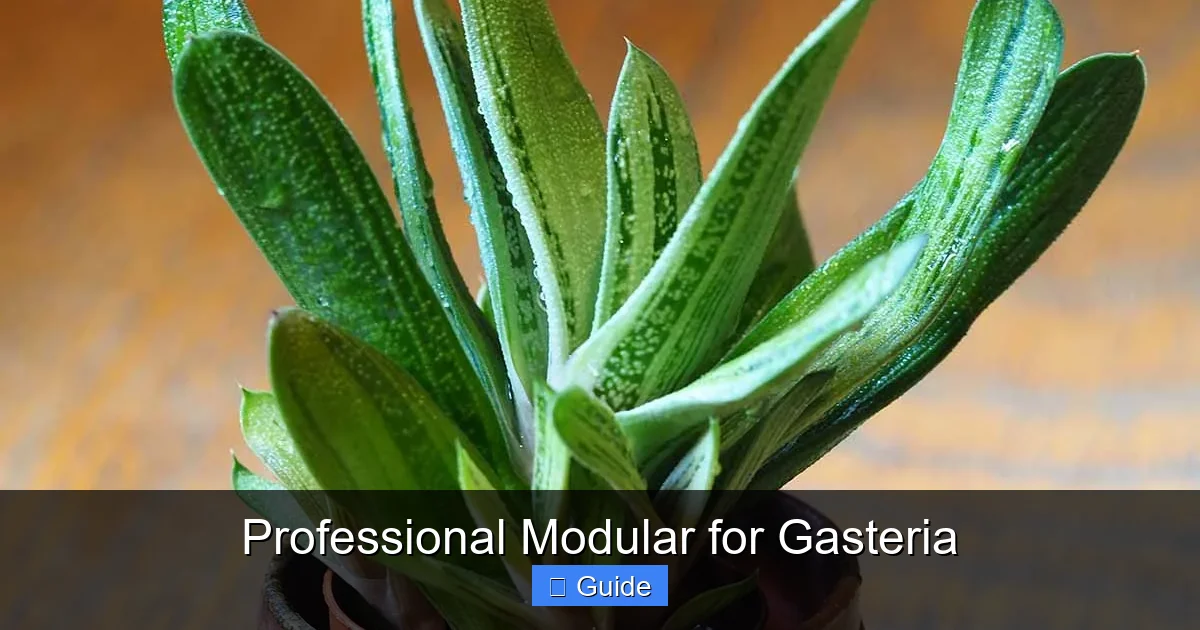
Gasteria leaves are thick and often have white spots or stripes. They store water in their leaves. This means they survive drought well. They prefer temperatures between 60 °F and 80 °F. Frost will damage them quickly.
Growth Habit
Most gasteria stay under 12 inches tall. They produce offsets, also called pups, at the base. These pups can be separated and planted in new modules. A professional modular for gasteria system makes pup propagation simple because each pup gets its own space.
Common Varieties
Popular varieties include Gasteria ‘Little Warty’, Gasteria ‘Flow’, and Gasteria ‘Batesiana’. Each has slightly different leaf texture and color. Choose varieties that match your aesthetic. Mixing varieties in a professional modular for gasteria display adds visual interest.
Planning Your Professional Modular for Gasteria Layout
Measure Your Space
Start by measuring the shelf, table, or wall where you will place the system. Write down width, depth, and height. A professional modular for gasteria layout works best when modules fit the exact dimensions. Leave a small gap for airflow between modules.
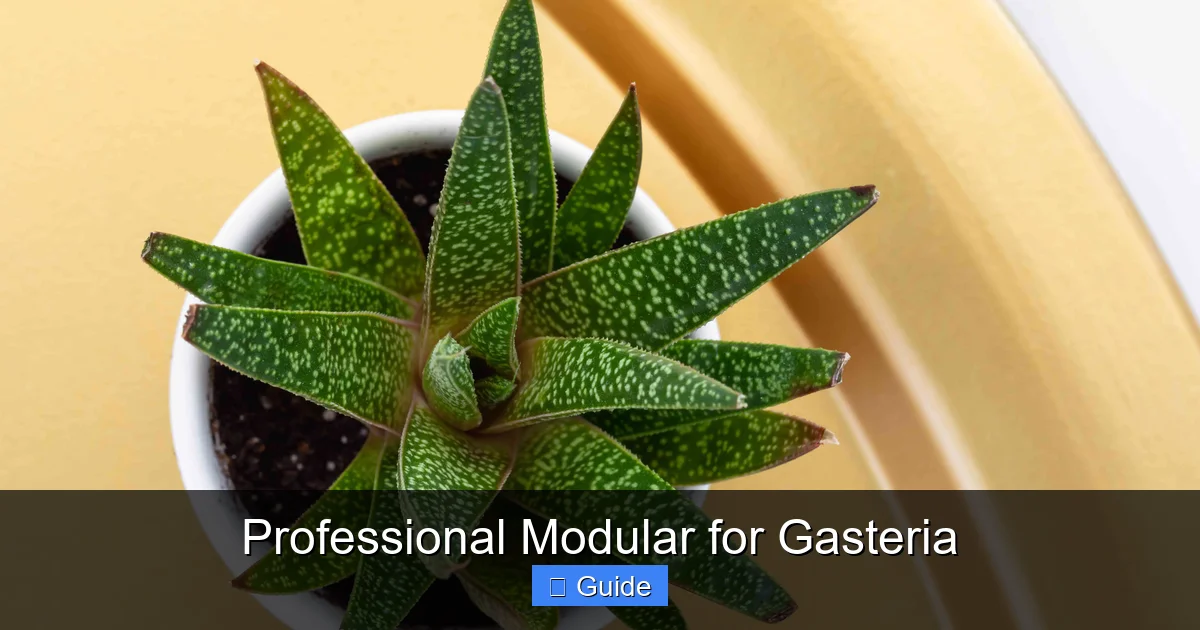
Visual guide about Professional Modular for Gasteria
Image source: thespruce.com
Decide Module Count
Count how many plants you have now and how many you expect in a year. Add two extra modules for future pups. A typical starter kit uses six to eight modules. You can always expand later because the system is modular.
Sketch a Simple Grid
Draw a quick grid on paper or a phone app. Place each module in a square. Keep the grid uniform. This helps you see the final look before you buy. A professional modular for gasteria grid also makes watering routes clear.
Consider Light Direction
Identify where natural light enters the room. Position modules so each plant receives similar light. If one side gets more sun, rotate the whole grid weekly. A professional modular for gasteria design that respects light direction prevents leggy growth.
Selecting Modules and Containers
Module Materials
Common module materials are plastic, metal, and wood. Plastic modules are light, cheap, and easy to clean. Metal modules add a modern look and are very sturdy. Wood modules give a warm feel but need a sealant to resist moisture. Choose a material that matches your decor and budget.
Container Size
Each module should hold a pot 3 inches to 4 inches wide. This size gives roots room without wasting space. Shallow pots work well because gasteria roots stay near the surface. A professional modular for gasteria system with uniform pot sizes looks neat.
Drainage Features
Make sure every module has drainage holes or a removable tray. Standing water causes rot. If a module lacks holes, drill a few small ones. Add a layer of gravel at the bottom of each pot for extra drainage.
Stackable vs. Side‑by‑Side
Stackable modules save floor space but can shade lower plants. Side‑by‑side modules give each plant equal light. For most homes, a side‑by‑side professional modular for gasteria layout works best. Use stackable units only if you have strong overhead grow lights.
Soil, Light, and Water Requirements
Ideal Soil Mix
Mix two parts coarse sand, one part perlite, and one part cactus potting soil. This blend drains fast and holds a little moisture. Avoid regular garden soil; it stays wet too long. A professional modular for gasteria setup thrives on this gritty mix.
Light Levels
Gasteria prefers bright, indirect light. A north‑facing window or a spot a few feet from a south window works. Direct midday sun can scorch leaves. If natural light is low, add a 12‑watt LED grow light 12 inches above the modules. Run the light 12 hours daily.
Watering Schedule
Water only when the soil is completely dry. Stick a finger 1 inch deep; if it feels dry, water thoroughly until it drains out. In summer, this may be every 10‑14 days. In winter, stretch to 3‑4 weeks. A professional modular for gasteria system makes it easy to check each pot individually.
Fertilizing
Feed once in spring and once in summer with a diluted cactus fertilizer (¼ strength). Do not fertilize in fall or winter. Over‑feeding causes weak, stretched growth. A light feed keeps the professional modular for gasteria display compact and colorful.
Maintenance Tips for Long‑Term Success
Weekly Inspection
Spend five minutes each week looking at every module. Check for yellow leaves, soft spots, or tiny insects. Early detection stops problems before they spread. A professional modular for gasteria layout lets you inspect each plant without moving heavy trays.
Rotating Modules
Rotate the entire grid 90 degrees every two weeks. This gives each side of every plant equal light. Rotation also encourages even pup production. Mark the front of the grid with a small sticker to track rotation.
Repotting Pups
When pups reach 1 inch tall, gently separate them with a clean knife. Plant each pup in its own module with fresh soil mix. Water lightly after repotting. A professional modular for gasteria system makes pup management simple because each new plant gets a dedicated spot.
Cleaning Modules
Wipe module surfaces with a damp cloth monthly. Remove dust and any salt buildup from fertilizer. Clean modules prevent fungal spores from settling. Use mild soap if needed, then rinse and dry before replacing pots.
Pest Control
Common pests are mealybugs, spider mites, and fungus gnats. Treat mealybugs with a cotton swab dipped in isopropyl alcohol. Spray spider mites with neem oil every 7 days until gone. Let soil dry fully to discourage fungus gnats. A professional modular for gasteria setup isolates pests to one module, making treatment easier.
Creative Display Ideas and Troubleshooting
Color‑Coordinated Groups
Group gasteria by leaf color: dark green, variegated, and silver‑blue. Place each color group in its own row of modules. This creates a striking visual pattern. A professional modular for gasteria display arranged by color looks like living art.
Mixed Height Arrangement
Use modules of two heights. Tall modules in the back, short modules in front. This adds depth and lets light reach all plants. Ensure the taller modules do not shade the shorter ones. Adjust spacing if needed.
Wall‑Mounted Grid
Mount modules on a wooden board and hang the board on a wall. This saves floor space and turns the collection into a vertical garden. Use sturdy brackets and check that the wall can hold the weight. A professional modular for gasteria wall grid becomes a conversation piece.
Seasonal Accents
Add small decorative stones, driftwood, or miniature figurines between modules. Change accents with seasons: pastel stones in spring, tiny pumpkins in fall. Keep accents lightweight so they do not block airflow. A professional modular for gasteria setup stays fresh year‑round.
Common Problems and Fixes
Leggy growth: Not enough light. Move modules closer to a window or increase grow‑light hours.
Soft, mushy leaves: Overwatering. Let soil dry fully, improve drainage, and reduce watering frequency.
Brown leaf tips: Low humidity or fertilizer burn. Mist lightly in the morning and flush soil with plain water.
Pests spreading: Isolate the affected module, treat immediately, and monitor neighbors.
Modules shifting: Secure modules with non‑slip pads or Velcro strips.
Conclusion
A professional modular for gasteria system gives you control, beauty, and room to grow. Start with a simple grid, choose the right modules, use a gritty soil mix, provide bright indirect light, and water only when dry. Rotate, inspect, and repot pups regularly. Add creative touches to make the display yours. Follow these steps and your gasteria collection will stay healthy, compact, and stunning for many seasons. Enjoy the process and watch your tiny succulents thrive in a professional modular for gasteria home.
Frequently Asked Questions
What size pots fit a professional modular for gasteria module?
Most modules accommodate 3‑inch to 4‑inch wide shallow pots, which give roots enough room without wasting space.
Do I need drainage holes in every module?
Yes, each module must have drainage holes or a removable tray to prevent standing water and root rot.
Can I stack modules vertically?
Stackable modules save space but can shade lower plants. Use them only with strong overhead grow lights; side‑by‑side layouts are generally better for even light.
How do I prevent pests in a modular gasteria display?
Inspect weekly, isolate any affected module, treat mealybugs with alcohol, spider mites with neem oil, and let soil dry fully to deter fungus gnats.
When should I fertilize my gasteria?
Fertilize once in spring and once in summer with a quarter‑strength cactus fertilizer; avoid feeding in fall and winter.
How do I clean the modules?
Wipe module surfaces monthly with a damp cloth, using mild soap if needed, then rinse and dry before replacing pots to prevent fungal buildup.