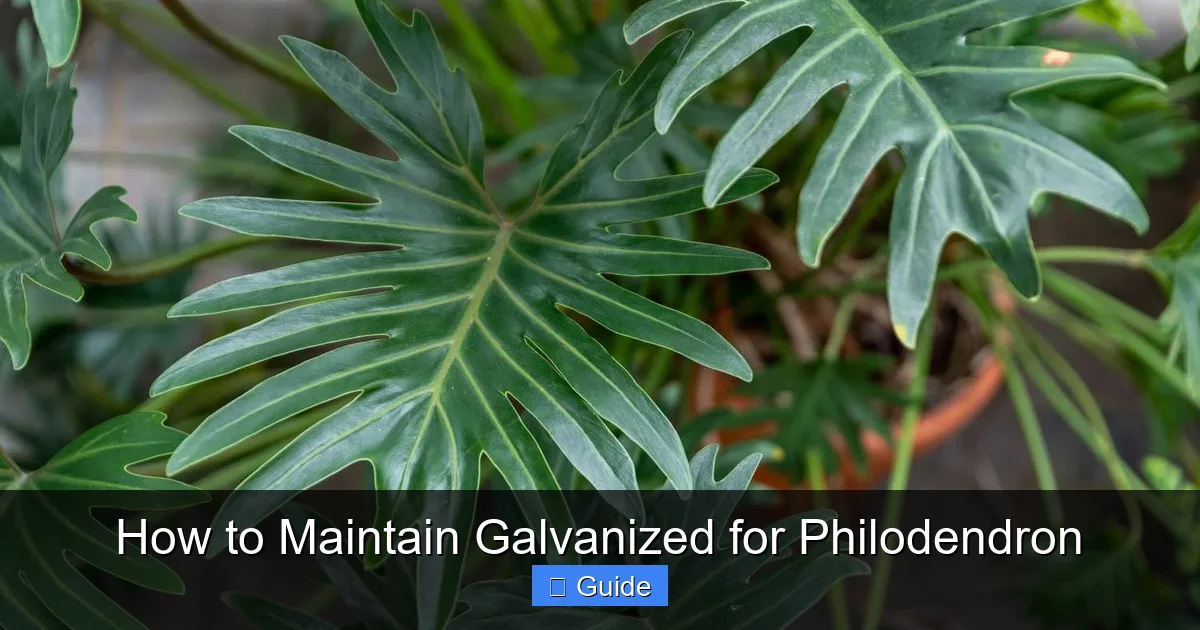
How to Maintain Galvanized for Philodendron
Galvanized planters offer durability and style for philodendrons, but they need proper care to prevent rust and ensure plant health. This guide covers everything from drainage setup and soil selection to watering techniques and long-term maintenance, helping your philodendrons thrive in metal containers for years to come.
If you’ve ever walked through a garden center and spotted those gorgeous galvanized steel troughs, buckets, or stock tanks, you know the appeal. They bring an instant industrial-chic vibe to any space, whether it’s a sunny patio, a bright living room corner, or a covered porch. And philodendrons? They’re one of the most rewarding houseplants you can grow. Lush, forgiving, and available in dozens of stunning varieties from the classic heartleaf to the dramatic pink princess.
But here’s the thing nobody tells you at the checkout counter. Putting a philodendron in a galvanized container isn’t quite as simple as dumping in soil and calling it a day. Metal planters behave differently than terracotta, ceramic, or plastic. They heat up faster. They don’t breathe. They can rust if you’re not careful. And without proper drainage, they turn into root rot factories faster than you can say “yellowing leaves.”
Don’t worry, though. I’ve learned these lessons so you don’t have to. In this guide, I’ll walk you through everything you need to know about maintaining galvanized planters for philodendrons. From the initial setup to long-term care, rust prevention to seasonal adjustments. By the end, you’ll have the confidence to grow stunning philodendrons in metal containers that look great and last for years.
Key Takeaways
- Drill drainage holes: Always add multiple drainage holes to prevent waterlogging and root rot in galvanized containers.
- Use a liner or barrier: Landscape fabric or plastic liners protect the metal from constant moisture contact and extend planter life.
- Choose well-draining soil: A chunky, aerated mix with perlite, orchid bark, and peat prevents compaction and promotes healthy roots.
- Monitor watering carefully: Metal heats up fast, so check soil moisture frequently and water only when the top inch feels dry.
- Prevent rust with maintenance: Touch up scratches with cold galvanizing compound and keep the exterior dry to stop corrosion.
- Elevate the planter: Use pot feet or bricks to improve airflow underneath and prevent moisture buildup on the bottom.
- Fertilize appropriately: Feed monthly during growing season with balanced liquid fertilizer diluted to half strength.
Quick Answers to Common Questions
Do galvanized planters need drainage holes for philodendrons?
Yes, absolutely. Galvanized planters typically come without drainage holes since they’re designed for livestock water. You must drill 8-12 holes in the bottom using a metal-cutting drill bit to prevent root rot.
Will a galvanized planter get too hot for philodendron roots in summer?
It can. Metal conducts heat, so soil temperatures in direct sun may exceed 85°F. Place planters in morning sun with afternoon shade, or use the double-pot method with an insulating air gap between containers.
How do I prevent rust in my galvanized planter?
Use landscape fabric liners, elevate the planter for airflow, apply cold galvanizing compound to any scratches, and seal the exterior annually with marine-grade spar urethane.
What soil mix works best for philodendrons in galvanized containers?
A chunky, well-draining mix of 2 parts potting soil, 1 part perlite, 1 part orchid bark, 1/2 part horticultural charcoal, and 1/2 part worm castings prevents compaction and promotes healthy roots.
How often should I water a philodendron in a galvanized planter?
Check soil moisture every 2-3 days in summer, 5-7 days in winter. Water only when the top inch feels dry. Water thoroughly until it drains from the bottom holes.
📑 Table of Contents
- Why Choose Galvanized Planters for Philodendrons
- Preparing Your Galvanized Planter: The Critical First Steps
- Choosing the Right Soil Mix for Galvanized Containers
- Planting Your Philodendron in a Galvanized Planter
- Watering Strategies for Galvanized Planters
- Fertilizing Philodendrons in Galvanized Containers
- Managing Temperature and Light Exposure
- Long-Term Maintenance: Keeping Your Planter Beautiful
- Troubleshooting Common Issues
- Creative Ideas for Galvanized Philodendron Displays
- Conclusion
Why Choose Galvanized Planters for Philodendrons
The Aesthetic Appeal
Let’s start with the obvious. Galvanized steel planters look fantastic. That soft, matte silver-gray finish works with virtually any decor style. Modern farmhouse? Check. Industrial loft? Absolutely. Minimalist Scandinavian? You bet. Even bohemian spaces benefit from the cool metallic contrast against warm wood and colorful textiles.
Philodendrons, with their rich green foliage and varied leaf shapes, pop beautifully against that neutral metal backdrop. A heartleaf philodendron spilling over the edges of a galvanized trough creates instant visual drama. A philodendron birkin standing tall in a galvanized bucket becomes a sculptural statement piece.
Durability That Lasts Decades
Unlike terracotta that cracks in freeze-thaw cycles, plastic that becomes brittle under UV exposure, or ceramic that chips when bumped, galvanized steel takes a beating and keeps on looking good. The zinc coating protects the underlying steel from corrosion, giving you a container that can easily last 20 to 30 years with proper care.
For philodendron collectors who like to invest in larger specimens over time, this durability matters. You won’t need to repot into a new container because the old one failed. The planter becomes a permanent fixture in your plant setup.
Cost-Effective for Large Specimens
Here’s a practical consideration. Large decorative ceramic pots cost a fortune. A 24-inch glazed ceramic planter can run $200 to $400 easily. A galvanized stock tank of similar size? Maybe $80 to $120 at a farm supply store. If you’re growing a massive philodendron selloum or a climbing variety that needs a substantial base, galvanized containers give you volume for a fraction of the price.
Lightweight Compared to Stone or Concrete
Despite being metal, galvanized planters are surprisingly light. A large stone or concrete planter of the same dimensions might require two people and a dolly to move. Most galvanized containers can be moved by one person, especially when empty. This matters when you need to rotate plants for even light exposure or bring them indoors for winter.
Preparing Your Galvanized Planter: The Critical First Steps
Drilling Drainage Holes Is Non-Negotiable
This is the single most important step. Most galvanized tubs, buckets, and stock tanks come without drainage holes. They’re designed to hold water for livestock, not drain it for plants. If you skip this step, your philodendron will almost certainly develop root rot within weeks.
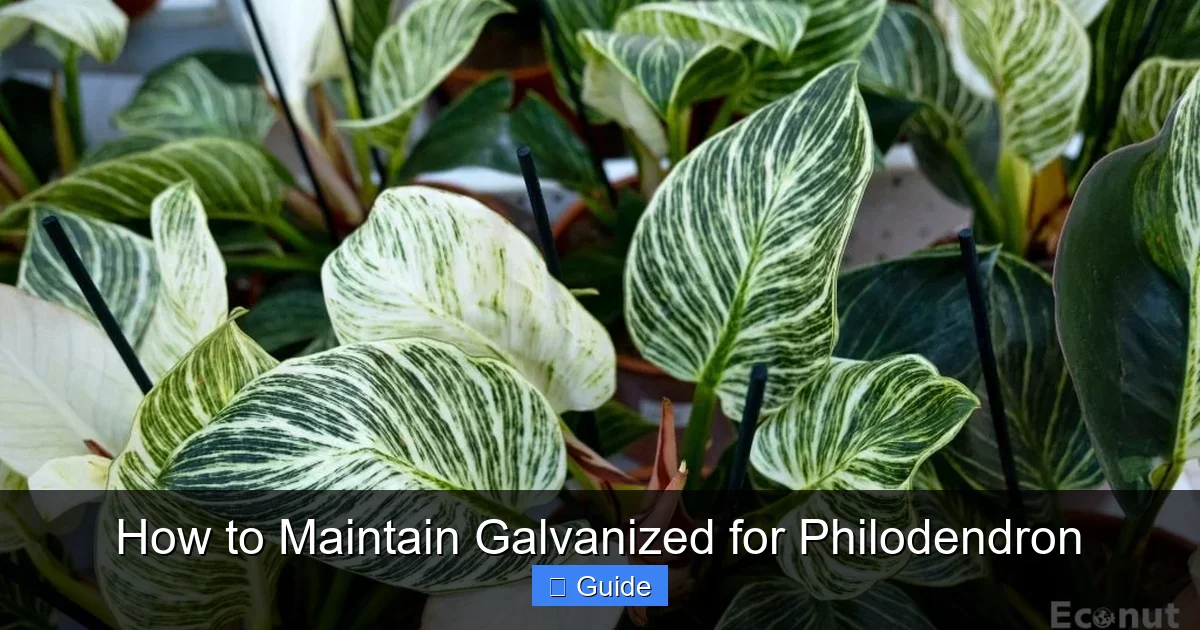
Visual guide about How to Maintain Galvanized for Philodendron
Image source: econutplants.com
You need a drill with a metal-cutting bit. A standard twist bit will work but dulls quickly. A cobalt or titanium-coated bit lasts longer. For a typical stock tank or large trough, drill 8 to 12 holes spaced evenly across the bottom. For smaller buckets, 4 to 6 holes work well. Make them at least 3/8 inch in diameter. Smaller holes clog with soil particles.
Pro tip: Place the planter on sawhorses or scrap wood while drilling. This lets the metal shavings fall away cleanly and prevents the bit from binding. Wear safety glasses. Those metal shavings fly everywhere and they’re sharp.
Adding a Protective Liner
Here’s a step many people skip, but it makes a huge difference in planter longevity. Line the interior with heavy-duty landscape fabric before adding soil. Cut a piece large enough to cover the bottom and extend up the sides by several inches. Secure it with a few dots of silicone caulk or just let the soil weight hold it in place.
Why bother? The landscape fabric creates a barrier between the wet soil and the metal. It prevents fine soil particles from clogging your drainage holes. Most importantly, it reduces direct moisture contact with the galvanized coating, significantly slowing down the corrosion process.
Some growers use plastic liners with their own drainage holes punched to match the container. This works too, but landscape fabric breathes better and doesn’t trap moisture against the metal walls the way solid plastic can.
Elevating for Airflow
Never set a galvanized planter directly on a deck, patio, or floor. The bottom will stay perpetually damp, accelerating rust from the outside in. Use pot feet, bricks, or purpose-made planter risers to lift the container at least an inch off the ground.
This simple step allows air to circulate underneath, drying the bottom surface between waterings. It also prevents unsightly rust rings on your deck or patio pavers. For indoor use, a plastic plant saucer with feet built in works perfectly.
Sealing Existing Rust Spots
If your galvanized planter has a few rust spots already, don’t panic. Clean the area with a wire brush to remove loose rust. Wipe with white vinegar to neutralize remaining oxidation. Let it dry completely. Then apply a cold galvanizing compound (available in spray cans at hardware stores) to the spot. This zinc-rich paint restores the protective barrier.
Do this before adding soil. Once the planter is planted, accessing the interior for touch-ups becomes nearly impossible without disturbing the plant.
Choosing the Right Soil Mix for Galvanized Containers
Why Standard Potting Soil Falls Short
Bagged potting soil straight from the store is often too dense for metal containers. It compacts over time, especially in a non-porous container where moisture has nowhere to go but down. Compacted soil suffocates philodendron roots, which need oxygen as much as they need water.
Additionally, metal conducts heat. In direct sun, the soil temperature in a galvanized planter can climb 10 to 15 degrees higher than in a light-colored ceramic pot. Dense soil holds that heat, creating a root zone that’s too hot for comfort.
The Ideal Philodendron Mix for Metal Planters
Create a custom blend that prioritizes drainage and aeration. Here’s a reliable recipe:
- 2 parts high-quality potting soil (peat-based)
- 1 part perlite
- 1 part orchid bark (medium grade)
- 1/2 part horticultural charcoal
- 1/2 part worm castings
The perlite and orchid bark create air pockets that resist compaction. Charcoal helps filter impurities and prevents anaerobic conditions at the bottom. Worm castings provide slow-release nutrients without the burn risk of synthetic fertilizers.
For climbing philodendrons like philodendron micans or brasil, increase the orchid bark to 1.5 parts. These epiphytic varieties naturally grow on trees and appreciate even chunkier, more aerated media.
Testing Your Mix
Before filling the planter, do a quick squeeze test. Moisten the mix slightly. Grab a handful and squeeze. It should hold together momentarily, then crumble easily when you open your hand. If it stays in a tight ball, add more perlite and bark. If it won’t hold at all, add a bit more potting soil.
Planting Your Philodendron in a Galvanized Planter
Timing Matters
Spring and early summer are ideal for planting or repotting philodendrons into galvanized containers. The plant is entering active growth and will recover quickly from any root disturbance. Avoid repotting in late fall or winter when growth slows and the plant is more vulnerable to stress.
Step-by-Step Planting Process
Start by adding a 2-inch layer of your soil mix to the bottom of the lined planter. Gently remove the philodendron from its nursery pot. If the roots are tightly circling, tease them apart with your fingers. This encourages outward growth into the new medium rather than continuing the circular pattern.
Place the plant in the center (or slightly off-center for a more natural look). The top of the root ball should sit about 1 to 2 inches below the planter rim. This leaves room for watering without overflow.
Backfill with your soil mix, firming gently as you go. Don’t pack it down hard. You want the mix to settle naturally with watering. Leave that 1 to 2 inch gap at the top.
Water thoroughly until you see water exiting the drainage holes. This settles the soil and eliminates large air pockets. You may need to add a bit more mix after the first watering as it settles.
Adding Support for Climbing Varieties
If you’re planting a vining philodendron like heartleaf, brasil, or micans, install a support structure at planting time. A moss pole, coir totem, or even a simple bamboo stake works. Pushing a support into an established root ball later damages roots.
Secure the vine to the support with soft plant ties or velcro plant tape. As the plant grows, continue attaching new growth. This encourages larger leaves and the mature fenestrated form many collectors prize.
Watering Strategies for Galvanized Planters
Understanding the Metal Factor
Galvanized steel changes the watering game in two major ways. First, metal conducts heat. On a sunny day, the planter walls warm up, heating the soil from the sides. This increases evaporation from the root zone, meaning the soil dries faster than in insulated containers.
Second, metal is non-porous. Terracotta wicks moisture away through its walls. Plastic and ceramic slow evaporation. Galvanized steel does neither. All moisture loss happens through the soil surface and drainage holes. The top dries fast while the bottom stays wet longer, creating a steep moisture gradient.
The Finger Test Is Your Best Friend
Forget watering schedules. Stick your finger into the soil up to the second knuckle. If it feels dry at your fingertip, water. If there’s any moisture, wait. Check every 2 to 3 days in summer, every 5 to 7 days in winter.
For larger planters where you can’t reach the root zone easily, invest in a soil moisture meter. The long probe reaches deeper than your finger. Look for a reading of 3 to 4 (on a 1 to 10 scale) before watering.
Watering Technique Matters
When you water, water thoroughly. Apply water slowly across the entire soil surface until it flows freely from the drainage holes. This ensures the entire root ball gets moistened, not just the top layer.
Avoid the temptation to give frequent small sips. This encourages shallow root growth and salt buildup. Deep, infrequent watering promotes deep, resilient roots.
Seasonal Adjustments
Summer heat means more frequent watering. A large philodendron in a galvanized trough in full sun might need water every 2 days. The same plant in fall might go 10 days between drinks. Winter indoors with heating? Maybe every 2 weeks.
Watch the plant, not the calendar. Drooping leaves usually mean underwatering. Yellowing lower leaves with wet soil mean overwatering. Adjust accordingly.
Water Quality Considerations
Philodendrons prefer slightly acidic water (pH 5.5 to 6.5). Tap water is often alkaline. If your water is hard, consider using filtered water, rainwater, or letting tap water sit overnight to allow chlorine to dissipate. This isn’t critical for survival, but it optimizes growth and prevents mineral buildup in the soil.
Fertilizing Philodendrons in Galvanized Containers
Why Fertilizer Needs Change in Metal Planters
Frequent watering in galvanized planters leaches nutrients faster than in less porous containers. Every time water drains out the bottom, it carries dissolved minerals with it. Your philodendron needs regular replenishment.
However, the metal container creates a risk. Synthetic fertilizers are salts. In a non-porous container with no wicking action, salts accumulate in the soil. Over time, this burns roots and causes leaf tip browning.
Choosing the Right Fertilizer
Use a balanced liquid fertilizer (20-20-20 or 10-10-10) diluted to half the label strength. Organic options like fish emulsion, seaweed extract, or worm casting tea are gentler and less prone to salt buildup.
Slow-release fertilizer granules mixed into the soil at planting provide a baseline. But supplement with liquid feeds for active growth periods.
Feeding Schedule
Spring through early fall: Fertilize every 2 to 4 weeks with half-strength liquid fertilizer. Apply to moist soil, never dry, to prevent root burn.
Late fall through winter: Stop fertilizing entirely. The plant isn’t actively growing and can’t use the nutrients. They’ll just accumulate as salts.
Flushing the Soil
Every 3 to 4 months during growing season, flush the soil. Water heavily, letting 3 to 4 times the planter volume run through. This washes out accumulated salts. Do this the day before a scheduled fertilizing, not after.
Managing Temperature and Light Exposure
The Heat Conduction Challenge
This is the biggest downside of galvanized planters. In direct summer sun, the metal surface can reach 120°F or higher. That heat transfers to the soil, potentially cooking roots. Philodendrons are tropical understory plants. They like warmth, but not root-zone temperatures above 85°F.
Strategic Placement
Morning sun with afternoon shade is ideal. East-facing locations work beautifully. South or west exposures need afternoon protection, especially in zones 8 and above.
If you must place a galvanized planter in full sun, consider these mitigation strategies:
- Double-pot: Place a slightly smaller plastic or ceramic pot inside the galvanized one, with an air gap between. The inner pot insulates the root zone.
- Shade the container: Position lower plants or decorative elements to shade the metal walls while the philodendron foliage gets light.
- Use light-colored mulch: A layer of light gravel or white perlite on the soil surface reflects some heat.
- Water more frequently: Evaporative cooling helps, but don’t overwater.
Winter Considerations
In cold climates, galvanized planters left outdoors freeze solid. The metal offers zero insulation. Philodendrons are not cold-hardy. They’ll die at the first hard freeze.
Plan to move containers indoors or to a protected space when nighttime temperatures approach 50°F. The lightweight nature of galvanized steel makes this manageable even for large planters.
If you must overwinter a large planter outdoors (zone 9b+), wrap the container in bubble wrap or burlap, mulch heavily over the soil surface, and place against a south-facing wall for radiant heat.
Long-Term Maintenance: Keeping Your Planter Beautiful
Exterior Care
The outside of your galvanized planter faces sun, rain, and physical contact. Over time, the zinc coating develops a patina. Some people love this weathered look. Others prefer the original finish.
To maintain the original look, wipe the exterior down monthly with a damp cloth. Remove bird droppings, tree sap, and mineral deposits promptly. These can etch the zinc coating if left too long.
Once a year, apply a clear marine-grade spar urethane or a specialized metal sealant to the exterior. This adds a sacrificial layer that takes the UV and weather abuse instead of the galvanizing. Test on a small area first, some sealants darken the metal slightly.
Interior Rust Prevention
Despite your best efforts with liners and drainage, the interior will eventually show some rust, especially at the soil line where moisture and air meet. This is normal.
Inspect the interior annually during repotting or when the plant is dormant. Use a flashlight to check the soil line and drainage hole areas. Surface rust is cosmetic. Flaking or pitting rust means the zinc is gone and the steel is corroding.
For surface rust, you can’t easily treat the interior with a plant in place. But you can slow progression by ensuring excellent drainage, using the landscape fabric liner, and avoiding overwatering.
Repotting Timeline
Philodendrons in galvanized planters typically need repotting every 2 to 3 years. Signs it’s time:
- Roots emerging from drainage holes
- Water runs straight through without absorbing
- Plant dries out daily despite cool weather
- Growth has slowed despite good care
- Soil level has dropped significantly
When repotting, take the opportunity to inspect the planter interior. Remove old landscape fabric, clean out debris, check drainage holes for clogs, and apply cold galvanizing compound to any rust spots. Replace the liner with fresh fabric.
Cleaning Mineral Deposits
Hard water leaves white mineral crust on the interior soil line and exterior bottom edges. A 50/50 vinegar-water solution dissolves these deposits. Spray, let sit 10 minutes, scrub with a nylon brush, rinse thoroughly. Do this when the plant is out for repotting, or carefully with the plant in place, avoiding soil contact with the vinegar solution.
Troubleshooting Common Issues
Yellowing Leaves
If lower leaves yellow while soil stays wet, you’re overwatering or drainage is insufficient. Check that drainage holes aren’t clogged. Reduce watering frequency. Ensure the planter is elevated.
If yellowing occurs with dry soil and the plant is in bright light, it might be nutrient deficiency. Check your fertilizing schedule.
Brown Crispy Leaf Edges
Usually indicates low humidity, underwatering, or salt buildup. Increase humidity with a pebble tray or humidifier. Check watering. Flush the soil if you’ve been fertilizing heavily.
Leggy Growth with Small Leaves
Insufficient light. Move to a brighter location. For vining varieties, provide a support to encourage larger mature leaves.
Root Rot
The nightmare scenario. Mushy, brown/black roots with a foul smell. Caused by chronic overwatering or poor drainage. If caught early, remove the plant, trim all rotten roots, treat remaining roots with hydrogen peroxide solution (1 part 3% peroxide to 4 parts water), and repot in fresh, dry mix in a clean planter.
Pest Issues
Spider mites love hot, dry conditions, which galvanized planters in sun can create. Check leaf undersides regularly. Treat with insecticidal soap or neem oil at first sign. Fungus gnats indicate overly wet soil. Let the top 2 inches dry completely between waterings and add a layer of sand or diatomaceous earth on the soil surface.
Creative Ideas for Galvanized Philodendron Displays
The Stock Tank Garden
A 4-foot or 6-foot galvanized stock tank makes an incredible mixed philodendron planter. Combine upright varieties like philodendron selloum or xanadu as centerpieces with trailing heartleaf or brasil along the edges. Add a few companion plants like pothos, ferns, or calatheas for texture contrast.
Space plants 12 to 18 inches apart. They’ll fill in within a season. The long rectangular shape looks stunning on a patio or against a fence.
Vertical Galvanized Wall Planters
Galvanized wall pockets or mounted buckets create living walls. Plant heartleaf philodendrons in each pocket. As they trail, they’ll cover the metal, creating a lush green tapestry. Ensure each pocket has drainage and its own liner.
Galvanized Bucket Cluster
Group 3 to 5 galvanized buckets of varying sizes. Plant a different philodendron variety in each. The repetition of material unifies the display while the plant variety adds interest. Elevate the smaller buckets on plant stands for height variation.
Industrial Pipe Trellis System
For climbing philodendrons, build a trellis from black iron pipe and fittings mounted behind or inside a galvanized trough. The industrial materials complement each other perfectly. Train philodendron micans, pink princess, or white knight up the pipes for a stunning specimen display.
Conclusion
Growing philodendrons in galvanized planters combines the best of both worlds. You get the rugged, timeless appeal of industrial containers with the lush, tropical beauty of one of the most rewarding plant genera around. Yes, metal containers demand a bit more attention to drainage, watering, and rust prevention than your average pot. But the payoff is a display that looks better with age and plants that thrive with proper care.
Remember the fundamentals. Drill those drainage holes. Use a liner. Choose a chunky, well-draining mix. Water deeply but infrequently based on soil moisture, not a schedule. Fertilize lightly and flush periodically. Protect from extreme heat and cold. And give your planter a little TLC once a year.
Do these things, and your galvanized planters will house magnificent philodendrons for decades. The metal will develop character. The plants will grow more impressive each year. And you’ll have the satisfaction of knowing you’ve mastered a container style that challenges many growers.
So grab that drill, pick up a stock tank or a few buckets, and start planting. Your philodendrons are waiting for their perfect metal home.
Frequently Asked Questions
Can I plant a philodendron directly in a galvanized stock tank without modifications?
No, you must drill drainage holes first. Stock tanks are designed to hold water, not drain it. Without holes, water will pool at the bottom and cause root rot within weeks. Drill 8-12 holes using a metal-cutting bit.
Is the zinc coating on galvanized planters toxic to philodendrons?
No, the zinc coating is not toxic to plants at normal levels. Philodendrons tolerate zinc well. However, acidic soil can accelerate zinc leaching. Using a landscape fabric liner and maintaining proper soil pH (5.5-6.5) minimizes any potential issues.
How long do galvanized planters last with philodendrons?
With proper care including liners, drainage, elevation, and annual maintenance, galvanized planters last 20-30 years. The zinc coating slowly sacrifices itself to protect the steel. Touching up scratches and sealing the exterior significantly extends lifespan.
Should I insulate my galvanized planter for winter?
If you’re in a freeze-prone zone, move philodendrons indoors. Galvanized metal offers zero insulation. If you must keep it outdoors in zone 9b+, wrap the container in bubble wrap or burlap, mulch heavily, and place against a south-facing wall.
Can I use galvanized planters for all philodendron varieties?
Yes, all philodendron varieties grow well in galvanized containers with proper care. Upright types like selloum and xanadu need larger troughs. Vining types like heartleaf, micans, and brasil thrive in buckets with supports. Adjust container size to the mature plant size.
What’s the best way to clean mineral deposits off galvanized planters?
Use a 50/50 white vinegar and water solution. Spray affected areas, let sit 10 minutes, scrub with a nylon brush, and rinse thoroughly. Do this during repotting when the plant is out, or carefully avoid getting solution in the soil.