Best Fertilizer for Vegetables Indoors
Choosing the best fertilizer for vegetables indoors ensures your plants get the nutrients they need without the guesswork. This guide breaks down types, application methods, and top picks so you can grow healthy, productive crops year‑round.
Growing vegetables inside can feel like a puzzle. You have light, water, and space figured out, but the nutrition piece often trips people up. The right feed makes the difference between a sad, leggy plant and a bushy, productive one. In this guide we walk through everything you need to know about the best fertilizer for vegetables indoors so you can pick a product with confidence.
We keep the language simple. Short sentences. Clear steps. By the end you will know which type fits your setup, how to apply it, and which brands consistently deliver results. Let’s dive in.
Key Takeaways
- Indoor veggies need a balanced feed: They cannot reach soil nutrients like outdoor plants.
- Liquid fertilizers work fast: They deliver nutrients directly to roots.
- Slow‑release granules reduce work: They feed plants over weeks.
- Organic options improve soil health: They add microbes and organic matter.
- Match fertilizer to growth stage: Seedlings need more nitrogen; fruiting plants need phosphorus and potassium.
- Test pH before feeding: Proper pH lets roots absorb nutrients.
- Follow label rates to avoid burn: Too much fertilizer harms roots.
Quick Answers to Common Questions
What is the best fertilizer for vegetables indoors?
The best fertilizer for vegetables indoors depends on your setup, but a balanced liquid like General Hydroponics FloraSeries or a slow‑release granule such as Osmocote works for most growers.
How often should I fertilize indoor vegetables?
Liquid feeds are usually applied weekly, while slow‑release granules last 4‑6 months. Follow the product label for exact timing.
Can I use outdoor garden fertilizer inside?
It is not recommended. Outdoor formulas can be too strong for containers and may cause salt buildup.
Do organic fertilizers work as well as synthetic ones?
Yes, organic options like Neptune’s Harvest provide complete nutrition and improve soil biology, though they may act slower.
What N‑P‑K ratio is best for leafy greens?
A higher nitrogen ratio such as 10‑5‑5 or 6‑4‑4 encourages lush leaf growth.
📑 Table of Contents
Why Indoor Vegetables Need Special Fertilizer
Indoor containers hold a limited amount of soil. That soil runs out of nutrients quickly. Outdoor gardens benefit from rain, worms, and a deep soil profile. Inside, you are the sole source of food for the roots. If you skip feeding, leaves turn yellow, growth stalls, and yields drop. A targeted feed restores the missing minerals and keeps the plant’s metabolism running smoothly.
Limited Soil Volume
A typical pot holds only a few liters of mix. Nutrients leach out with each watering. After a few weeks the mix is mostly inert peat or coco coir. The plant then starves. Regular feeding replenishes what water removes.
Controlled Environment
Indoor temperatures stay steady. Light cycles are fixed. Plants grow faster than they would in a seasonal garden. Faster growth means higher nutrient demand. The best fertilizer for vegetables indoors matches that demand without overwhelming the root zone.
No Natural Soil Life
Beneficial microbes, earthworms, and fungi are absent in most potting mixes. Those organisms normally break down organic matter into plant‑available forms. Adding a fertilizer that includes micronutrients and, optionally, beneficial bacteria can mimic that natural cycle.
Types of Fertilizer for Indoor Veggies
Not all fertilizers are created equal. Understanding the main categories helps you choose the best fertilizer for vegetables indoors for your specific crops.
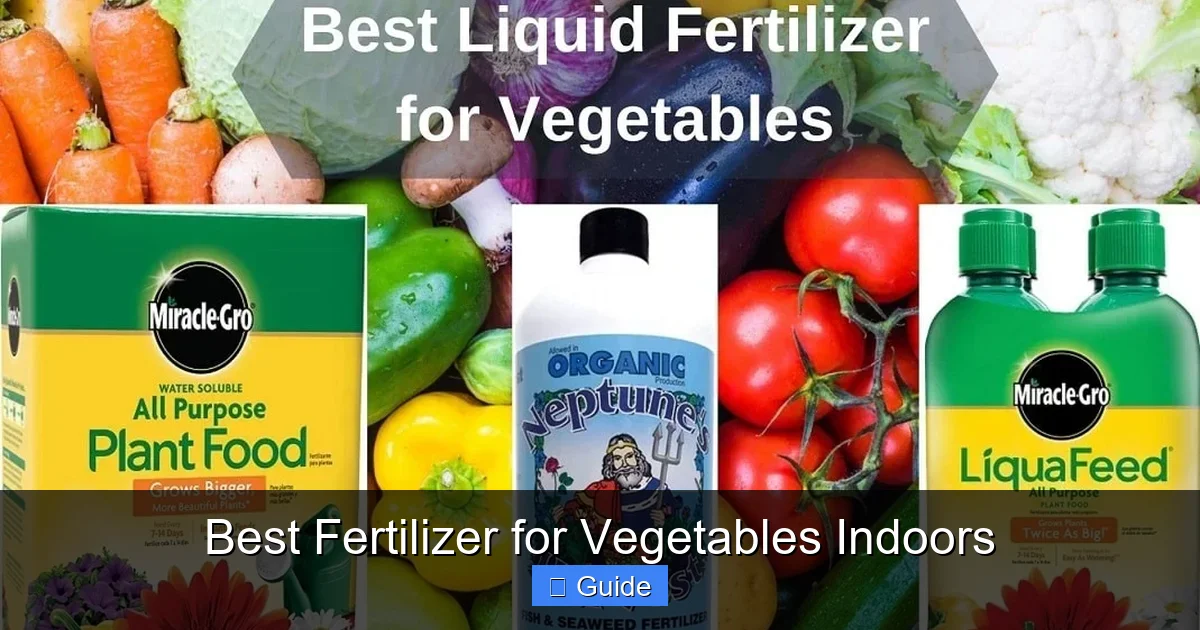
Visual guide about Best Fertilizer for Vegetables Indoors
Image source: keengarden.com
Liquid Concentrates
Liquid feeds dissolve instantly in water. You apply them each time you water. They give a quick nutrient boost. Great for seedlings and fast‑growing leafy greens. Watch the dilution rate; too strong a mix burns roots.
Water‑Soluble Powders
These powders dissolve like liquids but store longer. They are often cheaper per gallon. You mix a measured scoop into a watering can. They work well for medium‑size gardens where you want a bit more control over concentration.
Slow‑Release Granules
Granules coat each prill with a polymer that releases nutrients over weeks or months. You sprinkle them on the soil surface once per season. They reduce the feeding frequency. Ideal for busy growers who cannot fertilize weekly.
Organic Pellets and Meals
Materials such as fish meal, bone meal, kelp, and composted manure release nutrients slowly as microbes break them down. They improve soil structure and add beneficial biology. They may smell stronger, so consider ventilation.
Hydroponic Nutrient Solutions
If you grow in a soilless system, you need a complete hydroponic formula. These solutions contain all macro‑ and micronutrients in precise ratios. They are not necessary for soil‑based pots but are the best fertilizer for vegetables indoors when you run a true hydroponic setup.
How to Choose the Best Fertilizer for Vegetables Indoors
Picking a product can feel overwhelming. Use this checklist to narrow the field.
Check the N‑P‑K Ratio
Nitrogen (N) drives leaf growth. Phosphorus (P) supports roots and flowers. Potassium (K) boosts overall health and disease resistance. For leafy greens look for a higher N number, like 10‑5‑5. For fruiting tomatoes or peppers choose a balanced or higher P/K ratio, such as 5‑10‑10.
Consider the Growth Stage
Seedlings need gentle nutrition. A dilute liquid with a 1‑1‑1 ratio works. Mature plants need more phosphorus and potassium. Switch to a bloom formula when flowers appear. Matching the stage prevents nutrient lockout.
Look for Micronutrients
Calcium, magnesium, iron, zinc, and boron are essential in tiny amounts. Many cheap fertilizers omit them. A complete formula includes a micronutrient package. This is a hallmark of the best fertilizer for vegetables indoors.
Organic vs Synthetic
Organic feeds build long‑term soil health. Synthetic feeds give precise, immediate results. If you prefer a low‑maintenance approach, a slow‑release synthetic granule may suit you. If you value soil biology, choose an organic pellet or liquid kelp.
Read Reviews and Lab Tests
Third‑party lab analyses verify nutrient content. User reviews reveal real‑world performance, odor, and ease of use. Trust brands that publish a guaranteed analysis and have a solid reputation among indoor gardeners.
Top Picks: Best Fertilizer for Vegetables Indoors
Below are five products that consistently earn high marks from hobbyists and experts alike. Each fits a different style and budget.
1. General Hydroponics FloraSeries
This three‑part liquid system lets you custom‑mix ratios for any stage. It contains all macro‑ and micronutrients. Growers love the flexibility and the clean, residue‑free runoff. It is a top contender for the best fertilizer for vegetables indoors in hydroponic or soil setups.
2. FoxFarm Grow Big Liquid Concentrate
High nitrogen (6‑4‑4) makes it perfect for leafy greens and herbs. The formula includes earthworm castings and bat guano for a natural boost. Dilute one teaspoon per gallon. Users report rapid, lush growth without burn.
3. Osmocote Smart‑Release Plant Food
A coated granule that feeds for up to six months. Balanced 14‑14‑14 ratio works for most vegetables. Sprinkle once at planting and forget. Great for gardeners who travel or have many pots.
4. Neptune’s Harvest Fish & Seaweed Fertilizer
Organic liquid made from fish hydrolysate and kelp. Provides a broad spectrum of nutrients plus natural growth hormones. Smell is strong but dissipates quickly. Ideal for organic purists seeking the best fertilizer for vegetables indoors.
5. Jobe’s Organics Vegetable & Tomato Fertilizer Spikes
Pre‑measured spikes insert into the soil. Release nutrients slowly over eight weeks. Contains beneficial microbes. No mixing, no mess. Works well for container tomatoes, peppers, and eggplants.
Application Tips for Indoor Gardens
Even the best fertilizer for vegetables indoors can fail if applied incorrectly. Follow these practical tips to get the most from every feeding.
Water First, Then Feed
Moisten the soil before adding liquid fertilizer. Dry roots absorb salts too quickly, causing burn. A light pre‑water ensures even distribution.
Use a Measuring Syringe
Guessing leads to overdosing. A cheap 10 ml syringe gives precise volume. Stick to the label’s recommended dilution.
Feed on a Schedule
Weekly for liquids, monthly for slow‑release granules, quarterly for spikes. Mark a calendar or set a phone reminder. Consistency beats occasional heavy doses.
Monitor pH
Most vegetables prefer a pH between 6.0 and 6.8. Test with a simple meter or strips. Adjust with pH up or down solutions if needed. Proper pH unlocks nutrient uptake.
Flush Occasionally
Every four to six weeks run plain water through the pot until it drains freely. This removes salt buildup from synthetic fertilizers. It keeps the root zone healthy.
Observe Plant Signals
Yellow lower leaves often mean nitrogen deficiency. Purple leaf undersides can indicate phosphorus shortage. Brown leaf tips may signal salt stress. Adjust feeding based on what you see.
Common Mistakes and How to Avoid Them
Even seasoned growers slip up. Here are the most frequent errors and quick fixes.
Over‑Fertilizing
More is not better. Excess salts draw water out of roots, causing wilting and tip burn. Always follow the label. If in doubt, use half strength and increase gradually.
Ignoring the Growth Stage
Feeding a bloom formula to seedlings forces weak, leggy growth. Switch formulas when the plant transitions. A simple calendar note prevents this mistake.
Using Outdoor Garden Fertilizer
Garden fertilizers often contain high levels of urea or ammonium that can accumulate in small pots. Choose a product labeled for containers or indoor use.
Neglecting Micronutrients
Calcium deficiency shows as blossom‑end rot on tomatoes. Magnesium shortage causes interveinal chlorosis. A complete fertilizer includes these elements. Check the guaranteed analysis.
Skipping pH Checks
Even a perfect fertilizer fails if pH drifts. Test weekly, especially after adding new media or after a heavy feeding. Adjust promptly.
Not Rotating Crops
Growing the same heavy feeder repeatedly depletes specific nutrients. Rotate leafy greens with legumes or root crops to balance soil demand.
Conclusion
Choosing the best fertilizer for vegetables indoors does not have to be a guessing game. Know your plant type, growth stage, and preferred feeding method. Match those needs to a product with a clear label, solid reviews, and a complete nutrient profile. Feed on a regular schedule, watch pH, and listen to your plants. With a little attention, your indoor garden will reward you with fresh, flavorful harvests all year long.
Frequently Asked Questions
How do I know if my indoor vegetables need fertilizer?
Look for pale or yellowing leaves, slow growth, and small fruit. A soil test or regular feeding schedule prevents deficiencies.
Can I mix different fertilizers together?
Mixing is possible but risky. Incompatible chemicals can precipitate nutrients. Stick to one complete system or follow a proven regimen.
Is it necessary to flush the soil in containers?
Yes, flushing every 4‑6 weeks removes excess salts from synthetic fertilizers and keeps roots healthy.
What is the difference between liquid and granular fertilizer?
Liquid fertilizer delivers nutrients instantly with each watering. Granular fertilizer releases nutrients slowly over weeks or months.
Can I use hydroponic nutrients in soil pots?
Hydroponic nutrients can be used in soil, but they are highly concentrated. Dilute to half strength and monitor pH closely.
How do I adjust pH for indoor vegetable containers?
Use a pH meter to test the runoff. Add pH up or down solutions in small increments until the reading falls between 6.0 and 6.8.