Best Hanging Planter for Bedroom
Transform your bedroom into a peaceful retreat with the best hanging planter for bedroom spaces. This guide walks you through choosing the right style, picking low-maintenance plants, and installing safely so you can enjoy cleaner air and a calmer vibe without the hassle.
There is something magical about waking up to green leaves swaying gently above your bed. A hanging planter brings life to a room without taking up precious nightstand or floor space. If you have been searching for the best hanging planter for bedroom use, you are in the right place. This guide covers everything you need to know, from picking the right style to choosing plants that thrive in low light and installing everything safely.
Bedrooms are personal sanctuaries. They should feel calm, clean, and inviting. Adding plants is one of the easiest ways to boost that feeling. Studies show indoor plants can improve air quality, reduce stress, and even help you sleep better. But not every planter works well in a bedroom. You need something that fits your decor, handles humidity, and does not drip on your rug. Let us walk through the details so you can make a confident choice.
Key Takeaways
- Hanging planters save floor space: Perfect for small bedrooms where every inch counts.
- Choose breathable materials: Ceramic, macrame, and woven baskets allow airflow to roots.
- Match your light conditions: Low-light plants like pothos thrive in dim bedrooms.
- Install securely into studs or anchors: Prevent accidents with proper hardware.
- Water carefully to avoid drips: Use self-watering pots or a tray to protect floors.
- Rotate plants weekly: Ensures even growth and prevents leaning toward light.
- Group at varying heights: Creates visual interest and a lush, layered look.
Quick Answers to Common Questions
What is the best hanging planter for a low-light bedroom?
A macrame hanger with a pothos or philodendron works best. These plants thrive in low light and trail beautifully.
How do I hang a planter without drilling into the ceiling?
Use adhesive ceiling hooks rated for the weight, a tension rod in a window frame, or a hook on the back of a door.
Can I hang a planter above my bed safely?
Yes, if installed into a joist with proper hardware and not directly above the pillow zone. Use a swivel hook and check weight ratings.
How often should I water bedroom hanging plants?
Check soil weekly. Water when the top inch feels dry. Most bedroom plants need water every 7 to 14 days depending on humidity.
What plants are safe for bedrooms with pets?
Spider plants, Boston ferns, air plants, and prayer plants are non-toxic to cats and dogs. Avoid pothos, philodendron, ivy, and string of pearls.
📑 Table of Contents
- Why Choose a Hanging Planter for Your Bedroom
- Types of Hanging Planters That Work Well in Bedrooms
- How to Pick the Right Size and Style
- Best Plants for Bedroom Hanging Planters
- Installation Tips and Safety Considerations
- Caring for Your Bedroom Hanging Plants
- Styling Ideas for a Cohesive Bedroom Look
- Common Mistakes to Avoid
- Budget-Friendly vs. Investment Options
- Seasonal Adjustments for Year-Round Success
- Conclusion
Why Choose a Hanging Planter for Your Bedroom
Maximize Vertical Space
Most bedrooms have limited floor area. A bed, dresser, and nightstands leave little room for large potted plants. Hanging planters use the empty air above your head. This vertical approach lets you add greenery without crowding your walking paths. It is especially useful in apartments or small guest rooms where every square foot matters.
Create a Calming Focal Point
A well-placed hanging planter draws the eye upward. It adds depth and dimension to a flat wall or empty corner. Choose a trailing plant like string of hearts or philodendron, and the vines become living art. The gentle movement of leaves in a breeze from an open window or fan adds a soothing, natural rhythm to the room.
Improve Air Quality While You Sleep
Certain plants filter common indoor toxins like formaldehyde and benzene. Snake plants, spider plants, and pothos are top performers. Hanging them near your bed means cleaner air right where you breathe all night. Just remember that plants release carbon dioxide at night in small amounts. The effect is negligible compared to the benefits, but if you prefer, keep one or two planters rather than a jungle.
Reduce Dust and Allergens
Plant leaves trap dust particles from the air. Wiping them down once a week removes those particles from your bedroom environment. This can help if you have mild allergies or asthma. Avoid flowering plants that release pollen if you are sensitive. Stick to foliage varieties for the cleanest air boost.
Types of Hanging Planters That Work Well in Bedrooms
Macrame Plant Hangers
Macrame hangers bring a soft, bohemian texture that suits cozy bedrooms. They are made from cotton, jute, or synthetic rope knotted into decorative patterns. The open netting lets you see the pot from all angles. Macrame works best with lightweight plastic or ceramic pots. Avoid heavy terracotta unless the hanger is rated for the weight. These hangers slip over a ceiling hook or wall bracket easily.
Ceramic Hanging Pots with Built-In Hooks
Glazed ceramic pots with integrated cords or metal chains offer a clean, modern look. They come in matte white, earth tones, or bold colors to match your bedding. The glaze prevents water from seeping through, so no saucer is needed. Many have a small drainage hole and a removable plug. Use the plug for bedroom use to stop drips, then remove it when you water over a sink.
Woven Baskets with Liners
Natural fiber baskets lined with plastic or coconut coir add warmth and texture. They suit rustic, farmhouse, or Scandinavian styles. The liner holds soil and moisture while the basket breathes. Choose a basket with a sturdy hanging loop or chain. Check the liner regularly for tears. Replace it annually to prevent leaks onto your carpet or hardwood.
Glass and Terrarium-Style Globes
Clear glass orbs or geometric terrariums show off the plant roots and soil layers. They work beautifully with air plants, small ferns, or moss. These are very light, so they can hang from adhesive ceiling hooks in rental apartments. Keep them out of direct sun to avoid overheating the plants inside. Mist occasionally rather than pouring water.
Metal and Wire Frame Planters
Powder-coated steel or iron frames with a minimalist silhouette fit industrial or modern bedrooms. They often come as a set of two or three at staggered heights. The open design lets light reach all sides of the plant. Ensure the coating is rust-resistant if your bedroom is humid. These planters usually include a plastic insert pot that lifts out for watering.
Self-Watering Hanging Planters
Self-watering models have a reservoir at the bottom that feeds the roots through a wick. They are ideal if you travel often or forget to water. Look for a clear water-level indicator so you know when to refill. These planters reduce the risk of overwatering and eliminate drips. They come in plastic, ceramic, and metal finishes.
How to Pick the Right Size and Style
Match the Scale to Your Room
A tiny pot on a long cord gets lost in a large master bedroom. A massive basket overwhelms a small guest room. Measure your ceiling height and the wall space where you plan to hang. For standard eight-foot ceilings, a planter that hangs 12 to 18 inches below the ceiling leaves enough headroom. In rooms with nine- or ten-foot ceilings, you can go longer. The pot diameter should be proportional. Six to eight inches works for most trailing plants. Ten to twelve inches suits larger specimens like a mature pothos or spider plant.
Coordinate With Your Decor Palette
Look at your bedding, curtains, and rug. Pull a color from those elements for your planter. Neutral whites, grays, and beiges blend with anything. Terracotta adds warmth to cool-toned rooms. Black or dark green metal frames ground a light, airy space. If your room is already busy with patterns, choose a simple solid planter. If the room is minimal, a textured macrame or woven basket adds needed interest.
Consider the Hanging Hardware
Some planters come with hooks, chains, or ropes included. Others need separate hardware. Ceiling hooks must screw into a joist or use a toggle bolt rated for the weight. Wall brackets should hit a stud. If you rent, use adhesive hooks rated for at least five pounds more than your planter weight. Always test the hold before trusting it with a ceramic pot and wet soil.
Think About Maintenance Access
You will need to water, prune, and dust your plant. If the planter hangs too high, you will need a step stool every time. Hang it so the top of the pot is at or slightly below your eye level when standing. This makes care easy. If you have a tall dresser, you can hang a planter from the ceiling in front of it and use the dresser top as a step. Just protect the surface with a tray.
Single vs. Clustered Arrangements
One statement planter works well in a minimalist room. Three to five at staggered heights create a living wall effect. Odd numbers look more natural. Mix pot sizes but keep the material or color consistent for cohesion. For example, three white ceramic pots at different lengths, or three macrame hangers in varying knot patterns. Space them 12 to 18 inches apart horizontally so leaves do not tangle.
Best Plants for Bedroom Hanging Planters
Pothos (Epipremnum aureum)
Pothos is the ultimate low-light, low-maintenance trailer. Its heart-shaped leaves come in green, golden, marble, and neon varieties. It grows fast, tolerates neglect, and roots easily in water if you want to propagate. Water when the top inch of soil feels dry. It handles bedroom humidity well and does not mind if you skip a week.
Heartleaf Philodendron (Philodendron hederaceum)
Similar to pothos but with softer, more matte leaves. It trails elegantly and thrives in medium to low light. Philodendron prefers consistent moisture but forgives occasional dryness. It is a classic choice for a best hanging planter for bedroom setup because it looks lush without demanding attention.
Spider Plant (Chlorophytum comosum)
Spider plants produce arching leaves and baby plantlets on long stems. They look fantastic in a hanging basket where the babies dangle like ornaments. They prefer bright indirect light but adapt to lower light. Keep soil lightly moist. They are non-toxic to pets, a big plus if your cat or dog sleeps in your room.
String of Hearts (Ceropegia woodii)
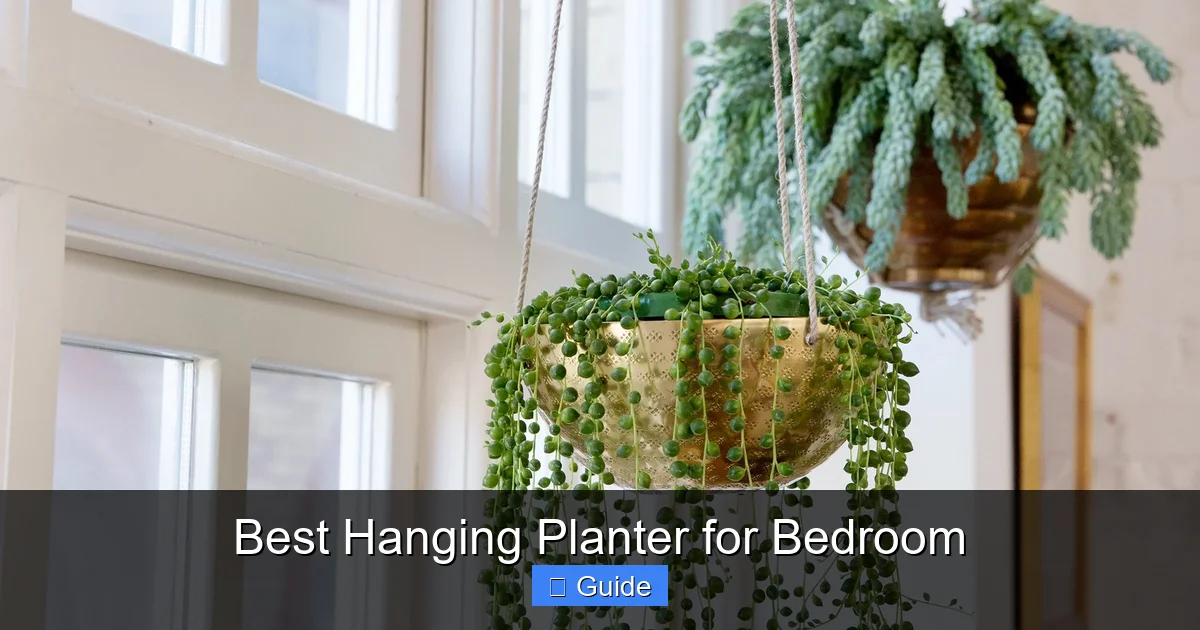
Delicate, silver-marbled heart-shaped leaves on thin purple stems. This succulent-like trailer needs bright light to keep its color and compact growth. A south- or west-facing bedroom window is ideal. Water sparingly. Let the soil dry completely between waterings. It adds a romantic, whimsical touch above a headboard.
String of Pearls (Senecio rowleyanus)
Round, bead-like leaves on trailing stems. Very dramatic in a glass globe or shallow ceramic pot. Needs bright light and excellent drainage. Water only when pearls look slightly wrinkled. It is more finicky than pothos but worth it for the unique look. Keep out of reach of pets and kids as it is toxic if eaten.
English Ivy (Hedera helix)
Classic lobed leaves that trail or climb. Ivy likes cooler temperatures and moderate humidity, making it a good bedroom candidate. It needs bright indirect light to stay full. Mist regularly to prevent spider mites. Ivy is toxic to pets, so hang it high if you have animals.
Boston Fern (Nephrolepis exaltata)
Lush, feathery fronds that arch gracefully. Ferns love humidity, so they thrive in bedrooms with a humidifier or near a bathroom. They need consistent moisture and indirect light. A woven basket lined with moss mimics their natural habitat. They drop leaflets if too dry, so check often.
Air Plants (Tillandsia)
No soil needed. Just mist or soak weekly. Perfect for glass globes, driftwood mounts, or wire frames. They need bright indirect light and good air circulation. Bedrooms with ceiling fans work well. They are pet-safe and extremely lightweight, so hanging hardware can be minimal.
Installation Tips and Safety Considerations
Find a Stud or Use Proper Anchors
Never hang a planter from drywall alone. A typical ceramic pot with wet soil weighs five to fifteen pounds. Use a stud finder to locate ceiling joists or wall studs. Screw a heavy-duty hook directly into the wood. If you must use drywall, install a toggle bolt rated for at least 25 pounds. For plaster ceilings, use a plaster anchor. When in doubt, hire a handyman for the first install.
Check Weight Ratings
Every hook, anchor, and chain has a weight limit. Add the weight of the pot, soil, plant, and water. Wet soil is surprisingly heavy. A six-inch ceramic pot with wet soil can weigh eight pounds. A ten-inch basket can exceed twenty. Choose hardware rated for double the expected weight for a safety margin.
Use a Swivel Hook for Even Growth
A swivel hook lets the planter rotate freely with air currents. This prevents the plant from leaning permanently toward the light source. It also makes it easy to turn the pot manually for even watering and pruning. Swivel hooks cost a few dollars more but save frustration later.
Protect Your Floors and Furniture
Even with a saucer, water can overflow or drip from the bottom of a hanging pot. Place a waterproof mat or tray on the floor beneath. If hanging over a nightstand or dresser, use a clear acrylic drip tray that sits on the furniture surface. Check it after watering. Empty it so moisture does not damage wood finishes.
Keep Clear of Walkways and Sleep Zones
Do not hang a planter where you might bump your head getting out of bed. Avoid positioning directly above the pillow area. A falling pot, while rare, could cause injury. Hang planters near windows, in corners, or above furniture that is not used for sitting or sleeping. If you have a ceiling fan, ensure the planter does not intersect the blade path.
Consider a Pulley System for High Ceilings
If your bedroom has vaulted ceilings, a pulley kit lets you lower the planter for watering and raise it back up. This eliminates the need for a tall ladder. Kits include a cleat to secure the cord at your desired height. They work with any planter that has a sturdy hanging loop.
Caring for Your Bedroom Hanging Plants
Watering Without the Mess
The biggest challenge with hanging planters is watering. Take the planter down and water in the sink or bathtub. Let it drain fully before rehanging. If the planter is too heavy or high to remove, use a long-spout watering can with a narrow tip. Water slowly until you see a trickle from the drainage hole. Stop immediately. A turkey baster works for small pots to control the amount.
Self-Watering Inserts and Spikes
Terracotta watering stakes or glass globes release water slowly into the soil. Fill them once a week. They are great for vacations. Make sure the stake reaches the root zone. Test before you leave by checking soil moisture after two days. Adjust the flow if needed.
Fertilizing on a Schedule
Hanging plants have limited soil volume. Nutrients deplete faster than in ground beds. Feed with a balanced liquid fertilizer at half strength once a month during spring and summer. Skip fall and winter when growth slows. Over-fertilizing causes salt buildup, which burns roots. Flush the soil with plain water every three months to rinse excess salts.
Pruning for Shape and Health
Trailing plants get leggy over time. Trim back long vines just above a leaf node. This encourages branching and a fuller look. Remove yellow or brown leaves promptly. They will not recover and can attract pests. Use clean, sharp scissors. Wipe blades with alcohol between plants to prevent disease spread.
Dusting Leaves for Better Breathing
Dust blocks light and clogs leaf pores. Wipe leaves with a damp microfiber cloth once a month. Support the leaf from underneath to avoid tearing. For fuzzy-leaved plants like African violets, use a soft brush instead. Clean leaves photosynthesize better and look vibrant.
Rotating for Even Light Exposure
Plants lean toward the light source. Rotate the planter a quarter turn each week. This keeps growth symmetrical. If the planter is on a swivel hook, give it a gentle spin. If not, unhook and rehang facing the other direction. This small habit makes a big difference in appearance.
Pest Prevention and Treatment
Check leaves weekly for spider mites, mealybugs, or fungus gnats. Spider mites leave fine webbing. Mealybugs look like white cotton. Fungus gnats fly up when you water. Treat early with insecticidal soap or neem oil. Isolate affected plants. Let soil dry more between waterings to deter gnats. Good air circulation helps prevent all pests.
Repotting When Rootbound
Once a year, check if roots are circling the pot bottom or poking out drainage holes. If so, repot into a container one size larger. Use fresh potting mix suited to the plant type. Spring is the best time. Water well after repotting and keep out of direct sun for a week to reduce transplant shock.
Styling Ideas for a Cohesive Bedroom Look
Above the Headboard Drama
Hang a single large planter centered above the headboard. Choose a trailing plant with long vines that frame the bed. A macrame hanger in a neutral tone adds texture without competing with bedding. This works best with a solid headboard or wall. Avoid if you have a canopy bed or low ceiling.
Corner Cluster
Group three planters in an empty corner at staggered heights. Use a mix of trailing and upright plants. A tall snake plant on a short hanger, a medium pothos on a medium hanger, and a string of pearls on a long hanger create layers. Add a floor lamp nearby to highlight the arrangement at night.
Window Frame Garden
Install a tension rod across a window frame and hang lightweight planters with S-hooks. This creates a living curtain. Choose plants that tolerate the light level of that window. Sheer curtains behind the plants soften the look and provide privacy. This is a great rental-friendly option.
Nightstand Alternative
Skip the nightstand lamp on one side. Hang a planter with a small grow light clip attached to the pot. The light doubles as a reading lamp and keeps the plant happy. Use a timer so it turns off at bedtime. This saves surface space and adds a unique design element.
Closet Door Greenery
Mount a hook on the back of a closet or bathroom door. Hang a lightweight air plant globe or small ceramic pot. It adds life to a neglected surface. Ensure the door swings freely without hitting the planter. This works well in small bedrooms where wall space is taken by furniture.
Mirror Reflection Trick
Hang a planter in front of a large mirror. The reflection doubles the visual impact. It makes the room feel larger and greener. Position so the plant, not the pot hardware, is reflected. A simple glass globe with an air plant looks like a floating sculpture in the mirror.
Common Mistakes to Avoid
Choosing the Wrong Plant for the Light
A sun-loving succulent in a dark corner will stretch and die. A shade-loving fern in a hot west window will crisp. Assess your bedroom light honestly. North-facing windows are low light. East is gentle morning light. South and west are bright and hot. Match the plant to the reality, not the wish.
Overwatering Because It Is Out of Sight
Hanging planters are easy to forget. Or easy to overwater out of guilt. Stick your finger in the soil. If it is dry an inch down, water. If moist, wait. Use a moisture meter if you prefer. Set a weekly calendar reminder to check, not to water blindly.
Using Heavy Pots on Weak Hooks
A beautiful ceramic pot is useless if it crashes down. Weigh your planted pot wet. Buy hardware rated for at least double. If you change to a heavier pot later, upgrade the hook. Never assume the original hardware is enough.
Ignoring Drainage
Pots without holes lead to root rot. If your decorative pot has no hole, use it as a cachepot. Keep the plant in a plastic nursery pot with holes. Lift the inner pot to water and drain. Never let water sit in the bottom of the outer pot.
Placing Too Close to HVAC Vents
Hot or cold drafts stress plants. Leaves dry out or drop. Keep planters at least three feet from supply vents. Redirect the vent if needed. A deflector can push air away from your green friends.
Forgetting to Rotate
A lopsided plant is a sad plant. One side gets all the light. The other side thins out. Weekly rotation takes ten seconds. Make it part of your bed-making routine. Your plant will thank you with even, lush growth.
Budget-Friendly vs. Investment Options
Under $20: DIY and Basics
Plastic nursery pots with macrame hangers from a craft store cost under $15 total. Thrift stores often have ceramic pots and baskets for a few dollars. Make your own macrame with $5 of cotton rope and a YouTube tutorial. Repurpose glass jars with wire hangers for air plants. The plants themselves are the main cost. Cuttings from friends are free.
$20 to $50: Quality Mid-Range
This range gets you glazed ceramic pots with strong chains, woven baskets with quality liners, or metal frames with powder coating. Self-watering planters start here. These last years and look intentional. Many include hardware. You pay for better finishes and weight ratings.
$50 to $150: Designer and Sets
Hand-blown glass globes, artisan macrame, coordinated sets of three, and smart self-watering systems with app alerts fall here. Materials are premium: real leather straps, solid brass hardware, custom glazes. These are statement pieces. Buy if the planter is a focal point of your bedroom design.
$150+: Custom and Luxury
Custom-built living walls, motorized lift systems, and hand-thrown oversized ceramics. These require professional installation. They integrate with home automation for lighting and watering. For most bedrooms, this is overkill. But if you are renovating and want a built-in feature, it adds real value.
Seasonal Adjustments for Year-Round Success
Winter: Less Water, More Light
Growth slows. Water half as often. Move planters closer to windows if possible. Clean leaves to maximize photosynthesis. Hold fertilizer. Watch for dry air from heating. Run a humidifier or group plants to create a moisture pocket.
Spring: Repot and Feed
New growth starts. Check roots. Repot if needed. Resume monthly fertilizing. Prune winter dieback. Propagate cuttings. This is the best time to add new plants.
Summer: Watch for Heat Stress
Direct sun through glass can scorch leaves. Sheer curtains help. Water more frequently. Check daily in heat waves. Move heat-sensitive plants back from south windows. Increase humidity for tropicals.
Fall: Prepare for Dormancy
Reduce fertilizing by October. Bring outdoor summer plants in before nights drop below 50°F. Inspect for pests. Quarantine new arrivals for two weeks. Clean windows to maximize winter light.
Conclusion
Finding the best hanging planter for bedroom use is about matching your space, light, and lifestyle. A macrame hanger with a pothos is a foolproof start. A ceramic self-watering pot with a spider plant adds modern function. A cluster of glass globes with air plants creates an artistic statement. Whatever you choose, install it safely, water mindfully, and enjoy the calm that living greenery brings to your sleep sanctuary. Start small. Learn what thrives. Add more as you gain confidence. Your bedroom will feel fresher, look better, and become the restful retreat you deserve.
Remember, plants are forgiving. A yellow leaf is not a failure. It is feedback. Adjust and move on. The joy of waking up to green is worth the small effort. Happy planting.
Frequently Asked Questions
Do hanging planters damage ceilings?
Not if installed correctly. Use a stud finder to locate a joist and screw a hook directly into the wood. For drywall, use a toggle bolt rated for the planter weight. Always test the hold before hanging.
What is the best way to water a hanging planter without making a mess?
Take the planter down and water in a sink or tub. Let it drain completely before rehanging. If too heavy to remove, use a long-spout can and water slowly, or use a self-watering insert.
Can I use a hanging planter in a bedroom with no windows?
Only with a grow light. Plants need light for photosynthesis. A clip-on LED grow light on a timer for 12 hours a day will support low-light plants like pothos or snake plant.
How do I keep my hanging plant from getting leggy?
Rotate the planter weekly so all sides get light. Prune long vines just above a leaf node to encourage branching. Ensure the plant gets adequate light for its species.
Are macrame hangers strong enough for ceramic pots?
Only if the macrame is made from thick cotton or jute and rated for the weight. Check the maker’s specs. For heavy ceramic, use a chain or rope hanger with a higher weight limit.
What size hook do I need for a hanging planter?
Choose a hook rated for at least double the wet weight of your planter. A typical 6-inch pot with wet soil weighs 8 to 10 pounds. Use a hook rated for 25 pounds or more for safety.