Best Soil for African Violet
Choosing the right mix is the single most important step for thriving African violets. A light, well‑draining medium that holds just enough moisture lets roots breathe and prevents rot.
African violets are popular houseplants. They need a special growing medium. The right mix makes a big difference.
Many growers ask what is the best soil for african violet. The answer is a light, airy blend. It must drain well but hold a little water.
In this guide we cover everything you need to know. We compare commercial mixes. We share DIY recipes. We give potting tips.
Key Takeaways
- Soil texture matters: A loose, airy mix promotes healthy root growth.
- Moisture balance is key: The medium should stay moist but never soggy.
- pH around 6.0 to 6.5 supports nutrient uptake for African violets.
- Commercial mixes save time: Look for blends labeled for African violets.
- DIY recipes give control: Combine peat, perlite, and vermiculite in a 1:1:1 ratio.
- Repot annually: Fresh mix prevents salt buildup and compaction.
Quick Answers to Common Questions
What is the best soil for african violet?
A light, well‑draining mix of peat, perlite, and vermiculite works best.
Can I use regular potting soil?
Regular potting soil is too heavy and retains too much water for African violets.
How often should I repot?
Repot once a year to refresh the medium and prevent salt buildup.
What pH level is ideal?
A pH between 6.0 and 6.5 keeps nutrients available.
Do I need fertilizer in the mix?
A slow‑release fertilizer can be added, but it is not required.
📑 Table of Contents
Why Soil Matters for African Violets
Root Health
The best soil for african violet gives roots room to breathe. Loose texture prevents compaction. Healthy roots absorb nutrients fast.
Compacted mix leads to root rot. Roots need oxygen as much as water. A good mix keeps air pockets open.
When roots have space they grow strong. Strong roots support more blooms. Choose a mix that stays fluffy.
Water Management
The best soil for african violet holds moisture without staying soggy. Perlite creates drainage channels. Peat retains a thin film of water.
Overwatering is the top killer of African violets. A well‑drained medium reduces that risk. Check the top inch before watering.
Consistent moisture keeps leaves firm. Dry spells cause leaf curl. A balanced mix solves both problems.
Nutrient Availability
The best soil for african violet maintains a pH near 6.2. This range unlocks essential minerals. Balanced nutrition supports bloom cycles.
Acidic or alkaline mixes lock up nutrients. Test pH once a year. Adjust with lime or sulfur if needed.
Regular feeding works best in a stable medium. Nutrients stay available longer. Your plants will thank you.
Disease Prevention
The best soil for african violet is free of pathogens. A clean, sterile mix stops fungal spores. Healthy roots resist disease.
Use pasteurized components or buy a certified blend. Avoid garden soil that carries pests. Prevention is easier than cure.
Good airflow around the pot also helps. Space plants so leaves do not touch. This reduces humidity buildup.
Core Ingredients of the Best Soil for African Violet
Peat Moss
Peat moss is the base of most mixes. It holds water and stays light. It also adds organic matter.
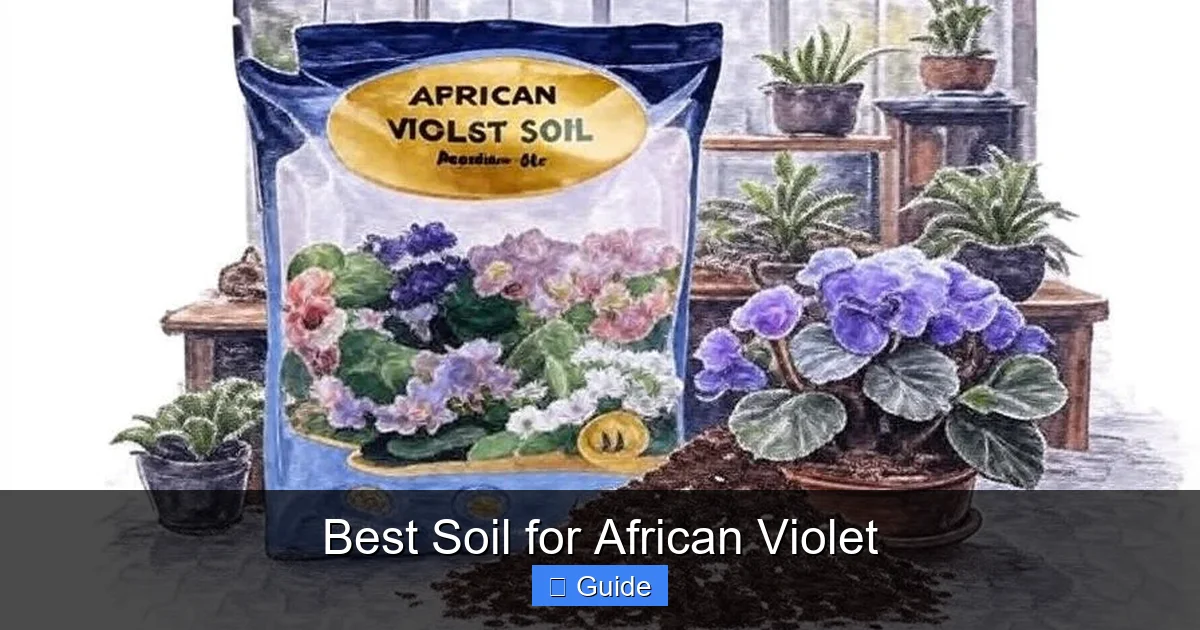
Visual guide about Best Soil for African Violet
Image source: gardencure.com
Choose sphagnum peat for consistency. Avoid garden peat that may contain weeds.
Peat breaks down slowly, keeping structure for months. It buffers pH near the ideal range.
Perlite
Perlite is a volcanic glass that expands when heated. It creates air spaces in the mix. It does not break down over time.
Use horticultural grade perlite. Fine particles can clog drainage holes.
Perlite improves drainage without adding weight. It keeps the mix loose and airy.
Vermiculite
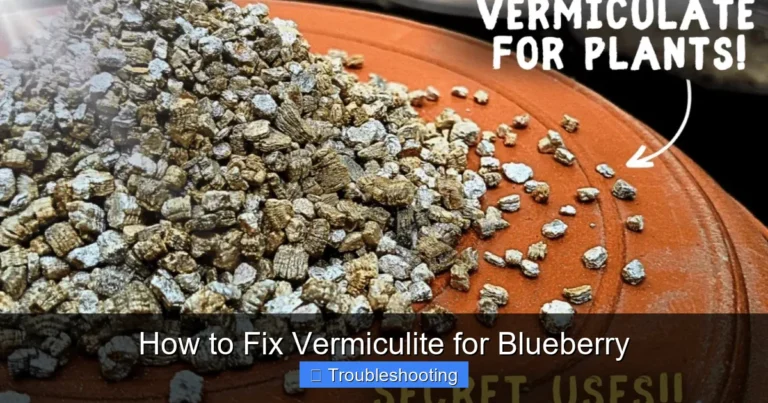
Vermiculite holds more water than perlite. It adds a buffer for dry periods. It also supplies magnesium.
Mix vermiculite with perlite for balanced moisture. Too much vermiculite can make the mix heavy.
Vermiculite helps seedlings stay moist. It is useful for propagation trays.
Coconut Coir
Coconut coir is a renewable alternative to peat. It holds water well and resists compaction. It has a neutral pH.
Rinse coir to remove salts before use. Blend with perlite for extra drainage.
Coir works well in the best soil for african violet recipes. It is eco‑friendly and consistent.
Limestone or Dolomite
A small amount of limestone raises pH. Dolomite adds calcium and magnesium. Both keep the mix in the 6.0‑6.5 range.
Add one teaspoon per gallon of mix. Test pH after mixing.
Correct pH prevents nutrient lockout. It is a simple step with big impact.
Optional Additives
Some growers add a pinch of dolomite lime. This raises pH slightly. Others add a slow‑release fertilizer.
Charcoal can keep the mix fresh. Use horticultural charcoal only.
Mycorrhizal inoculant boosts root health. It is optional but beneficial.
Popular Commercial Mixes Reviewed
Brand A Mix
Brand A markets a ready‑to‑use blend for African violets. It contains peat, perlite, and vermiculite. The texture feels fluffy.
Users report strong root growth. The price is mid‑range. It works well for beginners.
The best soil for african violet label on the bag helps you choose quickly.
Brand B Mix
Brand B offers a premium mix with added mycorrhizae. The beneficial fungi boost nutrient uptake. The mix stays moist longer.
Cost is higher. Advanced growers like the extra biology.
It is a top pick for show plants.
Brand C Mix
Brand C provides a budget option. It uses more peat and less perlite. Drainage can be slower.
Amend with extra perlite if you notice wet spots. Good for low‑light rooms.
It still meets basic needs for healthy violets.
Brand D Mix
Brand D focuses on organic ingredients. It uses coir, perlite, and compost. The mix is lightweight.
Organic growers appreciate the natural source. It may need extra lime for pH.
Test the mix before planting.
DIY Soil Recipes You Can Make at Home
Classic 1:1:1 Recipe
Mix one part peat, one part perlite, one part vermiculite. This is the classic best soil for african violet formula. It balances water and air.
Stir thoroughly in a clean bucket. Store extra in a sealed bag.
Label the batch with date and ingredients.
Light Mix for Small Pots
Use two parts peat, one part perlite, half part vermiculite. The lighter blend suits tiny containers. Roots get more oxygen.
Water carefully. Small pots dry faster.
Check moisture daily in hot weather.
Moisture Retentive Mix
Combine one part peat, one part vermiculite, half part perlite. This holds water longer. Ideal for forgetful waterers.
Watch for soggy bottom. Add a drainage layer of gravel.
Use a pot with a saucer to catch excess.
Coir Based Mix
Replace peat with coconut coir in a 1:1:1 ratio. Coir holds water well and resists compaction. It is a sustainable choice.
Rinse coir first to remove salts. Blend with perlite and vermiculite.
This mix works well for mature plants.
Seed Starting Mix
Use fine peat, fine perlite, and a pinch of vermiculite. The texture must be very light. Seeds need high humidity.
Cover the tray with a clear dome. Vent daily to prevent mold.
Transplant seedlings into the classic mix after true leaves appear.
Potting and Repotting Tips for Success
Choose the Right Pot
Pick a shallow pot with drainage holes. African violets prefer wide, low containers. Plastic retains moisture longer than clay.
Size up only one inch at a time. Too large a pot holds excess water.
Use a saucer to catch runoff.
Prepare the Mix
Moisten the best soil for african violet before filling the pot. Damp mix settles evenly. Avoid dry pockets.
Press gently around the root ball. Leave a half‑inch rim for watering.
Do not compact the mix with force.
Planting Depth
Set the crown just above the soil line. Burying the crown causes rot. Keep leaves clear of the mix.
Spread roots outward in the pot. This encourages even growth.
Check that the plant sits stable.
Water After Repotting
Water lightly to settle the mix. Do not soak. Place the plant in bright, indirect light.
Resume normal watering after a week. Monitor for stress signs.
New growth appears in two to three weeks.
Acclimation Period
Keep the plant in a stable environment. Avoid temperature swings. Consistent light helps recovery.
Do not fertilize for the first month. Let roots establish.
Watch for new leaf formation.
Common Mistakes and How to Avoid Them
Overwatering
Overwatering is the most common error. The best soil for african violet drains fast but still holds moisture. Check the surface before adding water.
Use a moisture meter if unsure. Let the top inch dry out.
Water from the bottom to keep leaves dry.
Using Garden Soil
Garden soil is too dense. It compacts and harbors pests. Never use it for African violets.
Stick to a sterile, soilless blend. Your plants will thank you.
Purchase a quality mix or make your own.
Ignoring pH
pH drift can lock nutrients. Test the mix annually. Adjust with lime or sulfur as needed.
A stable pH keeps blooms coming. It is a simple habit with big rewards.
Use a reliable pH meter for accuracy.
Compacting the Mix
Pressing the mix too hard removes air pockets. Roots need oxygen to thrive. Lightly firm only.
Use a spoon to settle the mix. Tap the pot gently.
Air space equals healthy roots.
Neglecting Drainage
Pots without holes trap water. Standing water causes root rot. Always choose containers with drainage.
Add a layer of coarse gravel at the bottom. This improves flow.
Check holes regularly for blockage.
Conclusion: Choosing the best soil for african violet sets the foundation for healthy, flowering plants. Use a light, well‑drained mix. Whether you buy a trusted brand or blend your own, keep the texture airy and the moisture balanced. Repot yearly, watch watering, and test pH. Follow these steps and your African violets will reward you with vibrant blooms all year.
Frequently Asked Questions
Can I reuse old soil?
Old soil may harbor pathogens and salts. It is best to start with fresh mix each repotting.
Is coconut coir a good substitute for peat?
Yes, coconut coir holds water well and is a sustainable alternative to peat.
How do I test soil moisture?
Insert a finger or moisture meter into the top inch of the mix. Water when it feels dry.
What size pot is best?
Choose a shallow pot only one inch larger than the root ball.
Can I water from the top?
Bottom watering is preferred to keep leaves dry and prevent spotting.
When should I fertilize?
Fertilize every 4‑6 weeks during active growth with a balanced African violet fertilizer.