Maranta Light Requirements
Maranta plants thrive in bright, indirect light that mimics their native rainforest floor habitat. Direct sun scorches leaves while low light causes leggy growth and faded patterns. This guide covers everything you need for perfect lighting year-round.
If you have ever owned a maranta, you know these plants have personality. They fold their leaves at night like praying hands. They unfurl each morning with fresh energy. But get the lighting wrong, and that beautiful dance stops. The leaves stay closed. The colors fade. The plant sulks.
I learned this the hard way with my first prayer plant. I placed it on a sunny windowsill thinking more light meant faster growth. Within days, the edges crisped. The gorgeous pink veins washed out. I moved it to a dark corner next. The stems stretched thin. The leaves shrank. Finding the sweet spot took trial and error.
This guide saves you that frustration. We will cover exactly what maranta light requirements look like in real homes. You will learn to read your plant signals. You will understand seasonal shifts. You will master artificial lighting options. Let us dive in.
Key Takeaways
- Bright indirect light is best: Maranta plants need filtered sunlight similar to a rainforest canopy environment
- Avoid direct sun: Even brief exposure to harsh rays causes leaf burn and permanent damage
- Watch for signals: Leaf curling, fading patterns, and leggy stems all indicate lighting problems
- East or north windows work well: These orientations provide gentle morning light without intense afternoon heat
- Artificial lights can supplement: LED grow lights at 12-14 hours daily replace natural light effectively
- Rotate regularly: Turn your plant weekly for even growth and prevent leaning toward light sources
- Adjust with seasons: Move plants closer to windows in winter and further back in summer months
Quick Answers to Common Questions
Can maranta tolerate low light conditions?
Marantas survive in low light but won’t thrive. They become leggy, lose leaf patterns, and stop their nightly prayer movement. Bright indirect light is needed for healthy growth.
How many hours of light does a maranta need daily?
Marantas need 12-14 hours of bright indirect light daily. In winter, supplement with grow lights to maintain this photoperiod and prevent dormancy.
Is direct morning sun okay for maranta plants?
Gentle early morning sun (before 10 AM) from an east window is usually safe. However, monitor for stress signs and add a sheer curtain if leaves show any bleaching or curling.
Why are my maranta leaves curling during the day?
Daytime leaf curling usually indicates too much light or heat. The plant curls to reduce surface area and water loss. Move it further from the light source or add diffusion.
Can I use regular LED bulbs instead of grow lights?
Regular LED bulbs lack the full spectrum needed for photosynthesis. Use full-spectrum grow lights (5000-6500K) designed for plants. They provide the right wavelengths for healthy growth.
📑 Table of Contents
- Understanding Maranta Natural Habitat
- Ideal Light Conditions for Healthy Growth
- Signs Your Maranta Needs More Light
- Signs Your Maranta Gets Too Much Light
- Seasonal Light Adjustments
- Artificial Light Solutions
- Common Light-Related Mistakes to Avoid
- Special Considerations for Maranta Varieties
- Troubleshooting Light Problems
- Creating the Perfect Maranta Light Setup
- Conclusion
Understanding Maranta Natural Habitat
To give your maranta the right light, you first need to know where it comes from. These plants originate from the tropical rainforests of Brazil. Picture the forest floor. Giant trees tower overhead. Their canopy blocks most direct sunlight. Only dappled, filtered rays reach the ground.
This environment shapes everything about maranta light requirements. The plants evolved to capture every precious photon. Their leaves spread wide and flat. The undersides often show deep purple or red pigmentation. This color reflects light back through the leaf tissue. It gives the plant a second chance at photosynthesis.
Rainforest Floor Light Levels
Light on the rainforest floor measures between 100 and 500 foot-candles. For comparison, a bright office measures around 400 foot-candles. Direct outdoor sun hits 10,000 foot-candles or more. Your maranta wants that gentle 100 to 500 range. Not the blast of a south-facing window at noon.
The canopy creates shifting patterns. Sunflecks dance across the forest floor. Leaves flutter in breeze. Light intensity changes minute by minute. Marantas adapted to this variability. They handle brief brighter moments. They cannot handle sustained direct exposure.
Why This Matters for Indoor Care
Your home lighting differs wildly from a Brazilian rainforest. Windows filter some UV but amplify heat. Glass creates greenhouse effects. Indoor air lacks humidity. These factors compound light stress. A maranta getting “bright indirect light” near a dry heating vent suffers more than one in humid air.
Understanding the native habitat helps you recreate key elements. You want bright but gentle. Consistent but not harsh. Humid enough to support thin leaves. When you match these conditions, your prayer plant rewards you with vibrant color and active movement.
Ideal Light Conditions for Healthy Growth
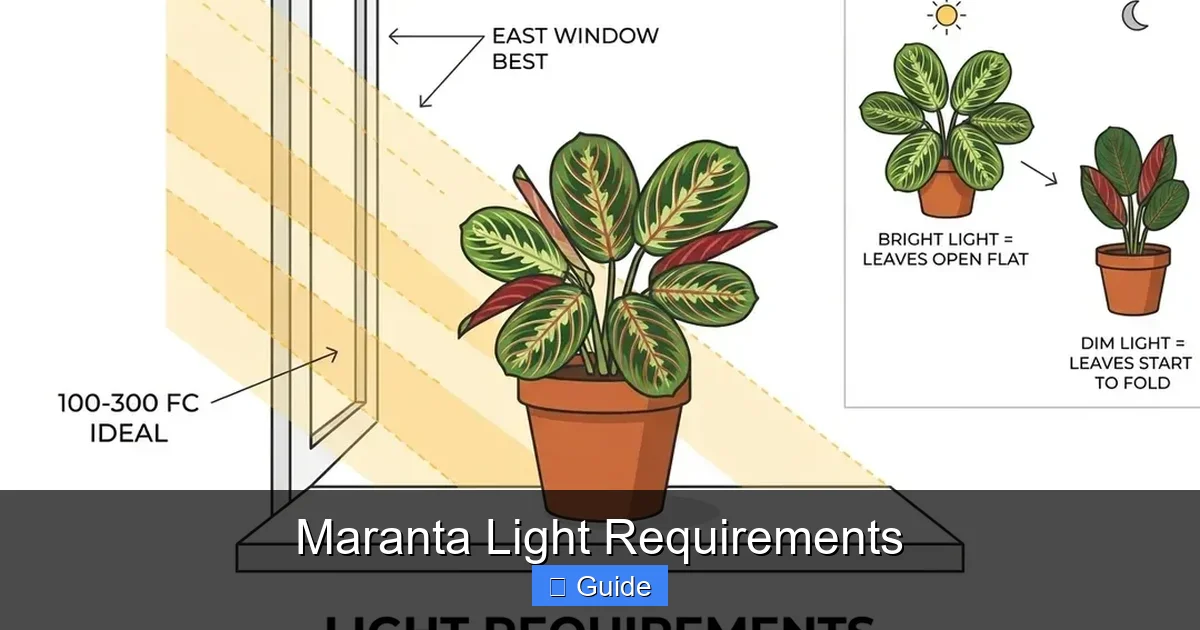
Now let us get practical. What does “bright indirect light” actually look like in your living room? It means the plant sees the sky but not the sun. Imagine standing where your plant sits. Look toward the window. You should see open sky or clouds. You should not see the solar disk.
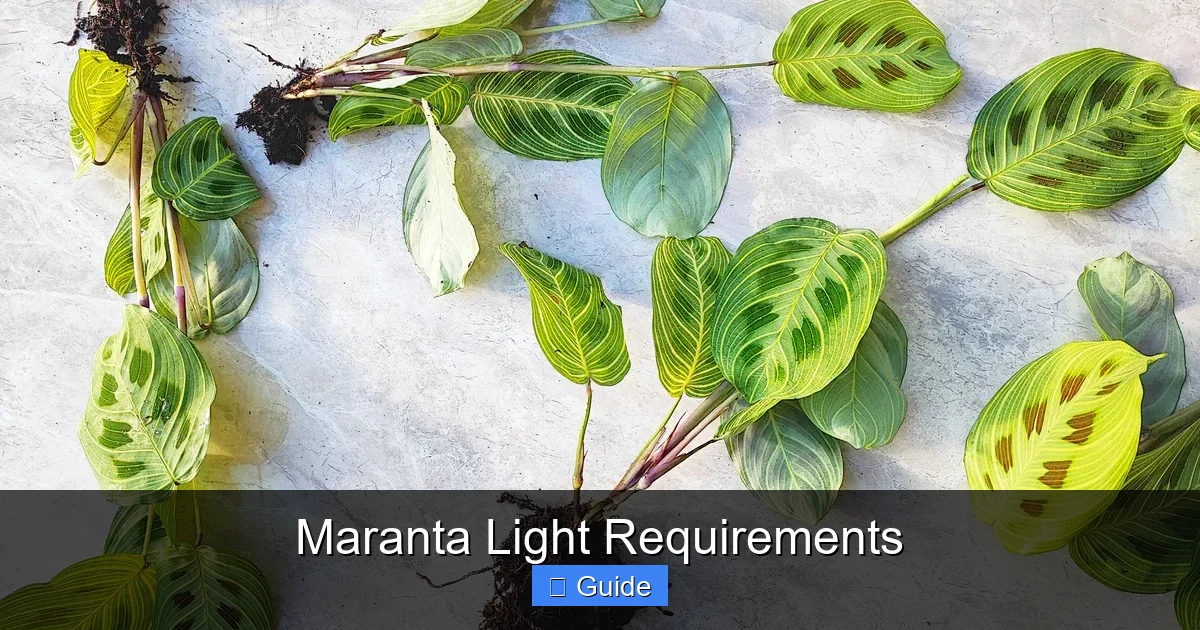
Visual guide about Maranta Light Requirements
Image source: cdn.shopify.com
Best Window Orientations
East-facing windows rank top for maranta light requirements. They offer gentle morning sun. The rays hit at low angles. Intensity stays mild. Temperatures remain cool. Your plant gets a few hours of direct morning light safely. Then it enjoys bright shade the rest of the day.
North-facing windows work beautifully too. They never receive direct sun in the northern hemisphere. The light stays consistent and diffuse. It measures lower intensity but remains steady all day. Many maranta varieties thrive in north windows year-round.
West-facing windows need caution. Afternoon sun grows intense. Summer heat builds. If you must use a west window, pull the plant back several feet. Use a sheer curtain. Monitor for stress signs daily during warm months.
South-facing windows challenge marantas most. They blast intense light for hours. Only use south windows with heavy filtering. Place plants far back in the room. Or use them only in winter when sun sits lower and weaker.
Distance from Window Matters
Light intensity drops fast with distance. The inverse square law applies. Double the distance, quarter the light. A plant on the windowsill gets vastly more than one three feet back. For marantas, the sweet spot often sits two to four feet from an east or west window. One to three feet from a north window. Six feet or more from a south window.
Test with your hand. Hold it where the plant sits at noon. You should see a fuzzy, soft shadow. Not a sharp, dark outline. Sharp shadows mean direct light. No shadow means too dim. Fuzzy shadows mean perfect bright indirect light.
Sheer Curtains as Light Diffusers
A simple sheer curtain transforms harsh windows into maranta paradise. White sheers cut intensity by fifty to seventy percent. They scatter direct beams into soft glow. They reduce heat buildup. They still let plenty of photosynthesis-friendly wavelengths through.
Layer sheers for more control. Two panels block more than one. Adjust throughout the day. Pull them closed during peak hours. Open them morning and evening. This mimics the shifting canopy light marantas evolved with.
Signs Your Maranta Needs More Light
Plants communicate clearly if you know the language. Marantas speak through leaf position, color, and growth pattern. Learning these signals lets you adjust before serious damage occurs.
Leggy Stretched Growth
Etiolation is the technical term. The plant stretches toward light. Internodes lengthen. Stems grow thin and weak. Leaves space far apart. The plant looks sparse and floppy. This happens in low light. The maranta invests energy in reaching rather than leaf production.
Fix this by moving closer to the light source. Add a grow light. Prune back leggy stems to encourage bushier growth. New growth will emerge compact and strong under better conditions.
Fading Leaf Patterns
Marantas are prized for their artwork. Pink veins. Green feathering. Silver brushstrokes. Dark green blotches. These patterns need light to develop. In dim conditions, new leaves emerge washed out. The contrast disappears. Solid green replaces intricate designs.
Pattern loss reverses with better light. But existing pale leaves stay pale. Only new growth shows improvement. Be patient. A full leaf cycle takes weeks.
Small New Leaves
Healthy marantas produce leaves larger than the previous ones. Each generation expands. In low light, new leaves shrink. They come out tiny and thin. The plant conserves resources. It cannot support big leaf surface area without adequate energy input.
No Nightly Prayer Movement
The signature folding requires energy. The plant moves leaves using specialized cells called pulvini. These motor cells need turgor pressure. Turgor comes from photosynthesis. Low light means low energy. The plant skips the nightly show to save resources.
If your maranta stops praying, check light first. It often resumes within days of better placement.
Slow or No Growth
Marantas grow actively spring through fall. New leaves should unfurl every couple weeks in season. If months pass with zero growth, light likely limits the plant. Rule out other factors too. Check water, humidity, temperature. But light drives the engine.
Signs Your Maranta Gets Too Much Light
Too much light damages faster than too little. Sunburn happens in hours. Recovery takes months. Some damage stays permanent. Recognize the warnings early.
Leaf Scorch and Crispy Edges
Brown, papery edges signal sunburn. The damage often starts at leaf tips and margins. It moves inward. The tissue dies. It never greens up. You must trim affected leaves. They drain energy and invite pests.
Scorch appears on the side facing the window. Rotate the plant and you see the pattern. The back leaves stay perfect. The front leaves fry. This confirms light direction as the cause.
Bleached or Washed Out Color
Intense light destroys pigments. The beautiful pink veins turn white. Dark green fades to pale yellow-green. Silver markings disappear. The plant looks ghostly. This differs from low-light fading. Sun-bleached leaves feel thinner. They may show translucent patches.
Leaf Curling Inward
Marantas curl leaves to reduce surface exposure. It protects from excessive transpiration. The leaves cup upward like tacos. This differs from prayer folding. Prayer folding happens at night. Stress curling persists all day. The leaves feel stiff, not supple.
Brown Spots Between Veins
Interveinal necrosis shows as brown patches bordered by veins. The tissue between veins dies first. Veins stay green longer. This pattern indicates light stress combined with possible nutrient issues. High light increases nutrient demand. Deficiencies show faster.
Stunted Growth Despite Good Care
Sometimes the plant just stops. It gets water, humidity, fertilizer. But it refuses to grow. The leaves stay small. No new shoots emerge. The plant enters survival mode. It shuts down non-essential functions. Reducing light often restarts growth.
Seasonal Light Adjustments
Light changes dramatically through the year. A perfect summer spot becomes a winter death trap. A cozy winter nook turns into a summer oven. Successful maranta care means moving plants with the seasons.
Winter Light Strategy
Winter sun sits lower. Days shorten. Intensity drops. Your maranta needs maximum available light. Move it closer to windows. Remove sheer curtains on overcast days. East and south windows become prime real estate. North windows may grow too dim.
Supplement with grow lights if needed. Ten to twelve hours of artificial light maintains active growth. Without supplement, many marantas go semi-dormant. They drop older leaves. They pause new growth. This is normal. Do not force growth with fertilizer.
Spring Transition Care
Spring light intensifies fast. A spot that worked in March burns in April. Watch your plant daily. Move it back gradually. Add sheers as sun strengthens. Increase watering as growth accelerates. The plant uses more water with more light.
Spring also brings the best propagation window. Take cuttings when new growth appears. Root them in bright indirect light. They establish faster than winter cuttings.
Summer Protection Mode
Summer sun is brutal. Even north windows get brighter. East windows heat up. Your priority shifts to protection. Move plants further from windows. Use double sheers. Consider relocating to interior rooms with bright reflected light.
Monitor leaf temperature. Touch leaves at noon. They should feel cool or room temperature. Warm leaves mean too much light or heat. Move immediately.
Fall Gradual Return
Fall mirrors spring in reverse. Light fades slowly. Move plants back toward windows gradually. Remove extra sheers. Reduce artificial light hours. Watch for the first signs of stretching or fading. Adjust before problems develop.
Artificial Light Solutions
Not every home has ideal windows. Apartments face wrong directions. Trees shade windows. Roommates need darkness. Artificial lights solve these problems completely. Modern LEDs make it easy and affordable.
Choosing the Right Grow Light
Look for full spectrum LED lights. They should cover 400 to 700 nanometers. This range matches photosynthetic active radiation. Avoid pink or purple “blurple” lights. They work but make plants hard to assess. White light lets you see true colors and spot problems.
Color temperature matters. Aim for 5000K to 6500K. This mimics noon daylight. Warmer 3000K lights promote flowering. Cooler 6500K promotes vegetative growth. Marantas need vegetative growth.
Light Intensity and Distance
Most household LED grow lights need to sit twelve to eighteen inches above the plant. Check manufacturer specs. Measure with a light meter app if unsure. Target 200 to 400 PPFD (photosynthetic photon flux density) for marantas.
Start higher. Watch for stretching. Lower gradually. If leaves bleach or curl, raise the light. Adjust weekly until the plant looks happy.
Photoperiod Settings
Marantas want twelve to fourteen hours of light daily. Use a timer. Consistency matters. Irregular schedules stress plants. Set the timer and forget it. Sixteen hours maximum. Plants need dark period for respiration and growth hormone production.
Combining Natural and Artificial Light
Many growers use both. Window light morning. Grow light afternoon. Or grow light winter. Window light summer. This hybrid approach saves electricity. It gives plants natural spectrum benefits. It provides consistency when weather turns cloudy.
Just ensure total daily light integral stays appropriate. Do not double up to sixteen hours natural plus fourteen artificial. That burns plants.
Budget-Friendly Options
You do not need expensive fixtures. A simple clip-on LED grow bulb in a desk lamp works. Twenty-watt full spectrum bulbs cost under twenty dollars. One bulb covers a small maranta. Two bulbs handle larger specimens.
Shop lights work too. Four-foot T5 or LED shop lights hang from shelves. They cover multiple plants. Great for plant shelves or propagation stations.
Common Light-Related Mistakes to Avoid
Even experienced plant parents make these errors. Awareness prevents heartbreak.
Mistaking Bright for Direct
“Bright light” on a care tag does not mean direct sun. Nursery tags use industry terms. Bright indirect differs from direct. Always filter direct rays for marantas. No exceptions.
Ignoring Reflected Heat
Light brings heat. South and west windows radiate intense heat. The air temperature reads fine. But leaf temperature soars. Use a thermometer gun. Check leaf surface. Move plants if leaves exceed eighty-five degrees Fahrenheit.
Forgetting to Rotate
Plants lean toward light. Auxin hormones concentrate on shaded side. Cells elongate there. The plant bends. Rotate ninety degrees weekly. This keeps growth symmetrical. It prevents one-sided legginess.
Using Wrong Window Measurements
People measure light at noon only. Morning and evening light differ. Seasons change angles. A spot perfect in October fails in June. Check light at multiple times. Check multiple seasons. Adjust accordingly.
Overcompensating After Burn
Sunburn scares people. They shove the plant into a dark corner. The plant then etiolates. Swinging extremes stresses more than stable imperfect light. Move to slightly lower light. Not darkness. Monitor. Adjust gradually.
Neglecting Acclimation
Moving a maranta from low to high light shocks it. Even “correct” light burns unacclimated leaves. Transition over two weeks. Add thirty minutes daily exposure. Increase gradually. The plant builds protective pigments.
Special Considerations for Maranta Varieties
Not all marantas share identical light needs. Varieties differ slightly. Knowing your specific type helps fine-tune care.
Maranta Leuconeura Varieties
The classic prayer plant varieties include erythroneura (red veins), kerchoveana (green with brown blotches), and massangeana (silver central vein). These tolerate slightly lower light than some relatives. They maintain pattern in moderate indirect light. They still prefer bright indirect for best color.
Maranta Leuconeura Fascinator
This popular variety shows intense pink veins. It demands brighter light to maintain that color. In lower light, new leaves emerge mostly green. The pink fades to faint lines. Give it your brightest indirect spot.
Maranta Leuconeura Lemon Lime
The neon green variety handles lower light surprisingly well. Its light color reflects rather than absorbs. It photosynthesizes efficiently in dimmer conditions. But it still grows faster and fuller in bright indirect light.
Maranta Arundinacea
The arrowroot species grows larger leaves. It tolerates more light variation. Some growers report success with gentle morning direct sun. But why risk it? Bright indirect keeps all varieties safe.
Troubleshooting Light Problems
When things go wrong, systematic diagnosis saves your plant. Follow this checklist.
Step One: Assess Current Light
Use your phone light meter app. Measure at plant level. Check morning, noon, evening. Record readings. Compare to the 200 to 400 PPFD target. Note direct sun hours. Note duration of bright indirect.
Step Two: Check Plant Signals
Photograph the plant. Note leaf color, size, spacing. Check for scorch, curl, fade. Check prayer movement. Compare to healthy reference photos. Identify primary symptom.
Step Three: Rule Out Other Factors
Light rarely acts alone. Check soil moisture. Check humidity. Check temperature. Check fertilizer schedule. Check for pests. A thirsty plant in good light looks like a watered plant in bad light.
Step Four: Make One Change
Move the plant. Or add a sheer. Or add a grow light. Change one variable. Wait two weeks. Observe. Document. Then adjust again if needed. Patience prevents overcorrection.
Step Five: Track Progress
Keep a simple log. Date. Light change. Plant response. New leaf quality. Prayer activity. Patterns emerge over months. You learn your plant language.
Creating the Perfect Maranta Light Setup
Let us put it all together. Here is a practical setup guide for different living situations.
Setup for East Window
Place plant two feet from window. No sheer needed October through March. Add sheer April through September. Rotate weekly. Water when top inch dries. Mist daily or use humidifier. This setup works for most varieties year-round.
Setup for North Window
Place plant one foot from window. No sheer ever needed. Supplement with grow light November through February. Run light twelve hours daily. Position light twelve inches above plant. This maintains active growth through winter.
Setup for West or South Window
Place plant four to six feet back. Use double sheer curtains year-round. Monitor leaf temperature daily in summer. Move to east or north window June through August if possible. Use grow light only in winter.
Setup for No Good Windows
Use full spectrum LED grow light. Position eighteen inches above plant. Run fourteen hours daily. Use timer. Place plant on humidity tray. Group with other plants for humidity. This creates a thriving maranta station anywhere.
Setup for Plant Shelves
Install LED shop lights under each shelf. Space shelves eighteen inches apart. Lights twelve inches above plants. Run timers staggered. Top shelf twelve hours. Middle shelf thirteen hours. Bottom shelf fourteen hours. Lower shelves get less ambient light.
Conclusion
Maranta light requirements boil down to one simple principle. Recreate the rainforest floor. Bright but gentle. Consistent but not harsh. Filtered through a living canopy.
You now have the knowledge. You know the window orientations. You recognize the distress signals. You understand seasonal shifts. You have artificial light options. You know the common mistakes.
Your next step is simple. Look at your maranta right now. Really look. What are the leaves telling you? Are they praying at night? Are the patterns vivid? Is new growth strong?
If yes, celebrate. You nailed it. If no, pick one adjustment. Move it two feet. Add a sheer. Set a timer. Watch what happens. Plants respond fast when you listen.
Remember my first crispy prayer plant? She lives in an east window now. Sheer curtain April to October. Grow light November to February. She puts out new leaves every two weeks. She folds perfectly every sunset. She forgave my mistakes.
Yours will too. These plants want to thrive. They just need the right light to show you how beautiful they can be.
Frequently Asked Questions
What is the best window direction for a maranta plant?
East-facing windows provide ideal gentle morning light for marantas. North windows work well too with consistent indirect light. South and west windows require significant filtering and distance to prevent leaf burn.
How do I know if my maranta is getting too much light?
Signs of excessive light include crispy brown leaf edges, bleached or faded colors, daytime leaf curling, brown spots between veins, and warm leaf surfaces. The damage typically appears on the side facing the light source.
Can maranta grow under artificial light only?
Yes, marantas grow well under full-spectrum LED grow lights alone. Provide 12-14 hours daily at 200-400 PPFD intensity. Position lights 12-18 inches above the plant and use a timer for consistency.
Should I rotate my maranta plant?
Rotate your maranta 90 degrees weekly to ensure even growth. Without rotation, the plant leans toward the light source, becoming lopsided with weaker growth on the shaded side.
Do maranta light needs change with seasons?
Yes, adjust placement seasonally. Move closer to windows in winter when light is weaker. Pull back and add sheer curtains in summer when intensity increases. Monitor daily during transition months.
Why did my maranta stop folding its leaves at night?
The prayer movement requires energy from photosynthesis. Insufficient light is the most common cause. Move to brighter indirect light or add a grow light. The movement typically resumes within days of improved conditions.