Best Pot for Blueberry
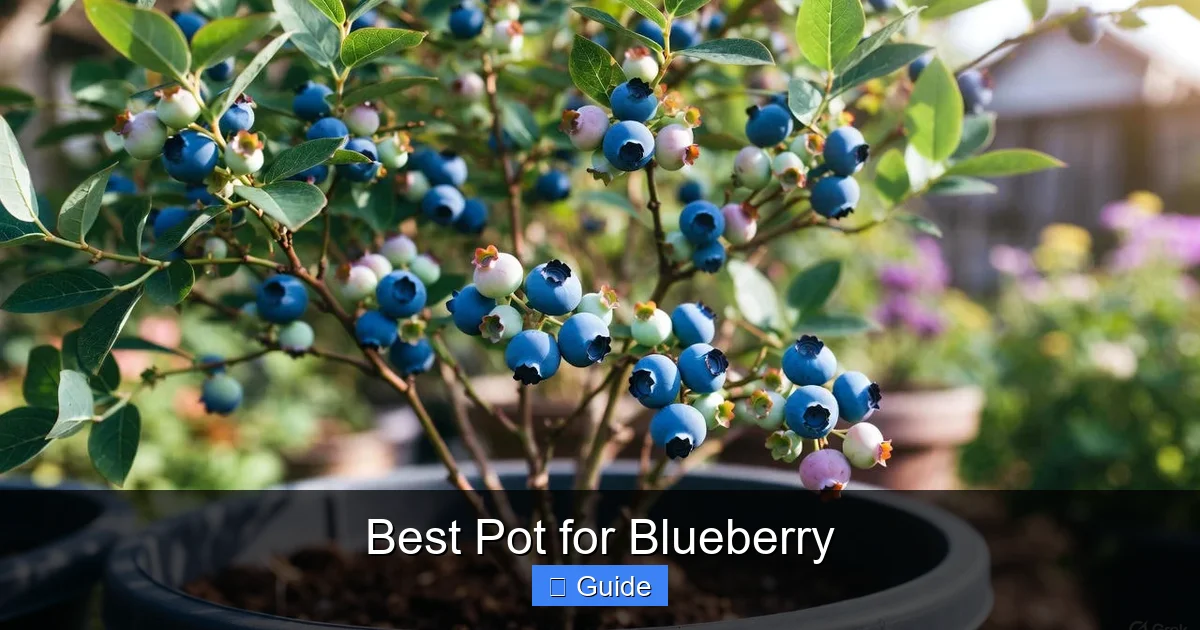
Choosing the right pot for blueberry plants is essential for healthy roots and abundant harvests. This guide covers everything from ideal container sizes and materials to soil mix recipes and long-term care tips. Whether you have a patio or balcony, you can grow delicious blueberries successfully in containers.
Key Takeaways
- Minimum pot size matters: Use at least a 15-20 gallon container for mature blueberry bushes to accommodate their shallow but wide-spreading root systems.
- Material affects root health: Fabric pots and wooden planters provide superior aeration and temperature regulation compared to plastic or ceramic options.
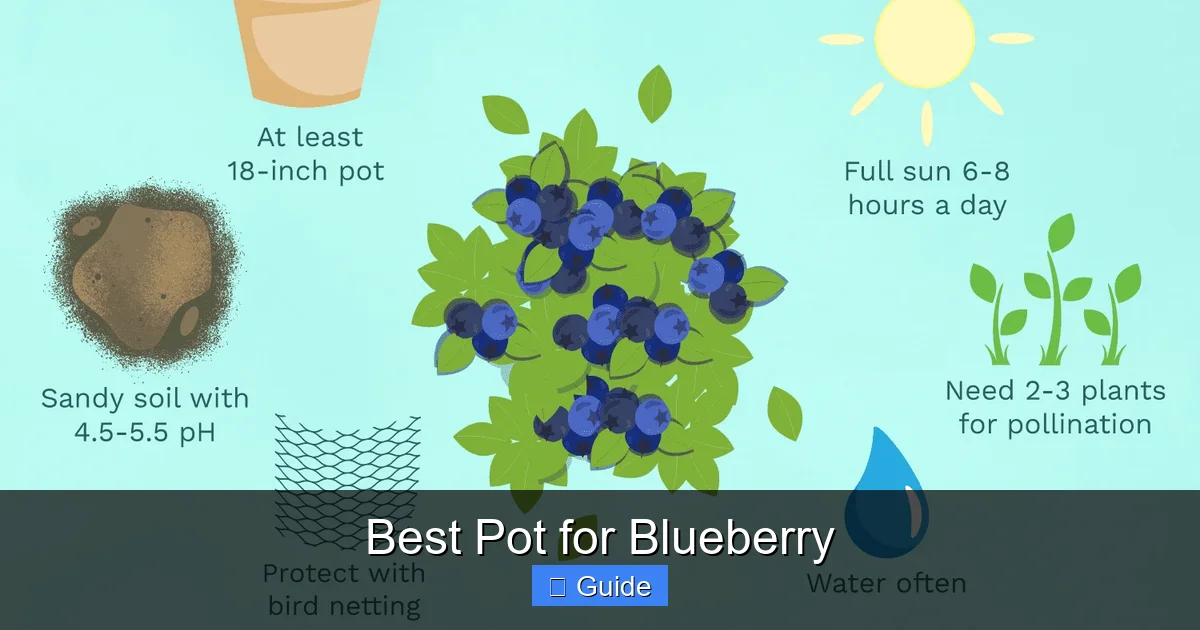
- Acidic soil is non-negotiable: Blueberries require a pH between 4.5 and 5.5; use a dedicated ericaceous mix or create your own with peat moss, pine bark, and perlite.
- Drainage prevents root rot: Ensure multiple drainage holes and add a layer of coarse material at the bottom to keep roots oxygenated and disease-free.
- Consistent moisture is critical: Container soil dries faster than ground soil; water deeply when the top inch feels dry and mulch heavily to retain moisture.
- Choose the right variety: Select dwarf or half-high cultivars like ‘Top Hat,’ ‘Jelly Bean,’ or ‘Sunshine Blue’ bred specifically for container growing.
- Winter protection extends plant life: In cold climates, insulate pots with burlap or move them to an unheated garage to prevent root freeze damage.
Quick Answers to Common Questions
What is the minimum pot size for a mature blueberry bush?
A mature blueberry bush needs a minimum of 15-20 gallons, with a diameter of at least 18-24 inches to accommodate its shallow, wide-spreading root system.
Can I use regular potting soil for blueberries in containers?
No, regular potting soil is not acidic enough. Blueberries require a pH of 4.5-5.5. Use an ericaceous mix or create your own with peat moss, pine bark, and perlite.
Do blueberries in pots need a pollinator?
Most varieties are self-fertile but produce significantly larger yields with a second variety nearby for cross-pollination. Plant two different cultivars that bloom simultaneously.
How often should I water container blueberries in summer?
Check daily in hot weather. Water deeply when the top inch of soil feels dry. Fabric pots may need daily or twice-daily watering in peak heat.
Can I leave my potted blueberry outside all winter?
In zones 5 and colder, roots in pots freeze faster than in-ground roots. Insulate pots heavily with straw or burlap, group them against a wall, or move to an unheated garage.
📑 Table of Contents
- Why Grow Blueberries in Pots?
- Understanding Blueberry Root Systems
- Choosing the Right Container Size
- Best Pot Materials for Blueberries
- Creating the Perfect Blueberry Soil Mix
- Drainage: The Silent Killer
- Selecting the Best Blueberry Varieties for Pots
- Planting Your Blueberry Bush
- Ongoing Care for Container Blueberries
- Overwintering Container Blueberries
- Common Problems and Solutions
- Repotting and Root Pruning
- Designing a Patio Blueberry Garden
- Harvesting and Enjoying Your Berries
- Conclusion
Why Grow Blueberries in Pots?
Growing blueberries in containers has exploded in popularity over the last decade. It is easy to see why. Many gardeners struggle with heavy clay soil or alkaline conditions that blueberries simply hate. A pot gives you total control over the growing medium. You can create the perfect acidic environment from day one.
Space is another huge factor. Not everyone has a sprawling backyard. A sunny balcony, a compact patio, or even a bright driveway corner can become a productive blueberry patch. Containers also let you chase the sun. You can move your plants to follow seasonal light patterns. This flexibility is a game changer for urban gardeners.
Pest management becomes simpler too. Birds love ripe berries just as much as we do. Netting a single pot is far easier than covering an entire in-ground row. Soil borne diseases are less of a threat when you start with a sterile mix. For beginners and experts alike, the best pot for blueberry cultivation offers a manageable, rewarding entry point into fruit growing.
Understanding Blueberry Root Systems
Before you buy a container, you need to understand what is happening underground. Blueberry roots are unique. They are fine, fibrous, and shallow. They lack the root hairs that most plants use to absorb water and nutrients. This makes them incredibly sensitive to both drought and waterlogging.
Visual guide about Best Pot for Blueberry
Image source: thespruce.com
Shallow and Wide
The root system spreads horizontally rather than diving deep. A mature bush can have roots extending three to four feet from the crown. However, the majority of feeder roots sit in the top six to eight inches of soil. This means width matters more than depth when selecting the best pot for blueberry plants.
No Taproot
Unlike tomatoes or carrots, blueberries do not develop a central taproot. They rely entirely on a dense mat of fine roots. This structure demands constant moisture and excellent aeration. Compacted soil or a container that is too narrow will stunt the plant permanently.
Mycorrhizal Partnerships
Blueberries form symbiotic relationships with ericoid mycorrhizal fungi. These microscopic partners help the plant access nutrients in acidic, nutrient poor soils. Disturbing the root ball too aggressively during repotting can break these colonies. Always handle the root mass gently and inoculate new soil with mycorrhizae if possible.
Choosing the Right Container Size
Size is the single most critical factor. A pot that is too small will restrict root growth, limit fruit production, and cause the plant to decline within a few seasons. Think long term. You want a container that supports the bush for ten to fifteen years.
Minimum Volumes by Plant Age
For a young starter plant in a one gallon nursery pot, step up to a five to seven gallon container immediately. This gives the roots room to establish during the critical first year. By year three, the plant needs at least fifteen gallons. A fully mature highbush variety thrives in twenty to twenty five gallons. Half-high and dwarf varieties can live happily in fifteen to twenty gallons for their entire lifespan.
Dimensions Over Volume
Do not just look at the gallon rating. Check the diameter. A wide, squat pot is infinitely better than a tall, narrow one. Aim for a minimum diameter of eighteen inches for mature plants. Twenty four inches is ideal. This width accommodates the lateral root spread and provides soil volume to buffer temperature swings.
Planning for Growth
If you start with a small plant, you have two choices. You can pot up gradually every year or two. Or you can plant directly into the final large container. Planting into the final pot saves transplant shock but requires careful watering. The small root ball cannot pull water from the entire soil volume initially. Water at the base of the stem frequently until roots explore the new territory.
Best Pot Materials for Blueberries
The material dictates soil temperature, moisture retention, and root aeration. Each has distinct pros and cons. Your climate and watering habits should guide the decision.
Fabric Grow Bags
Fabric pots are widely considered the gold standard for blueberries. The porous sides allow air to penetrate the root zone. This air pruning effect prevents circling roots and stimulates dense, fibrous growth. The evaporation through the fabric cools the root zone in summer. This is vital because blueberry roots suffer when soil temps exceed seventy five degrees Fahrenheit.
They are lightweight, easy to store, and relatively inexpensive. The downside? They dry out fast. In hot, windy climates, you may need to water daily or even twice a day. They also degrade after three to five seasons. Choose heavy weight, BPA free fabric with handles for durability.
Wooden Planters and Half Barrels
Wood is a classic choice for a reason. It is a natural insulator. The thick walls protect roots from summer heat and winter cold. A half whiskey barrel offers roughly twenty five gallons of volume and a wide diameter. It looks beautiful on a patio and lasts five to ten years if lined with landscape fabric.
Ensure the wood is untreated. Chemical treatments can leach into the acidic soil. Drill plenty of drainage holes in the bottom. Elevate the planter on bricks or pot feet to prevent the base from rotting prematurely.
Terracotta and Ceramic
These pots are heavy, stable, and attractive. The thick clay walls provide decent insulation. However, unglazed terracotta is porous. It wicks moisture out of the soil rapidly. This demands a rigorous watering schedule. Glazed ceramic retains moisture better but offers zero aeration through the walls. Both are prone to cracking in freeze thaw cycles unless rated for frost resistance.
Plastic and Resin
Lightweight, affordable, and non porous. High quality resin pots mimic stone or clay but weigh a fraction. They retain moisture well, reducing watering frequency. The major flaw is heat buildup. Black plastic in full sun can cook roots. Choose light colors or double pot by placing the plastic container inside a decorative cache pot with an air gap.
Metal and Galvanized Troughs
Stock tanks and galvanized tubs are trendy and durable. They offer huge volume. But metal conducts heat aggressively. In direct sun, the soil against the walls can reach lethal temperatures. Line the interior with cardboard, bubble wrap, or landscape fabric to create a thermal break. Always drill drainage holes.
Creating the Perfect Blueberry Soil Mix
You cannot use garden soil. You cannot use standard potting mix. Blueberries demand a specific recipe. The mix must be acidic, well draining, moisture retentive, and low in nutrients. Getting this right is half the battle.
The Ideal pH Range
Blueberries need a soil pH between 4.5 and 5.5. Above 5.5, iron becomes unavailable. The leaves turn yellow with green veins, a condition called chlorosis. The plant starves even in fertile soil. Test your mix with a reliable meter before planting. Test annually thereafter.
DIY Blueberry Mix Recipe
A proven homemade blend uses three parts. Start with one part peat moss or coco coir. Peat is naturally acidic but hydrophobic when dry. Coco coir is a sustainable alternative with a near neutral pH; if using coir, add more acidifier. Add one part coarse pine bark fines or orchid bark. This creates structure, drainage, and slow release acidity as it decomposes. Finish with one part perlite or coarse sand for aeration. Avoid vermiculite; it holds too much water.
Pre-Mixed Options
Look for bags labeled “ericaceous compost,” “azalea camellia mix,” or “rhododendron soil.” These are formulated for acid lovers. Check the ingredients. Avoid mixes with added lime or fertilizer. You want to control the feeding yourself. A high quality bagged mix is convenient but expensive for large containers.
Acidifiers and Amendments
Elemental sulfur is the gold standard for lowering pH. It works slowly via soil bacteria. Apply it months before planting. For a quick fix, use aluminum sulfate sparingly. It acts fast but can build up to toxic levels. Organic options include pine needles, oak leaves, and coffee grounds as mulch. They decompose slowly, maintaining acidity naturally.
Drainage: The Silent Killer
More container blueberries die from wet feet than dry feet. Perfect drainage is non negotiable. The best pot for blueberry plants must shed water instantly.
Hole Quantity and Size
One hole is not enough. A fifteen gallon pot needs at least five to seven holes of half inch diameter. Fabric pots drain through the entire bottom surface. If drilling plastic or wood, space holes evenly. Cover holes with a square of landscape fabric or a coffee filter. This keeps soil in while letting water out. Skip the gravel layer at the bottom. Science shows it creates a perched water table, raising the saturation zone closer to the roots.
Elevation is Essential
Never sit a pot flat on concrete, decking, or a saucer. The bottom holes will clog or seal against the surface. Use pot feet, bricks, or a dedicated plant caddy. An inch of air gap ensures free drainage and prevents root rot. It also discourages slugs and ants from entering from below.
Monitoring Moisture
Stick your finger two inches deep. If it feels dry at the fingertip, water deeply until it flows from the bottom. If it feels wet, wait. A moisture meter is a cheap insurance policy. In peak summer, check morning and evening. Wind and heat steal moisture surprisingly fast.
Selecting the Best Blueberry Varieties for Pots
Not all blueberries are created equal for containers. Standard highbush varieties like ‘Bluecrop’ or ‘Jersey’ grow six to eight feet tall. They need massive pots and heavy pruning. Stick to breeds developed for compact growth.
Dwarf and Patio Varieties
‘Top Hat’ is the classic dwarf. It stays eighteen to twenty four inches tall and wide. It produces small, sweet berries in mid summer. It is self fertile but yields more with a partner. ‘Jelly Bean’ from the Bushel and Berry collection forms a neat mound. It has unique elongated berries and stunning red fall foliage. ‘Peach Sorbet’ offers four season interest with peach colored new growth.
Half-High Hybrids
These are crosses between highbush and lowbush species. They reach three to four feet. ‘Northblue’ and ‘Northsky’ are exceptionally cold hardy (Zone 3). They produce wild flavored, medium berries. ‘Polaris’ needs a pollinator but ripens early with great flavor. These need slightly larger pots than true dwarfs.
Southern Highbush for Warm Climates
If you garden in Zone 8 to 10, northern varieties won’t get enough chill hours. ‘Sunshine Blue’ is the superstar here. It is semi dwarf, evergreen in mild winters, self fertile, and tolerates higher pH better than most. ‘Misty’ and ‘Sharpblue’ are vigorous and productive but need more space.
Pollination Partners
Even self fertile varieties set more fruit with cross pollination. Plant two different varieties that bloom at the same time. Place pots within ten feet of each other. Bees will do the rest. If you only have room for one pot, choose a strongly self fertile variety like ‘Sunshine Blue’ or ‘Jelly Bean’.
Planting Your Blueberry Bush
Timing and technique set the stage for years of harvests. Spring and fall are the best planting windows. Avoid the heat of summer.
Step by Step Planting Guide
First, hydrate the root ball. Submerge the nursery pot in a bucket of water until bubbles stop rising. This prevents the dry peat root ball from repelling water later. While it soaks, fill your container one third full with your prepared mix. Gently remove the plant. Tease the outer roots loose with your fingers. If they are tightly circling, make four vertical slices an inch deep with a clean knife. This encourages outward growth.
Place the bush in the center. The top of the root ball should sit one inch below the pot rim. This leaves a watering reservoir. Backfill with mix, firming gently with your fingertips. Do not compact it. Water thoroughly until it runs clear from the bottom. Apply a two inch layer of pine bark mulch or pine needles. Keep mulch away from the stem crown to prevent rot.
First Year Care
Remove all flowers the first spring. It breaks your heart, but it forces energy into roots and canopy. A strong framework pays dividends for a decade. Water consistently. Never let the soil dry completely. Fertilize lightly. Use a fertilizer for acid lovers at half strength once a month from leaf out until July. Stop fertilizing by August to harden off growth before winter.
Ongoing Care for Container Blueberries
Container growing demands a routine. The limited soil volume means you are the lifeline. Water, feed, prune, protect. Miss a step and the plant suffers fast.
Watering Regime
Rainwater is best. It is naturally acidic and free of salts. Tap water is often alkaline. Over time, it raises soil pH. If you must use tap water, let it sit overnight to off gas chlorine. Add a tablespoon of vinegar per gallon occasionally to counteract alkalinity. Water at the soil level. Wet foliage invites fungal diseases. A drip irrigation system with a timer is a worthy investment for consistency.
Feeding Schedule
Blueberries are light feeders. Too much nitrogen creates lush leaves but few berries. Use a slow release granular fertilizer for acid loving plants in early spring. Scratch it into the top inch and water in. Supplement with liquid fish emulsion or kelp monthly during active growth. Watch for yellowing leaves. If veins stay green, it is iron deficiency from high pH. Apply chelated iron as a foliar spray for a quick green up, then correct the soil pH.
Pruning for Productivity
Prune in late winter while dormant. Remove dead, diseased, or crossing branches. Thin out twiggy growth. On mature plants, remove one or two of the oldest canes at the base each year. This stimulates vigorous new wood. The best fruit grows on two to four year old wood. Keep the center open for light and air. A dense bush shades its own berries and harbors pests.
Mulching Matters
Maintain a two to three inch mulch layer year round. Pine bark nuggets, pine needles, or shredded oak leaves are perfect. They conserve moisture, suppress weeds, and slowly acidify the soil as they break down. Refresh annually. Pull mulch back an inch from the stem in winter to discourage rodents from gnawing bark.
Overwintering Container Blueberries
Roots in pots are exposed to air temperatures. They are two zones less hardy than roots in the ground. A Zone 5 plant in a pot experiences Zone 3 root temps. Protection is mandatory in freezing climates.
Insulation Methods
Group pots together against a sheltered wall. Surround the group with straw bales or bags of leaves. Wrap individual pots in burlap, bubble wrap, or frost blankets. Bury the pot in a compost heap or vegetable bed for the winter. The earth insulates beautifully. If you have an unheated garage or shed that stays above twenty degrees, move dormant plants there. Water once a month to prevent desiccation.
Chill Hour Requirements
Blueberries need accumulated hours below forty five degrees to break dormancy. Low chill varieties need two hundred hours. Northern highbush need eight hundred plus. Do not bring plants into a heated house. They will not fruit next year. A cold garage or shed is perfect. They get chill hours without root damage.
Common Problems and Solutions
Even with the best pot for blueberry plants, issues arise. Early detection saves the crop.
Yellow Leaves (Chlorosis)
Interveinal yellowing on young leaves screams high pH. Test soil immediately. Apply soil sulfur or chelated iron. Check your water source. Hard water raises pH relentlessly. Switch to rainwater or acidified water.
Bird Theft
Birds harvest berries the day before you plan to. Net early. Use a frame to keep netting off the foliage. Drape netting directly on the bush and birds will peck through it. Reflective tape and fake owls work for days, then birds wise up. Netting is the only reliable barrier.
Spotted Wing Drosophila
This tiny fruit fly lays eggs in ripening berries. The larvae hatch inside. Pick fruit daily as soon as it colors. Use fine mesh netting (one millimeter) over the bush. Sanitation is key. Remove every fallen or overripe berry. Trap with apple cider vinegar traps to monitor populations.
Root Rot (Phytophthora)
Wilting despite wet soil. Brown, mushy roots. Caused by poor drainage or overwatering. Prevention is the only cure. Ensure perfect drainage. Do not let pots sit in water. If caught early, repot into fresh, dry mix. Remove all mushy roots. Treat with a biofungicide containing Trichoderma.
Repotting and Root Pruning
Eventually, even the largest pot fills with roots. Every three to five years, the plant needs renewal. Late winter is the time.
Signs It Is Time
Water runs straight through without wetting the center. The plant dries out in hours. Growth is stunted despite feeding. Roots circle the surface or emerge from drainage holes. The soil level has dropped significantly from decomposition.
The Repotting Process
Lay the pot on its side. Gently slide the root ball out. If stuck, cut the pot away. Using a sharp knife or pruning saw, shave off the outer inch of the root ball all around. Cut the bottom inch off too. This sounds brutal but stimulates fresh feeder roots. Tease the remaining roots outward. Replant in the same pot with entirely fresh mix. Water well. Top dress with compost and mulch. The plant will sulk for a week then explode with new growth.
Designing a Patio Blueberry Garden
Function meets beauty. Blueberries are ornamental stars. Spring flowers, summer fruit, fiery fall color, red winter stems. Arrange them thoughtfully.
Companion Planting in Pots
Underplant with shallow rooted acid lovers. Strawberries make a living mulch. Their runners drape beautifully over pot edges. Lingonberries and cranberries share the same soil needs. Herbs like thyme or oregano tolerate the acidity and deter pests. Avoid deep rooted or heavy feeding companions.
Aesthetic Groupings
Cluster three to five pots of varying heights. Use pot feet to create levels. Mix varieties for extended harvest. Early, mid, and late season bushes give two months of picking. Add a dwarf evergreen like a compact conifer for winter structure. Solar lights tucked in the mulch create magic at dusk.
Harvesting and Enjoying Your Berries
The reward for your diligence. Blueberries do not ripen after picking. Wait until they are fully blue with a whitish bloom. They should fall into your hand with a gentle tickle. If you tug, they are not ready.
Maximizing Yield
Pick every two to three days during peak season. This encourages more ripening. A mature dwarf bush yields two to three pounds. A half high yields five to eight pounds. That is a lot of smoothies, muffins, and freezer bags from a few square feet.
Storage Tips
Do not wash until ready to eat. Moisture causes mold. Spread berries in a single layer on a paper towel lined tray. Refrigerate immediately. They keep ten to fourteen days. Freeze excess on a baking sheet, then bag. They freeze individually, perfect for smoothies.
Conclusion
Finding the best pot for blueberry plants is the foundation of a thriving container orchard. It starts with a wide, breathable container of at least fifteen gallons. Fabric pots and wooden planters lead the pack for root health. Fill it with a custom acidic mix that drains freely yet holds moisture. Choose a compact variety suited to your climate. Water with rainwater, feed lightly, mulch heavily, and prune annually. Protect the roots in winter.
It sounds like a list of rules. In practice, it becomes a rhythm. A morning check with coffee in hand. The satisfaction of popping a sun warmed berry into your mouth. The pride of serving a pie made from fruit you grew on a balcony. Container blueberries prove you do not need acres to harvest abundance. You need a good pot, the right soil, and a little patience. Start this spring. Your future self will thank you with every sweet bite.
Frequently Asked Questions
What is the best material for a blueberry pot?
Fabric grow bags and wooden planters (like half whiskey barrels) are the top choices. Fabric provides superior aeration and air-prunes roots, while wood insulates roots from temperature extremes. Both support the acidic, moist, well-drained conditions blueberries need.
How do I lower the pH in my blueberry pot?
Apply elemental sulfur to the soil surface and water it in; it lowers pH slowly over months via microbial action. For faster results, use aluminum sulfate sparingly. Mulching with pine needles, pine bark, or oak leaves maintains acidity naturally as they decompose.
Why are my blueberry leaves turning yellow with green veins?
This is iron chlorosis caused by high soil pH (above 5.5), which locks up iron. Test your soil pH immediately. Apply chelated iron as a foliar spray for a quick fix, then amend the soil with sulfur to lower pH long-term. Switch to rainwater if using alkaline tap water.
When should I repot my container blueberry?
Repot every 3-5 years in late winter while dormant. Signs include water running straight through, rapid drying, stunted growth, or roots circling the surface. Root prune by shaving 1 inch off the root ball perimeter and bottom, then replant in fresh acidic mix.
Can I grow blueberries in a 5-gallon bucket?
Only for the first 1-2 years. A 5-gallon bucket is too small for a mature bush. The restricted root space will stunt growth and drastically reduce yields. Plan to pot up to at least 15-20 gallons for long-term health and production.
Do I need to prune blueberries in containers?
Yes. Prune annually in late winter. Remove dead, diseased, and crossing branches. On mature plants, remove 1-2 of the oldest canes at ground level yearly to stimulate new productive wood. Keep the center open for light and air circulation to reduce disease and improve fruit quality.