Haworthia Drooping Leaves Causes
Haworthia drooping leaves usually signal a care problem such as too much water, insufficient light, or root rot. Identifying the exact cause early lets you adjust watering, improve drainage, and provide the right light so the plant bounces back quickly.
Key Takeaways
- Overwatering is the top culprit: Soggy soil suffocates roots and leads to limp foliage.
- Insufficient light weakens the plant: Haworthia needs bright, indirect light to stay upright.
- Poor drainage mimics overwatering: Even correct watering fails if excess water cannot escape.
- Root rot shows as mushy, dark roots: Prompt repotting in fresh, dry mix can save the plant.
- Temperature extremes stress the succulent: Keep it between 60 °F and 80 °F for best results.
- Pests like mealybugs sap vigor: Inspect regularly and treat with neem oil or insecticidal soap.
- Proper potting mix and pot size matter: Use a gritty, well‑draining blend and a container with drainage holes.
Quick Answers to Common Questions
Why are my Haworthia leaves soft and limp?
Soft, limp leaves usually mean the roots are sitting in wet soil, causing root rot, or the plant is severely dehydrated. Check soil moisture and root condition first.
Can too much sun make Haworthia droop?
Yes, intense direct sunlight scorches leaf tips, leading to curling and drooping. Move the plant to bright, indirect light or add a sheer curtain.
How often should I water a Haworthia?
Water only when the top inch of soil is completely dry. In most indoor settings this is every 2‑3 weeks, but always test the soil rather than follow a calendar.
What potting mix is best for Haworthia?
A gritty blend of 50 % coarse sand or perlite, 30 % potting soil, and 20 % pumice provides excellent drainage while holding a little moisture.
When should I repot my Haworthia?
Repot every 2‑3 years or when you see roots circling the pot, the soil stays wet too long, or the plant shows signs of root rot.
📑 Table of Contents
- Introduction
- 1. Watering Woes: Too Much or Too Little
- 2. Light Levels: Finding the Sweet Spot
- 3. Soil and Drainage: The Foundation of Health
- 4. Root Rot and Disease: Spotting the Hidden Enemy
- 5. Temperature and Humidity: Keeping the Climate Comfortable
- 6. Pests and Nutrient Imbalance: Small Issues, Big Impact
- Conclusion
Introduction
If you have ever stared at a once‑perky Haworthia only to find its leaves sagging toward the soil, you know the frustration. Those thick, fleshy leaves are meant to stand tall, storing water for dry spells. When they start to droop, the plant is sending a clear distress signal. Understanding the haworthia drooping leaves causes is the first step toward a quick recovery.
In this guide we walk through every common reason your Haworthia might be losing its posture. We keep the language simple, the advice practical, and the tone friendly — like a chat over coffee with a fellow plant lover. By the end you will know exactly what to check, how to fix it, and how to prevent the problem from returning.
1. Watering Woes: Too Much or Too Little
Overwatering – the most frequent trigger
Haworthia stores water in its leaves, so it prefers the soil to dry out completely between drinks. When you water on a schedule instead of checking the soil, the roots sit in constant moisture. That leads to oxygen starvation, root rot, and ultimately limp leaves. A quick test: stick your finger an inch into the mix. If it feels damp, hold off on watering.
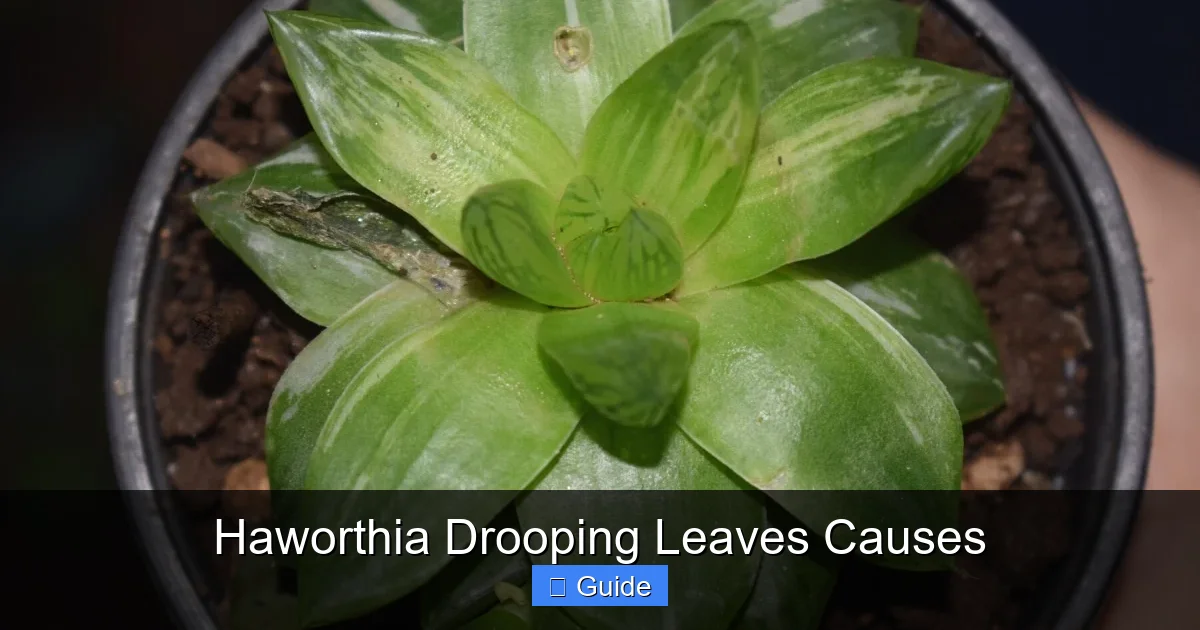
Visual guide about Haworthia Drooping Leaves Causes
Image source: media.greg.app
Underwatering – the silent stressor
While less common, letting the plant go bone‑dry for weeks also causes drooping. The leaves lose turgor pressure and become soft. The fix is simple: give a thorough soak, let excess drain, then return to a normal “dry‑then‑water” routine.
Practical tip
Use a moisture meter or the “pot weight” method. Lift the pot after watering; a heavy pot means wet soil, a light pot means it’s time to water again.
2. Light Levels: Finding the Sweet Spot
Too little light
Haworthia thrives in bright, indirect sunlight. A north‑facing window or a spot several feet from a south window often provides too little energy. The plant stretches, leaves become thin, and they eventually droop. Move the pot to a brighter location or add a grow light for 12‑14 hours a day.
Too much direct sun
Intense afternoon rays can scorch the leaf tips, causing them to curl and hang. If you see brown, crispy edges, shift the plant to filtered light or use a sheer curtain.
Quick test
Place a white sheet of paper near the plant at midday. If the paper shows a sharp shadow, the light is strong; a faint shadow means low light.
3. Soil and Drainage: The Foundation of Health
Wrong potting mix
Standard potting soil holds too much water for succulents. A gritty blend — 50 % coarse sand or perlite, 30 % potting soil, 20 % pumice — lets water flow through quickly while still retaining a bit of moisture for the roots.
Missing drainage holes
Even the best mix fails if the pot traps water. Always choose containers with at least one drainage hole. If you love a decorative cachepot, keep the Haworthia in a plastic nursery pot inside it.
Repotting routine
Refresh the mix every 2‑3 years. Gently shake off old soil, trim any blackened roots, and place the plant in fresh, dry medium. This prevents salt buildup and restores aeration.
4. Root Rot and Disease: Spotting the Hidden Enemy
Signs of root rot
When you unpot the plant, healthy roots are firm, white, and smell earthy. Rotted roots turn brown or black, feel mushy, and emit a foul odor. The above‑ground symptom is often drooping leaves because the plant cannot uptake water.
Rescue steps
1. Remove all affected roots with sterile scissors.
2. Let the remaining root ball air‑dry for a few hours.
3. Repot in dry, fresh gritty mix.
4. Hold off watering for 5‑7 days, then resume a light schedule.
Preventive care
Apply a thin layer of cinnamon on the cut roots — it acts as a natural fungicide. Keep humidity low and avoid misting the foliage.
5. Temperature and Humidity: Keeping the Climate Comfortable
Cold drafts
Temperatures below 50 °F shock the succulent, causing cellular damage that shows as limp leaves. Keep the plant away from air‑conditioning vents, open windows in winter, and cold floors.
Excessive heat
Above 90 °F, especially with low humidity, the plant transpires faster than it can absorb water. Leaves lose rigidity and droop. A fan for air circulation and a pebble tray with water can moderate the microclimate.
Ideal range
Aim for 60 °F‑80 °F with 30‑50 % relative humidity. Most homes fall naturally in this zone.
6. Pests and Nutrient Imbalance: Small Issues, Big Impact
Common pests
Mealybugs, spider mites, and scale insects suck sap, weakening the plant. Inspect the leaf axils and undersides weekly. A cotton swab dipped in isopropyl alcohol removes mealybugs; neem oil spray handles mites and scale.
Fertilizer burn
Over‑fertilizing adds salts that draw moisture out of roots, mimicking drought stress. Use a diluted cactus fertilizer (¼ strength) once a month during the growing season only.
Nutrient deficiency
Yellowing older leaves with drooping new growth can signal a lack of nitrogen or potassium. A balanced, low‑nitrogen succulent feed corrects this quickly.
Conclusion
Drooping Haworthia leaves are rarely a mystery — they are a conversation between the plant and its environment. By checking water habits, light exposure, soil quality, root health, temperature, and pest pressure, you can pinpoint the exact cause and apply a targeted fix. Remember, the best cure is prevention: a gritty, well‑draining pot, bright indirect light, and a “dry‑then‑water” routine keep those charming rosettes standing tall for years. Happy growing!
Frequently Asked Questions
What are the most common haworthia drooping leaves causes?
The top causes are overwatering, insufficient light, poor drainage, root rot, temperature stress, and pest infestations. Each factor reduces the plant’s ability to keep its leaves firm.
How can I tell if my Haworthia has root rot?
Unpot the plant and examine the roots. Healthy roots are white and firm; rotted roots are brown or black, mushy, and smell foul. Drooping leaves often accompany this condition.
Is it okay to mist Haworthia leaves?
Misting is not recommended. Haworthia prefers dry foliage; excess moisture on leaves encourages fungal spots and does not replace proper soil watering.
Can I save a Haworthia with completely drooped leaves?
Yes, if the root system is still partially healthy. Trim dead roots, repot in dry gritty mix, withhold water for a week, then resume a careful watering schedule.
What light conditions do Haworthia need?
Bright, indirect light for 12‑14 hours daily is ideal. A north or east window, or a grow light, works well. Avoid harsh afternoon sun.
How do I prevent pests on my Haworthia?
Inspect weekly, keep the area clean, avoid overwatering, and treat any early signs with neem oil or insecticidal soap. Quarantine new plants for two weeks before adding them to your collection.