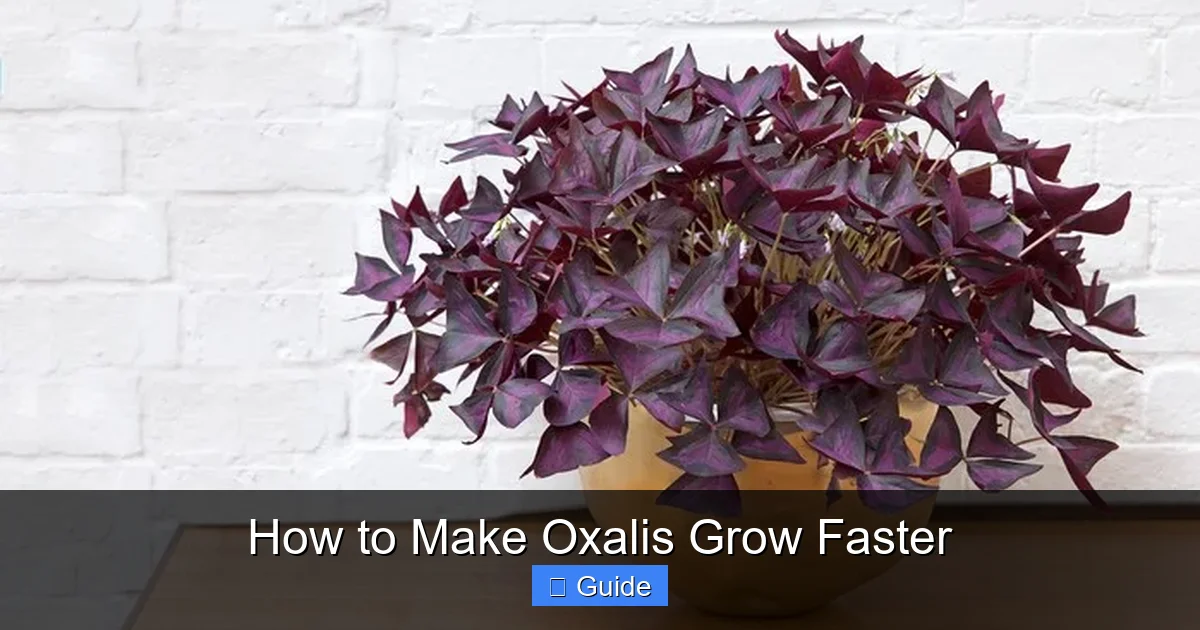
How to Make Oxalis Grow Faster
Want to know how to make oxalis grow faster? This complete guide covers everything from optimal lighting and watering schedules to the best soil mix and fertilizer routine. Follow these proven tips to enjoy fuller, healthier shamrock plants in record time.
If you have ever watched an oxalis plant unfurl its delicate clover-like leaves in the morning light, you know the quiet joy these plants bring. They dance with the sun, folding up at night and stretching wide by day. But sometimes they seem to stall. The leaves stay small. The stems stretch thin. The pot looks sparse. You wonder how to make oxalis grow faster without risking the plant’s health. The good news is that oxalis responds quickly to the right care. A few simple changes can transform a struggling plant into a lush, vibrant mound of foliage in just a few weeks.
This guide walks you through every factor that controls growth speed. We will cover light, water, soil, fertilizer, temperature, humidity, pruning, repotting, and the critical dormancy cycle. Each section gives you practical steps you can take today. Whether you grow the classic purple shamrock (Oxalis triangularis), the green iron cross (Oxalis deppei), or any of the other 500-plus species, the principles remain the same. Let us dig in and get your oxalis growing at full speed.
Key Takeaways
- Bright indirect light is essential: Oxalis thrives in 4-6 hours of filtered sunlight daily for rapid, compact growth.
- Water when the top inch of soil feels dry: Consistent moisture without soggy roots prevents dormancy and encourages steady growth.
- Use a well-draining, slightly acidic potting mix: A blend of peat, perlite, and compost creates the ideal root environment.
- Feed monthly with balanced liquid fertilizer during active growth: Diluted 10-10-10 or 20-20-20 formula fuels leaf production.
- Respect the natural dormancy period: Allowing the plant to rest ensures vigorous regrowth when conditions improve.
- Repot annually in spring: Fresh soil and a slightly larger container give roots room to expand quickly.
- Pinch back leggy stems regularly: Pruning encourages bushier growth and prevents sparse, stretched-out plants.
Quick Answers to Common Questions
How much light does oxalis need to grow fast?
Oxalis needs 4-6 hours of bright indirect light daily for fastest growth. An east window or filtered south/west window works well. Grow lights can supplement or replace natural light.
Why is my oxalis growing tall and leggy?
Leggy growth means insufficient light. The plant stretches toward the light source. Move it to a brighter spot or add a grow light, and pinch back the long stems to encourage branching.
How often should I water oxalis for quick growth?
Water when the top inch of soil feels dry. This usually means every 2-3 days in bright light and warm temps, weekly in cooler or lower light. Never let it sit in standing water.
When should I fertilize oxalis for maximum speed?
Fertilize every 2-4 weeks at half strength during active growth (spring through early fall). Stop completely during dormancy. Flush soil monthly to prevent salt buildup.
My oxalis died back completely. Is it dead?
Probably not. Oxalis naturally goes dormant in fall/winter. Leaves yellow and die back. Stop watering, keep cool and dark for 8-12 weeks, then resume care in spring. It will return vigorously.
📑 Table of Contents
- Understanding Oxalis Growth Habits
- Light: The Engine of Fast Growth
- Watering: Finding the Sweet Spot
- Soil and Potting: The Foundation of Speed
- Fertilizer: Fuel for Rapid Leaf Production
- Temperature and Environment: Creating the Perfect Climate
- Pruning and Maintenance: Shaping for Density
- Managing Dormancy: The Secret to Long-Term Speed
- Troubleshooting Slow Growth
- Propagation: Multiply Your Fast Growers
- Advanced Tips for Maximum Velocity
- Common Myths About Oxalis Growth
- Seasonal Care Calendar
- Conclusion
Understanding Oxalis Growth Habits
Before we talk about how to make oxalis grow faster, it helps to understand how these plants grow naturally. Oxalis grows from small bulbs or rhizomes tucked just below the soil surface. Each bulb sends up a cluster of stems. Each stem holds three or four leaflets. The leaves move in response to light. They open wide in bright conditions and fold down at night or in low light. This movement is called nyctinasty. It is a survival mechanism that helps the plant conserve moisture and protect its photosynthetic surfaces.
The Growth Cycle: Active Growth vs. Dormancy
Oxalis does not grow at a steady pace year-round. Most species follow a distinct cycle. They push out rapid growth in spring and summer. Then they slow down or stop completely in fall and winter. This rest period is called dormancy. During dormancy, the leaves yellow and die back. The plant pulls energy back into the bulbs. To a new grower, this looks like death. It is not. It is a necessary reset. If you try to force growth during dormancy by adding more water or fertilizer, you risk rotting the bulbs. The fastest growth always comes after a proper rest. Respect the cycle, and the plant will reward you with explosive new shoots when the season turns.
Common Oxalis Varieties and Their Speed
Different oxalis species grow at different rates. Oxalis triangularis, the purple shamrock, is a moderate grower. It produces a steady stream of new leaves when happy. Oxalis deppei, the iron cross or lucky clover, grows faster and fills a pot quickly. Oxalis versicolor, the candy cane sorrel, grows more slowly but blooms prolifically. Oxalis regnellii, the green shamrock, is vigorous and forgiving. Knowing your variety helps you set realistic expectations. But no matter the type, the cultural practices below will maximize its natural pace.
Light: The Engine of Fast Growth
Light is the single most important factor when you want to know how to make oxalis grow faster. Photosynthesis drives every new leaf and stem. Without enough light, the plant stretches toward the source. This creates long, weak petioles and small, pale leaves. The plant looks leggy and sparse. With optimal light, the stems stay short and strong. The leaves grow large and deeply colored. The plant forms a dense, attractive mound.
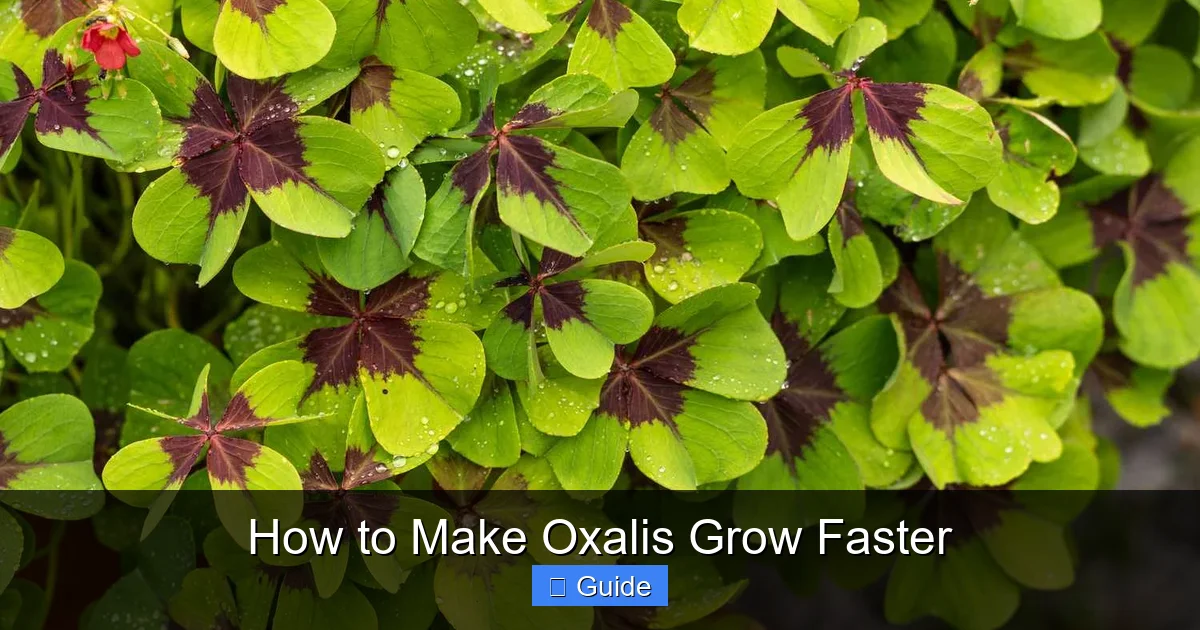
Visual guide about How to Make Oxalis Grow Faster
Image source: thespruce.com
Ideal Light Intensity and Duration
Oxalis wants bright, indirect light. Think of the dappled shade under a tree canopy. Direct afternoon sun can scorch the delicate leaves, especially on purple varieties. Morning sun is gentler and usually well tolerated. Aim for four to six hours of bright filtered light each day. An east-facing window is perfect. A south or west window works if you sheer the light with a curtain or set the plant back a few feet. In lower light, the plant survives but grows slowly. In deep shade, it may not grow at all.
Using Grow Lights for Year-Round Speed
If your windows do not provide enough light, or if you want to maintain fast growth through winter, a grow light is a game changer. A full-spectrum LED panel or bulb rated at 2000 to 5000 lumens works well. Position the light 12 to 18 inches above the foliage. Run it for 12 to 14 hours a day. Use a timer for consistency. You will see new leaves emerge within days. The color on purple varieties deepens dramatically under good artificial light. This is one of the most reliable ways to accelerate growth when natural light is limited.
Signs Your Oxalis Needs More Light
Watch for these clues. Stems grow long and lean toward the window. Leaves stay small and pale. The space between leaves (internodes) stretches. The plant looks open and airy instead of full. Purple varieties may lose their deep color and turn greenish. If you see these signs, move the plant closer to the light source or add a grow light. The response is usually visible within a week.
Watering: Finding the Sweet Spot
Water management is the second pillar of how to make oxalis grow faster. Oxalis likes consistent moisture but hates wet feet. The bulbs and fine roots rot quickly in soggy soil. On the flip side, letting the soil dry out completely triggers early dormancy. The plant thinks the dry season has arrived and shuts down. The goal is evenly moist soil that drains freely.
The Finger Test Method
Forget calendar schedules. Use your finger. Press it into the soil up to the first knuckle. If the soil feels dry at that depth, water thoroughly. If it feels cool and damp, wait. Check every day or two. In bright light and warm temperatures, you may water every two to three days. In lower light or cooler temps, it might be once a week. The plant tells you what it needs. Learn to read the soil, not the calendar.
Water Quality Matters
Oxalis can be sensitive to chemicals in tap water. Chlorine, fluoride, and high mineral content can cause leaf tip burn and slow growth. If your tap water is heavily treated, let it sit out overnight before using. Better yet, use filtered water, rainwater, or distilled water. Room temperature water is best. Cold water shocks the roots. Warm water encourages bacterial growth. Lukewarm is the sweet spot.
Bottom Watering for Healthier Roots
Consider bottom watering. Place the pot in a tray of water for 15 to 20 minutes. The soil wicks up moisture from the bottom. This encourages roots to grow downward. It keeps the crown and leaves dry, reducing fungal risk. It also prevents the soil surface from compacting. After soaking, let the pot drain fully. Never let the pot sit in standing water longer than 30 minutes.
Humidity Boosts Growth
Oxalis comes from humid regions. Higher humidity reduces water loss through the leaves. This lets the plant put more energy into growth. Aim for 50 to 60 percent relative humidity. Group plants together. Use a pebble tray with water. Run a small humidifier nearby. Misting helps briefly but does not raise ambient humidity for long. In dry winter air, a humidifier makes a noticeable difference in leaf size and production rate.
Soil and Potting: The Foundation of Speed
You cannot talk about how to make oxalis grow faster without addressing the root zone. The soil mix determines how much oxygen reaches the roots, how well water drains, and how easily nutrients are absorbed. A dense, heavy mix suffocates roots. A mix that drains too fast leaves the plant thirsty. The perfect mix balances moisture retention with aeration.
The Ideal DIY Mix
Make your own blend for best results. Combine two parts high-quality peat-based potting soil, one part perlite or pumice, and one part coarse sand or fine orchid bark. Add a handful of worm castings or compost for slow-release nutrients. This mix holds moisture evenly, drains excess water in seconds, and provides plenty of air pockets for root expansion. Roots grow fast when they have oxygen. Fast roots mean fast tops.
Choosing the Right Pot
Pot choice matters more than most people realize. Oxalis has shallow, spreading roots. It prefers a wide, shallow pot over a deep one. A deep pot holds too much soil at the bottom. That soil stays wet too long. A shallow pot dries more evenly. Always use a pot with drainage holes. No exceptions. Terra cotta is excellent because it wicks moisture and breathes. Plastic works fine if you are careful with watering. Glazed ceramic is okay but holds water longer. Match the pot size to the root ball. A pot one to two inches wider than the current root mass is ideal. Too large a pot leads to overwatering and slow growth.
Repotting for a Growth Surge
Repot once a year in early spring, just as new growth emerges. Fresh soil brings new nutrients and better structure. Gently shake off old soil. Inspect the bulbs. Discard any that are soft or mushy. Healthy bulbs are firm and plump. Plant them at the same depth, about one inch below the surface. Space them an inch apart. Water lightly after repotting. Place in bright indirect light. Hold off on fertilizer for two weeks. The plant will explode with new growth once it settles.
Fertilizer: Fuel for Rapid Leaf Production
Fertilizer is the turbo button for how to make oxalis grow faster. But like a turbo, it must be used correctly. Too much burns roots. Too little leaves the plant hungry. The right type, strength, and timing make all the difference.
Choosing the Best Fertilizer
Use a balanced, water-soluble fertilizer with an NPK ratio like 10-10-10 or 20-20-20. Balanced means equal parts nitrogen, phosphorus, and potassium. Nitrogen drives leaf growth. Phosphorus supports root and bulb development. Potassium regulates water uptake and overall vigor. A fertilizer with micronutrients (iron, magnesium, manganese) prevents deficiencies that cause yellowing. Organic options like fish emulsion or seaweed extract work well too. They feed soil microbes and release nutrients slowly. Synthetic fertilizers act faster. Both work. Choose based on your preference.
Dilution and Frequency
Always dilute to half the label strength. Oxalis roots are fine and sensitive. Full strength can cause tip burn and salt buildup. Fertilize every two to four weeks during active growth (spring through early fall). Stop completely during dormancy. If you grow under lights year-round and the plant never goes dormant, you can fertilize monthly at quarter strength. Flush the soil with plain water every month to prevent salt accumulation. Run water through the pot until it flows freely from the bottom. Do this for a minute or two.
Foliar Feeding for a Quick Boost
For an extra speed burst, try foliar feeding. Mix fertilizer at quarter strength in a spray bottle. Mist the leaves early in the morning. The stomata (leaf pores) are open then. Nutrients absorb directly through the leaf surface. This bypasses the roots and shows results in days. Do this once a month during peak growth. Do not foliar feed in direct sun or the leaves may burn. Do not foliar feed during dormancy.
Temperature and Environment: Creating the Perfect Climate
Oxalis grows fastest in a specific temperature window. Too cold and metabolism slows. Too hot and the plant goes dormant early. Understanding the thermal sweet spot helps you maintain peak growth for as long as possible.
The Ideal Temperature Range
Daytime temperatures of 65 to 75 degrees Fahrenheit (18 to 24 Celsius) are perfect. Nighttime can drop to 55 to 60 degrees (13 to 16 Celsius). This slight drop mimics natural conditions and encourages strong growth. Avoid temperatures above 80 degrees (27 Celsius) for extended periods. High heat signals summer dormancy to many species. The plant will yellow and die back even if you water and fertilize perfectly. If your home gets hot in summer, move the plant to a cooler spot or use a fan to lower leaf temperature.
Air Circulation Prevents Problems
Good airflow reduces fungal diseases like powdery mildew and botrytis. These diseases slow growth and damage leaves. A small fan on low, running a few hours a day, keeps air moving. Do not blow directly on the plant. Just create gentle circulation in the room. This also helps the soil dry evenly, preventing root rot. Healthy leaves photosynthesize better. Better photosynthesis means faster growth.
Seasonal Adjustments
In spring, as days lengthen and temperatures rise, the plant wakes up. This is the time to increase water, start fertilizing, and repot if needed. In summer, maintain peak care. In fall, as light fades and temps drop, gradually reduce water and stop fertilizer. Let the plant guide you. If it keeps growing, keep caring. If it slows, ease off. In winter, provide as much light as possible. Keep temperatures cool but above freezing. Water sparingly. This rest sets the stage for next year’s speed.
Pruning and Maintenance: Shaping for Density
Pruning is an overlooked tool in how to make oxalis grow faster. It seems counterintuitive to cut a plant you want to grow. But strategic removal of old growth redirects energy to new growth. It also improves light penetration and air flow within the canopy.
Pinching for Bushiness
When stems get long and leggy, pinch them back. Use clean fingers or scissors. Cut just above a leaf node. The plant will branch from that node. Two or three new stems replace the one you cut. Do this regularly during active growth. A pinched plant becomes a dense mound. An unpinched plant becomes a sparse tangle. Pinching also keeps the plant compact and attractive.
Removing Spent Leaves and Flowers
Yellow or brown leaves no longer photosynthesize. They drain energy. Snip them off at the base. Spent flower stalks should be removed after blooming unless you want seeds. Seed production takes significant energy. Removing flowers redirects that energy to leaf and bulb production. Do this weekly during the growing season. It keeps the plant looking fresh and growing strong.
Dividing Crowded Clumps
Over time, the bulbs multiply and crowd the pot. Crowding reduces growth. Every two to three years, divide the clump. Do this in spring during repotting. Gently separate the bulbs. Replant the largest, healthiest ones in fresh soil. Share or discard the rest. Division rejuvenates the planting. The remaining bulbs have space, nutrients, and moisture all to themselves. Growth accelerates dramatically after division.
Managing Dormancy: The Secret to Long-Term Speed
This is the most misunderstood aspect of how to make oxalis grow faster. Many growers panic when their plant dies back. They overwater. They fertilize. They try to force it awake. This kills the bulbs. Dormancy is not a problem. It is a requirement. The plant stores energy in the bulbs during growth. It uses that energy to survive the rest period and fuel the next flush. Without dormancy, the bulbs exhaust themselves. The plant weakens and eventually dies.
Recognizing Natural Dormancy
Dormancy usually starts in late fall or early winter. Triggered by shorter days, cooler temps, and drier air. The leaves yellow from the base upward. Stems collapse. The plant looks dead. Stop watering. Stop fertilizing. Move the pot to a cool, dark place. A basement, garage, or unheated closet works. Temperatures of 45 to 55 degrees (7 to 13 Celsius) are ideal. Leave it alone for 8 to 12 weeks. Check occasionally. The soil should be barely moist, not bone dry. A light misting once a month is enough.
Waking the Plant Up
After the rest period, bring the pot back into warmth and light. Late winter or early spring is best. Water thoroughly once. Place in bright indirect light. Wait. Within two weeks, tiny shoots appear. They grow fast. Resume normal watering and fertilizing. The plant often returns larger and more vigorous than before. This cycle of growth, rest, and regrowth is the natural rhythm. Work with it, not against it.
Forcing Growth Without Dormancy
Some growers keep oxalis growing year-round under lights. This is possible but requires care. The plant must never experience the triggers: short days, cool temps, dry soil. Provide 14 hours of light. Keep temps steady at 68 to 72 degrees. Water and fertilize consistently. The plant may skip dormancy for a year or two. But eventually, the bulbs deplete. Growth slows. Leaves shrink. The plant needs a rest. If you force year-round growth, plan a deliberate dormancy every 18 to 24 months. The long-term health of the plant depends on it.
Troubleshooting Slow Growth
Even with perfect care, oxalis sometimes stalls. Here is a quick diagnostic guide to get things moving again.
Check Light First
Is the plant getting four to six hours of bright indirect light? If not, move it or add a grow light. This fixes 80 percent of slow growth cases.
Check Soil Moisture
Is the soil staying soggy? Root rot stops growth cold. Is it drying out completely? That triggers dormancy. Adjust watering.
Check for Pests
Spider mites, aphids, and mealybugs suck sap and stunt growth. Inspect leaf undersides and stem joints weekly. Treat with insecticidal soap or neem oil at first sign.
Check Pot Size
Is the plant root-bound? Roots circling the bottom? Time to repot or divide.
Check Nutrient Status
Pale leaves with green veins suggest iron deficiency. Yellowing older leaves suggest nitrogen deficiency. Stunted new growth with burnt tips suggests fertilizer burn. Adjust feeding accordingly.
Check Temperature
Is it too hot? Too cold? Move the plant to the 65 to 75 degree sweet spot.
Propagation: Multiply Your Fast Growers
Once you master how to make oxalis grow faster, you will want more plants. Propagation is easy and fast. The two main methods are division and bulb offsets.
Division During Repotting
As described earlier, spring repotting is the perfect time to divide. Each bulb or cluster of bulbs becomes a new plant. Pot them individually or in small groups. They establish quickly in fresh soil.
Separating Bulb Offsets
Mature bulbs produce tiny offsets around their base. These are baby bulbs. Gently break them off during repotting. Plant them half an inch deep in moist mix. Cover the pot with a plastic bag to create a mini greenhouse. Place in bright indirect light. Vent daily. In two to three weeks, leaves emerge. These babies reach flowering size in one season.
Growing from Seed
Oxalis produces seed pods after flowering. The pods explode when ripe, scattering seeds. You can collect seeds by placing a bag over the pod. Sow fresh seeds on moist soil surface. Do not cover. They need light to germinate. Keep warm and moist. Germination takes two to four weeks. Seedlings grow slowly at first. They take two to three years to mature. Division is much faster.
Advanced Tips for Maximum Velocity
If you want to push the limits of how to make oxalis grow faster, these advanced techniques can shave weeks off the timeline.
CO2 Enrichment
In a sealed grow tent, adding CO2 to 1000 to 1200 ppm can increase photosynthesis rates by 30 percent. This requires a CO2 generator or tank, a controller, and a sealed environment. It is overkill for a houseplant but works for commercial production.
Hydroponic or Semi-Hydroponic Culture
Growing in LECA (clay pebbles) with a nutrient reservoir eliminates soil variables. Roots get perfect oxygen and moisture. Growth rates can double. This requires pH monitoring and precise nutrient management. It is a rewarding challenge for experienced growers.
Mycorrhizal Inoculation
Adding beneficial mycorrhizal fungi to the soil at planting time enhances nutrient uptake, especially phosphorus. The fungi colonize roots and extend the root surface area dramatically. Products like Great White or MycoApply work well. One application at repotting lasts the life of the plant.
Silica Supplementation
Potassium silicate added to fertilizer strengthens cell walls. Stems become thicker and more upright. Leaves become larger and more resistant to pests and disease. Use a silica supplement like Armor Si or Rhino Skin at 1 ml per gallon every other feeding.
Common Myths About Oxalis Growth
Let us clear up some misconceptions that slow growers down.
Myth: Oxalis Needs Full Sun
Reality: Full sun burns the leaves. Bright indirect light is best. Morning sun is okay. Afternoon sun is risky.
Myth: Keep the Soil Constantly Wet
Reality: Constant wetness rots bulbs. Moist, not wet. Let the top inch dry.
Myth: Fertilize Heavily for Fast Growth
Reality: Heavy feeding burns roots. Half-strength, regular feeding wins.
Myth: Dormancy Means the Plant Is Dead
Reality: Dormancy is normal and necessary. Let the plant rest.
Myth: Misting Replaces Humidity
Reality: Misting raises humidity for minutes. A humidifier or pebble tray works for hours.
Seasonal Care Calendar
Here is a quick reference for year-round care.
Spring (March – May)
- Repot and divide if needed
- Increase watering as growth resumes
- Start fertilizing at half strength every two weeks
- Move to brightest location
- Pinch leggy growth from winter
Summer (June – August)
- Maintain peak watering and fertilizing
- Watch for heat stress above 80 degrees
- Increase humidity
- Monitor for pests weekly
- Remove spent flowers
Fall (September – November)
- Gradually reduce watering
- Stop fertilizing by October
- Allow soil to dry more between waterings
- Move to cooler spot if possible
- Prepare for dormancy
Winter (December – February)
- Minimal water – just enough to keep bulbs from shriveling
- No fertilizer
- Cool temperatures 45-55 degrees ideal
- Dark or low light okay
- Wait for spring shoots
Conclusion
Learning how to make oxalis grow faster is really about learning to listen to the plant. It tells you what it needs through its leaves, stems, and growth rate. Give it bright indirect light. Water when the top inch of soil is dry. Use a loose, well-draining mix. Feed lightly and regularly during active growth. Keep temperatures moderate. Prune to shape. Respect the dormancy period. Do these things consistently, and your oxalis will reward you with rapid, lush growth that fills the pot and spills over the edges. The delicate shamrock leaves will dance in the light, deep in color and full of life. There is no secret trick. Just steady, informed care. Start today. Adjust one thing. Watch the response. Adjust another. In a few weeks, you will hardly recognize the plant. It will be fuller, brighter, and faster than ever before. That is the joy of growing oxalis. It responds. It grows. It thrives.
Frequently Asked Questions
Can oxalis grow in low light?
Oxalis survives in low light but grows very slowly. Leaves become small and pale, stems stretch, and the plant looks sparse. For fast growth, bright indirect light is essential.
What is the best fertilizer for oxalis?
A balanced water-soluble fertilizer like 10-10-10 or 20-20-20 at half strength works best. Apply every 2-4 weeks during active growth. Organic options like fish emulsion also work well.
How do I know when my oxalis is dormant?
Leaves yellow and collapse starting from the base. Growth stops completely. This usually happens in late fall or winter. The bulbs remain firm underground. Do not confuse this with root rot, where bulbs turn mushy.
Should I mist my oxalis?
Misting provides only brief humidity. For sustained humidity that boosts growth, use a pebble tray, group plants, or run a humidifier. Misting can encourage fungal spots if leaves stay wet too long.
Can I grow oxalis outdoors in summer?
Yes, oxalis loves a summer vacation outdoors. Place in bright shade or morning sun only. Acclimate gradually over a week. Bring inside before temps drop below 50°F. Check for pests before bringing in.
How do I make my oxalis bushy instead of leggy?
Pinch back long stems just above a leaf node during active growth. Provide bright light to prevent stretching. Rotate the pot weekly for even light exposure. Divide crowded clumps every 2-3 years.