How to Clean Maranta Leaves
Cleaning Maranta leaves is essential for photosynthesis and plant health. Use lukewarm water and a soft cloth to gently wipe each leaf, supporting the underside to prevent damage. Avoid harsh chemicals, leaf shine products, and cold water that can shock this sensitive tropical plant.
Key Takeaways
- Dust blocks light: A layer of dust reduces photosynthesis by up to 30 percent, slowing growth and dulling leaf patterns.
- Use lukewarm water: Cold water shocks tropical roots and leaves; room temperature or slightly warm water prevents stress.
- Support each leaf: Hold the leaf from underneath with one hand while wiping with the other to avoid tearing delicate foliage.
- Skip leaf shine products: Commercial shine sprays clog stomata (breathing pores) and attract more dust over time.
- Clean monthly: A monthly wipe-down keeps pests away and lets you inspect for early signs of spider mites or thrips.
- Mist after cleaning: Light misting restores humidity and helps the plant recover from the handling process.
- Inspect while cleaning: Use cleaning time to check leaf undersides, stems, and soil for pests, disease, or watering issues.
Quick Answers to Common Questions
How often should I clean my Maranta leaves?
Clean your Maranta leaves once a month as a baseline. Increase to every two weeks if you live in a dusty area, have pets, or run forced-air heating and cooling. Decrease to every six weeks in winter or if you use an air purifier near the plant.
Can I use tap water to clean Maranta leaves?
Yes, but only if it is lukewarm (68-75°F) and not heavily chlorinated or hard. Cold tap water shocks tropical leaf tissue. If your tap water leaves white mineral spots, use filtered or distilled water instead.
Should I use leaf shine products on my prayer plant?
Never use leaf shine products on Maranta. They clog stomata (breathing pores), attract more dust, and prevent gas exchange. The natural matte sheen of a clean Maranta leaf is healthy and beautiful.
What is the best cloth for cleaning Maranta leaves?
A clean microfiber cloth is ideal. It traps dust, is soft enough to avoid scratching, and holds moisture without dripping. Wash it with mild detergent only, no fabric softener, and dedicate it to plant use only.
Can I put my Maranta in the shower to clean it?
Yes, for large specimens a gentle lukewarm shower works well. Use a rain setting, not high pressure. Limit to 2-3 minutes, let it drip dry completely, and ensure no water sits in the saucer. Do this monthly with spot cleaning between showers.
📑 Table of Contents
- Why Cleaning Maranta Leaves Matters More Than You Think
- Understanding Maranta Leaf Structure Before You Clean
- When and How Often to Clean Your Prayer Plant
- Tools and Materials You Need (And What to Avoid)
- Step-by-Step Guide to Cleaning Maranta Leaves
- Special Situations and Troubleshooting
- Maintaining Clean Leaves Between Deep Cleans
- Common Mistakes That Damage Maranta Leaves
- Conclusion: Clean Leaves, Happy Prayer Plant
Why Cleaning Maranta Leaves Matters More Than You Think
If you own a Maranta leuconeura, better known as the prayer plant, you already know how mesmerizing those leaves can be. The bold veins, the deep green patches, the way they fold up at night like hands in prayer. It is a living piece of art. But here is the thing. Those gorgeous leaves are also solar panels. Every speck of dust, every water spot, every tiny bit of grime blocks light from reaching the chlorophyll inside. When light gets blocked, photosynthesis slows down. Growth slows down. The vibrant patterns start to fade. And a dusty leaf is basically an open invitation for spider mites and other pests who love to hide in the debris.
Most plant parents water their Maranta on schedule. They mist for humidity. They rotate for even light. But cleaning? That often gets pushed to the bottom of the list. I get it. It feels tedious. You worry about tearing a leaf. You wonder if you need special products. You are not sure how often to do it. The good news is that cleaning Maranta leaves is actually simple, quick, and deeply satisfying once you know the right way. No fancy sprays. No expensive tools. Just water, a soft cloth, and a little bit of know-how. In this guide, I will walk you through everything from why it matters to exactly how to do it without damaging a single leaf. Your prayer plant will thank you with brighter colors, faster growth, and those signature nighttime folds that make it so special.
Understanding Maranta Leaf Structure Before You Clean
Delicate Texture and Thin Cuticle
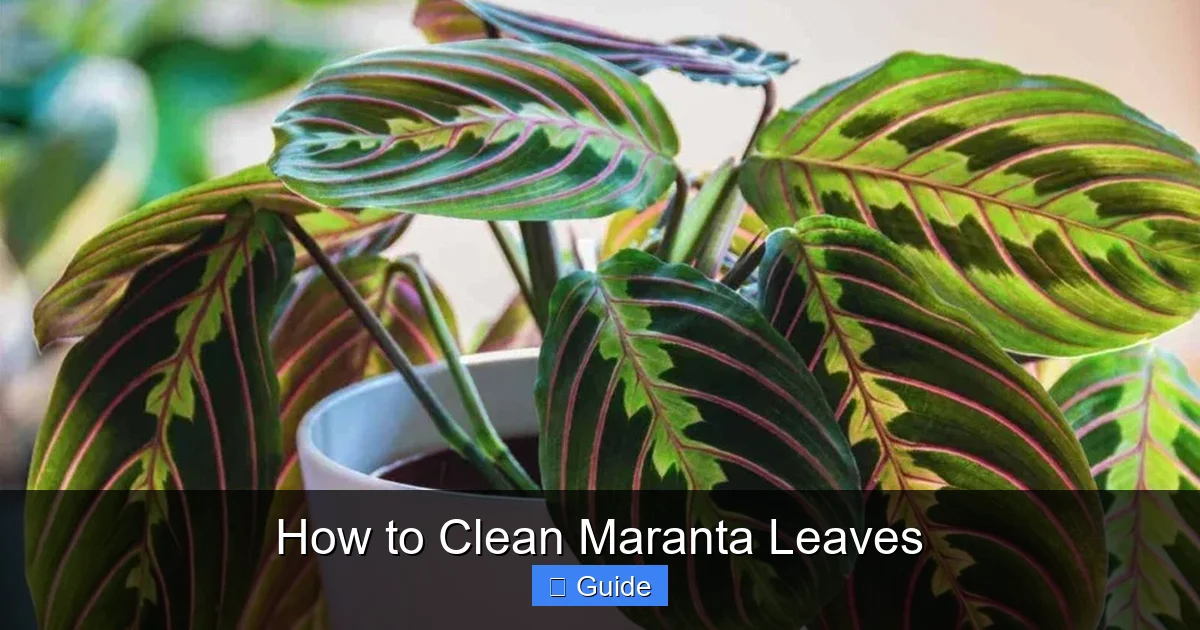
Maranta leaves are not like rubber plant leaves or snake plant leaves. They are thin. They are soft. They have a delicate, almost velvety texture that feels wonderful to touch but tears easily if you are rough. The cuticle, which is the waxy protective layer on the surface, is thinner than what you find on succulents or thick-leaved tropicals. This means they lose moisture faster. It also means they are more prone to physical damage. When you wipe a Maranta leaf, you are essentially polishing a very thin membrane. Press too hard, and you can bruise the tissue. Drag a rough cloth across it, and you can leave micro-scratches that become entry points for bacteria or fungus.
Visual guide about How to Clean Maranta Leaves
Image source: planetnatural.com
Stomata Placement and Function
Here is something most people do not realize. The stomata, the tiny pores that let the plant breathe and transpire, are mostly on the underside of Maranta leaves. The top side has some, but the vast majority are underneath. This is crucial for cleaning. If you spray a product on the top of the leaf and it drips down, it can clog those stomata. If you wipe too vigorously on the underside, you can damage them. Clogged or damaged stomata mean the plant cannot regulate gas exchange or water loss properly. This leads to crispy edges, curling leaves, and general decline. So when you clean, you are not just wiping a surface. You are working around the plant’s breathing apparatus. Gentle is not optional. It is required.
Nyctinastic Movement Considerations
Maranta leaves move. A lot. They fold up at night and open during the day. This movement, called nyctinasty, happens because of specialized cells at the base of each leaf called pulvini. These cells swell and shrink with water pressure changes. The pulvini are fragile. If you grab a leaf by its base and yank it into position for cleaning, you can damage the pulvinus. A damaged pulvinus means that leaf might stop folding. It might stay stuck open or closed. So when you clean, never pull on the leaf stem. Never force a leaf into a flat position if it wants to curl. Work with the plant’s natural posture. Clean in the morning when leaves are fully open and relaxed.
When and How Often to Clean Your Prayer Plant
Monthly Baseline Schedule
For most indoor environments, once a month is the sweet spot. Dust accumulates slowly but steadily. In a typical home, a month’s worth of dust creates a visible film that reduces light penetration by 20 to 30 percent. Monthly cleaning keeps that film from ever becoming a thick layer. It also gives you a built-in inspection routine. You are already touching every leaf. You might as well look at every leaf. Check for pests. Check for yellowing. Check for crispy tips. Check the soil moisture while you are at it. Make it a ritual. First Saturday of the month. Coffee in hand. Plant cleaning time. Your Maranta will show the difference within a few cycles.
Environmental Factors That Increase Frequency
Not every home is the same. If you live near a busy road, construction, or an industrial area, outdoor dust finds its way inside. You might need to clean every two weeks. If you have forced-air heating or cooling, the constant air movement deposits dust faster. Pet owners, you know the drill. Fur and dander settle on everything. Same for homes with fireplaces or candle lovers. The soot particles are fine and sticky. They bond to leaf surfaces more stubbornly than regular dust. In high-dust environments, a quick rinse every two weeks and a thorough wipe monthly works well. On the flip side, if you have an air purifier running near your plants and minimal dust sources, you might stretch to six weeks. Watch the leaves. They will tell you.
Seasonal Adjustments
Winter changes everything. Heating systems run constantly. Air gets dry. Dust circulates more. But the plant is also semi-dormant. Growth slows. The leaves are more fragile because the plant is not pushing out new tissue as fast. In winter, I switch to a lighter touch. Instead of a full wipe-down every month, I might do a gentle rinse in the shower every six weeks and spot-clean any visibly dusty leaves in between. Spring and summer are growth seasons. The plant is pumping out new leaves. It can handle and benefits from more frequent cleaning. Fall is a transition. Taper off as light levels drop. Always adjust to your specific conditions rather than following a rigid calendar.
Tools and Materials You Need (And What to Avoid)
The Essential Kit
You do not need much. A clean microfiber cloth. That is it for 90 percent of cleanings. Microfiber traps dust instead of pushing it around. It is soft enough not to scratch. It holds water well without dripping. Get a few small ones, maybe 12 by 12 inches. Keep them dedicated to plants only. No fabric softener when you wash them. Fabric softener leaves a residue that transfers to leaves and clogs stomata. Wash with mild detergent, rinse thoroughly, air dry. A second cloth for drying is helpful but not mandatory. You can just use the dry side of the same cloth. A small bowl of lukewarm water. That is the whole kit. Total cost under five dollars. Lasts for years.
Optional Upgrades for Thorough Cleaning
If you want to level up, a few extras make the job easier. A soft makeup brush or clean paintbrush for dusting tight spots where the leaf meets the stem. A spray bottle with a fine mist setting for pre-misting dusty leaves so particles do not scratch during wiping. A step stool if your Maranta is on a high shelf. Do not stretch and risk dropping the plant. Bring the plant to you or you to the plant safely. Some people like cotton gloves. They prevent oils from your hands transferring to leaves. If you use gloves, make sure they are clean cotton, not synthetic, and wash them between uses. A magnifying glass sounds excessive but it is amazing for pest inspection while you clean. Spider mites are tiny. You will miss them with naked eyes until there is webbing.
What to Never Use on Maranta Leaves
This is where people damage their plants. Leaf shine products. Commercial leaf polish. Milk. Mayonnaise. Banana peels. Coconut oil. Neem oil as a shine (neem is for pests, not shine). Vinegar solutions. Alcohol wipes. Baby wipes. Paper towels. Tissues. Rough sponges. Scrubbers. Dish soap. Hand soap. Any soap unless it is specifically formulated for plants and even then, rarely needed. Cold tap water. Hot water. Pressure sprayers. The shower on full blast. All of these cause damage. Leaf shine clogs stomata and attracts dust. Oils and food products rot and breed fungus. Soaps strip the natural cuticle. Cold water shocks tropical tissue. Rough materials scratch. Keep it simple. Water. Cloth. Done.
Step-by-Step Guide to Cleaning Maranta Leaves
Preparation Phase
Start by moving your Maranta to a comfortable working height. A kitchen counter, a table, a plant stand. Somewhere with good light so you can see what you are doing. If the plant is large or heavy, do not move it. Bring your supplies to it. Lay down a towel or waterproof mat to protect your surface. Fill your bowl with lukewarm water. Test it on your inner wrist. It should feel neutral, not warm, not cool. Right around room temperature or slightly above. 68 to 75 degrees Fahrenheit is perfect. If your tap water is heavily chlorinated or very hard, use filtered or distilled water. Maranta are sensitive to chemicals and mineral buildup. Have your clean microfiber cloth ready. Take a deep breath. This is plant care meditation time.
Dry Dusting First
Before you introduce any moisture, do a dry pass. Take a dry microfiber cloth or a soft brush and gently remove loose dust. Start at the base of the leaf near the stem and work toward the tip. Support the leaf from underneath with your free hand. Palm up, fingers spread, cradling the leaf. Do not press down on top. Just let the leaf rest on your hand. Wipe with the cloth in your other hand. One smooth stroke. Flip the cloth frequently so you are not rubbing dust back on. For the underside, tilt the leaf gently by lifting the tip. Never force it. If a leaf resists moving, clean around it. Dry dusting removes 80 percent of the debris without any risk of water spots or mineral deposits. It also lets you see how much grime is actually stuck on versus just sitting on top.
Wet Wiping Technique
Now dampen your cloth. Dip it in the bowl and wring it out thoroughly. It should be moist, not dripping. If you hold it up and squeeze, maybe one drop falls. That is the level. Start with the largest, oldest leaves at the bottom. They collect the most dust. Support the leaf from underneath. Place the damp cloth on top at the base. Wipe toward the tip in one smooth motion. Do not scrub back and forth. One direction. Base to tip. This follows the natural vein structure and pushes debris off the leaf rather than grinding it in. Rinse and wring the cloth every few leaves. You want clean water on the cloth, not dirty water. For the underside, lift the leaf tip gently with your supporting hand. Wipe from the stem outward. Be extra gentle here. The underside is more delicate. Stomata live here. Veins are more prominent. If you hit a stubborn spot, hold the damp cloth on it for five seconds to soften, then wipe. Never pick or scrape with your fingernail.
Handling Stubborn Residue
Sometimes you find sticky spots. Maybe sap from a previous pest issue. Maybe mineral deposits from misting with tap water. Maybe a mystery goo. Do not reach for chemicals. For mineral deposits, a cloth dampened with distilled white vinegar diluted 1:10 with water works. Wipe the spot. Immediately follow with a cloth dampened with plain water to remove vinegar residue. Dry with a clean cloth. For sticky organic residue, a tiny drop of pure castile soap in a bowl of water. Dr. Bronner’s unscented baby mild. One drop per cup. Wipe the spot. Rinse thoroughly with plain water cloth. Dry. Test any solution on one small leaf area first. Wait 24 hours. No damage? Proceed. Damage? Stick to plain water. Most stubborn spots come off with patience and repeated gentle wiping. Let the water do the work. Time is your solvent.
Drying and Finishing Touches
Once every leaf is wiped, go back with the dry side of your cloth or a second dry cloth. Gently blot each leaf. Top and bottom. Do not rub. Blot. Press and lift. This removes water droplets that would dry into spots. It also gives you one last chance to inspect each leaf. Look at the undersides closely. Check the stem junctions. Check the soil surface. Remove any dead leaf bits or debris. If you see webbing, tiny moving dots, white cottony tufts, or sticky honeydew, you have pests. That is a separate treatment. But you caught it early because you cleaned. Good job. After drying, mist the plant lightly with filtered or distilled water. This restores humidity and washes away any microscopic cloth fibers. Return the plant to its spot. Rotate it 180 degrees for even light. Admire the glow. Those veins pop now. The colors are saturated. The plant looks alive in a way it did not ten minutes ago.
Special Situations and Troubleshooting
Cleaning After Pest Treatment
If you just treated spider mites, thrips, or mealybugs, cleaning takes on a new urgency. You need to remove dead pests, eggs, webbing, and treatment residue. Wait 24 hours after your treatment application. Then do a thorough cleaning. Use the damp cloth method but be even more meticulous on undersides and stem junctions. That is where eggs hide. Rinse your cloth constantly. You do not want to spread viable eggs from leaf to leaf. After cleaning, bag the used cloth in plastic and throw it away. Do not wash and reuse. Contamination risk is too high. Wash your hands thoroughly. Disinfect your work surface. Quarantine the plant for two weeks with weekly inspections before returning it to your collection. Cleaning is part of the cure, not just maintenance.
Dealing with Hard Water Stains
If you have been misting with tap water, you likely have white crusty spots on leaves. Those are mineral deposits. Calcium, magnesium, carbonates. They etch the leaf surface over time. The longer they sit. The vinegar solution mentioned earlier works. One part white vinegar to ten parts distilled water. Dampen a corner of your cloth. Gently rub each spot. It may take a few passes. Do not soak the leaf. Do not let vinegar solution pool at the leaf base. Immediately wipe with plain water cloth. Dry thoroughly. Switch to distilled or rainwater for misting going forward. If stains are extensive, you can do a full leaf wipe with the vinegar solution, but work leaf by leaf, rinsing each immediately. This is tedious but saves the leaf tissue.
Cleaning New Growth and Unfurling Leaves
New leaves are the most fragile. They emerge rolled up like a cigar. As they unfurl, they are soft, thin, and easily torn. Do not clean a leaf that is still unfurling. Wait until it is fully open and has hardened off for a few days. You will feel the difference. A mature leaf has substance. A new leaf feels like wet tissue paper. Once it is ready, clean it extra gently. Barely touch it. A light feathering with a damp cloth. Support it like you are holding a butterfly. These new leaves are the future of your plant. Treat them accordingly.
Large Specimen Plants
If your Maranta is a massive floor specimen with dozens of leaves, the cloth method takes forever. Here is where a lukewarm shower comes in. Take the plant to the bathroom. Remove the saucer. Set the shower to a gentle rain setting. Lukewarm water. Let it rain on the plant for two to three minutes. Rotate the pot so all sides get rinsed. Let it drip dry for an hour. Then return it to its spot. Do this monthly. Between showers, spot-clean visible dust with a cloth. The shower method is also great for humidity-loving Maranta. Just ensure the pot drains completely. No standing water in the saucer. And never use cold water. The shock can cause leaf drop.
Maintaining Clean Leaves Between Deep Cleans
Air Circulation and Filtration
The best cleaning is prevention. Dust comes from the air. Reduce airborne dust, reduce leaf dust. An air purifier with a HEPA filter near your plants makes a noticeable difference. Run it on low continuously. It pulls dust, pollen, pet dander, and spores out of the air before they settle. Good air circulation also helps. A small fan on low, not blowing directly on the plant, keeps air moving so dust does not settle as fast. Stagnant air lets dust fall straight down. Moving air keeps particles suspended longer for the purifier to catch. Just do not point a fan at Maranta. They hate dry blowing air. Crispy edges guaranteed.
Strategic Placement
Where you put your Maranta affects how dirty it gets. Near a door that opens to outside? Dust highway. Near a kitchen? Grease aerosols. Near a heating vent? Dust convection currents. On the floor? Pet hair and floor dust. Best spot: elevated, away from direct airflow, not in a high-traffic zone, not near kitchen or entry. A plant stand in a bright room with an air purifier nearby. That is the clean-leaf sweet spot. If you must place it in a suboptimal spot, accept more frequent cleaning. It is a trade-off.
Regular Light Misting
A fine mist of distilled water every few days does more than boost humidity. It weighs down dust particles so they fall off the leaf or clump together for easier wiping. It also keeps the leaf surface hydrated so dust does not bond as tightly. Think of it like wetting a dusty counter before wiping. Dry dust smears. Damp dust lifts. Use a spray bottle with a true mist setting, not a stream. Spray from 12 inches away. Light coating. Not dripping. Morning only so leaves dry before night. Wet leaves at night invite fungal issues. This is not a replacement for cleaning. It is a maintenance bridge between cleanings.
Inspecting While You Water
Every time you water, do a quick visual scan. You are already there. Water can in hand. Look at the top leaves. Look at the bottom leaves. Lift a few. Check undersides. Touch the soil. This thirty-second habit catches dust buildup early. It catches pests early. It catches watering issues early. The plant parents with the healthiest collections are not the ones with the fanciest tools. They are the ones who look at their plants most often. Be that person. Your Maranta will be the one people ask about.
Common Mistakes That Damage Maranta Leaves
Using Cold Tap Water
This is the number one silent killer of tropical leaf tissue. You turn on the tap. Water comes out at 50 degrees in winter. You wipe leaves with it. The leaf cells experience thermal shock. Cell membranes rupture. You do not see damage immediately. But over weeks, those leaves develop translucent spots, then brown patches, then they die. Always use lukewarm water. Test on your wrist. If you would not bathe a baby in it, do not bathe your Maranta in it.
Applying Pressure While Wiping
You see a stubborn spot. You press harder. You scrub. The leaf tears. Or bruises. Bruising shows up days later as a dark, mushy patch that rots. Maranta leaves need feather-light touch. The cloth weight plus gravity is enough pressure. If it does not come off, let the moisture sit longer. Time, not force.
Cleaning in Direct Sunlight
You move the plant to the sunny windowsill to see better. Water droplets act as magnifying glasses. They focus sunlight into intense points that burn leaf tissue. Tiny brown spots appear where droplets sat. Clean in bright indirect light. Or shade. Never direct sun on wet leaves.
Using Leaf Shine for That Glossy Look
Social media makes glossy leaves look like the goal. They are not. Natural Maranta leaves have a soft, matte sheen. That is healthy. Leaf shine creates a plastic film. It blocks stomata. It attracts dust. It prevents gas exchange. The plant suffocates slowly. Embrace the natural matte glow. It means your plant is breathing.
Neglecting the Undersides
You wipe the tops. They look great. You skip the bottoms. Two weeks later, spider mites explode. They live on undersides. They feed on undersides. They lay eggs on undersides. If you do not clean undersides, you are not cleaning. Period. Every leaf. Both sides. Every time.
Conclusion: Clean Leaves, Happy Prayer Plant
Cleaning Maranta leaves is not a chore. It is a conversation. Every month, you sit with your plant. You touch every leaf. You see every detail. You catch problems before they become disasters. You remove the dust that dims its beauty. You give it the light it needs to make food, to grow, to fold its leaves in that perfect nightly prayer. The method is simple. Lukewarm water. Soft cloth. Gentle touch. Both sides. Monthly rhythm. No products. No shortcuts. No force. Just presence and care. Your Maranta will reward you with colors so vivid they look painted. With new leaves unfurling regularly. With that magical daily dance of opening and closing that makes this plant so uniquely alive. Start this month. Set a reminder. Get a microfiber cloth. Brew a cup of tea. And spend fifteen minutes wiping leaves. It might become the most peaceful part of your plant care routine. The leaves are waiting. They have been holding their breath under that dust. Let them breathe again.
Frequently Asked Questions
Why are my Maranta leaves still dusty after wiping?
You may be using a cloth that pushes dust around instead of trapping it. Switch to a clean microfiber cloth and rinse it frequently during cleaning. Also try dry dusting first with a soft brush to remove loose particles before wet wiping.
Can I clean Maranta leaves with milk or mayonnaise for shine?
No. Food products like milk, mayonnaise, or oils rot on leaf surfaces, breed bacteria and fungus, and clog stomata. They attract pests and cause long-term damage. Use only lukewarm water and a soft cloth.
Is it okay to clean Maranta leaves at night?
Clean in the morning when leaves are fully open from their nightly fold. Cleaning at night risks damaging the pulvini (hinge cells) that control leaf movement. Wet leaves at night also increase fungal risk.
What should I do if I tear a leaf while cleaning?
Trim the torn portion with clean, sharp scissors following the natural leaf shape. Apply a light dusting of cinnamon on the cut as a natural fungicide. The plant will seal the wound. Avoid cleaning that leaf again until healed.
How do I clean between the leaf and stem where dust collects?
Use a soft, clean makeup brush or small paintbrush to gently sweep debris from the leaf axils and stem junctions. Do not force the leaf away from the stem. A light mist beforehand helps loosen stuck particles.
My Maranta leaves have white crusty spots. How do I remove them?
Those are mineral deposits from hard water. Mix 1 part white vinegar to 10 parts distilled water. Dab on spots with a cloth corner, then immediately wipe with plain water and dry. Switch to distilled water for misting to prevent recurrence.