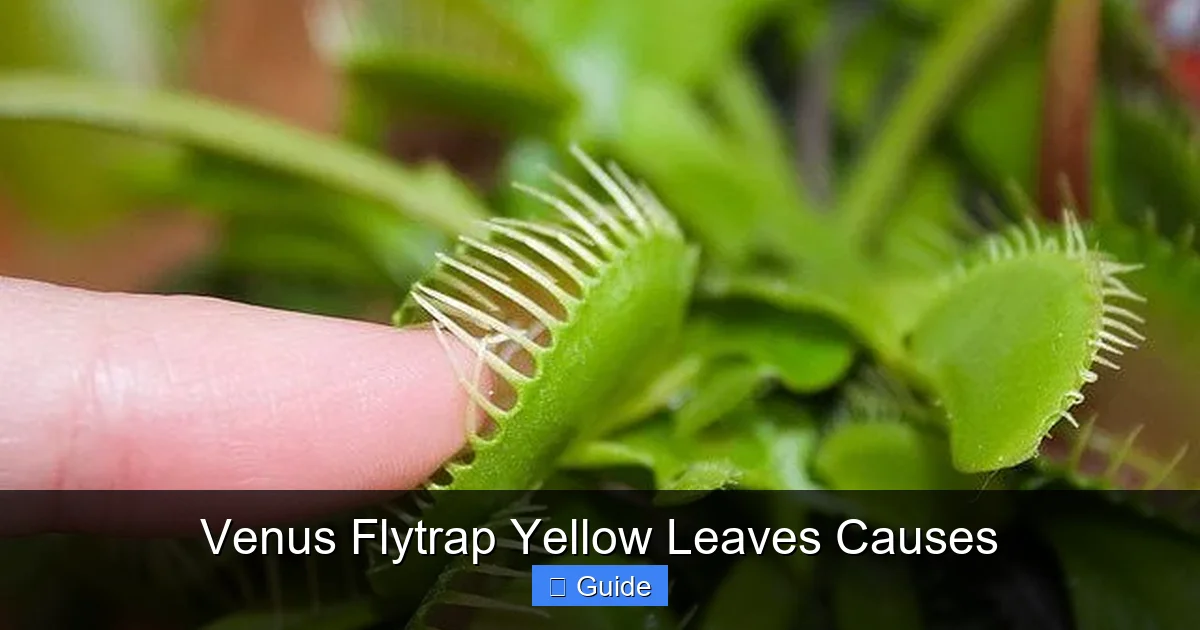
Venus Flytrap Yellow Leaves Causes
Venus flytrap yellow leaves usually signal stress from improper water, light, or dormancy issues. This guide covers every cause and gives you clear steps to restore your plant’s health fast.
Key Takeaways
- Water quality matters most: Tap water minerals burn roots and cause yellowing; always use distilled or rain water.
- Light deficiency is common: These plants need 12+ hours of bright direct light daily to stay green and vigorous.
- Dormancy is natural: Winter yellowing is normal and required; do not panic or overwater during this rest period.
- Feeding mistakes hurt: Overfeeding, wrong prey size, or feeding during dormancy stresses the plant and yellows leaves.
- Soil must stay nutrient-free: Fertilizers and rich potting mixes poison Venus flytraps; use pure sphagnum moss or peat-perlite mix.
- Pests and rot spread fast: Aphids, spider mites, and fungal infections turn leaves yellow; inspect weekly and treat early.
- Acclimation takes time: New plants often yellow while adjusting; provide stable conditions and avoid unnecessary changes.
Quick Answers to Common Questions
Why are my Venus flytrap leaves turning yellow at the base?
Yellowing at the base usually means natural aging or dormancy. Older leaves die off as new ones grow. In winter, the whole plant yellows for dormancy. This is normal and healthy.
Can tap water kill my Venus flytrap?
Yes. Tap water minerals burn roots and cause yellow leaves. Always use distilled, rain, or reverse osmosis water. Even one watering with tap water can start mineral buildup.
How much light does a Venus flytrap need to stay green?
Venus flytraps need 12 to 14 hours of direct sun daily. Indoor grow lights must be strong (5000K-6500K) and close (6-12 inches). Low light causes pale, yellow, stretched growth.
Should I cut off yellow Venus flytrap leaves?
Only remove leaves that are fully brown and crispy. Yellow leaves still photosynthesize and feed the plant. Let the plant reabsorb nutrients naturally.
Why did my Venus flytrap turn yellow after I fed it?
Feeding dead insects, oversized prey, or feeding during dormancy causes rot. The trap turns black, spreads to the leaf, and yellows. Feed only live insects 1/3 trap size, once weekly max, never in winter.
📑 Table of Contents
- Why Your Venus Flytrap Has Yellow Leaves
- Water Problems: The Number One Killer
- Light Starvation: The Silent Yellowing
- Dormancy: The Mandatory Rest Period
- Soil and Potting Mistakes
- Feeding Errors That Yellow Leaves
- Pests, Diseases, and Environmental Stress
- Acclimation and Seasonal Changes
- Diagnosing Your Specific Case
- Recovery and Rehabilitation
- Conclusion: Green Leaves Return
Why Your Venus Flytrap Has Yellow Leaves
You bought a Venus flytrap. It looked fierce and green in the store. Now the leaves turn yellow. You feel worried. You wonder what went wrong. Take a breath. This happens to almost every new grower. Yellow leaves are a cry for help. The plant talks to you through color. Green means happy. Yellow means stress. Black means dead tissue. The good news? Most causes are easy to fix once you know what to look for.
Venus flytraps (Dionaea muscipula) evolved in very specific conditions. They grow in boggy, nutrient-poor soils in North and South Carolina. They get blasted by full sun. They drink pure rainwater. They eat bugs for nutrients, not soil. When we bring them home, we often break these rules without knowing. We use tap water. We put them in dim windows. We plant them in rich soil. We feed them hamburger. The plant responds with yellow leaves. This guide walks you through every cause. You will learn to read the signs. You will learn the fixes. Your plant can recover.
Water Problems: The Number One Killer
Why Tap Water Causes Yellow Leaves
Tap water contains dissolved minerals. Calcium. Magnesium. Sodium. Chlorine. Fluoride. These are fine for humans. They are deadly for Venus flytraps. In nature, these plants grow in soil with almost zero minerals. Their roots never evolved to handle mineral buildup. When you water with tap water, minerals accumulate in the soil. The roots burn. They cannot absorb water anymore. The plant dehydrates from the inside out. Leaves turn yellow. Then brown. Then black.
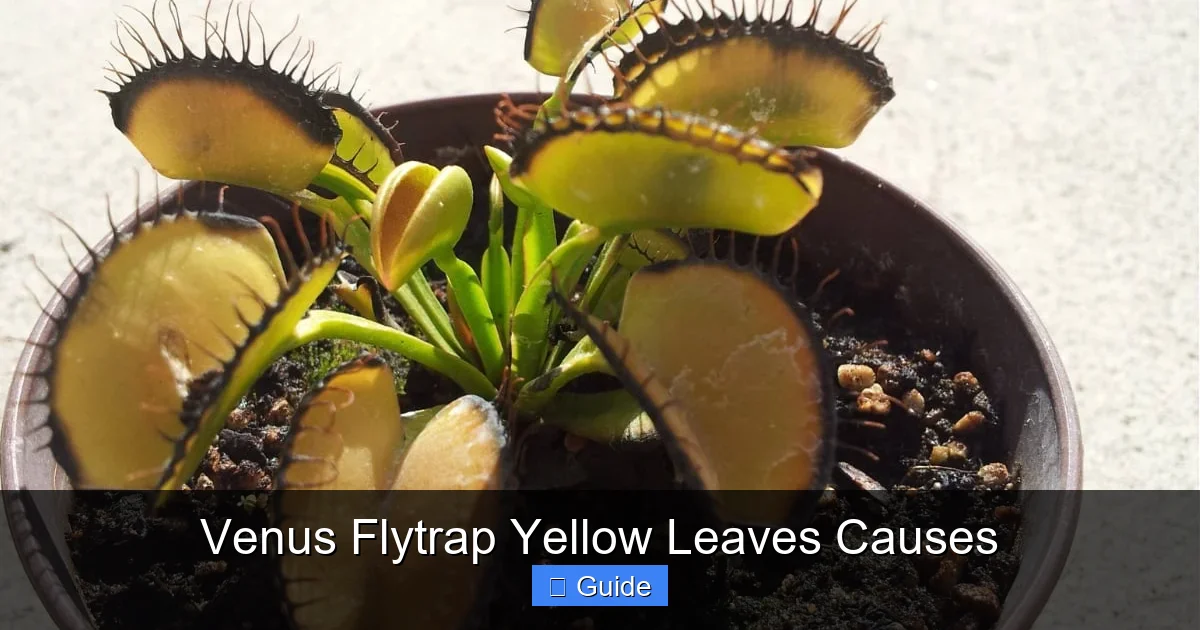
Visual guide about Venus Flytrap Yellow Leaves Causes
Image source: greenarborlandscaping.com
Total dissolved solids (TDS) measure mineral content. Venus flytraps need water under 50 parts per million (ppm). Most tap water runs 100 to 400 ppm. Some cities exceed 500 ppm. That is poison for your plant. Even “filtered” pitcher filters do not remove enough minerals. They only improve taste. You must use pure water. Distilled water works. Reverse osmosis water works. Rainwater works. Snow melt works. Air conditioner condensate works. Buy gallon jugs of distilled water at any grocery store for a dollar. Keep a jug by your plants. Never use tap water. Not even once.
Watering Method Matters Too
How you water changes everything. Venus flytraps want moist soil. Not soggy. Not bone dry. The tray method works best. Set the pot in a saucer. Add one inch of pure water. Let the soil wick it up from the bottom. Refill when the tray dries out. This mimics their natural bog habitat. Top watering works too. But it compacts soil over time. It can splash soil onto leaves. That triggers false trap closures. It wastes energy. Bottom watering keeps leaves clean. It keeps soil structure loose. It encourages deep root growth.
Never let the pot sit in deep water for weeks. That causes root rot. The roots need oxygen. Stagnant water has no oxygen. Change the tray water weekly. Rinse the tray. Prevent algae and bacteria buildup. In winter dormancy, reduce water. Keep soil barely damp. Not wet. The plant uses almost no water while sleeping. Overwatering during dormancy is a top cause of rot and yellow leaves.
Signs of Water Stress
Yellow leaves from bad water show a pattern. Older leaves yellow first. The yellowing starts at the base. It moves toward the trap. New growth may look stunted. Traps may stay small. They may not close fully. The plant looks tired. If you see white crust on the soil surface, that is mineral salt buildup. Flush the pot with lots of distilled water. Do this three times. Let it drain fully each time. Repot in fresh soil if the crust is thick. The plant can bounce back if you catch it early.
Light Starvation: The Silent Yellowing
How Much Light They Really Need
Venus flytraps are sun worshippers. In the wild, they grow in open savannas. No trees shade them. They get 12 to 14 hours of direct sun in summer. Even in winter, they get strong light. Indoor windows rarely give enough. A south window might give 4 to 6 hours of direct sun. That is not enough. The plant stretches. It makes long, weak petioles. The traps stay tiny. The color fades to pale green. Then yellow. The plant starves for energy. Photosynthesis cannot meet its needs.
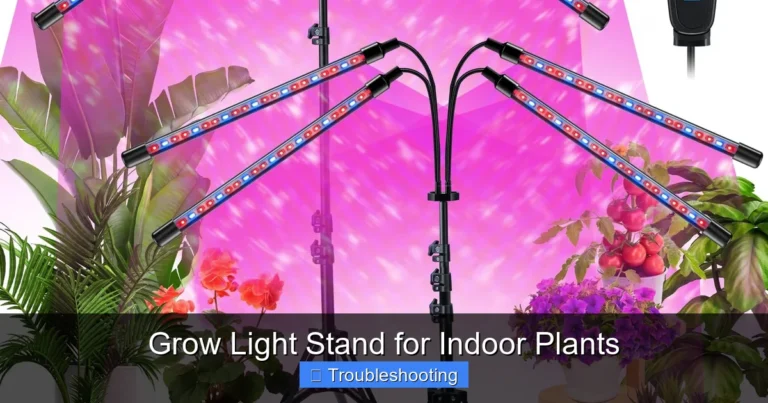
Grow lights fix this easily. Use LED grow lights. Look for 5000K to 6500K color temperature. That mimics noon sun. Provide 14 to 16 hours daily in growing season. Use a timer. Consistency matters. Hang lights 6 to 12 inches above the plant. Adjust as it grows. If leaves turn red, that is good. Red pigment (anthocyanin) protects from intense light. It means the plant gets plenty of energy. Green leaves under strong light are fine too. Yellow leaves mean not enough light.
Outdoor Growing Is Best
If you can grow outdoors, do it. Morning sun plus afternoon sun is ideal. Acclimate slowly. Start with one hour of direct sun. Add an hour each day. After two weeks, full sun is fine. The plant will thank you. It will grow thick, colorful traps. It will catch its own food. It will follow natural seasons. Outdoor plants rarely get yellow leaves from light issues. They get yellow leaves from winter dormancy. That is normal. We cover dormancy next.
Light Stress vs. Light Starvation
Too much light too fast causes sunburn. Leaves get white or brown patches. They crisp at the edges. This happens when you move a low-light plant straight to full sun. Always acclimate. Slow transition prevents burn. Once acclimated, Venus flytraps handle intense sun easily. They evolved for it. Light starvation is far more common than sunburn. Most indoor growers under-light their plants. Fix the light. Watch new growth. It should be compact. Traps should be large relative to petioles. Color should deepen.
Dormancy: The Mandatory Rest Period
Why Dormancy Causes Yellow Leaves
Venus flytraps are perennials. They live 20 years or more in the wild. But they must sleep each winter. Shorter days and cooler temps trigger dormancy. The plant knows. It stops growing. Old leaves yellow and die. The rhizome (underground stem) stores energy. Roots stay alive but inactive. This lasts 3 to 4 months. Usually November through February. In the southern hemisphere, May through August. New growers panic. They think the plant is dying. They overwater. They fertilize. They bring it inside to “save” it. This kills the plant.
Dormancy is not optional. Skipping it weakens the plant. It may survive one year. It will die the second. The plant needs this reset. Hormones shift. Energy reserves rebuild. Without dormancy, the plant exhausts itself. Flowering in spring takes huge energy. A plant that skipped dormancy often dies after flowering. Let it sleep. Yellow leaves in winter are a sign of health. The plant is doing exactly what it should.
How to Manage Dormancy
Keep the plant cool. 35 to 50 degrees Fahrenheit (2 to 10 Celsius) is ideal. An unheated garage works. A cool basement works. A refrigerator works (in a bag with air holes). Light needs drop to near zero. Some growers keep them in total darkness. Water sparingly. Soil should be barely moist. Check monthly. Do not let it dry completely. Do not feed. Do not fertilize. Do not repot. Leave it alone. In spring, bring it back to warmth and light. Increase water slowly. New growth appears from the center. That is your signal. The plant woke up.
Skipping Dormancy Indoors
Some growers use grow lights year-round. They keep temps warm. The plant never sleeps. This works for one season. Maybe two. But the plant declines. Leaves get smaller. Traps get weaker. The rhizome shrinks. Eventually it rots or dies. If you must skip dormancy (apartment living, no cold space), accept the shortened lifespan. Give the plant a “soft dormancy.” Reduce light to 8 hours. Lower temps to 55 to 60 F. Cut water back. Let it rest partially. It is not ideal. But it beats no rest at all.
Soil and Potting Mistakes
The Right Soil Mix
Venus flytraps need nutrient-free, acidic, well-draining soil. Standard potting soil kills them. It contains fertilizer. It holds too much water. It has neutral pH. The roots suffocate and burn. Use pure sphagnum moss. Or a 1:1 mix of peat moss and perlite. Or peat moss and silica sand. No vermiculite. No compost. No worm castings. No Miracle-Gro. Nothing with nutrients. The peat must be pure. Check the bag. Some brands add fertilizer. Read labels carefully. “Organic” often means added nutrients. Avoid it.
Rinse peat moss before use. It often contains dust and fine particles. These compact over time. Rinse in a bucket with distilled water. Squeeze out excess. Mix with perlite. The perlite keeps air pockets. Roots need air. Compacted soil causes root rot. Yellow leaves follow. Repot every 1 to 2 years. Peat breaks down. It becomes acidic and dense. Fresh soil refreshes the root zone. Spring is the best time to repot. Right after dormancy ends. The plant recovers fast.
Pot Choice Matters
Plastic pots work best. They retain moisture. They don’t leach minerals. Clay pots dry too fast. They also leach minerals into the soil. Glazed ceramic is okay if it has drainage holes. Always use drainage holes. No holes means standing water. Standing water means root rot. Pot depth matters too. Venus flytraps have long vertical roots. Use pots at least 4 inches deep. 6 inches is better. Deeper pots hold more water reserve. They buffer against drying out. They give roots room to grow.
Repotting Shock
Repotting stresses the plant. Leaves may yellow for a few weeks. This is normal. Minimize shock. Water well with distilled water after repotting. Keep in shade for 3 days. Then slowly reintroduce light. Do not feed for 2 weeks. Let roots establish. If many leaves yellow and die, the plant may be focusing energy on roots. New growth from the center means recovery. Patience pays off.
Feeding Errors That Yellow Leaves
What Not to Feed
Venus flytraps eat live insects. That is it. No hamburger. No cheese. No dead flies from the windowsill. No spiders you caught yesterday. Human food rots in the trap. Bacteria multiply. The trap turns black. The rot spreads to the leaf. The leaf yellows. The plant wastes energy sealing off the damage. Feed only live insects. Small ones. Fruit flies. Gnats. Small ants. Small crickets. The prey should be 1/3 the trap size or smaller. Large prey rots before digestion finishes.
How Often to Feed
Outdoor plants catch plenty. Do not feed them. Indoor plants need help. Feed one trap per plant per week. Max. During active growth (spring to fall). Zero feeding during dormancy. The traps won’t close well in cold. The plant cannot digest. The food rots. Yellow leaves follow. Overfeeding exhausts the plant. Each closure costs energy. Digestion costs more. The plant has a budget. Don’t overspend.
Triggering Traps Without Food
Playing with traps hurts the plant. Each trap closes 3 to 4 times in its life. Then it becomes a photosynthetic leaf only. Or it dies. Poking traps for fun wastes those closures. The plant gets no energy return. It weakens. Leaves yellow. Teach kids to watch, not touch. The trap closure is a marvel of evolution. Respect it.
Pests, Diseases, and Environmental Stress
Common Pests
Aphids love Venus flytraps. They cluster on new growth. They suck sap. Leaves curl. They yellow. They distort. Spray with distilled water to knock them off. Repeat daily. For heavy infestations, use insecticidal soap. Test one leaf first. Wait 24 hours. If no damage, treat the plant. Spider mites appear in dry indoor air. They are tiny. You see webbing. Leaves get stippled yellow. Increase humidity. Spray neem oil weekly. Fungus gnats breed in wet soil. Their larvae eat roots. Yellow leaves follow. Let soil surface dry between waterings. Use mosquito bits (Bti) in the water tray.
Fungal and Bacterial Issues
Crown rot kills fast. The center turns black and mushy. Leaves yellow and collapse. It comes from overwatering, poor airflow, or contaminated soil. Cut away all black tissue. Dust with cinnamon (natural fungicide). Repot in fresh sterile soil. Keep drier. Increase airflow. A small fan helps. Botrytis (gray mold) appears as fuzzy gray patches. Remove affected leaves. Improve airflow. Reduce humidity. Powdery mildew shows as white dust. Rare on Venus flytraps. Treat with sulfur fungicide if needed.
Temperature Extremes
Venus flytraps handle 20 to 95 F (-7 to 35 C). Outside this range, they stress. Freezing temps without dormancy prep kill tissue. Leaves yellow then black. Heat above 100 F cooks the roots. Especially in small pots. Move plants to shade during heat waves. Mulch the pot surface with live sphagnum. It insulates roots. In winter, protect from hard freezes if not dormant. A dormant plant handles 20 F fine. An active plant dies at 32 F.
Humidity and Airflow
High humidity helps. But stagnant air causes rot. Aim for 50 to 70% humidity. With good airflow. A small fan on low works wonders. It strengthens leaves. It prevents fungal spores from settling. It mimics natural breezes. Terrariums often fail because air doesn’t move. If you use a terrarium, open it daily. Add a computer fan. Or grow open-air. It’s easier and healthier.
Acclimation and Seasonal Changes
New Plant Adjustment
You bring a plant home. It yellows in two weeks. You did nothing wrong. The plant came from a greenhouse. Perfect light. Perfect water. Perfect humidity. Your home is different. The plant adjusts. Old leaves die. New leaves grow suited to your conditions. This takes 4 to 6 weeks. Do not change care trying to “fix” it. Consistency lets the plant adapt. Keep a care log. Note changes. Watch for new growth. That is the true health indicator.
Seasonal Transitions
Spring brings rapid growth. The plant uses stored energy. Leaves may yellow as nutrients move to new growth. This is normal. Fall brings slowing growth. The plant prepares for dormancy. Leaves yellow naturally. Do not fight the seasons. Work with them. Reduce feeding in fall. Stop feeding in winter. Resume in spring. The plant knows what to do. Your job is to provide the right conditions at the right time.
Flowering Energy Drain
Mature plants flower in spring. The flower stalk grows tall. It takes massive energy. The plant often yellows during flowering. Traps get smaller. Growth slows. If you want a strong plant, cut the flower stalk early. As soon as you see it. Cut at the base. The plant redirects energy to traps and roots. If you want seeds, let it flower. But expect a weaker plant for the rest of the year. First-year plants should never flower. Cut the stalk immediately.
Diagnosing Your Specific Case
Pattern Recognition Guide
Look at the yellowing pattern. It tells the story.
- Old leaves yellow first, base to tip: Normal aging or dormancy.
- New growth yellow, stunted: Light deficiency or mineral buildup.
- All leaves yellow suddenly: Water quality shock or root rot.
- Yellow with black spots: Fungal infection or sunburn.
- Yellow with webbing: Spider mites.
- Yellow with curled new leaves: Aphids.
- Yellow after feeding: Prey too large or dead food.
- Yellow after repotting: Transplant shock.
- Yellow in winter: Dormancy (normal).
- Yellow in summer with crispy edges: Heat stress or underwatering.
Check the rhizome. Gently brush away soil at the base. It should be firm. White or pink inside. Not black. Not mushy. Not hollow. A healthy rhizome means the plant will recover. A rotted rhizome means game over. But even then, check for live roots. Sometimes a piece survives. Pot it up. Miracles happen.
Quick Diagnostic Checklist
Run through this list weekly.
- Water: Distilled, rain, or RO only? Tray method? Tray cleaned weekly?
- Light: 12+ hours direct sun or strong grow light? Acclimated properly?
- Dormancy: Allowed winter rest? Cool temps? Reduced water?
- Soil: Pure peat-perlite or sphagnum? No fertilizer? Repotted yearly?
- Feeding: Live insects only? Right size? Once weekly max? None in winter?
- Pests: Inspected weekly? Treated early? Airflow good?
- Pot: Plastic? Drainage holes? Deep enough? Not sitting in deep water?
Fix any “no” answers. One change at a time. Watch for two weeks. The plant responds slowly. Patience is your best tool.
Recovery and Rehabilitation
Step-by-Step Rescue Plan
Your plant looks bad. Many yellow leaves. Maybe some black. Don’t give up. Follow this plan.
Step 1: Check the rhizome. If firm and white, proceed. If mushy, cut to healthy tissue. Dust with cinnamon.
Step 2: Repot in fresh soil. Pure peat-perlite 1:1. Rinse first. Deep plastic pot. Water with distilled water.
Step 3: Place in bright indirect light. Not full sun yet. 70 to 75 F. High humidity helps. A clear plastic bag over the pot creates a mini greenhouse. Vent daily.
Step 4: Water only when tray dries. Use distilled water. No feeding. No fertilizer.
Step 5: Wait. Watch for new growth from center. This takes 2 to 6 weeks. When you see a new trap forming, the plant lives.
Step 6: Slowly increase light. Add one hour direct sun daily. Over two weeks, reach full sun.
Step 7: Resume normal care. Tray watering. Weekly feeding (if indoor). Seasonal adjustments.
What to Remove, What to Keep
Yellow leaves still photosynthesize. Keep them until fully brown. The plant reclaims nutrients. Cut only fully dead leaves. Black, crispy, pull away easily. Use clean scissors. Cut at the base. Don’t tear. Tearing damages the rhizome. Green parts of yellow leaves still work. Let the plant decide when to let go.
Preventing Future Yellowing
Consistency prevents problems. Set up a care routine.
- Daily: Check water tray. Refill if dry. Quick pest scan.
- Weekly: Clean tray. Inspect leaves top and bottom. Check soil surface.
- Monthly: Flush pot with distilled water (growing season). Check rhizome health.
- Seasonly: Adjust light hours. Adjust water. Start/stop feeding. Manage dormancy.
- Yearly: Repot in fresh soil. Spring preferred.
Keep a simple notebook. Date. Water added. Light hours. Feeding. Observations. Patterns emerge. You learn your plant’s language. You catch issues before yellow leaves appear.
Conclusion: Green Leaves Return
Yellow leaves on a Venus flytrap feel alarming. But now you know. They are messages. Not death sentences. Water quality. Light quantity. Dormancy respect. Soil purity. Feeding restraint. Pest vigilance. Seasonal flow. Master these seven pillars. Your plant will reward you. Traps will grow large. Color will deepen red. The plant will flower (if you let it). It will divide. You will have more plants. You will share them. You will teach others. The cycle continues.
Every expert grower killed plants at first. The difference? They learned. They adjusted. They kept going. You are learning now. You have the knowledge. Apply it. Watch. Wait. The new green growth will come. It always does. Welcome to the addiction. Venus flytraps change how you see plants. They are not decorations. They are partners. They respond. They hunt. They sleep. They wake. And they thrive under your care.
Start today. Check your water. Check your light. Check your soil. One fix at a time. Your Venus flytrap is waiting. Green days ahead.
Frequently Asked Questions
Is it normal for Venus flytrap leaves to turn yellow in winter?
Yes, winter yellowing is normal and required. Venus flytraps enter dormancy from November to February. Leaves yellow and die back while the rhizome rests. Reduce water, keep cool (35-50°F), and do not feed. New growth returns in spring.
Can a Venus flytrap recover from yellow leaves?
Absolutely. If the rhizome is firm and white, the plant will recover. Fix the cause (water, light, soil), repot in fresh peat-perlite mix, provide strong light, and wait. New growth appears in 2-6 weeks.
What does an overwatered Venus flytrap look like?
Overwatering causes yellow, mushy leaves starting at the base. The crown may turn black and rot. Soil smells sour. Roots are brown and slimy. Let soil dry slightly, improve drainage, and increase airflow.
Why are my Venus flytrap traps turning yellow before opening?
Traps yellow before opening due to low light, mineral buildup from tap water, or the plant entering dormancy. Ensure 12+ hours direct light, use only pure water, and check if seasonal slowdown is starting.
Can fertilizer cause Venus flytrap yellow leaves?
Yes. Venus flytraps get nutrients from insects, not soil. Any fertilizer (including in potting soil) burns roots and causes yellowing. Use only pure peat moss and perlite or sphagnum moss with zero additives.
How do I know if my Venus flytrap is dormant or dead?
Check the rhizome (underground stem). Dormant: firm, white/pink inside, roots light-colored. Dead: mushy, black, hollow, foul smell. Dormant plants have no green leaves but the rhizome lives. Dead plants rot completely.