Best Sticky Traps for Houseplant Pests
Sticky traps are a simple, non‑toxic way to catch flying insects that love your houseplants. This guide reviews the best sticky traps for houseplant pests, explains how they work, and shows you where to place them for maximum catch rates.
If you have ever watched tiny flies dance around your favorite pothos, you know how frustrating houseplant pests can be. The good news is that you do not need harsh sprays to fight back. Sticky traps offer a clean, low‑effort way to monitor and reduce insect numbers. In this article we break down the best sticky traps for houseplant pests, show you how to pick the right color, and give you placement tips that actually work.
We tested dozens of products, read hundreds of gardener reviews, and consulted entomology guides to bring you a shortlist that balances price, catch rate, and ease of use. Whether you battle fungus gnats, whiteflies, thrips, or aphids, there is a trap that fits your setup. Let’s dive in.
Key Takeaways
- Non‑toxic control: Sticky traps capture pests without chemicals, making them safe for pets and kids.
- Color matters: Yellow traps attract fungus gnats and whiteflies; blue traps lure thrips and leafhoppers.
- Placement is key: Hang traps just above the canopy and near soil level for the best results.
- Replace regularly: A full trap loses effectiveness; swap it out every two to four weeks.
- Combine methods: Use traps alongside neem oil or beneficial insects for a complete pest‑management plan.
- Eco‑friendly options exist: Recyclable paper traps and DIY cardboard strips reduce waste.
Quick Answers to Common Questions
What color sticky trap works best for fungus gnats?
Yellow traps attract fungus gnats most effectively because the color mimics young plant tissue.
How often should I replace a sticky trap?
Replace traps every two to four weeks, or sooner if more than 70 % of the surface is covered.
Can sticky traps catch beneficial insects?
Most beneficial insects are not drawn to the standard yellow or blue hues, so they rarely get stuck.
Do pheromone traps work for all pests?
No, pheromone traps are species‑specific. Use them only when you have identified a single dominant pest.
Are DIY sticky traps as effective as commercial ones?
DIY traps can work for short periods, but commercial traps maintain stickiness longer and catch more insects per square inch.
📑 Table of Contents
Why Sticky Traps Work for Houseplants
Simple physics, big results
Sticky traps rely on a bright hue and a tacky coating. Insects see the color, fly toward it, and get stuck. No bait, no chemicals, no electricity required. This makes them ideal for indoor spaces where you want to avoid fumes.
Monitoring plus control
Because you can see exactly what lands on the surface, traps double as a monitoring tool. A sudden spike in catches tells you a population is growing before damage appears on leaves. Early detection saves you time and money.
Safe for beneficial insects
Most beneficial predators, like lady beetles, are not attracted to the colors used on standard traps. That means you keep the good guys while removing the bad ones. It’s a win‑win for an integrated pest‑management approach.
Types of Sticky Traps
Yellow card traps
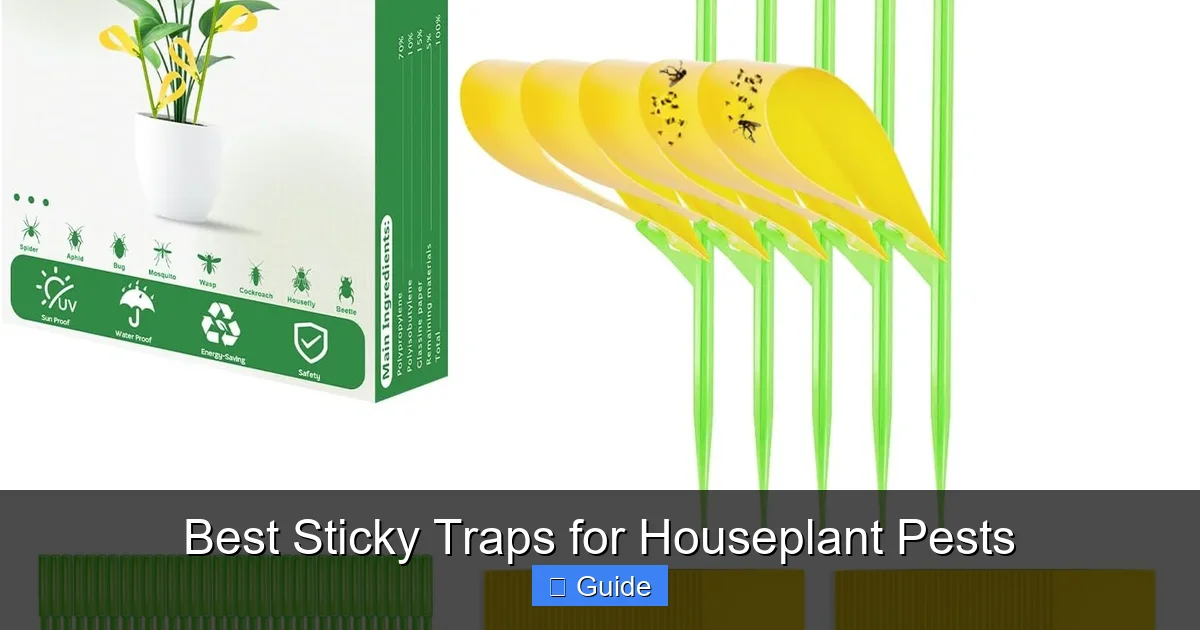
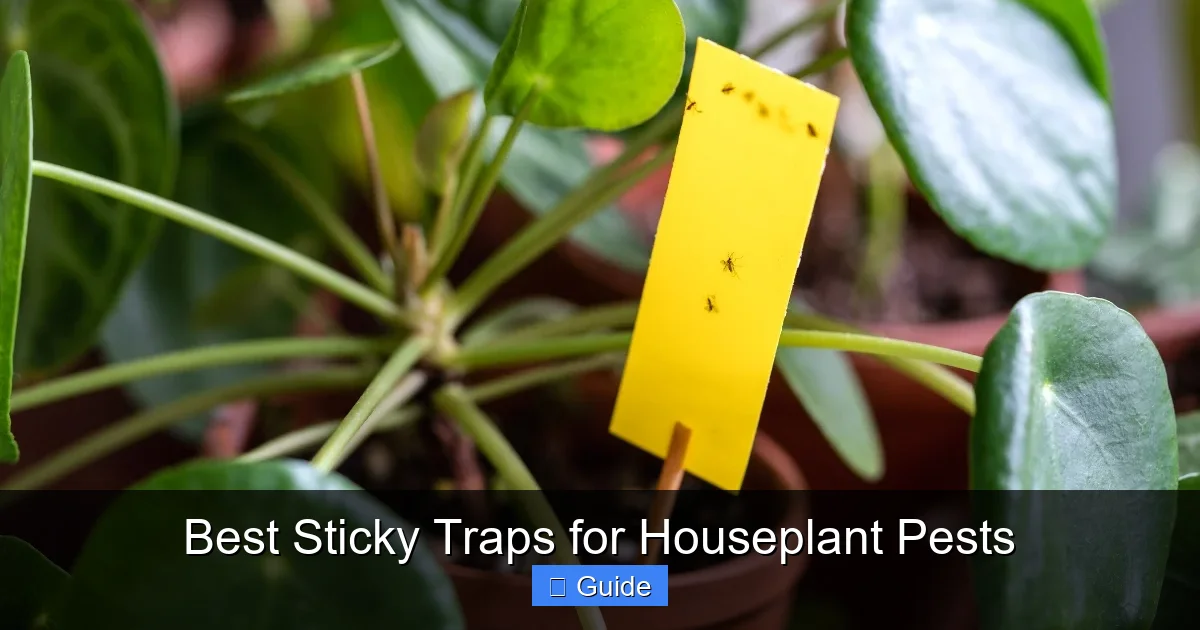
Yellow is the classic choice for fungus gnats, whiteflies, and aphids. The bright hue mimics young foliage, which many pests find irresistible. Cards come in packs of ten or twenty and are usually coated on both sides.
Visual guide about Best Sticky Traps for Houseplant Pests
Image source: epicgardening.com
Blue card traps
Blue traps target thrips, leafhoppers, and some species of beetles. If you notice silvery streaks on leaves, a blue trap can confirm a thrip infestation. Many growers keep both yellow and blue cards on hand.
Roll‑out sticky tape
Rolls let you cut custom lengths for shelves, window sills, or the rim of a pot. They are great for large collections where a single card would be too small. The adhesive stays tacky for weeks, even in humid rooms.
Pheromone‑enhanced traps
Some premium traps add a species‑specific lure. These are more expensive but can dramatically increase catch rates for stubborn pests like the citrus leafminer. Use them when a single species dominates your problem.
Top Picks for Common Pests
Best overall yellow card – Garsum Yellow Sticky Traps
Garsum cards come in a 20‑pack, each measuring 3 × 5 inches. The glue holds up in 70 % humidity and the bright yellow stays vivid for months. Gardeners report catching dozens of fungus gnats within 48 hours. At under $15 for the pack, they are a budget‑friendly staple.
Best blue card – StikyTech Blue Traps
StikyTech’s blue cards are slightly larger at 4 × 6 inches, giving more surface area for thrips. The adhesive is formulated to resist dust, a common issue in dusty homes. A 12‑pack costs around $18 and lasts a full growing season for most hobbyists.
Best roll – Catchmaster 72‑Inch Sticky Roll
This roll gives you 72 inches of double‑sided tape. Cut it to fit any shelf or pot rim. The backing peels cleanly, and the glue stays sticky for up to six weeks. It’s perfect for a plant‑wall display where cards would look cluttered.
Best pheromone trap – BioCare Citrus Leafminer Trap
If you grow citrus or other leafminer‑prone plants, this trap includes a synthetic lure that mimics female pheromones. The trap catches males before they mate, reducing the next generation. One trap covers a 10‑foot radius and lasts eight weeks.
Best eco‑friendly – EcoSticky Recycled Paper Traps
Made from 100 % post‑consumer paper and a water‑based adhesive, these traps compost after use. They come in yellow and blue, 10 per pack. Catch rates are comparable to plastic cards, and you can toss them in the garden bin guilt‑free.
How to Place Traps Effectively
Above the canopy
Hang a yellow card 6–12 inches above the tallest leaves. Flying adults tend to rise before they settle, so an elevated trap intercepts them early. Use a small clip or a piece of string; avoid tape that can damage stems.
Near the soil line
Fungus gnats breed in the top inch of potting mix. Place a second card horizontally on the soil surface or prop a roll strip against the pot rim. This catches emerging adults before they disperse.
By windows and vents
Insects often enter through open windows or HVAC vents. A trap on the sill or just inside the vent grille acts as a first line of defense. Rotate traps every few weeks to cover different entry points.
Group plants together
If you have a cluster of tropicals, one larger roll strip can serve the whole group. Space traps evenly so no plant is more than a foot away from a sticky surface.
Maintenance and Replacement Tips
Check weekly
A quick glance tells you if the trap is full. When more than 70 % of the surface is covered, the adhesive loses grip and new insects can fly over. Replace it promptly.
Record catches
Keep a small notebook or phone note. Write the date, trap color, and approximate number of insects. Over time you’ll see patterns—like a gnat surge after overwatering—and can adjust care before damage occurs.
Clean the area
Dust and debris reduce stickiness. Wipe the surrounding shelf with a damp cloth before installing a fresh trap. Avoid spraying water directly on the adhesive; it will ruin the glue.
Store spares properly
Keep unused traps in a cool, dry drawer. Heat and humidity degrade the adhesive before you even open the pack. A sealed plastic bag with a silica packet extends shelf life.
Eco‑Friendly and DIY Alternatives
Recyclable paper traps
Brands like EcoSticky use recycled cardboard and a plant‑based glue. After the trap is full, you can tear it up and add it to compost. The paper breaks down quickly, returning nutrients to your garden beds.
Homemade yellow cards
Cut bright yellow index cards to size, coat them with a thin layer of petroleum jelly or a homemade sugar‑water syrup. They work surprisingly well for a week or two. Replace the coating when it dries out.
Sticky tape from the hardware store
Double‑sided carpet tape or painter’s tape can serve in a pinch. It’s not as UV‑stable, so it may lose tack faster under grow lights. Still, it’s a zero‑cost way to test placement before buying a dedicated product.
Combine with cultural controls
Let the soil dry between waterings, add a layer of sand on top, and introduce predatory nematodes. Traps catch the adults; cultural steps stop the larvae. Together they give you a resilient, low‑input system.
Conclusion
Sticky traps are one of the easiest, safest tools you can add to your houseplant care routine. By choosing the right color, placing traps at canopy height and soil level, and swapping them out before they saturate, you keep flying pests in check without a single spray. Pair the best sticky traps for houseplant pests with good watering habits and occasional beneficial insects, and your indoor jungle will stay lush and bug‑free all year long.
Frequently Asked Questions
How do I know which pest I have?
Check the trap daily. Fungus gnats are tiny black flies; whiteflies look like tiny white moths; thrips are slender and yellow‑brown. A magnifying glass helps with identification.
Can I use sticky traps outdoors?
Yes, but wind and rain reduce effectiveness. Use them in a sheltered patio or greenhouse for best results.
Will sticky traps eliminate an infestation completely?
Traps reduce adult numbers but do not kill larvae in the soil. Combine traps with soil treatments for full control.
Are there any safety concerns with the adhesive?
Most adhesives are non‑toxic, but keep traps out of reach of curious pets and children to avoid accidental ingestion.
How many traps do I need for a 10‑plant collection?
One yellow card per 2–3 plants plus one blue card if thrips are present is a good starting ratio.
Can I reuse a sticky trap after cleaning it?
No, once the adhesive is covered it cannot be restored. Replace with a fresh trap for reliable performance.